

A Guide to Eloping in Thailand
A comprehensive guide for international couples planning an elopement in Thailand
By Meryll de Gordon, destination wedding filmmaker
An elopement is no longer defined by secrecy or by having no guests. It is a wedding shaped around the couple, usually with a very small group, fewer formal expectations and more freedom over place and pace. Some couples exchange vows alone. Others bring parents, siblings or a handful of close friends. In Thailand, that freedom can mean a private villa, a long-tail boat, a city dinner or a quiet mountain morning. The day does not need to imitate a traditional wedding in miniature. It can have its own rhythm.
What an elopement means today
A Thailand elopement starts with the right region
Climate, access and pace matter more than a checklist
I have been travelling and working in Thailand for ten years, both as a destination wedding filmmaker and as a specialist in intimate ceremonies, multi-day celebrations. I have filmed weddings in Phuket, Krabi, Chiang Mai, Bangkok and Hua Hin, working with international couples and a local team for film, photography and drone coverage. That experience has taught me that the first decision is not simply beach or city. It is which version of Thailand fits you, at the right time of year, with enough space for the people and experiences that matter.
I created these guides because planning an elopement in Thailand is very different from organising a traditional wedding at home. Each destination has its own rhythm, climate, landscapes, logistics and possibilities for a multi-day experience. The aim is to help couples understand what each region can offer before choosing where to celebrate. You can explore my dedicated guides for Phuket, Krabi, Koh Samui and Chiang Mai. Meryll de gordon, Thailand wedding videographer.
Why choose Thailand for an elopement?
Thailand offers genuinely different settings within one country: limestone cliffs, Andaman islands, Gulf beaches, northern forests, old cities and contemporary Bangkok. It also has strong hospitality and established tourism infrastructure in the main wedding regions. For international groups, that can make a faraway celebration manageable.
The country is especially suited to couples who want the wedding to be part of a wider journey. Nicole and Jack’s Phuket celebration included a night market, a Thai cooking class, their wedding day and time on the water. Those experiences showed how two families came together. There are trade-offs: heat changes the pace, tropical rain can arrive quickly, boats depend on sea conditions, and temples or protected landscapes are not open-air studios. Thailand works best when the plan respects those realities.
Planning support from a filmmaker's point of view
My role is not to replace a wedding planner. It is to help shape the parts of the timeline that affect how the day feels and how honestly it can be filmed: when the light is kind, how long a transfer really takes, where sound may be difficult, when a boat trip becomes tiring, and which activities create genuine time together. I work alongside the planner and local team, bringing a creative and practical view to the schedule so the couple is not asked to perform a destination they should be experiencing. With Sam and Zarah, several days gave each activity room to breathe; with Nat and Jum, a longer stay made it possible to connect Bangkok and Hua Hin without forcing both places into one wedding day.
The best places to elope in Thailand
Choose the region before choosing the month
There is no single best location. The right choice depends on the season, the atmosphere you want, the mobility of your guests and how much travel you are willing to include.
Phuket and Phang Nga.
Limestone coast, boat access and slower days
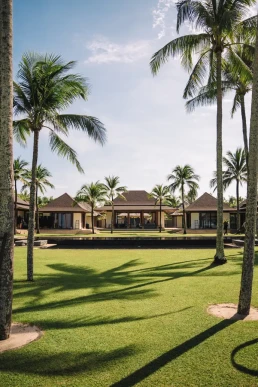
Phuket is one of the easiest starting points for an island elopement, with an international airport, experienced local suppliers, private villas and access to Phang Nga Bay. It is also busy. Traffic, public beaches and long cross-island journeys need an honest assessment. A private villa or carefully chosen resort can provide a calm base, with one well-timed outing rather than several rushed stops.
For Sam and Zarah, Villa Jia Jivana became the anchor for a celebration unfolding over several days. Muay Thai, a scooter ride, a private boat at sunset, the ceremony and the speeches all belonged to the same story. It is a useful model for Phuket: choose one home base and let a small number of experiences reveal the destination.
Krabi
Wild coastlines and hidden beaches
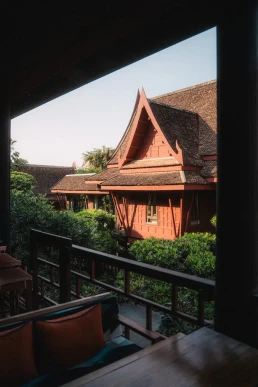
Krabi has limestone karsts, dense greenery and boat-accessed beaches. Railay is visually distinctive, but luggage, tides, weather and transfers are part of the decision, especially with older guests or formal clothing. Adelle and James celebrated at Rayavadee, using the landscape and time on the water across several days. Krabi is strongest when you stay long enough to accommodate the sea and weather rather than building a tight schedule around them.
Koh Samui
A Gulf island with a different seasonal pattern
Koh Samui. Samui’s Gulf climate does not follow the Andaman pattern exactly. It can offer a more workable option during parts of May to September, although no tropical month comes with a guarantee. The island has direct air access from Bangkok and a strong collection of villas and resorts. Transfer times, steep villa access and the position of the sun should be assessed before choosing a venue from photographs alone.
Chiang Mai
Mountains, gardens and cooler months
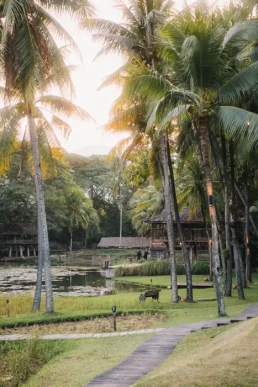
Chiang Mai. Chiang Mai suits couples drawn to mountains, gardens, craft, food and a gentler inland rhythm. November to February is usually the most comfortable period. March and April require caution because heat and seasonal smoke can reduce air quality and mountain visibility. Val and Lyle’s celebration included a welcome dinner at Terra and an outdoor garden ceremony at Four Seasons Chiang Mai, giving the story two distinct chapters without repeated travel.
Bangkok, Ayutthaya and Khao Sok
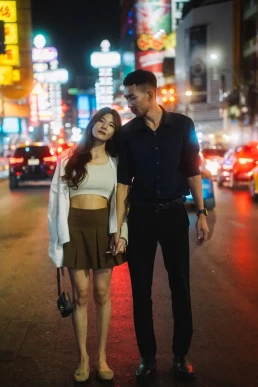
Bangkok works for couples who feel more themselves in a city. Rooftops, contemporary hotels, family homes, neighbourhood restaurants and the Chao Phraya River can create a layered celebration. Traffic is the practical limit, so it is better to work within one part of the city than to collect distant landmarks. Ayutthaya can be reached from Bangkok, but its historic sites are protected places. Access and professional-filming permission must be confirmed.
Nat and Jum’s story moved from Bangkok to Hua Hin over a longer stay. That slower format allowed both places to carry meaning instead of becoming a rushed checklist.
Khao Sok offers rainforest, limestone formations and water rather than a classic beach setting. It can suit an outdoors-focused couple, but it needs flexibility. National park access, boat arrangements, rain, humidity, wildlife considerations and professional-filming permissions all require early verification. Keep the ceremony simple, prepare a weather alternative, and do not promise drone footage or access to a protected location until written permissions are clear.
When is the best time to elope in Thailand?
Thailand does not have one national dry season
- Phuket, Krabi and Phang Nga: November to April is generally the drier and more comfortable period. December to February is popular, with higher prices and more visitors.
- Koh Samui: the rainfall pattern is different, and the island often works well from roughly February through September, with a wetter period commonly arriving later in the year.
- Chiang Mai: November to February usually brings cooler mornings. March and April can bring heat, haze and high PM2.5 levels, affecting both health and visibility.
- Bangkok: November to February tends to be more comfortable for moving through the city. No month removes every risk, so every plan needs shade, water, cover and enough time for a short shower not to become a crisis.
How many days do you need?
A one-day elopement
can work well when the ceremony, meal and accommodation are close together, especially if you want to keep the day simple and intimate.
A 2 or 3 day elopement in Thailand
usually creates a better balance: a welcome dinner or relaxed activity, a full ceremony day, then quieter time on the water, in the city or with family. Even when the elopement itself lasts only two or three days, it is often part of a much larger one or two-week trip through Thailand.
This wider journey can also become part of the story. I can film moments before or after the wedding itself, such as a few days in Bangkok, an island stay, a boat trip, a family dinner or a quiet morning together. It gives the film more depth and makes the elopement feel connected to the whole experience, rather than isolated from it.
Four or five days make sense when two regions are involved or when guests have travelled far. More days do not necessarily mean more production. Their real value is in reducing pressure, creating space and allowing natural transitions to happen.
Experiences, photographs and film
Choose experiences by asking what you would still enjoy if no camera were present. A cooking class can help two families connect. A private boat can offer real time together when the route, sea and boarding arrangements suit everyone. A market is energetic and personal, but it is not a controlled portrait set. Muay Thai may fit an active couple; a quiet meal may reveal more than all of them. Nicole and Jack’s class and Sam and Zarah’s mix of movement, sea and villa time worked because they belonged to those couples, not because they followed a standard itinerary.
Early morning can bring softer light and quieter public spaces. Late afternoon may be flattering, but not every coast faces the sunset. Sound matters just as much: wind, waves, traffic, boat engines and resort music can compete with vows. Humidity can cause camera condensation and changes how clothing, flowers and makeup behave. A calm buffer is often more useful than another portrait stop.
For film, real transitions create narrative: the quiet before guests arrive, a boat leaving shore, two families learning something together, or the change from city noise to dinner conversation. These moments cannot be manufactured later. Drone coverage should remain a possibility rather than a promise because registration, airports, protected areas, weather and local permission can all prevent a safe legal flight.
Legal, travel and filming practicalities
What to confirm before you book
Two foreign nationals can generally register a civil marriage in Thailand, but documents depend on nationality, embassy requirements and the district office. Declarations or certificates, Thai translations, legalisation and witnesses may be needed. Thailand’s equal marriage law took effect on 23 January 2025. Many international couples choose a symbolic ceremony in Thailand and complete the legal marriage at home; the symbolic ceremony is personal but does not itself create a legal marriage.
Allow at least one clear arrival day. Check the current Thailand Digital Arrival Card and nationality-specific entry rules, especially after the changes effective 15 September 2026. Keep wedding-day journeys short, and give guests clear information about sand, steps, steep drives and boats.
Drone operation requires current Thai registration and operating compliance, and professional filming in national parks, ancient monuments, temples or controlled locations may require further written approval. Confirm the exact venue, legal process, weather, marine conditions, air quality and permits before booking them into the plan.
After ten years of working in Thailand, I have learned that the weddings with the strongest sense of place are not the ones that reach the most locations. They are the ones that give people enough time to be present. If Thailand is meaningful to you, we can begin with the region, season and people you want beside you, then build a celebration that feels coherent in real life and in the film that remains.
Planning an elopement in Thailand?
Tell me the season, regions you are considering and how you imagine spending your time in Thailand. I can help you think through the destination, timing and experiences that could naturally become part of the story.
Thailand elopement guide: your questions
There is no single best month for the whole country. November to February is often comfortable in Bangkok, Chiang Mai and the Andaman region, while Koh Samui can be a stronger option during parts of late spring and summer. Choose the region first, then assess its local weather pattern.
Generally, yes, but the required certificates, translations, legalisations, witnesses and district-office process depend on each person’s nationality. Confirm the complete route with both embassies and the relevant Thai district office before booking travel around it.
Yes. Thailand’s equal marriage law took effect on 23 January 2025. International couples should still verify how the marriage will be recognised and recorded in their home countries.
Yes. Many couples complete the legal marriage at home and hold a personal symbolic ceremony in Thailand. The ceremony is not a legal marriage, but it allows more freedom over location, wording and timing.
Choose Phuket or Krabi for Andaman coastlines, Koh Samui for a Gulf island with a different seasonal pattern, Chiang Mai for mountains and gardens, and Bangkok for a city-led experience. The best choice is the one that fits your season, access needs and preferred pace.
Two or three elopement days usually allow a welcome experience, the ceremony and one relaxed activity without compressing everything into a single schedule. Add at least one arrival day, especially after long-haul travel.
Possibly, but never assume it is guaranteed. The operator and aircraft must meet current Thai requirements, and the exact location may need further permission. Weather, airports, protected areas and site rules can still prevent a safe legal flight.
A local planner is strongly recommended when the day involves venues, boats, permits, cultural elements or guests. A filmmaker can help shape timing, light, sound and the lived experience, but does not replace full planning and supplier coordination.
Being recognised among international wedding videographers is an honour, and it reflects the same responsibility I bring to every Thailand elopement: creating a film that feels sincere, personal and grounded in the people living the day. Awards are never the reason to shape a moment. They are a reminder to keep noticing the honesty of a glance, a voice, the local light and the relationships that will still feel alive long after the journey is over.

Featured in
Work featured in French and international wedding blogs and publications known for their carefully curated selections.