

How to Elope in Krabi
A practical guide for international couples planning an elopement in Krabi
By Meryll de Gordon, destination wedding filmmaker
Why elope in Krabi?
One province, several distinct experiences
Krabi works best when you treat it as a collection of places, not one beach destination. Railay is reached by boat, Tubkaek and Klong Muang are quieter mainland bases, and Koh Lanta needs time. I’m Meryll, destination wedding videographer I have filmed weddings in Thailand for ten years and specialise in destination weddings and elopements in Thailand. In Krabi, I filmed Adele and James’ wedding over several days at Rayavadee and helped them shape an activity schedule from which they chose the experiences that suited them.
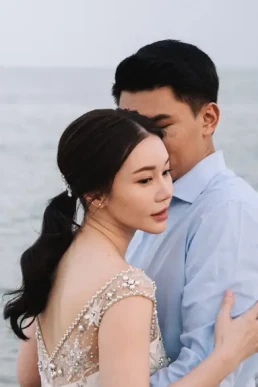
What does it mean to elope today?
An intimate experience, shared entirely together
A modern elopement can be just the two of you, or an intimate wedding shared with a very small group of family and friends. It does not need to be secret or last-minute. For many international couples, an elopement in Krabi Province takes place before or after the legal civil wedding in their country of residence, allowing the experience in Thailand to feel more personal, symbolic and entirely their own. A Krabi elopement is less about recreating a traditional wedding on a smaller scale and more about sharing something rare together: a private ceremony, a boat journey, an island adventure, a quiet dinner or simply time to experience the landscape without distraction. Compared with a traditional wedding, a Krabi Province elopement gives you more freedom over the timing, location and activities, but above all, more space to be fully present with each other. It becomes a shared experience rather than a schedule of events. For many couples, that intimacy is what makes it so memorable: a few exceptional days away from everyday life, creating memories that belong almost entirely to the two of you. A destination wedding in Krabi can still be large; an elopement is defined more by intimacy, intention and the freedom to create a deeply personal experience together.
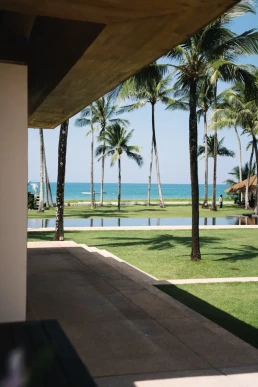
The best places to elope in Krabi
Krabi combines Andaman Sea beaches, limestone cliffs, mangrove, islands and local town life. Choose one version of the province rather than trying to collect every location. The right base depends on whether you value boat-access scenery, simple road logistics, privacy, a slower island stay or local life beyond the resorts.
Railay
Railay offers one of the most dramatic settings for an elopement in Krabi, with limestone cliffs, small beaches and a strong sense of separation from the mainland. Because the peninsula is accessible only by boat, logistics need to be planned carefully. If possible, stay in Railay before the ceremony rather than travelling in on the same day. This gives you more flexibility with light, weather and boat schedules, and makes the whole experience feel more relaxed.
Phra Nang Peninsula
The Phra Nang Peninsula is one of the most recognisable landscapes in Krabi Province, especially around Phra Nang Beach and the surrounding limestone formations. It works particularly well for couples looking for a very scenic and intimate atmosphere, but it is important to remember that these beaches are public and protected areas, not private wedding venues. Before planning vows, styling or professional filming, confirm exactly what is permitted and choose quieter times of day whenever possible.
Tubkaek
Tubkaek is a strong option for couples who want a quieter coastal setting without the logistical constraints of a boat-access-only location. Its beaches face the Hong Islands and can offer a more secluded atmosphere than Ao Nang. Road access also makes it easier to keep preparation, ceremony, portraits and dinner within the same area, which is particularly useful for a relaxed multi-day elopement.
Klong Muang
Klong Muang combines a peaceful beach environment with straightforward road access and a good choice of resorts. It is practical for couples travelling with a small group of family or friends, while still feeling much less busy than Krabi’s main tourist areas. For an intimate wedding or Krabi Province elopement, it allows the day to flow naturally without spending too much time moving between locations.
Ao Nang
Ao Nang is the most convenient base for guests, restaurants and boat departures, especially if your elopement includes island trips or activities around Krabi. The trade-off is privacy: the beachfront is active and can feel busy during the day. It works best as a practical base rather than the most intimate ceremony location, unless you plan around quieter hours or use a more secluded nearby property.
Koh Lanta for a slower elopement
A place to settle into, rather than rush through
Koh Lanta suits couples who want the stay itself to be part of the wedding. Its west-coast beaches, roads and Old Town work best over two or three days, with accommodation chosen near the planned ceremony. The island stretches for roughly 30 kilometres, so a loose “Koh Lanta” plan can still create long drives. Some smaller-island attractions close during the southwest monsoon period, commonly May to October, and actual services must be checked for the date.

When is the best time for a Krabi elopement?
January and February offer the strongest balance
January and February give a Krabi elopement its strongest statistical chance of lower rainfall and fewer rainy days. December and March can also work well, with holiday demand in December and greater heat in March.
November is transitional rather than reliably dry. April is hot and rain is increasing. From May to August, plan a sheltered ceremony and keep boat activities movable. September and October have the highest average rainfall in the Krabi climate normals. Weather averages never guarantee a particular afternoon, and sea conditions can alter a boat plan even when rain is brief.
A multi-day elopement is often the best way to experience Thailand properly. Rather than fitting everything into one day, you can spread the story over two or three days, with time for a ceremony, a boat trip, kayaking, exploring a town or island, or simply enjoying the place without rushing.
Four or five days can work especially well when guests are involved, or when you want to include shared meals, cultural experiences and quieter moments between activities. The idea is not to turn the whole stay into a production, but to create a real experience that the film can naturally follow.
I can also help you plan activity ideas that work well for the location and for filming. For Adele and James’ wedding in Krabi, I suggested several options and they simply chose the experiences that felt right for them.
How many days should you plan in Krabi?
Why a multi-day elopement works so well in Thailand
Building a Krabi elopement timeline that leaves room to enjoy it
How I can help you plan the day
When you are planning from abroad, I can help shape the timing from a filmmaker’s perspective: when the ceremony will feel comfortable, how much time road or boat transfers need, how many locations remain enjoyable, where the best light may fall, and whether an activity belongs on the same day or the next one. This is practical and creative guidance rather than full wedding planning. The first aim is to give you time to live the experience; a coherent film follows because the places, voices and movement belong to what you actually did. To see what that looks like on screen, have a look at how I film elopements.
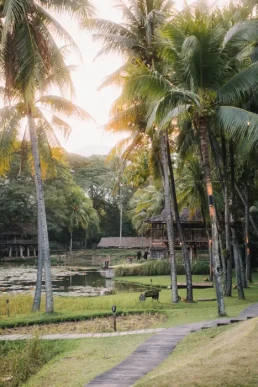
How to plan a Krabi elopement over one or several days
A one-day elopement on the Krabi coast
A one-day Krabi elopement works best when you keep accommodation, ceremony and dinner in the same part of the province. Staying in Tubkaek or Klong Muang allows you to have a slow morning, get ready at your hotel or villa, hold the ceremony later in the day and finish with portraits and dinner by the Andaman Sea without spending hours travelling between locations. If Railay is central to the experience, I recommend staying on the peninsula the night before. This removes the pressure of relying on a boat transfer on the wedding day and gives you more freedom to explore Railay and Phra Nang at quieter times.
A two or three-day Krabi elopement with an island experience
For me, this is where an elopement in Krabi Province becomes much more than a wedding day. The first day can remain intimate and simple, with preparation, vows and dinner around Tubkaek, Klong Muang or Railay. A second day can then be dedicated to actually experiencing Krabi together: taking a private longtail boat into the Andaman Sea, swimming, exploring limestone islands or spending time around the Hong Islands, Ko Poda or Thale Waek. A third day can be deliberately slower, with breakfast, kayaking, a walk or simply time together before continuing your trip through Thailand. The aim is not to turn every day into a photoshoot. It is to create a genuine shared experience and let the film follow what naturally happens. I can also help suggest activities and locations that make sense for your route, season and the way you want to experience Krabi.
Experiences that belong in an elopement, not a checklist
Choose what you would genuinely enjoy
A longtail trip brings movement and anticipation, but also engine sound, spray and uncertain landing conditions. Kayaking can be quieter and gives you something natural to do together. A local breakfast, market visit or carefully arranged Ko Klang experience introduces voices, food and ordinary movement, with consent and local coordination. A climb, substantial hike or outer-island trip deserves another day. Cooking together or sharing an unhurried meal may look less ambitious on an itinerary, yet often gives a film more personality.

How to get the best photos and films in Krabi
Use early morning for lower heat and a better chance of space in public places. Protect late-day light from uncertain boats and long drives, especially on the west-facing coast. Midday is usually better for lunch, shade and rest than a long beach portrait session. Most importantly, choose places that give you something to do. Walking from your room, boarding a longtail, choosing food or kayaking creates gestures and sound that cannot be manufactured by adding more viewpoints.
Legal ceremony and travel essentials
Legal or symbolic: two foreign nationals can in principle register a marriage in Thailand, but identity, freedom-to-marry documents, translation, legalisation, witnesses and the district-office process depend on nationality and status. Confirm the current route with your authorities and the chosen Thai district office. A symbolic ceremony in Krabi is simpler for many couples but is not itself a civil marriage.
Places and permits: a famous beach is not automatically a permitted ceremony or professional filming site. Protected areas, public access and venue boundaries need written confirmation.
Travel: Krabi International Airport is the local gateway. Ao Nang, Krabi Town, Klong Muang and Tubkaek are reached by road. Railay needs a final boat crossing, while a Koh Lanta hotel may take several hours to reach. Stay close to the ceremony and send guests the exact transfer, footwear and return plan.
Coordination: a resort coordinator may be enough for a simple ceremony within one property. Independent local planning becomes valuable when you add public sites, boats, outside suppliers, legal paperwork, guests or several days.
Where to stay for a Krabi elopement
For an elopement in Krabi Province, where you stay has a direct impact on the pace of the experience. Railay is ideal if you want dramatic limestone scenery and a feeling of being completely removed from the mainland, while Tubkaek and Klong Muang are better suited to couples who want quieter beaches, resort comfort and easy road access. Ao Nang is the most practical base for restaurants, guests and boat departures, but it is generally busier. For a multi-day Krabi elopement, I usually recommend choosing one main area and building the ceremony, accommodation, dinner and activities around it rather than changing locations constantly. This keeps the experience relaxed and gives you more time to actually enjoy Krabi together.
Best islands to include in a Krabi elopement
The islands around Krabi are especially valuable for a multi-day elopement because they turn the wedding into a real travel experience. Hong Island, within Than Bok Khorani National Park, is one of the most distinctive options for clear water, limestone scenery, swimming and snorkelling. Ko Poda and the nearby Thale Waek area are also easy to include in a private boat day from Ao Nang or Railay, while the Phi Phi Islands offer a more ambitious full-day experience. Rather than using every island as a ceremony location, I prefer to treat these places as part of the story: a longtail boat journey, swimming, lunch, exploring and quiet moments together before or after the ceremony. For couples planning a Krabi Province elopement, this is often what makes a two or three-day celebration feel genuinely different from a traditional destination wedding.
Share your wedding plans and let’s schedule a call
Krabi elopement: your questions
January and February offer the best statistical balance of lower rainfall and fewer rainy days in the Thai Meteorological Department’s Krabi climate normals. December and March can also work well, while any boat plan still needs a weather alternative.
Two foreign nationals can in principle register a marriage in Thailand. The required proof of freedom to marry, translations, legalisation, witnesses and district-office process depend on nationality and personal status, so confirm the current procedure with your authorities and the chosen Thai district office.
No. A symbolic ceremony has personal meaning but does not itself create a civil marriage. Many couples complete the legal marriage at home and hold their vows in Krabi.
Do not assume so. These are public or protected environments, and the exact site may have national-park, venue or commercial-filming restrictions. Obtain written confirmation from the venue or land manager before planning the ceremony or décor.
One day can work in a single area. Plan two or three days if you want a boat trip, Koh Lanta, Railay transfers, guest activities or a slower story without overloading the ceremony day.
Not always. A resort coordinator may be sufficient for a simple symbolic ceremony inside one property. A local planner is useful when the plan includes public or protected locations, boats, outside suppliers, legal registration, guests or several days.
Only when national registration, operator requirements, airspace rules and the specific land or park permission all allow it. Registration alone does not guarantee that a flight is permitted at a beach, island, resort or national park.
Stay in the same area as the ceremony. Choose Railay for a boat-access peninsula experience, Tubkaek or Klong Muang for a quieter road-access coast, Ao Nang for convenience, or Koh Lanta for a slower stay of several days.
International recognition matters to me less as a collection of trophies than as a reason to keep earning the trust behind it. It reflects years of work, travel, encounters and stories that couples have placed in my hands. My responsibility is still the same: to make sincere, personal films without relying on a fixed formula, and to pay attention to the glance, the voice, the light and the edit that allow a wedding to remain alive long after the day.

Featured in
Work featured in French and international wedding blogs and publications known for their carefully curated selections.