Inside the Making of a Story-Driven, Cinematic Wedding Film
The creative process behind our story-driven wedding film collection
By Meryll de Gordon, wedding filmmaker and founder of Gordon Wedding Films, based in Provence, France.
Creating a story-driven wedding film starts with understanding the couple’s history. From there, I develop a narrative direction, plan any meaningful experiences to film, gather personal archives and voices, and document the wedding itself. The final story takes shape in the editing room, where all these elements come together.
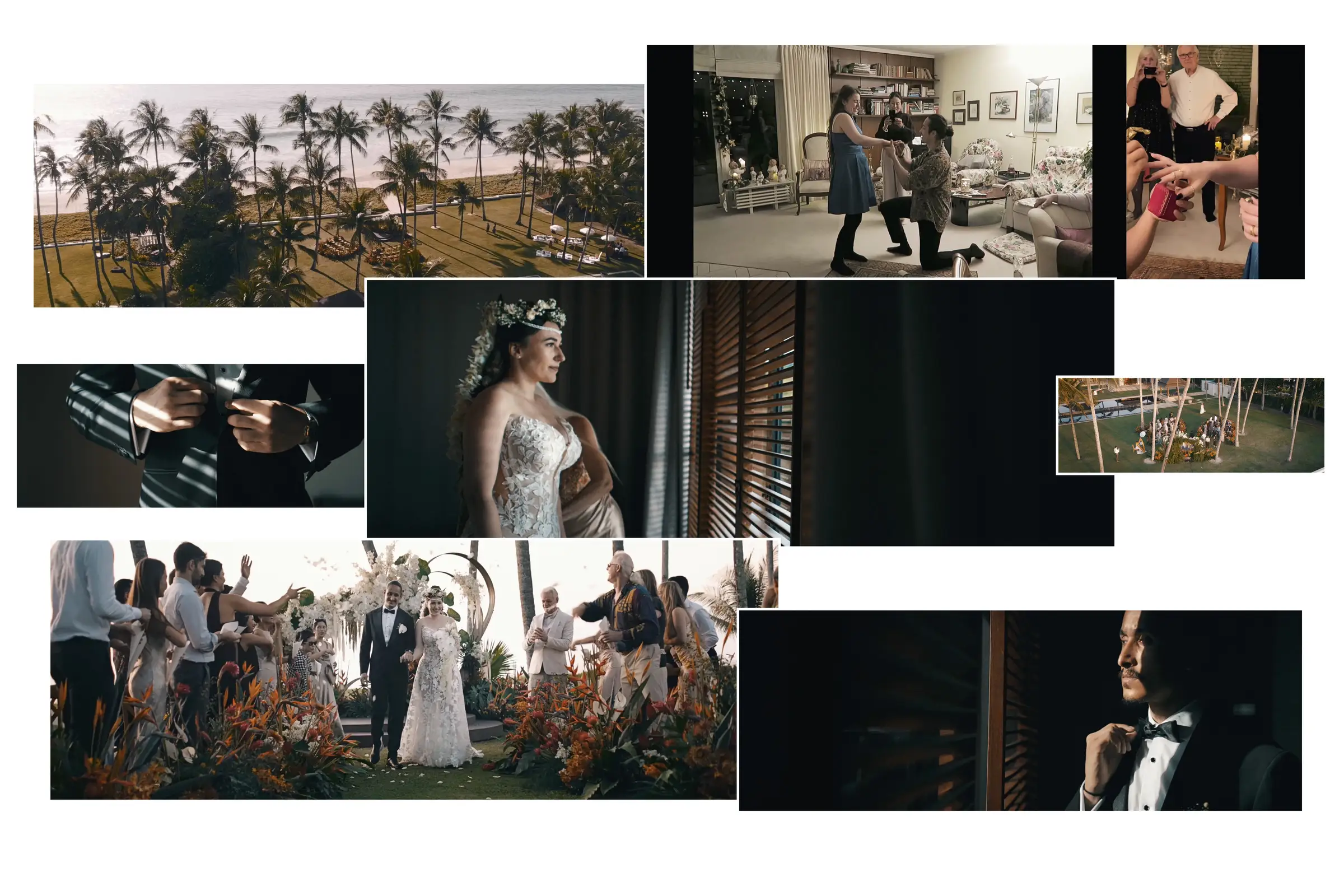
For Sam and Zarah, this meant several months of preparation, personal archives, conversations, experiences filmed across Phuket and, of course, their wedding day. All of this became a film of just over six minutes.
But how do you bring years of memories, different places and several days of filming into one coherent story? And how much involvement does it actually require from the couple? Here is how we approached their film, from the first ideas to the final edit, including the decisions, challenges and creative choices that shaped the result.
Beyond the wedding day
Why we chose to tell Sam and Zarah's story
“We met in Goa, India in 2019 on Zarah’s birthday at the beach. We walked into each other by chance. She was living in Germany at the time while I was in Dubai.
We had a long distance relationship and went on date-adventures to other countries like Georgia and Sri Lanka as we shared our passion for travel, food and a lot of other things. A year later she moved in with me to Dubai and we’ve been living here since.
Last Christmas I proposed to her and we began planning our wedding. We had a few places in mind but Thailand felt like the best place to do it.We really like your filmmaking style and it would be amazing to have you film our special moments.” | Email inquiry
A traditional wedding film generally focuses on the wedding day itself, including the preparations, ceremony, speeches and party. A story-driven film can explore the people and experiences that brought the couple to that day.
What I discovered
When Sam and Zarah first contacted me, they were mainly looking for someone to film their wedding in Thailand. As we started talking, I discovered that their relationship had taken them through several countries and very different chapters of their lives. They had met by chance on a beach in Goa, on Zarah’s birthday. Music played a part in their first connection. Their relationship continued long-distance between Germany and Dubai, with trips to places such as Georgia and Sri Lanka, before they eventually built a life together in Dubai.
What I proposed
By the time they arrived in Thailand for their wedding, there was already an entire story behind the celebration. I suggested creating a film that would bring some of that history into the present, rather than concentrating exclusively on the wedding day. They loved the idea. This gave the project a different direction. Instead of treating the wedding as the beginning of the film’s story, I could treat it as the destination of a journey the audience would gradually discover.
The distinction matters. Viewers wouldn’t simply watch two people getting married. They would begin to understand something about the people themselves, the life they had built and why the celebration meant so much. For a broader explanation of this approach, I describe how I create wedding films with storytelling in a separate guide.
How does a filmmaker discover what really matters to a couple? Through conversations, questions and time spent understanding their personalities before thinking about cameras or locations.
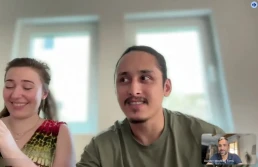
Sam and Zarah contacted me approximately three and a half months before their wedding. We arranged three video calls and continued exchanging messages during the preparation. Our conversations covered their history, their personalities, their travels, the experiences they enjoyed together and the people who mattered to them. I was interested in the details that might seem insignificant at first. The things they did together, what made them laugh, the experiences they remembered and the way they described each other. Some of those details eventually became central to the film. For example, knowing about their shared experience with Muay Thai and Sam’s interest in motorcycles gave me ideas that would never have emerged from looking at wedding venues in Phuket.
We worked through three stages of story preparation before the cameras started rolling. The objective wasn’t to write dialogue for them or decide exactly how every scene would unfold. It was to identify a direction for the film and consider which experiences, images and voices might help tell their story. This preparation also helped me distinguish between something that would look attractive on screen and something that would actually contribute to the narrative.
I could then propose ideas that belonged to their personalities rather than asking them to fit into a conventional wedding-film concept. You can explore the wider preparation and production process on the experience page.
Getting to know the couple
Where the storytelling begins
How much involvement does a story-driven wedding film require?
You don't need to act, but if you want to, that's fine too!
One of the concerns couples can have about storytelling is whether they will need to act, perform or talk about their feelings in front of a camera. The answer is no. A narrative wedding film can be built in different ways, depending on how comfortable the couple feels and what they want to share.
During our preparation, Zarah explained that speaking openly about her emotions on camera didn’t come naturally to her. That was important information. I didn’t want her to feel that creating a meaningful film required her to deliver an emotional performance. We discussed several possibilities, including a quiet conversation together and the use of recorded voices. Sam was comfortable recording part of their story as a voiceover.
This gave me another way of introducing their history without asking both of them to explain everything directly to the camera. The film could also draw on their vows, wedding speeches, personal archives and the interactions captured during our time in Thailand. The same principle applied to the activities. I could suggest a setting, explain what we might film and offer direction when necessary, while leaving Sam and Zarah free to experience the moment naturally. There’s a difference between preparing the conditions for a scene and asking a couple to pretend to feel something.
Storytelling can involve memories and personal subjects that couples don’t necessarily want to share with everyone.
Before filming, we discuss which parts of their story they feel comfortable including and which should remain private. That also applies to personal archives, recorded messages and any material that involves other people. The creative process should respect those boundaries. A couple doesn’t need to share every detail of their history to make their film meaningful. Sometimes a short conversation or a small gesture communicates much more than an intimate confession. You can also hear how other couples experienced this approach in their client experiences.
Turning personal experiences into cinematic scenes
For Sam and Zarah, I proposed several experiences outside the wedding day. They weren’t selected simply because Phuket offered beautiful locations. Each one had a different role in the film, both in what it revealed about the couple and in the rhythm it could bring to the narrative.
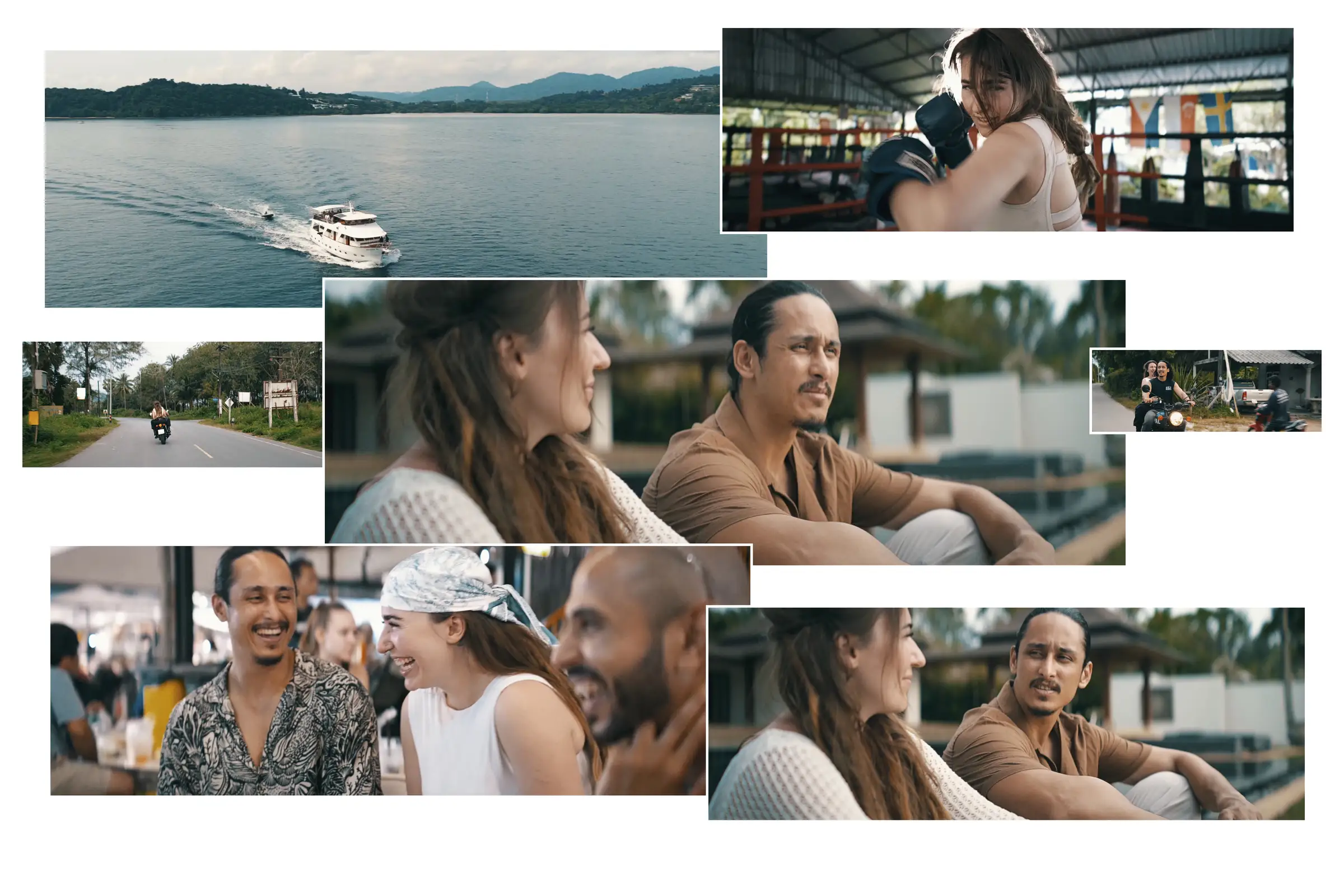
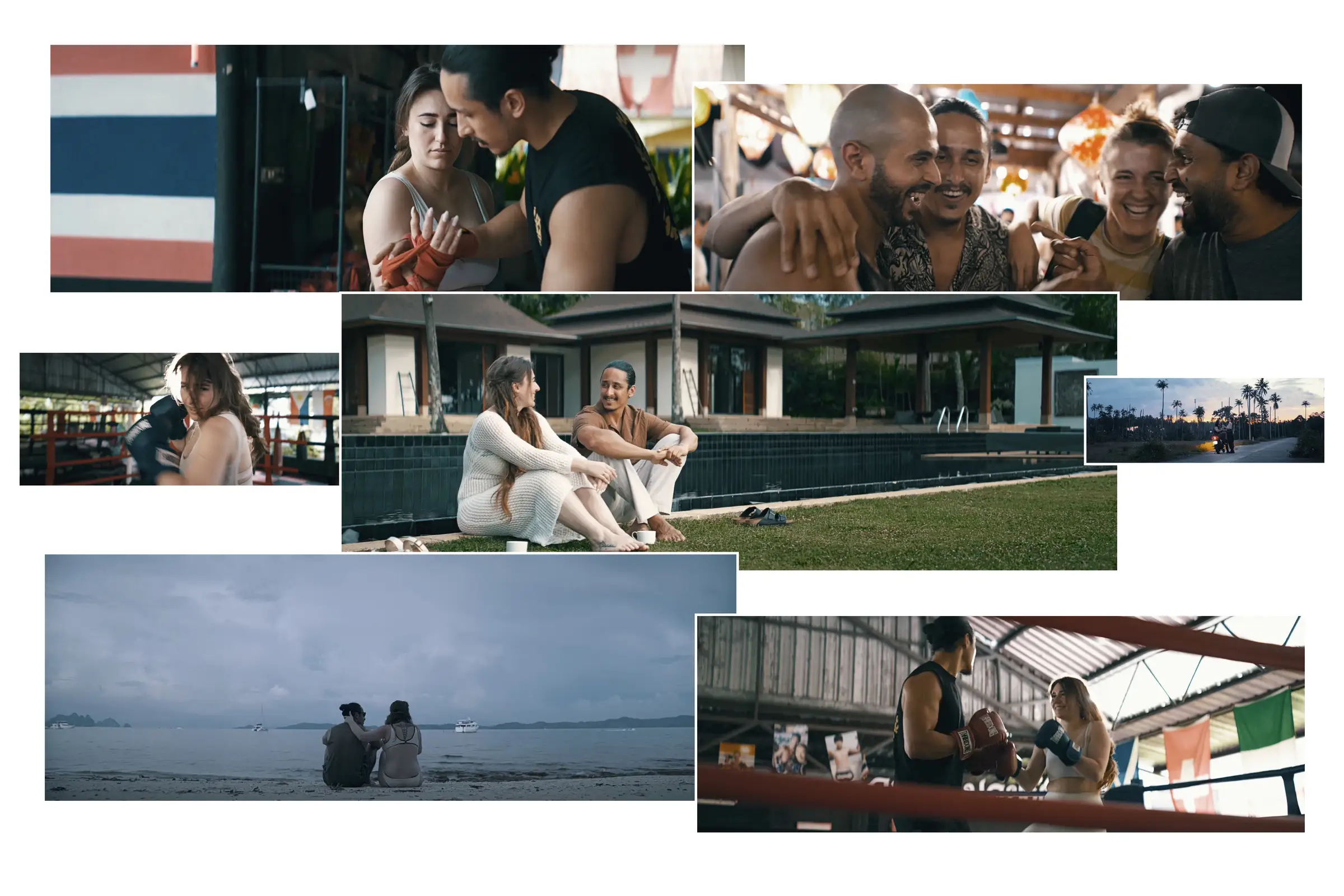
The Muay Thai session
Introducing their personality through action
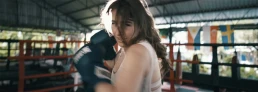
Both Sam and Zarah had practised Muay Thai when they were younger. It was therefore an activity connected to their personal history rather than an experience invented for the camera.
In the film, the Muay Thai sequence provides an energetic opening. This is an important narrative choice. Rather than immediately explaining where the couple met or beginning with a romantic wedding image, the audience encounters movement, energy and a playful side of their relationship. It offers a first impression of their personalities before the film begins to reveal their history.
The training environment also creates a very different visual language from the wedding itself. The movement, physical interaction and pace introduce a more dynamic tone. That contrast becomes useful later, when the film moves into quieter and more emotional moments.
The motorbike ride
Bringing movement into the story
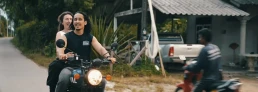
Motorcycles are part of Sam’s interests, so filming a ride around Phuket felt connected to his personality.
These scenes also offered something useful cinematically: movement through the landscapes. The road, the surroundings and the feeling of travelling helped connect the couple’s experiences in Thailand with a relationship that had already taken them across different countries. The motorbike footage gives the film momentum and a sense of freedom.
It isn’t simply a collection of scenic shots. It provides another way of showing how travel and shared experiences belong to Sam and Zarah’s life together.
The boat trip
Creating space for quieter moments
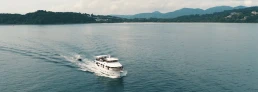
A private sunset cruise offered a completely different atmosphere.
After the energy of the training and the movement of the motorbikes, the boat provided time for calmer images, conversation and moments together. This contrast is important in a short film. If every sequence has the same energy, it becomes difficult to create a sense of progression. Quieter moments allow the audience to spend time with the couple and give the more emotional parts of the story space to develop.
The experience also had value beyond the filming. Sam and Zarah were enjoying an evening together, not simply participating in a production.
The night market
Bringing their friends into the narrative

The night market introduced another side of the relationship.
Food, travel and spending time with friends were important parts of their experience in Thailand. Filming an evening together gave the story a more social dimension. These scenes helped move beyond the idea that a wedding film must focus exclusively on romantic moments between two people. The relationship also exists through friendships, shared experiences and the people who have followed the couple through their lives.
Visually, the night market offered another contrast, with its evening atmosphere, lights, conversations and movement. Together, these four experiences provided different narrative possibilities: energy, freedom, intimacy and friendship. Another couple might choose completely different activities, or none at all. I could have suggested dozens of activities in Phuket. But there was no point filming something that didn’t feel like Sam and Zarah.
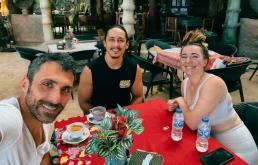
BTS
Some of the fun moments we shared behind the scenes
Planning multiple filming days without taking over the wedding
Does a storytelling wedding film require several days of filming? Not necessarily. Some stories can be told entirely during the wedding day, while others benefit from additional experiences before or after the celebration. For couples extending their celebrations, multi-day wedding coverage can also help preserve the wider experience with their guests.
For Sam and Zarah, the project involved approximately three and a half days of filming, spread across their stay of around a week and a half in Thailand. This didn’t mean asking them to spend three and a half full days performing for the camera. The filming included their chosen activities, moments around the villa, conversations and the wedding celebrations. Some sequences required dedicated time, while others happened naturally as part of experiences they already wanted to enjoy.
The preparation was important because several locations and activities needed to fit around their stay. I considered travelling distances, available light, the timing of the experiences and the schedule established by the wedding planners. The boat trip, for example, needed to work around sunset. Other activities had their own practical constraints. We also needed to preserve the time Sam and Zarah wanted to spend with their families and friends.
By filming some narrative sequences before the wedding, I already had material that showed them outside the formal celebration. This meant I didn’t have to rely on creating additional scenes during their wedding day. During the wedding itself, my priority remained documenting what was happening, from the intimate moments to the larger celebrations. A storytelling film should add something to the wedding experience, not take the experience away from the couple. If you are planning an extended celebration abroad, my destination wedding weekend guide explores how to balance activities, guest time and the wedding itself.
Even with detailed preparation, a wedding can’t be directed like a conventional film production.
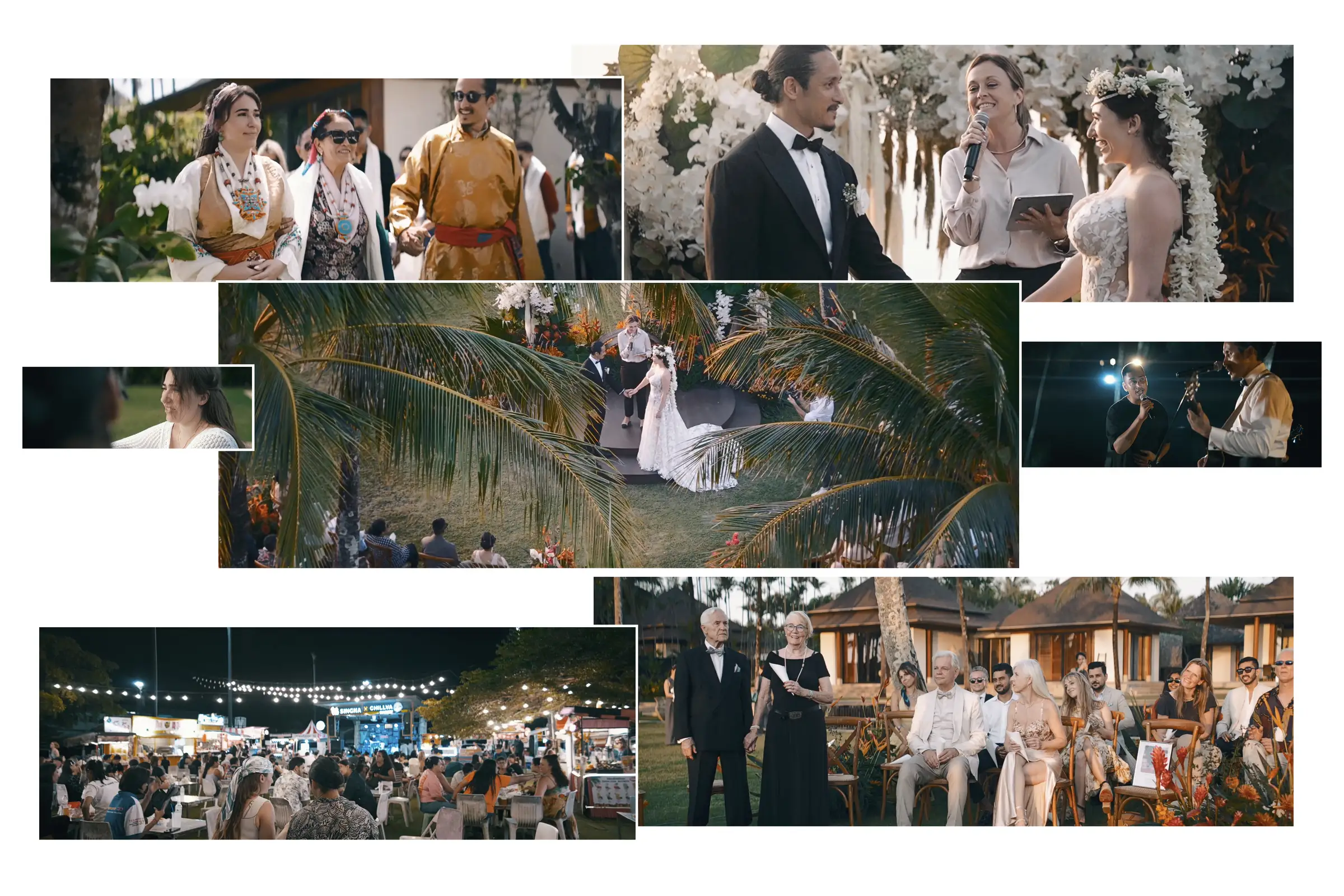
Schedules change, locations present unexpected restrictions and some moments develop differently from what was imagined. Several things changed during Sam and Zarah’s stay in Thailand. The timing of the ceremony rehearsal evolved. A private family ceremony became part of the wedding morning. Some planned aerial shots couldn’t be filmed at the venue. And a conversation we had prepared developed differently from our initial expectations. Each situation required us to adapt.
Aerial images can help establish a location and communicate its scale, especially in a destination such as Phuket. However, some of the drone footage I had considered wasn’t possible at the venue. This is precisely why I don’t want a narrative to depend on one particular shot.
We already had different ways of showing the surroundings: the roads, the sea, the villa and the places Sam and Zarah experienced throughout their stay. Those environments could still establish the setting and give the film a sense of place. The important question wasn’t how to recreate an unavailable drone shot, but whether the story still had the visual material it needed.
The private family ceremony required a different approach.
It was a personal moment, and its significance mattered more than creating a visually elaborate sequence. My role was to adapt to the schedule and document it sensitively, without interrupting the experience. This is one of the essential differences between making a wedding film and directing a fictional production. I can prepare ideas, anticipate situations and guide selected scenes, but I can’t control the emotions or events of a wedding.
Nor would I want to. The preparation gives me a direction. When something changes, understanding the couple’s story helps me decide what remains essential and what can be adapted or abandoned.
Adapting the story when things don't go as planned
Bringing personal memories and real voices into the narrative
One of the challenges of Sam and Zarah’s film was connecting their wedding in Thailand with a relationship that had begun years earlier in another country.
The solution wasn’t to reconstruct their first meeting or try to recreate important memories. Instead, we could use material that already existed. Their personal archives brought earlier periods of their lives into the film. These images allowed the audience to see parts of their history that I could never have captured during the wedding.
Sam also recorded part of their story in his own voice. His voiceover offered a way of connecting those memories with the images filmed in Thailand. It could provide context about their relationship without turning the film into a chronological explanation of every event. The wedding brought other voices into the narrative through the vows and speeches. These different sources don’t all serve the same purpose.
A voiceover can introduce a memory. An archive image can give it a visual presence. A wedding speech can offer another person’s perspective. A spontaneous exchange can reveal something about the couple without any explanation. In the edit, I had to decide when to let Sam tell the story himself, when to bring in the archives, and when the images were enough on their own. For couples considering a similar film, archives can take many forms: old videos, phone recordings, photographs, letters or audio messages.
They don’t need to be professionally recorded. Their importance comes from the memory they contain. Such material can also help represent people who can’t attend the wedding or preserve the memory of relatives who have passed away, when the couple wishes to include them. For Sam and Zarah, the archives and recorded voices helped connect their past with the celebration taking place in Phuket.
Building the story in the editing room
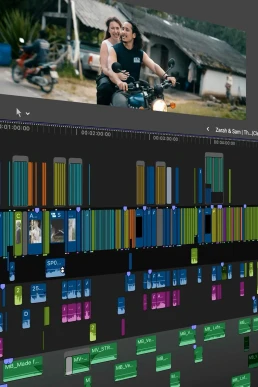
A look inside my editing timeline for Sam and Zarah’s wedding film, where I brought together their personal archives, voiceover, wedding speeches and footage from several days in Thailand.
This is where the different elements of the production finally become one film.
By the time I began editing, I had footage from several days, different locations and different kinds of experiences. There were wedding images, personal archives, spoken memories, vows, speeches and scenes filmed specifically for the narrative. Simply arranging everything chronologically would have produced a record of the experiences we had filmed.
But that wasn’t the objective. The challenge was to find a structure that would gradually reveal Sam and Zarah’s relationship while maintaining the rhythm of a short film.
The film opens with the Muay Thai sequence.
Chronologically, their relationship began years earlier in Goa. But beginning the film with that information would have created a very different introduction. The Muay Thai opening allows the audience to encounter the couple through energy and action before learning the details of their story. It raises curiosity rather than immediately providing an explanation.
The film can then introduce the history behind their relationship through the voices and archives. This creates a distinction between the order in which events happened and the order in which the audience discovers them.
A narrative edit doesn’t need to follow the order in which the footage was recorded.
In Sam and Zarah’s film, the experiences in Thailand and the memories from their earlier lives can appear alongside one another. This allows the viewer to move between the couple’s present and their past without treating each period as a separate chapter. The wedding itself appears throughout the film and gradually takes on greater meaning as more of their history is revealed.
A voice, an archive image or a few seconds of footage can change the way the audience understands the images that follow. The important work is deciding when that information should appear. If everything is explained too early, the film can lose its sense of discovery. If too much information is withheld, the audience may struggle to understand the relationship between the different scenes.
The edit needs to find a balance between clarity and emotion.
Several days of filming create much more material than a six-minute film can contain.
This makes selection one of the most important parts of the process. A scene can be visually beautiful without necessarily helping the story. Another may be less spectacular but reveal something important about the couple.
The same applies to voices. A few words from Sam’s recording or a short passage from a wedding speech may communicate what an entire scene would otherwise need to explain. The objective isn’t to include every meaningful memory or every beautiful image. It’s to find the combination that makes the story understandable and gives the audience an emotional connection to the people on screen. For Sam and Zarah, the final film runs just over six minutes.
That duration was enough to introduce their history, reveal several sides of their personalities, include their wedding and create a sense of progression without turning the film into a biography.
The film eventually returns to the energy introduced at the beginning.
This creates a connection between the opening and the ending. The audience now understands more about the couple than it did during those first moments. The same energetic qualities can therefore be experienced with a different perspective.
This is one of the advantages of developing a narrative rather than simply assembling the best moments of a wedding. The film has a beginning, a progression and a conclusion shaped by the people at its centre.
How music, sound design and colour create a cinematic experience
Cinematic storytelling isn’t simply about using certain lenses, camera movements or colour grades. The way images, voices, music and natural sounds work together has an enormous influence on how the story is experienced.
Music should follow the personality of the film
Sam and Zarah’s story contains different kinds of energy.
There’s the physical movement of the Muay Thai session, the freedom of the motorbike rides, the quieter atmosphere of the boat trip and the emotion of the wedding. Using one consistent emotional tone across all these scenes would reduce some of those contrasts. The musical approach needs to leave room for those changes.
An energetic scene may benefit from a strong rhythm. A personal memory may need more space. A spoken passage may be more powerful when the music becomes less prominent. The objective isn’t to make every moment emotional. A cinematic wedding film can be playful, humorous, energetic or understated. Those qualities should come from the couple rather than from a predefined wedding-film style.
The experiences we filmed in Thailand offered distinct sound environments.
A Muay Thai gym has its own physical intensity. A motorbike ride offers movement and mechanical sound. A night market has people, conversations and a constantly changing atmosphere. These sounds provide possibilities beyond the soundtrack.
During editing, sound design involves deciding what the audience should hear, which sounds deserve emphasis and when music or dialogue should take priority. Natural sound can help establish a location or make a moment feel immediate. It can also create a bridge between two scenes that were recorded at different times.
The aim is to make the transitions feel intentional while preserving the character of each experience.
Sam and Zarah’s film moves between very different lighting conditions and locations. There are interiors, roads, the sea at sunset, a night market, the villa and the wedding venue.
The colour work helps establish continuity between these environments without making them look identical. For me, consistency doesn’t mean applying exactly the same visual treatment to every scene. The atmosphere of a night market should remain different from the softness of a sunset or the intimacy of a private ceremony.
The personal archives also have their own texture. Rather than completely removing that difference, it can be useful to preserve the feeling that these images belong to another time. The objective is a film that feels visually coherent while allowing each part of the story to retain its character.
What makes this level of storytelling different?
A narrative wedding film requires work that isn’t always visible in the finished images.
For Sam and Zarah, the project began months before the wedding. It involved conversations, story development, researching locations, preparing activities and coordinating several filming days. The editing then required bringing together footage recorded across different locations and times, personal archives, voiceover, vows and speeches.
That additional preparation and postproduction can influence the budget. Does a story-driven wedding film always cost more than a traditional wedding film? The answer depends on the production. Additional filming days, travel, specific activities and a more involved narrative edit can increase the resources required.
But not every story needs several days of filming or an extensive production. Some couples already have everything needed within their wedding celebrations: personal vows, meaningful speeches, family interactions and moments that naturally reveal their relationship.
Others may want to develop the experience further, as Sam and Zarah did. My role is to identify what would genuinely contribute to the film and develop a proposal around the couple’s expectations, the story and the celebration itself. If you are comparing different filmmakers, my guide on how to choose a destination wedding videographer explains what to consider beyond the headline price.
The result for Sam and Zarah is more than a collection of memories from Thailand.
Their film preserves where their relationship began, the countries and experiences that shaped it, their personalities and the people who surrounded them when they married. Years from now, they will be able to rediscover those moments, hear familiar voices and remember who they were at that particular time in their lives. Their children may also discover parts of their parents’ history through the film: where they met, the experiences they shared and the journey that eventually brought them to their wedding.
That’s the aspect of storytelling I find particularly meaningful. The film becomes a record not only of what happened, but of the people, relationships and memories behind the celebration. And every couple has a different story to preserve. You don’t need to arrive with a script, prepare a list of activities or feel comfortable speaking in front of a camera. The process begins with a conversation about what matters to you.
From there, we can decide together how much of your story you would like to tell and what kind of film would best reflect your personalities. You can also explore my press features and interviews to learn more about my work. Explore more films on the Gordon Wedding Films homepage, discover my Narrative Wedding Film Collections, or schedule a conversation about your wedding.
A film that becomes more meaningful with time
Yes. Two people rarely remember every detail in exactly the same way, and those differences can make a story feel more personal. We can explore both perspectives through conversations, vows or recorded voices, then decide together which memories feel appropriate to share.
A family member or close friend can bring another perspective to your story. Their voice might introduce a memory, explain a family tradition or connect different generations. We can discuss how to record their contribution and whether it suits the narrative, with their permission.
Can we film part of our story in a meaningful location before travelling to our wedding destination?
It can be possible to film in a place that matters to you, even if it is far from your wedding venue. A hometown, first meeting place or family home might add something personal. This would require separate planning and, depending on the location, additional travel and production costs.
Yes, if the object carries a genuine connection to your relationship. A letter, photograph, piece of jewellery or inherited item can link moments and generations through the film. The idea is to let its meaning emerge naturally, rather than forcing the entire story around a visual symbol.
A surprise can be considered during preparation, such as a personal message or a contribution from someone close to you. We would plan the recording discreetly and decide when it should be revealed. The surprise should remain comfortable for everyone involved and respect what each person wants kept private.
Please tell me as early as possible so we can discuss how to respect their wishes while documenting the celebration. We can plan our filming approach around known preferences, although completely excluding someone from every wide or group shot may require additional coordination.
A private film and a separate shareable version may be possible if discussed as part of the project. For example, a public edit could leave out selected personal material. Because this involves additional editing and delivery, the scope, feasibility and any extra cost should be agreed in advance.
Tell me as soon as you can. If the edit has not been finalised, we can consider whether an archive, photograph or recorded message could bring that memory into the story. After delivery, incorporating new material may require additional editing and would depend on what is technically and contractually possible.
Frequently asked questions about story-driven wedding films