

How to Plan a Destination Wedding Weekend
A practical guide for international couples planning a wedding weekend
By Meryll de Gordon, destination wedding filmmaker
I’m Meryll de Gordon, a destination wedding videographer based in Provence. I film weekend weddings in France, Italy, Thailand and beyond, often for couples travelling from the US, the UK or Asia. My approach is documentary and cinematic, capturing not only the wedding day, but the people, conversations and shared experiences that unfold around it, from welcome dinners and boat trips to pool parties, local activities and the final brunch.
Turning a wedding into a shared experience
Why more couples are choosing a destination wedding weekend
For many couples, the reason to stretch a destination wedding over several days is simple: it gives everyone time to arrive, settle in and actually enjoy the place. Guests have often travelled a long way, sometimes from several countries, and a single wedding day can feel very short compared with the journey it took to get there.
A destination wedding weekend changes that. You can welcome people over dinner, spend a few hours together by the sea or in the countryside, celebrate the wedding without trying to fit everything into one day, then meet again the next morning for brunch or a swim.
You may also see this described as a multi-day destination wedding. The idea is not to fill a schedule from morning to night. The best weekends leave room for people to rest, explore, talk and enjoy the destination in their own way. My name is Meryll, I’ve been filming wedding for over 12 years across the globe, this guide looks at how to build that kind of weekend: how many days to plan, which events are worth hosting, how much free time to leave, what activities work well, where to base everyone, and which parts of the weekend are worth filming.
Destination weddings already ask more of guests than a local wedding. People take time off work, book flights, arrange childcare and often turn the trip into a short holiday. It makes sense that couples want the celebration to feel worth the journey.
The Knot’s 2026 Real Weddings Study reported that 17% of the US weddings in its latest study were destination weddings, while its wider research continues to show how important the guest experience has become. Vogue has also published a dedicated guide to the wedding weekend, and Wedding Sparrow recently described the growth of extended celebrations across Europe.
The same shift is visible in France. Planners in Provence and on the French Riviera now openly specialise in wedding weekends, with welcome dinners, vineyard visits, boat trips, pool parties and day-after events built into their planning services.
Three days is a good average for a destination wedding weekend, although I regularly film celebrations lasting from two to five days or more. A simple structure is a welcome event, time to enjoy the destination, the wedding itself and, when it makes sense, a relaxed brunch or final gathering.
- Typical length: around 3 days, but 2 to 5 days or more is completely possible
- Best rhythm: one or two meaningful moments per day, with real free time between them
- Guest experience: keep transfers simple and make secondary activities optional
- Film coverage: focus on reunions, conversations, shared experiences and human connections rather than filming continuously
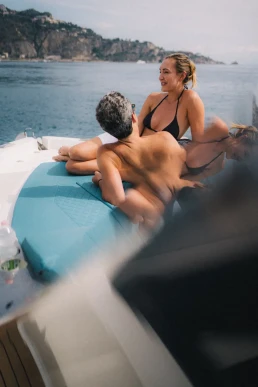
What is a destination wedding weekend?
A destination wedding weekend is a wedding celebration spread over several days rather than concentrated into one ceremony and reception. The wedding day is still the main event, but it sits inside a wider trip shared with family and friends. A typical weekend might include:
- Welcome drinks, a casual dinner or a rehearsal dinner
- The wedding day itself
- Different local activities, such as a boat trip, vineyard visit, beach afternoon or village lunch
- A farewell brunch, pool party or relaxed lunch the day after
For some couples that means Friday to Sunday. For others, especially when guests are flying from the United States, Australia or Asia, four days makes more sense because people need time to recover from the journey.
The biggest difference is not the number of events. It is the amount of time you get with people.
On a traditional wedding day, everything moves quickly. You are getting ready, greeting guests, moving through the ceremony, dinner, speeches and party, and suddenly the night is over. A longer celebration gives you other moments in which nothing important has to happen.
Friends can meet before the ceremony. Families have time to talk properly. You can spend an afternoon at the pool without checking the clock every ten minutes. The wedding day itself often feels calmer because it no longer has to carry the whole experience.
It also lets the destination play a real part in the celebration. If you have chosen Provence, Sicily, Phuket or Corsica, it is a missed opportunity to bring everyone there and never really leave the wedding venue.
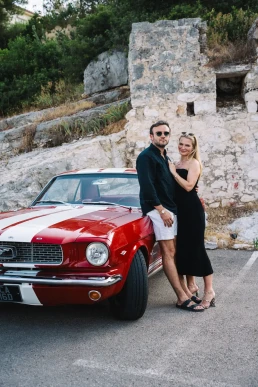
A 5-Day Wedding Weekend in Thailand with S&Z
Over 5 days, I followed Sam and Zarah through their wedding experience in Thailand, capturing everything from Muay Thai and motorbike rides to a sunset cruise, a Buddhist ceremony and the time they shared with their closest friends and family.
Enjoy an experience, not a schedule
Before planning a welcome dinner, boat trip or brunch, decide what you want the weekend to feel like.
Some couples want everyone together in one private estate for three days. Others prefer a hotel or resort where guests can come and go, book their own plans and meet for a few important events. Neither approach is better. They simply create very different weekends. A few useful questions are:
- Do we want people together most of the time, or do we want them to have plenty of independence?
- Do we want the weekend to feel elegant and formal, relaxed and outdoors, or different from one day to the next?
- What would we genuinely enjoy doing in this destination if there were no wedding involved?
- How far are we comfortable asking guests to travel once they have arrived?
- Which events do we really want everyone to attend, and which can be optional?
This usually leads to a better weekend than starting with a list of things you feel you are supposed to organise.
- Before the wedding: One to three video calls to understand your plans, the people who matter to you and the experience you want to create. Together, we identify the moments worth filming across the different days. When there is a planner, I coordinate with them directly. If you want your personal story to be part of the film, you can tell it to me or write it in your own words, and I take care of shaping the narrative.
- Two approaches: A refined documentary-style film built around the people, atmosphere and moments as they naturally happen, or a more immersive narrative film that weaves your personal story, voices and relationships throughout the wedding weekend.
- Several days, selected moments: A wedding weekend does not mean filming continuously for three or four days. Coverage is built around the moments that add something to the story: a welcome dinner, boat trip, pool party, rehearsal dinner, time with family and friends, the wedding day itself and a relaxed brunch or activity afterwards.
- Your films: A cinematic teaser telling the story of the whole wedding weekend, with or without your personal story woven into the narrative, a 15-minute wedding film, and, if you wish, separate films of the ceremony and speeches.
A simple 3-day wedding weekend itinerary
Day 1: arrival and welcome
Give people time to check in before the first event. For long-haul guests, an early evening start is usually easier than expecting everyone to be dressed and social a few hours after landing. The first evening can be very simple: drinks on a terrace, pizza in the garden, dinner at the venue, or a welcome party by the sea. It does not need the same level of production as the wedding day. Its job is simply to bring everyone together.
Day 2: enjoy the destination
This is where a wedding weekend becomes more than a wedding with an extra dinner. Depending on where you are, you might arrange a short boat trip, spend the afternoon at a beach club, visit a market, have lunch at a vineyard, take a cooking class, walk through a village, book a spa morning or simply keep the pool open for anyone who wants to join. I would keep this part intentionally light. A two or three hour activity followed by several hours of free time is often enough. People should still have time to sleep, change, see friends and enjoy the place without following a timetable all day.
Day 3: the wedding
Keep the wedding day as simple as possible logistically. If the ceremony, dinner and party can happen on the same property, that usually makes the day easier for everyone. If guests were out late the night before, a later ceremony can also work well. The important thing is to make food, transport and timings clear so nobody has to work things out on the day.
Optional Day 4: brunch, pool or one last lunch
The day after is usually best when it is relaxed. A brunch with an open arrival time, a pool lunch or a final afternoon by the sea lets people say goodbye without another formal programme. Some guests will leave early. Others will stay for another day or two. That flexibility is part of the appeal.
Activities that are worth adding
The best activity is usually the one that feels obvious once you are in the destination. It should not feel like entertainment added because there is a gap in the programme.
By the sea
A short sail, a yacht afternoon, a beach club, a swim or a sunset drink can work beautifully on the French Riviera, in Corsica, Sicily, Phuket or Koh Samui. For larger groups, check access, boarding, shade, sea conditions and return transport before making it a central event.
Food and wine
In Provence or Tuscany, a vineyard lunch or tasting can be more memorable than another formal dinner. A market visit, cooking class or long regional lunch can also introduce people to the place without asking much of them physically.
Slower experiences
A village morning, pool afternoon, picnic, spa session or breakfast together can be just as valuable. These are often the moments when people actually talk, especially if the guest list mixes different families, countries or groups of friends.
One good activity is enough. I would rather see a couple choose one experience everyone will remember than fill the weekend with five things nobody has time to enjoy.
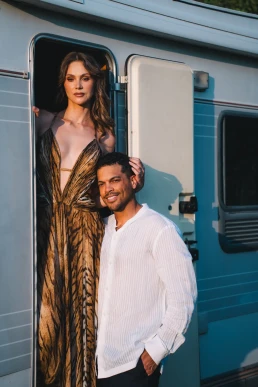
L&M’ 3-Day Wedding Weekend in Tuscany
How I can help you shape the experience
Turning your wedding weekend into a complete experience
I am not a wedding planner, and I do not replace one. The planner handles suppliers, contracts, transport, accommodation and the operational side of the weekend.
My role can still begin well before I arrive with a camera. Because I often work on destination wedding weekends, I can help couples think through which activities are worth including, when they might work best, and which parts of the programme will add something different to the film.
For example, a sunset boat trip may look perfect on paper but leave everyone rushing back to change before dinner. A simple lunch close to the hotel may give you more time with your guests and better moments than sending everyone an hour away for a more spectacular backdrop. Sometimes it means choosing an activity connected to your story as a couple, such as returning to a place that matters to you or sharing something you have always enjoyed doing together. It can also be as simple as moving a walk to sunset, so you can enjoy the end of the day at a slower pace while giving the film more beautiful natural light.
When useful, I can help with ideas for the day before or after the wedding, especially when the goal is to make the most of the destination without turning the weekend into a production.
The best destinations for a wedding weekend
Where the whole multi-day wedding comes together
A good wedding weekend destination needs more than a beautiful ceremony location. It also needs reasonable access, enough accommodation, manageable transfers and things people can enjoy between the main events.

Provence
A wedding in Provence works particularly well when the venue can become the base for the weekend. A private estate, bastide, vineyard or château lets people stay close, meet around the pool and move easily between meals and events.
Outside the venue, there is plenty to build around the wedding: a village market, a vineyard lunch, a tasting, a walk through a hilltop village, a picnic or simply an afternoon by the pool. The region suits couples who want the days to feel relaxed rather than constantly scheduled.
The French Riviera
The French Riviera has a very different energy. Nice, Cap-Ferrat, Èze, Antibes, Cannes, Monaco and Saint-Tropez can work well for couples who want the sea, hotels, restaurants and a more social atmosphere.
A boat day, beach club lunch, coastal dinner or slow morning in town can fit naturally around the wedding. The main thing to watch is traffic. In high season, a short distance on the map can take much longer than expected, so keeping the weekend in one part of the coast makes a real difference.
Corsica
Corsica is ideal when the trip itself is part of the appeal. Beaches, mountains, quiet coves and small villages give you several completely different settings without needing a large programme.
A boat day or beach lunch can sit naturally before or after the wedding. The trade-off is access. Flights, roads and supplier logistics need more attention than on the mainland, so I would plan the guest journey early.
Italy
Italy gives you several very different ways to build a wedding weekend.
Tuscany: villas, vineyards, long lunches, cooking experiences and easy days around one countryside base.
Lake Como: hotel-based celebrations and boat transfers, with more attention needed around docks and travel times.
Amalfi Coast: spectacular views and great restaurants, but stairs, road congestion and luggage can make logistics harder.
Puglia: masserias, pools, local food and a relaxed four-day format.
Sicily: historic towns, estates, beaches and strong food culture, with longer distances between some locations.
Whichever region you choose, the weekend usually works better when you resist the temptation to move everyone across the map for every event.
Portugal
Portugal works especially well for couples who want to combine a wedding with a few days of travel and shared experiences. Lisbon and Sintra can mix historic venues with city dinners and a day on the coast, while Comporta or the Algarve lend themselves to slower weekends built around the beach, long lunches and time outdoors.
Further north, the Douro Valley can become a completely different experience, with vineyard stays, wine tastings and boat trips along the river. Portugal makes it relatively easy to give each day its own atmosphere without filling the programme simply for the sake of it.
Thailand
Thailand is especially well suited to destination wedding weekends because many guests are already turning the trip into a longer holiday.
Phuket: easy international access, resorts, villas, beaches, restaurants and plenty of boat options.
Koh Samui: a slower island feel that works well for villa and resort celebrations.
Krabi: dramatic coastal scenery and island experiences, with more limited movement between some locations.
Chiang Mai: mountains, gardens, food and cultural experiences instead of a beach setting.
Khao Lak and Koh Yao Noi: quieter alternatives for couples who want the group to slow down.
The right choice depends less on which destination looks most dramatic online and more on how you want your guests to spend the days.
How to choose the right venue and base
When you are planning several days, the venue affects much more than the wedding itself. It becomes part of the way people move, rest and meet.
- Check how long the real transfer takes from the airport, not only the distance.
- Map the hotel, welcome event, wedding venue and brunch before you book everything.
- Make sure there are accommodation options at different price points nearby.
- Look at what guests can do independently without needing a car or group transport.
- Ask exactly what a venue buyout includes: bedrooms, breakfast, pool access, event spaces, sound limits and hours.
It can be wonderful, but it is not essential. Keeping everyone in one estate, villa or resort creates spontaneous breakfasts and poolside conversations and makes transport much easier.
It can also be expensive or impractical for some guests. A good compromise is one main hotel or property, plus one or two nearby options at different budgets, with transport leaving from those points.
Practical tips
#1. Leave real free time
Free time is part of the experience, not an empty space to fill. Guests need time to sleep, swim, explore or simply spend time together. Before the wedding, leave enough room between an activity and the evening event to return, change and get ready without rushing. The morning after usually works better with a flexible brunch than an early start.
#2. Keep transport simple
A 20-minute transfer once is easy. Repeating it several times over three days quickly changes how the weekend feels. Whenever possible, keep accommodation and the main events around the same base, simplify pickup points and think about the return journey before planning an activity. If boats or remote locations are involved, always have a bad-weather or late-night alternative.
#3. Choose activities that mean something
You do not need an activity simply because there is an empty afternoon. Choose experiences connected to the destination or to your story as a couple: a vineyard you love, a boat trip, a cooking experience, a beach afternoon or somewhere you visited together before. These moments usually create better memories than adding another organised event just to keep guests occupied.
#4. Build more time between events than you think you need
Transfers, outfit changes, hair and makeup, people returning to their rooms and simply gathering a large group usually take longer than expected. Avoid building a schedule where one event has to end exactly when the next one begins. An extra 30 or 45 minutes can completely change the pace of the day and allow you to actually enjoy what you planned.
#5. Make it clear what guests are expected to attend
A multi-day celebration becomes easier for guests when they immediately understand which moments are important and which activities are optional. Your wedding website should clearly show the schedule, locations, transport, dress codes and practical travel information. For optional experiences, say so. Guests can then decide whether to join a boat trip or tasting without feeling that they are missing part of the wedding.
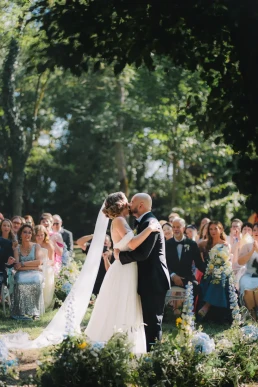
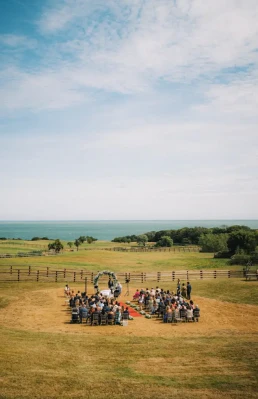
Adelle & James’ 4-Day Krabi Wedding Weekend
4 days in Krabi brought together reunion games, time with friends and family, island hopping, swimming and a party on the water before the wedding day itself. The celebration continued with dinner, dancing, brunch and quieter walks with family, creating a film centred on the connections between people and the experience they shared together.
What should be recorded across the weekend?
Because what matters is capturing the experience you are creating for the people you have brought together
A wedding weekend does not mean having a camera around from breakfast until midnight for three or four days. What matters most is not documenting every setup, but capturing the experience you are creating for the people you have brought together. The most valuable moments are often very human:
- guests seeing each other again for the first time at the welcome party
- conversations, embraces and spontaneous moments between friends and family
- a shared activity that lets everyone experience the destination together
- toasts and exchanges that reveal relationships and personal stories
- quiet time with family before the ceremony
- the wedding day itself, with all the emotion surrounding it
- a slower moment after the wedding that naturally brings the story to a close
Of course, I also film the setting, the details and the atmosphere, but they are there to support the story. The heart of the film is the people, their connections, their reactions and the way they experience the weekend together.
Sometimes two focused hours at a welcome dinner are more meaningful than filming an entire afternoon where very little happens. I prefer to build the coverage around the moments where people genuinely connect, rather than give every day the same number of filming hours.
When I arrive only on the wedding morning, I meet everyone at the most formal point of the weekend. When I have filmed the evening before, I already know who the important people are, how the families interact and which friendships have their own energy.
A boat trip or pool afternoon may show the couple in a completely different way from the ceremony. A welcome dinner may give me conversations that explain the story better than a formal interview ever could. The day after can bring a quieter ending.
That extra context helps me build a film that feels like the trip you actually had, rather than a longer version of a one-day wedding film.
My approach as a destination wedding videographer
I specialise in destination wedding weekends and in filming celebrations that unfold over several days. My approach is documentary: I stay discreet, listen to what people are saying and pay attention to the moments that happen outside the official timeline.
Before the wedding, I want to know why you chose the place, who matters most to you and what you are planning around the wedding day. From there, we decide together what is worth filming and what should simply be enjoyed without a camera.
I also film multi-day destination wedding celebrations when the schedule calls for it, but I do not believe more coverage automatically means a better film. The goal is to have enough context to tell the story without making the weekend feel like a shoot.
How photography and film can work across the weekend
Photography and film work best when they complement each other rather than repeat the same coverage. I always do my best to coordinate with the photographer in advance so we understand each other’s priorities, avoid unnecessary duplication and keep the experience smooth for the couple. A short portrait session in good light is usually enough. At a welcome dinner, pool party or brunch, a documentary approach often makes more sense than repeatedly pulling the couple or their guests away from what is actually happening.
The goal is simple: both photo and film should document the weekend without constantly interrupting it. When the photographer and I are aligned on timing, portraits and key moments, the couple spends less time being directed and more time with their guests, which usually leads to more natural photographs, stronger film moments and a better overall experience.
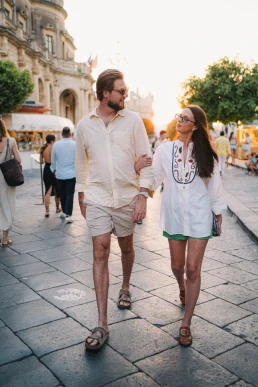
What affects the cost?
The cost of a wedding weekend depends mainly on how many events you host, how many people you invite, whether you buy out a venue, how much accommodation you cover, transport, catering and the activities you include.
You do not need to pay for every optional activity. Some couples host the welcome dinner, wedding and farewell brunch, while guests pay for their own rooms and optional plans. Others cover accommodation for close family or organise one activity for everyone.
The same applies to filming. The wedding day may need full coverage, while the welcome party or day-after event may only need a shorter window. I prefer to build coverage around the actual itinerary rather than assume every day should be filmed in the same way.
Common mistakes to avoid
- Planning too much: If guests need a timetable to remember where they are supposed to be every two hours, there is probably too much on it.
- Making everything feel compulsory: Keep the list of events everyone must attend short. Optional activities should feel genuinely optional.
- Changing location too often: A beautiful venue loses some of its charm when guests spend half the weekend in a coach.
- Forgetting basic comfort: Shade, water, food, bathrooms and easy transport matter more than adding one more impressive activity.
- Leaving no margin between plans: People need time to return to their room, shower, change and be late without breaking the whole schedule.
- Trying to have everything captured: More footage is not the same as more story. Different moments are useful when they bring different people, emotions or settings.
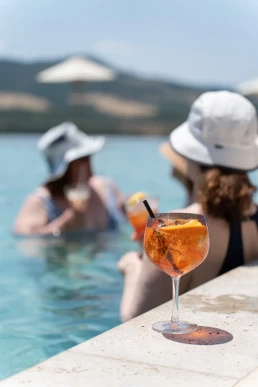
Share your wedding plans and let’s schedule a call
Share your plans for your destination wedding weekend, the places you have in mind and the kind of experience you want to create. We can schedule a call and look at how the different days, activities and key moments could come together naturally.
Destination wedding weekend: your questions
3 days is a good average for many couples: arrival and welcome, the wedding day, then brunch or a slower final gathering. In practice, I film wedding celebrations that last anywhere from 2 to 5 days, and sometimes longer.
For some couples, the story goes beyond the wedding weekend itself. It can include the arrival at the destination, several days of activities, time with family and friends, the wedding, and even part of the journey afterwards. In that case, the film becomes less about documenting a single event and more about preserving the full experience of the trip.
Not if the programme has breathing room. It becomes tiring when every meal and activity has a fixed time and feels compulsory.
Usually, yes. The ceremony and main wedding events are different. A boat trip, tasting, beach afternoon or spa morning is easier for guests when they can decide whether it suits them.
There is no single rule. Couples often host the main wedding events and sometimes the welcome dinner or brunch, while optional activities and accommodation may be paid by guests. What matters most is explaining the arrangement clearly before people book.
Enough that guests can return to their room, rest, explore and get ready without rushing. On an activity day, several unplanned hours between the daytime plan and dinner is a good starting point.
It can make the weekend easier, but it is not essential. One main base plus a few nearby accommodation choices usually works well.
If possible, give guests crossing several time zones at least one full day before the wedding day. Two nights before is more comfortable when the journey is long or includes connections.
For most international celebrations, a planner with local experience is extremely useful because the logistics extend well beyond the wedding day. They can manage suppliers, transport, accommodation, timings and all the small decisions that quickly become difficult to handle from abroad.
If you decide not to work with a full wedding planner, I strongly recommend having at least a day-of coordinator. Their role is essential on the wedding day because they take care of the practical and logistical issues as they happen, allowing you to stay present with your guests instead of dealing with schedules, suppliers or last-minute problems.
For a multi-day wedding, film becomes especially valuable because the story is not limited to the ceremony or the wedding day itself. It lives in the conversations, the reunions, the jokes, the voices, the way families interact and the small moments that happen naturally over several days.
Photography can preserve a gesture or an expression beautifully, but film adds movement, sound and context. You hear what people say to each other, how they laugh, how a parent speaks, how friends reconnect and how the atmosphere changes from the welcome dinner to the wedding day and the final brunch.
This is exactly the kind of celebration I like to document. My approach is not to film everything continuously, but to identify the moments where something meaningful is happening and build the story around the people, their relationships and the experience you have created for your guests.
Yes. I can suggest activities and timings that make sense for the destination and the film, while your wedding planner handles the bookings, suppliers and logistics.
The final price depends on the number of days, the events you want covered, the amount of filming needed each day, the destination and the films you choose, with destination wedding weekend coverage generally starting from €5,600.
A multi-day wedding does not necessarily mean full-day coverage every day. A welcome dinner may only require a few hours, while the wedding day usually needs more complete coverage. Each proposal is built around your actual itinerary, so the coverage reflects the experience you are planning rather than a fixed number of hours.
Being recognised among international wedding videographers is a real honour, but above all I see it as a responsibility: to keep creating films that feel sincere, elegant and personal, without ever falling into a ready-made formula. These awards celebrate years of work, encounters, travel and stories entrusted to me by incredible couples. They remind me why, at every wedding, I look for the honesty of a glance, a voice, a light and an edit that will still feel alive long after the celebration is over.

Featured in
Work featured in French and international wedding blogs and publications known for their carefully curated selections.