

How to Elope in Scotland
A practical guide for international couples planning an elopement in Scotland
By Meryll de Gordon, destination wedding filmmaker
What is an elopement?
An intimate wedding, not a smaller imitation
A modern elopement is an intentionally small and highly personal wedding. It may involve only the couple and two witnesses, or a small circle of close family and friends. It does not need to be secret, spontaneous or last-minute. What defines an elopement is the freedom it gives the couple to shape the day around themselves rather than around a large guest list or a traditional wedding schedule. The ceremony can happen early in the morning or late in the day, followed by a private meal, a walk, an activity or simply time together without pressure.
The focus is less on hosting a large event and more on creating a meaningful experience as a couple, whether the celebration lasts a few hours, a full day or several days.
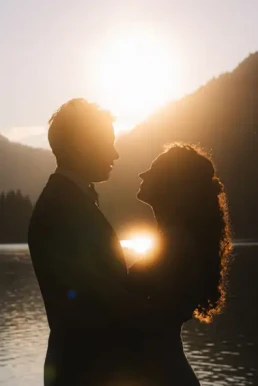
Why elope in Scotland?
Scotland combines genuine ceremony flexibility with remarkably different settings: Edinburgh’s stone streets, the glens of Lochaber, Cairngorm pine forests, Skye’s dramatic rock and sea, and the Atlantic islands. As a destination wedding filmmaker specialising in elopements, I am particularly drawn to places where the landscape becomes part of the experience rather than simply a backdrop. Scotland has a personal connection for me too. I have visited the country several times, speak English fluently and have family roots in the Highlands. That familiarity also helps me understand its practical realities: weather can change quickly, popular viewpoints can become busy, and distances, ferries and boats often shape the rhythm of the day.
The best places to elope in Scotland
Isle of Skye
Choose Skye when the island itself is part of the experience. The Quiraing, Storr, Elgol and Loch Coruisk offer very different landscapes, but distances and changing conditions make it better to stay several nights, focus on one main area per day and keep a land alternative for any boat plan.
Glencoe and Lochaber
Mountains, rivers, lochs and woodland sit within one region, making Glencoe and Lochaber well suited to a shorter Highlands stay. Many locations are relatively easy to reach, but roadside access also brings traffic and visitors, so privacy, timing and sound need some planning.
Cairngorms and Royal Deeside
Pine forests, lochs and broad open landscapes create a quieter, more spacious atmosphere. The area works well for couples looking for nature without the same dramatic tourist pressure as some other Highlands locations, although estates have their own access rules and ambitious mountain plans require local judgement.
Edinburgh and East Lothian
Edinburgh works well for couples who want a more urban elopement without giving up atmosphere. A ceremony, walk through the Old Town, dinner and an evening viewpoint can all fit into one day without hours in the car. East Lothian adds beaches, cliffs and open coastline for a second day, although festival dates, public hills and historic-property rules still need checking.
Argyll, Loch Lomond and the Trossachs
Choose this region for woodland, lochs, small roads and a mix of inland and coastal scenery. Puck’s Glen, Loch Awe and Oban work especially well with a slower itinerary, allowing time for walks, a boat trip or a relaxed meal rather than trying to cover too much ground in one day.
The Outer Hebrides
Harris and Lewis are better suited to a dedicated four- or five-day island experience than a quick visit. Beaches, moorland, mountains and remote roads create a strong sense of place, but ferries or flights, car availability and changing wind conditions mean the itinerary needs generous buffer time.
When is the best time to elope in Scotland?
Choose the compromises you can accept
Late April to May and September to early October offer the best overall compromise for many couples, but no period guarantees dry weather. June brings very long daylight. July and August are normally the warmest and busiest months and overlap with the main midge season in the west Highlands and islands. Winter has short days and suits city or venue-led plans better than a casual list of remote mountain stops.
How many days should you plan?
Two, three or five days serve different plans
2 days
Two days are enough to make the elopement feel like more than a single ceremony. You can arrive slowly, share dinner or a first activity together, then dedicate the following day to the vows and one connected experience such as a walk, a loch, a scenic drive or an intimate meal.
3 days
Three days create a much richer experience and work particularly well in Skye, Glencoe or the Cairngorms. One day can be used to arrive and settle in, one for the ceremony, and another for something completely different: hiking, a boat trip, exploring a village, visiting a distillery or simply spending time together somewhere remote. It also gives useful flexibility if the weather changes.
4 or 5 days
Four or five days allow the elopement to become part of a real journey through Scotland. This works especially well for the Outer Hebrides, ferry-dependent itineraries or couples who want to combine several experiences without rushing. A ceremony, long walks, a boat trip, a remote dinner, a second landscape or even a quiet day together can all become part of the story. More days do not mean continuous filming, but they create more space for genuine moments and a much more complete memory of the experience.
As a destination wedding videographer specialized in elopement weddings, when I prepare an elopement with a couple, I can help turn a list of ideas into a timeline that is possible to enjoy. That can mean choosing a ceremony time around useful light and public access, allowing enough time between places, deciding that two locations are better than five, or moving a boat trip or longer walk to another day. I can also suggest activities that suit your personalities and give the film natural movement, voices and transitions, while the experience itself remains the priority. This is practical and creative support connected to my work as a filmmaker; it does not replace a local planner when permissions, guests or complex logistics require one.
Planning your Scotland elopement
A filmmaker’s perspective
What could a Scotland elopement look like?
A hypothetical three-day Glencoe example
Imagine the finished film beginning with your arrival in the Highlands: winding roads, changing weather, a quiet dinner and the feeling of leaving everyday life behind. The second day becomes the emotional centre of the story, with preparations, vows, a meal and time outside as the light changes across Glencoe. On the third day, the pace shifts again with a walk, a loch, a scenic drive or another experience you genuinely wanted to share together. The result is not simply a film of the ceremony, but the story of several days, with a beginning, a centre and an ending that feels like a real journey.
Experiences that belong around the elopement
Choose what you would still enjoy without a camera
Around an elopement in Scotland, the experience can extend far beyond the ceremony itself. A couple could spend several days hiking through the Highlands, walking beside a loch, exploring forests and glens, watching the sunrise or sunset, having a picnic in the landscape, taking a private boat trip, kayaking, sailing, paddleboarding or even swimming in a loch or the sea. They could visit a whisky distillery, explore a castle, take a ferry to an island, enjoy a long dinner in a remote inn, spend a night in a secluded cottage, go wildlife watching for deer, seals, dolphins or seabirds, or simply take a scenic drive with no strict schedule. These experiences give the elopement more depth and variety, and they also create a film that feels like a real journey through Scotland rather than a record of a single ceremony.
How to get the best photos and films
The best images usually come from a coherent experience, changing light and honest interaction, not from the highest number of famous sites. On Skye, Elgol and a boat journey create scale and movement, while the Quiraing or Storr need time to walk. In Glencoe, one ceremony area and one nearby path can move naturally from mountain to water or woodland. In the Cairngorms, pine forest and loch provide a calmer progression. Edinburgh can move from quiet morning streets to ceremony, dinner and evening skyline within a compact area.
Cloud often gives soft light. Broken weather can produce rapid changes, while rain also brings cold hands, wet clothing and slippery ground. Sunrise may reduce crowds, but it is not automatically kind to a couple arriving from abroad. Sometimes a less famous path gives more privacy and better sound than the landmark everyone recognises.
Legal ceremony, travel and logistics
Legal or symbolic
Foreign nationals can marry in Scotland if they meet the notice, document and any applicable immigration requirements. Each partner normally submits a marriage notice and original documents to the registrar for the ceremony district. Documents must normally arrive at least 29 days before the ceremony; National Records of Scotland recommends allowing 10 to 12 weeks where possible.
A legal ceremony may be civil, religious or belief-based. The registrar or celebrant must be authorised, the paperwork complete, and two witnesses aged 16 or over present. A symbolic ceremony has no legal effect by itself. Check current requirements with National Records of Scotland and any immigration route on GOV.UK.
Getting there and staying close
Edinburgh and Glasgow are the main gateways for most itineraries. Inverness can help with parts of the Highlands, while Aberdeen can suit Royal Deeside and the eastern Cairngorms. Choose the region before the airport.
A car offers the most flexibility outside cities, but left-side driving, single-track roads, parking and walking add time. Trains reach several useful bases, not the final remote location. Book ferries ahead, check live service status and never place a sailing directly against the ceremony.
Choose accommodation close to the plan, with a credible indoor refuge, supplier access and permission for professional filming inside.
Filmmaking considerations that change the plan
Sound, movement and responsible drone use
Wind is the obvious outdoor challenge, but moving water, traffic, other visitors and boat engines can be equally important. Protected close microphones and redundant audio sources help preserve vows. The movement between places should also make sense: boarding a boat, walking from forest to loch or returning to a cottage gives a film continuity, while repeated parking and posing usually creates a more tiring day.
Drone footage is conditional. CAA rules, airspace, aircraft and pilot requirements, landowner permission for take-off and landing, wildlife, property policy, insurance and weather must all allow it.
Avoid three common mistakes: planning Scotland as a list of saved photographs, treating outdoor access as exclusive permission, and calling an umbrella a complete weather plan. Protect meals and private time, and let the camera record an experience you chose to live.
Share your wedding plans and let’s schedule a call
Tell me how you imagine your elopement in Scotland, even if the plan is still taking shape. We can talk about the region, the pace of the trip, the ceremony and the experiences you would like to include, then build a film that tells the story of the whole journey.
Scotland elopement: your questions
Yes. Foreign nationals can marry in Scotland if they meet Scottish notice and document rules and any applicable immigration requirements. Confirm the exact list with the registrar for the ceremony district.
The registrar must normally receive the required documents at least 29 days before the ceremony. National Records of Scotland advises allowing 10 to 12 weeks where possible.
It can be. The celebrant must be authorised to solemnise the marriage and the legal paperwork must be complete. A similar ceremony led by an unauthorised friend is symbolic.
Yes. A legal Scottish marriage requires two witnesses aged 16 or over. Agree this in advance rather than assuming a supplier can step in on the day.
Late April to May and September to early October are strong compromises for daylight and visitor pressure. No month guarantees dry weather.
Glencoe is usually easier for a shorter mainland itinerary. Skye rewards at least three nights because roads, popular sites and possible boat plans need more time.
Not always. A simple symbolic city ceremony may be manageable without full planning. A local planner becomes valuable for legal coordination, several suppliers, guests, permissions, ferries or a multi-day programme.
Sometimes, but never automatically. CAA rules, airspace, pilot and aircraft requirements, landowner permission, wildlife, property policy, insurance and weather must all allow the flight.
Often, yes. Outdoor access does not reserve a site or automatically authorise an event, professional filming, structures or a drone. Ask the relevant owner or land manager about the exact plan.
Plan around one main region per day. Edinburgh, Glencoe and Skye should not share one ceremony day, and even two famous Skye sites can require substantial time once roads, parking and walking are included.
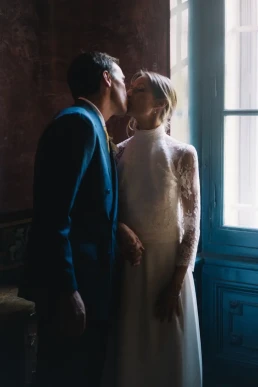
International recognition matters to me because it carries a responsibility: to keep making films that are sincere, personal and never reduced to a formula. The awards reflect years of work, travel, encounters and stories entrusted to me. They also return me to the essentials at every wedding: the truth in a gaze or a voice, the quality of light, and an edit that lets those moments remain alive.

Featured in
Work featured in French and international wedding blogs and publications known for their carefully curated selections.