

How to Elope in Lake Como
A practical guide for international couples planning an elopement in Lake Como
By Meryll de Gordon, destination wedding filmmaker
What is an elopement?
Intimacy is a question of pace, not simply guest count
I am Meryll de Gordon, a destination wedding filmmaker based in Provence, specialising in elopements and international celebrations in Italy. My work begins with voices, gestures and the rhythm of a real day, so the setting needs to support the experience rather than take it over. Lake Como is particularly suited to that approach: a ceremony can unfold in a historic garden, a municipal room or beside the water, followed by a village walk, a boat crossing and a long dinner. The key is restraint. Choose one part of the lake, leave space between plans, and the journey can feel intimate even in a destination visited by people from around the world. A modern elopement is an intentionally small wedding, with only the couple or a few close guests. It need not be secret, improvised or completed in one afternoon. Unlike a large traditional wedding, it keeps the ceremony and the couple’s experience at the centre.
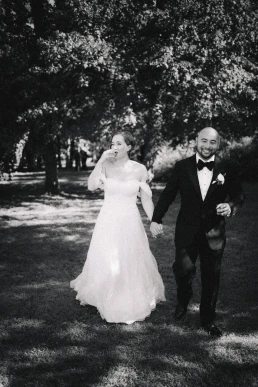
Why elope in Lake Como?
Lake Como brings stone villages, formal gardens, historic villas and water journeys into one region. The mountains remain present without requiring a full alpine expedition, and Milan’s airports and rail network make the lake accessible to international travellers. Its practical limit is equally important: the lake is not one compact venue. Shore roads are slow, ferries follow seasonal timetables, and many properties involve gates, steps or a boat arrival. Privacy usually comes from a reserved space, an early hour or a carefully chosen base, not from expecting a famous waterfront to be empty. The destination works best for couples who want a few meaningful elements and time to experience them. It is less suited to a day designed around every recognisable villa. With three or four nights, the wedding can sit within the journey rather than competing with the transfer day.
The Elopement film of Nicoletta & Connor in Italy
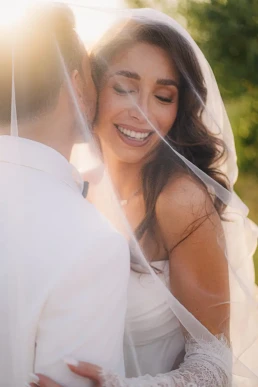
The best areas for a Lake Como elopement
Tremezzina and Lenno form the strongest all-round base for gardens, villas and the western shore. Villa del Balbianello offers a complete sequence of path or boat arrival, garden, loggia and open lake, but ceremonies and professional photography require the correct booking; the uphill, partly gravelled access also belongs in the timeline. Villa Carlotta provides gardens, terraces and ceremony options within one property, which can reduce transfers. Varenna works well without a car because direct trains arrive from Milano Centrale and boats connect it with Bellagio and Menaggio. Its waterfront is compact and busy, while Villa Monastero adds a long lakeside garden whose privacy and filming conditions must be confirmed. Bellagio offers steps, arcades, gardens and a central ferry position; it is most comfortable early, before the busiest part of the day. Menaggio is a useful western base for reaching Bellagio or Varenna while remaining close to Tremezzina. Como is the practical choice for a civil wedding, a shorter stay or a couple who prefers city architecture, municipal ceremony rooms and Villa Olmo to a private villa itinerary.
Building your timeline around the experience
When a couple is planning from abroad, I can help shape the parts of the timeline that affect both the experience and the film: the ceremony hour, realistic travel between locations, how many places can be enjoyed without rushing, where softer light may fit, and whether an activity belongs on the wedding day or the following morning. This is practical and creative guidance from a filmmaker’s perspective, not a replacement for a local wedding planner. The purpose is to make the day easier to live; a coherent film follows because the places, voices and movement are allowed to connect naturally. You can read more about the way I prepare each wedding film.
When to elope and how long to stay
Season, light and a realistic rhythm
Late spring and early autumn often offer the most balanced compromise between active services, daylight and the intensity of summer tourism, but neither guarantees dry weather. April can feel quieter, with some reduced seasonal schedules. May and June bring longer days and growing demand. July and August add heat, traffic and crowded quays. September remains highly requested and can still be wet; early October brings shorter days and more seasonal closures. Mountains can remove direct sun before the published sunset, so the exact property and date matter more than a generic golden-hour time. Two days can work within one area, but leave little weather margin. Three days give an international couple time to arrive, hold the ceremony and keep a slower morning or a second weather window. Four or five days suit a long-haul journey, a few guests or a separate outdoor experience. They do not require continuous filming; some of the trip should stay entirely private.
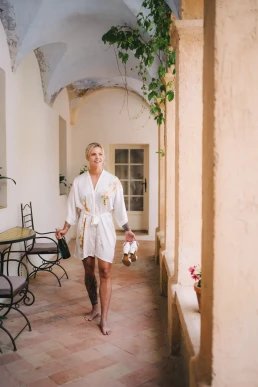
What could a three-day Lake Como elopement look like?
Movement and stillness across one part of the lake
Day 1: arrive and settle
Stay on the shore where the ceremony will take place. Meet the planner or venue contact, confirm the rain plan and look at the actual route from the room to the ceremony space. Keep dinner close to the accommodation.
Day 2: ceremony, pause and water
Prepare slowly, then hold the ceremony in a reserved space on the same shore. Leave a pause afterwards. A concise private boat journey can follow when weather and light are favourable, with the main spoken vows kept away from a running engine. Return to the same shore for dinner rather than depending on the final public ferry.
Day 3: a quieter landscape
Walk a short section of the Greenway del Lario, stop for breakfast or keep the morning without coverage. If a weather-dependent boat can be rescheduled, this also creates a second window. The itinerary is hypothetical, not a real Gordon Wedding Films wedding. A boat, a village walk, a garden or a private meal should be included because the couple wants to live it; the visual and narrative material comes naturally afterwards.
How to get natural photos and films at Lake Como
The most effective way to create visual variety is to change what you are doing, not to collect locations. A preparation room, a garden ceremony, a walk and a boat ride already create different pace, light, sound and movement. Plan the spoken moments first: a quiet terrace or reserved garden is usually more useful for vows than a famous public quay.
Natural photos and films at Lake Como rarely come from adding more locations or scheduling more portraits. They come from giving the day enough space to unfold naturally. A good timeline should limit unnecessary transfers, use the best light, and create real moments between you rather than turning the day into a continuous photoshoot. I usually plan the filming around the experience first, then choose where photography and video naturally fit into it.
Villa del Balbianello
The path or water arrival, enclosed garden, architectural thresholds and open lake views already create a complete visual progression. There is no need to manufacture many additional moments. Allow enough time to walk, pause and experience the property without rushing from one viewpoint to another. Access conditions, professional permissions and your booked time slot should be confirmed in advance so the schedule remains comfortable and the photography and filming never have to compete with logistics.
Varenna and Villa Monastero
Varenna works particularly well when the aim is to keep the day simple and spontaneous. The village, waterfront and gardens can be explored on foot, which reduces transfers and leaves more room for natural interactions. Earlier hours generally mean quieter streets and softer light. Rather than planning a long list of poses, I recommend treating the walk itself as part of the experience and letting the photographs and film develop around it. Public access, visitors and ambient sound should still be taken into account when choosing the timing.
Tremezzina and the Greenway
A short walk through villages, stone paths and terraces offers a more relaxed rhythm than moving directly from one villa to another. It works particularly well after a ceremony on the western shore because the couple can stay in the same area instead of losing time crossing the lake. For natural images, simple transitions like walking, stopping for a view or having a drink often produce stronger moments than another formal portrait session.
A private boat
A private boat works best when it is part of the day rather than organised only for photographs. Use it as a real transition between locations and keep the route short enough to enjoy it without creating another tight schedule. I normally leave space for the couple to sit, talk and take in the lake while filming discreetly around them. Wind, engine noise and changing weather make boats less suitable for important spoken vows, so those moments are better recorded somewhere quieter with controlled audio.
The main principle is simple: avoid designing the day around the camera. Choose a few strong locations, allow generous transition time and build the timeline around what you actually want to experience together. When the schedule is well prepared, I can concentrate on light, composition, movement and real interactions instead of constantly directing you. That is usually what creates photographs and films that feel natural rather than staged.
Legal ceremonies and travel logistics
Documents, trains, ferries and one coherent base
A legal wedding in Italy creates a civil marriage subject to the required documents and procedure. The Comune di Como asks couples to contact its civil status office and states that foreign citizens need identification and a nulla osta; translation, legalisation, publication or interpreter requirements may also apply according to nationality and status. The 2026 municipal regulation names Palazzo Cernezzi and spaces at Villa Olmo as ceremony locations, with the Tempietto available seasonally from 1 April to 30 October. A symbolic ceremony has no legal effect but offers more freedom over wording and timing, subject to the property’s permission. Religious weddings follow the relevant church or faith requirements. Confirm every legal step with the municipality and, where relevant, your consulate. For travel, Milano Malpensa, Milano Linate and Bergamo Orio al Serio are the main airports to compare. Trenord publishes direct journeys of about 60 minutes from Milano Cadorna to Como Lago and about 64 minutes from Milano Centrale to Varenna-Esino. Navigazione Laghi timetables are seasonal; allow time for tickets and queues, and keep an alternative because poor weather can change services. Sleep on the same shore as the ceremony whenever possible.
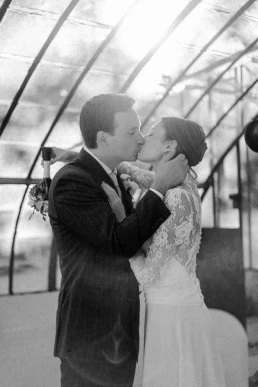
Filmmaking considerations around the lake
Sound, weather, permissions and a story that still belongs to you
Sound needs its own plan around Lake Como. Ferry announcements, boat engines, bells and conversations can either place the film in its environment or compete with the vows. Stand still and listen before fixing the ceremony position. Wind becomes stronger on open water, so a boat is better for movement and atmosphere than for a long spoken exchange. Transfers also take longer for a team carrying cameras, sound equipment, batteries and backups; share the full plan with every supplier and calculate door-to-door time. Drone footage remains conditional on ENAC requirements, the current d-flight map, insurance, weather, safety and the property’s permission. The film should still work without an aerial shot or a boat. Avoid choosing locations before choosing a shore, treating ferry time as exact travel time, assuming a photography fee includes a ceremony, relying only on the published sunset, or accepting a vague rain plan. A few connected sequences can carry the entire journey: preparation, a walk to the ceremony, clear vows, water and dinner. You can explore my approach to elopement films before you share your wedding plans.
Share your wedding plans and let’s schedule a call
Lake Como elopement guide: your questions
Yes. Foreign citizens can marry legally in Italy, but documents depend on nationality, residence and personal status. The Comune di Como asks for identification and a nulla osta; translation, legalisation, publication or interpreter requirements may also apply. Confirm the complete list with the municipality and your consulate.
May, June and September often balance active services, daylight and manageable temperatures, but none guarantees dry weather or low visitor numbers. A weekday, one coherent base and a confirmed rain plan matter more than choosing a supposedly perfect month.
Three days is a useful minimum for most international couples: one to arrive, one for the ceremony and one for a slow activity or weather margin. Four or five days help after a long-haul flight or when a few guests are joining.
Villa del Balbianello hosts civil or symbolic ceremonies and private events, subject to availability, booking and current FAI conditions. Confirm the ceremony space, access, privacy, professional image rights, rain plan and boat arrangements directly with the venue.
No. A symbolic ceremony has no legal effect. Couples can complete the legal marriage in their home country or arrange a separate Italian civil ceremony, then hold personal vows at a permitted Lake Como location.
Not always. Como and Varenna have direct rail links from Milan and connect to boats. A private transfer is often easier for Tremezzina, formal clothing and equipment. Parking and shoreline traffic can make a car less useful on the ceremony day.
Only when current airspace rules, operator requirements, insurance, weather, safety and the property’s permission all allow it. The pilot must check d-flight and ENAC requirements before flying. Drone footage should remain optional in the plan.
There is no reliable single figure. The main variables are venue and exclusivity, accommodation, planner, boat, food, flowers, photography and film, plus travel. Request current written quotes and distinguish admission or photo access from ceremony hire.
International recognition means a great deal to me, but the trophies matter less than the work behind them: years of travel, encounters and stories that couples have trusted me to tell. They encourage me to keep creating sincere, personal films without relying on a standard formula, always attentive to a glance, a voice, the way light enters a scene and the choices that give an edit its lasting rhythm.

Featured in
Work featured in French and international wedding blogs and publications known for their carefully curated selections.