

How to Elope on the Amalfi Coast
A practical guide for international couples planning an elopement on the Amalfi Coast
By Meryll de Gordon, destination wedding filmmaker
What does eloping mean today?
A small wedding with room to experience the place
The coast works best for an elopement when you resist the urge to see all of it at once. One village, a place to exchange vows, a meal, and perhaps one experience on the water can carry more meaning than a day spent chasing every viewpoint. I am Meryll, a destination wedding filmmaker who specialises in elopements and intimate celebrations in Italy. I have filmed weddings and elopements on the Amalfi Coast for years, including an intimate wedding at Belmond Hotel Caruso in Ravello. I also help couples think through light, ceremony timing and activities before they arrive. A modern elopement is an intentionally small wedding, not necessarily a secret or last-minute one. It may involve only the couple, or a few relatives and close friends. Unlike a traditional wedding, the day is not built around a large guest programme. Unlike a conventional destination wedding, the trip and ceremony can be shaped almost entirely around the couple’s preferred pace. On the Amalfi Coast, that might mean legal vows in Amalfi followed by dinner in Atrani, a symbolic ceremony on a private terrace in Ravello, or two days divided between Positano and the sea. The small scale creates freedom, but it does not remove the need to plan access, weather, permissions and travel carefully. You can also explore how I approach elopement films built around the couple.

My top places to elope on the Amalfi Coast
The Amalfi Coast offers historic streets, high gardens, working ports, terraced hillsides and open water within a compact area. That variety can give an elopement a natural progression, but the map is misleading: villages are separated by steep roads, traffic, stairs and seasonal ferry timetables. The destination suits couples who choose depth over coverage.
Ravello: a strong base for gardens, terraces and a property-led day in which preparation, vows and dinner can happen without repeated transfers. Villa Rufolo and Villa Cimbrone are managed sites, so access and professional photo or film conditions must be confirmed. I filmed Carmela and Derek’s intimate wedding at Belmond Hotel Caruso; it is a proof of local experience, not an elopement template.
Positano: the coast’s most recognisable vertical village, with streets, beach and boat access, but also stairs, active public spaces and limited vehicle access. An early walk followed by a genuine break and a later private ceremony is more comfortable than a continuous shoot.
Amalfi and Atrani: a compact combination of architecture, port and village life that can be explored largely on foot. The Municipality of Amalfi publishes Salone Morelli, Arsenale della Repubblica and the former Convento dei Cappuccini as civil ceremony locations.
Praiano, Conca dei Marini and Furore: better suited to a villa, dinner and a boat on a separate half-day than to spontaneous movement between many places. The Fiordo di Furore requires current access information and should not be treated as a guaranteed ceremony stop.
Minori, Maiori and Cetara: useful for couples arriving through Salerno or seeking a less staged rhythm, subject to seasonal ferry service. Agerola and the Path of the Gods: a mountain chapter that needs practical shoes, water, an early start and its own half-day.
Capri and Sorrento can be additions to a longer trip, but neither is a village on the Amalfi Coast and either normally deserves another day.
The Elopement wedding film of Nicoletta & Connor in Italy
When should you plan an Amalfi Coast elopement?
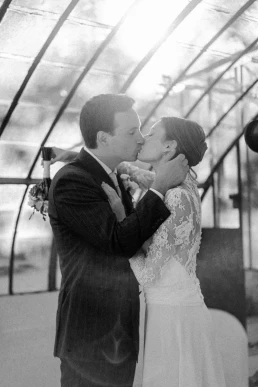
May, June and September usually offer the strongest balance of warmth, available services and usable daylight. Early October can also work, with a more serious rain and transport backup. The best weather and the best elopement conditions are not always the same: July and August have long, hot days and frequent boat services, but roads, hotels and public spaces are under greater pressure. Historical climate averages for Amalfi place typical daytime highs around 22°C in May, 26°C in June and September, 29°C in July and August, and 22°C in October. These figures are planning references, not forecasts. April can suit walking and a softer travel rhythm, although the sea is cooler and seasonal services may still be building. Winter is much quieter, but it also brings shorter days, reduced ferry services, closed seasonal businesses and less predictable weather. Light changes sharply between villages because the coast is steep. A published sunset time does not show when a specific garden, lane or terrace falls into shade, so ask when the light leaves the exact ceremony place. On exposed terraces and boats, wind matters as much as colour: it affects comfort and the recording of vows.
How many days should an Amalfi Coast elopement last?
One day:
Stay within one area for preparation, vows, a short walk and dinner. A boat can fit if it replaces another movement; adding Ravello, Positano, Amalfi and the sea gives traffic too much control.
Two days:
Use the first for arrival, dinner or an early village walk, and the second for the ceremony. A boat on the following morning can be moved without threatening the vows.
Three days:
Give a welcome evening, elopement day and sea or hiking experience their own pace. This creates a limited weather buffer without turning every hour into an event.
Four or five days:
Useful when close guests are joining, several meals are planned, or the couple wants an extension to Naples, Sorrento or Capri. Not every day needs to be filmed. A longer stay is valuable when it creates unplanned time, not when it simply multiplies locations.
Planning an elopement with a filmmaker's perspective
Support for couples organising from abroad
When a couple wants that support, I stay involved through calls and help simplify the timing from abroad: we can examine when the ceremony will feel comfortable, how light reaches the chosen place, how long transfers and stairs may take, how many locations are reasonable, and whether a boat, dinner, walk or second day genuinely adds to the trip. I have used this kind of preparation for elopements I have filmed on the Amalfi Coast, working alongside planners rather than replacing them; the planner handles local coordination, contracts and permissions, while my role is to protect the couple’s pace and help the film grow naturally from what they choose to live. This is part of how I prepare a destination wedding film.
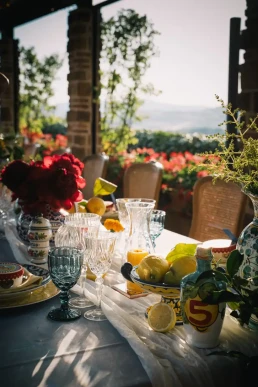
A realistic 3-day Amalfi Coast elopement itinerary
One place at a time
This is a hypothetical example, not a real client’s schedule.
- Day 1, arrive and reduce the pace: reach the chosen base with enough time for delays and luggage. Share dinner nearby rather than transferring to another famous village. If family or friends are present, informal conversations can happen here, leaving the ceremony day less crowded.
- Day 2, keep the ceremony geographically close: prepare slowly, hold the vows on private property or at the booked civil location, then walk for a short period when the light and public activity are suitable. In Ravello, this might all happen around one property. In Amalfi, the ceremony, port and Atrani can form a coherent cluster. In Positano, an early street sequence can be separated from a later private ceremony by a real break.
- Day 3, choose sea or mountain: book a private boat for a few hours with a land-based alternative, or hike from Agerola with practical clothing and an early start. Either activity adds a new rhythm; trying to combine both usually removes the calm that made the extra day worthwhile. Read more about a multi-day wedding film.
Experiences that can become part of the story
An activity belongs in an elopement when the couple would still want to do it without a camera. That test keeps the trip personal and prevents the film from becoming a string of setups.
A private boat gives the coast a different scale and creates movement, pauses and natural sound. It is best planned as its own chapter, with a weather alternative. Wind, engines and water can make it a poor place for the only recording of the vows, even when it works visually.
A village walk and coffee are easier to integrate because there is something to do and notice. A lemon-grove visit, cooking experience or dinner can introduce hands, voices and local texture. A ceramic workshop in Vietri sul Mare or an agricultural experience around Tramonti can offer a quieter counterpoint to the sea if the couple is genuinely curious about it. The Path of the Gods needs at least half a day once transfers are included. A swim or cove visit needs privacy, towels and a safe place for belongings. I often help couples think through activities before the wedding because they can make the experience richer and give the film natural transitions, gestures and sound. The order matters: first choose what you want to live, then consider how it can be filmed.
How to get natural photos and films during an Amalfi Coast elopement
Light, sound and fewer transfers
The most useful decision is often to remove a location. Every transfer has a cost in stairs, heat, traffic, waiting and attention. One private setting with changing light can create more visual variety than three public viewpoints visited under pressure. Use early morning selectively for a calmer Positano walk or Amalfi square, then leave time to eat and rest. For a later ceremony, ask when the exact terrace moves into shade and whether people will face the sun or wind. Ravello works well when preparation, vows and dinner share a property; a permitted visit to Villa Rufolo or Villa Cimbrone can add architecture without dominating the day. Amalfi and Atrani connect naturally on foot. Positano works when an early public sequence is paired with a private ceremony. A boat creates movement and a view back toward the cliffs, but it should be an experience rather than transport between portrait stops. Good film also needs sound. A beach beside an active pier or a terrace exposed to wind may work better for images than for spoken vows. Church bells can add atmosphere when anticipated; they become a problem when the schedule assumes silence. I prefer to protect the voices, then let water, footsteps, tables and the town carry the atmosphere. Drone footage is always conditional: ENAC requirements and the D-Flight geographical zone, category, registration, insurance, property permission, people nearby, temporary restrictions and weather all need to be checked. Visual variety also comes from changing light, hands preparing food, a quiet room, conversation and the transition into evening. This is the basis of my approach to story-led wedding films.

Legal ceremonies and practical travel on the Amalfi Coast
Paperwork, ferries, roads and reliable alternatives
Foreign couples can legally marry in Italy, but requirements depend on nationality and personal status. A nulla osta or equivalent document is usually required, with translated and legalised or apostilled documents where necessary. The municipality may also require witnesses and an interpreter. Amalfi and Positano both offer municipal ceremony locations, but availability, fees and document requirements must be confirmed locally. A symbolic ceremony offers more freedom in timing, wording and location, while religious ceremonies follow the rules of the relevant parish, diocese or faith community. This page is not legal advice. For travel, Naples International Airport is the main gateway, while Salerno Costa d’Amalfi Airport can be more convenient depending on available routes. Ferries are useful but seasonal and weather-dependent, while the SS163 can be slow and congested. For couples and guests, a private taxi or NCC transfer is often easier than self-driving. Choose accommodation close to the ceremony and always confirm access, luggage, stairs, transport and an indoor backup. My aim is to prepare these practical details in advance so the couple can focus on the experience itself.
Share your wedding plans and let’s schedule a call
Amalfi Coast elopement: your questions
May, June and September usually offer the best balance of warmth, daylight and seasonal services. Early October can also work if the plan includes stronger rain, sea and transport alternatives. July and August are warmer and busier, so ceremony time and recovery breaks matter more.
Ravello is usually better for a calm, property-led day with gardens, terraces and fewer transfers. Positano is better for an immediately recognisable village-and-sea setting, but it involves more stairs, public activity and access planning. The right choice depends on privacy and pace, not only the view.
Yes, subject to Italian law, the chosen municipality and nationality-specific documents. Couples generally need a nulla osta or equivalent, two witnesses and, in some cases, translated or legalised documents and an interpreter. Confirm the process with the municipality and relevant consulate.
Plan one day for one geographical area. Two days allow a welcome moment or separate boat experience. Three days can add a hike or sea chapter without rushing the ceremony. Four or five days are useful mainly for guests, several events or an extension beyond the coast.
A simple symbolic ceremony for two may not require full planning. A planner is valuable when the elopement includes a legal ceremony, private property, permits, flowers, a boat, several suppliers, guests or multiple transfers. A filmmaker can advise on light and rhythm, but does not replace local coordination.
It is physically possible in ideal conditions, but rarely comfortable for an elopement. Traffic, stairs and ferry schedules can turn the day into a series of transfers. Choose one main area and move a boat trip or second village to another day.
Only when the flight is legal and safe on that date. The operator must check ENAC requirements, the D-Flight geographical zone, category, registration, insurance, property permission, people nearby, temporary restrictions and weather. Drone footage cannot be guaranteed in advance.
Keep the ceremony and any critical travel connection independent from the boat. Agree on a land-based activity or rescheduling window before the trip. If a ferry is cancelled, road transfers may also become busier, so the backup needs its own time margin.
International recognition is meaningful to me, yet the real value lies in the work behind it: years of filming, travelling, meeting people and being trusted with their stories. It keeps me attentive to making each film sincere, elegant and personal rather than following a standard formula. In every wedding, I still return to the same elements: the truth of a look, the presence of a voice, the way light shapes a moment and an edit that keeps it alive long after the day.

Featured in
Work featured in French and international wedding blogs and publications known for their carefully curated selections.