

How to Plan an Elopement in Sicily
A practical guide for international couples planning an elopement in Sicily
By Meryll de Gordon, destination wedding filmmaker
Why elope in Sicily?
A journey, not a checklist
Having filmed intimate weddings and elopements in Italy, in both Noto and Taormina, I’ve found that Sicily works best when the experience is built around one region rather than a long list of locations. A Sicily elopement can feel like a journey rather than a single event. Within one region, you can move from a quiet villa to a Baroque town and the sea. Elsewhere, a historic street gives way to volcanic ground or a harbour.
That variety is the island’s strength, but it can also make planning difficult. Sicily is large enough that an ambitious list of locations soon becomes a schedule of transfers. The most rewarding approach is usually to choose one region, leave room around the ceremony and let a few experiences connect naturally.
It works particularly well for a multi-day elopement: a dinner or walk the evening before, a private ceremony the next day and a simple experience afterwards. The limits matter too. Popular towns are busy in summer, public viewpoints do not guarantee privacy, and boats, mountain access and drone flights all depend on current conditions.
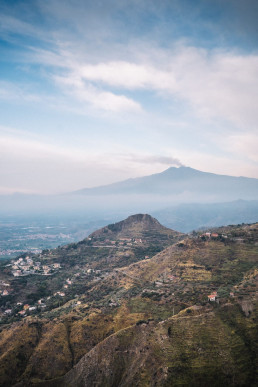
The best regions for a Sicily elopement
The best place to elope in Sicily is the one that keeps your ceremony, accommodation and chosen experience in a coherent area. Noto brings together pale Baroque streets, country villas and the south-eastern coast. Taormina combines a historic hillside centre with the sea. Etna offers volcanic scale, while Palermo favours urban life and Arab-Norman heritage. Western Sicily suits a more road-based stay among coast, countryside and salt pans.
Start with the rhythm you want, then choose the landscape. Two days are usually better spent within one region than crossing the island for a second backdrop.
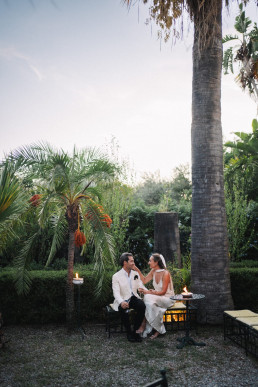
The Elopement of Nicoletta & Connor in Taormina, Sicily
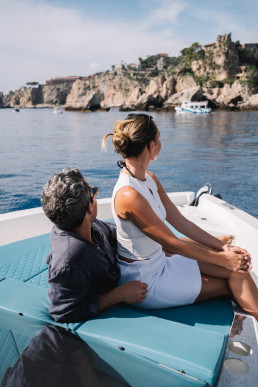
Noto and the Val di Noto
Noto suits couples drawn to warm stone, pedestrian streets and a quiet contrast between town and countryside. It belongs to the UNESCO-listed Late Baroque Towns of the Val di Noto, a group of eight south-eastern towns rebuilt after the 1693 earthquake.
A private villa can give the ceremony its own space. The town then works well for an early walk or breakfast, while the coast near Avola can add the sea without moving to another part of Sicily. The compromises are strong reflected light, active streets, steps and cobbles. Compare Catania and Comiso airports according to flights and the exact address of your base.
How to get the best photos and films during a Sicily elopement
In Sicily, the best images usually come from slowing the day down rather than trying to fit too many places into the schedule. Noto is a good example. Early in the morning, the streets are quieter and the light on the Baroque façades is much softer than it becomes later in the day. Taormina feels completely different, with narrow streets, views over the coast and the sea always close by, but it is also much busier, so timing makes a real difference. Etna brings something more raw and dramatic, with lava, open landscapes and weather that can change quickly. Around Avola, the coast works well for a boat trip or simply for ending the day at a slower pace.
When I filmed Ally and Parker near Noto, we did not build the second day around a list of locations. We started with a Sicilian breakfast, walked through Noto, took a scenic road and then headed out by boat from Avola. The variety came naturally from what they were doing, not from stopping every twenty minutes for another photo spot. For film, that is often where the strongest images come from. Walking, talking, changing light, the sound of the streets or the sea, and the small transitions between places usually tell more than a perfectly planned viewpoint.
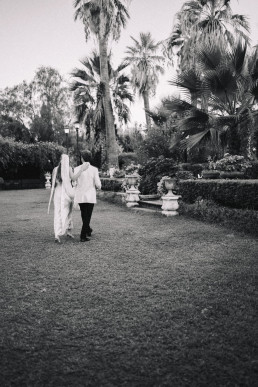
The Elopement of Ally & Parker in Noto, Sicily
Taormina, Etna and the rest of the island
Taormina
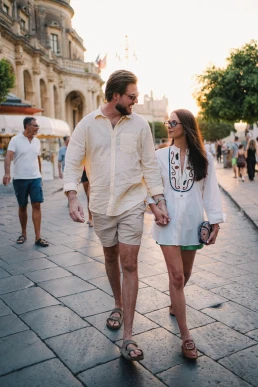
Taormina offers a historic hillside town with the coast immediately below it. It works well for a walk, an intimate meal and time on the water, but it is one of Sicily’s most visited places. Privacy requires careful timing. Taormina-Giardini station lies below the centre, and Trenitalia lists a connecting bus.
Mount Etna
Mount Etna brings black lava, woodland and open space. It is also an active volcano. Wind, temperature, volcanic conditions and local ordinances can change access, while some routes require a qualified guide or equipment. Plan it with a lower-altitude alternative and check the current access orders.
Palermo
Palermo is a strong choice for couples who want markets, streets and cultural density rather than silence. Cefalù can add a smaller coastal setting. Western Sicily offers rural bases, coves and the Trapani salt pans, but usually depends more on a car or driver. Boat and island plans always need a weather alternative.
When to elope in Sicily
Spring and early autumn offer the best balance
For many couples, late April to June and late September to October balance temperature, daylight and visitor levels. These are tendencies, not guarantees. Spring can bring rain and coastal wind. Early autumn may remain warm, but October needs a genuine covered option.
July and August favour swimming and long evenings, but require a slower schedule. Palermo’s official historical climate normals show average daytime highs around 30°C in July and slightly higher in August. This is one station, not a forecast for the whole island. An early start, a long midday pause and a later ceremony are generally more comfortable.
Winter brings fewer visitors and shorter days, while some hotels, restaurants and boat operators may work seasonally. Whatever the month, check sunset, weather and wind for the exact date and place.
How many days should you plan?
Two to five days, with one clear purpose
Two days: keep the ceremony, dinner and accommodation close on day one. Use day two for one meaningful extension such as breakfast, a scenic drive, a boat trip or a guided walk.
Three days: arrive and settle in, reserve the second day for the ceremony, then let the third become the wider memory of the place. This also creates limited flexibility for a coast or Etna plan.
Four or five days: add a second base only if it matters to you. Keep the transfer away from the wedding day. More time should make the stay slower, not turn Sicily into a checklist.
A real two-day elopement near Noto
I filmed Ally and Parker over two days near Noto. Their intimate ceremony took place at a private villa. The following day, we walked through Noto, stopped for a Sicilian breakfast, followed a scenic road and left from Avola by boat.
Those moments were deliberately simple. The breakfast brought ordinary gestures into the story; the road connected architecture and landscape; the boat changed the light and sound. I worked across digital film, photography and drone imagery where conditions allowed, but the formats were there to serve the memory.
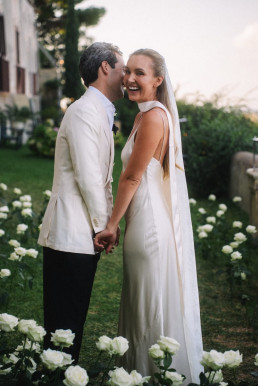
In Taormina, filming before Nicoletta and Connor’s ceremony gave us time for the coast, a meal and quiet walks. What stayed with me was the time available to talk and the trust that grew because the experience was not rushed. You can watch their Taormina elopement film.
Ceremonies, travel and filming
Plan documents, transfers and permissions early
Symbolic or legal. A symbolic ceremony offers the most freedom but has no legal effect. Foreign nationals can marry civilly in Italy if they satisfy the relevant requirements. The Italian Ministry of Foreign Affairs requires evidence that there is no impediment to marriage; documents, translation and legalisation depend on nationality and applicable agreements. Ask the chosen Comune and consulate for a case-specific list several months ahead.
Same-sex couples. Italy provides same-sex civil partnerships under Law 76/2016 rather than same-sex civil marriage. Confirm the procedure and recognition with the Comune, consulate and home authorities. A symbolic ceremony with the legal process completed elsewhere may be preferable. This guide is not legal advice.
Getting around. Palermo serves the west and north-west; Catania the east and Etna; Comiso the Baroque south-east; Trapani the far west. Choose the region before the airport. Trains help on some city and coastal routes, but rural villas, Etna and multi-location days usually need a car or driver.
Light and sound. Noto’s façades can be intense at midday, while coastal wind, bells, scooters and visitors affect recorded vows. One or two connected places generally create a stronger sequence than a day spent in transit. This is why my approach to storytelling begins with people, voices and rhythm.
Drone. A flight cannot be guaranteed. The operator must check current zones on d-flight and meet the applicable registration, insurance, competence and authorisation requirements. Airports, protected areas, local rules, wind or safety can prevent it.
The simplest rule. Do not try to see the whole island, assume a public place will be private, plan a summer ceremony at midday, leave civil paperwork late or fill every hour. Give one place enough time. For the service itself, see my elopement wedding films, the experience and the dedicated Sicily wedding videographer page.
Share your wedding plans and let’s schedule a call
Sicily elopement: your questions
Late April to June and late September to October often provide the best balance of temperature, daylight and visitor levels. July and August can work for the sea but require heat-aware timing. No month guarantees dry, calm or quiet conditions.
Yes, if they meet the applicable Italian and local requirements. Documents depend on nationality, residence and the chosen Comune. Ask the Comune and relevant consulate for a case-specific list well in advance.
Italy provides same-sex civil partnerships rather than same-sex civil marriage. Check the available procedure and recognition with the Comune, consulate and home authorities. A symbolic ceremony in Sicily is another option.
Two days work well for a ceremony and one connected experience in a single region. Three create more arrival time and flexibility. Plan four or five only if a second base genuinely matters to you.
Compare Catania for Taormina and the east, Catania or Comiso for Noto and the south-east, Palermo for the west and north-west, and Trapani for the far west. Let flights and your exact accommodation decide.
Not always for a city stay, but rural villas, Etna and multi-location plans are easier with a car or private driver. Do not assume a station is close to a hillside centre or country property.
Possibly, but never automatically. The operator must check current d-flight zones and comply with the applicable requirements. Airspace, protected areas, local permission, wind and safety can prevent a flight.
A planner is not legally required, but local support is useful for venues, suppliers, transport, permits and a civil ceremony. It becomes more valuable when several locations are involved or the couple does not speak Italian.
International recognition is meaningful to me, but the work itself matters more than the trophies. Each distinction reflects years of travel, generous encounters and stories that people trusted me to preserve. I want every film to remain personal, sincere and free from formula, shaped by the way someone looks, the sound of a voice, the light in a room and the choices made in the edit.

Featured in
Work featured in French and international wedding blogs and publications known for their carefully curated selections.