

Monastère de Ségriès wedding photographer
A wedding at Monastère de Ségriès, Provence
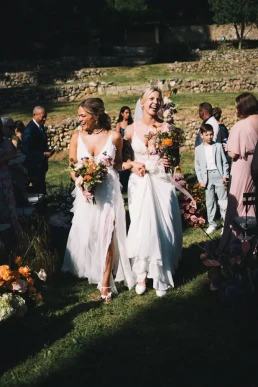
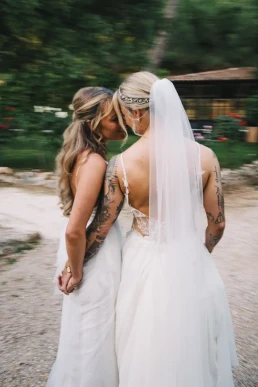
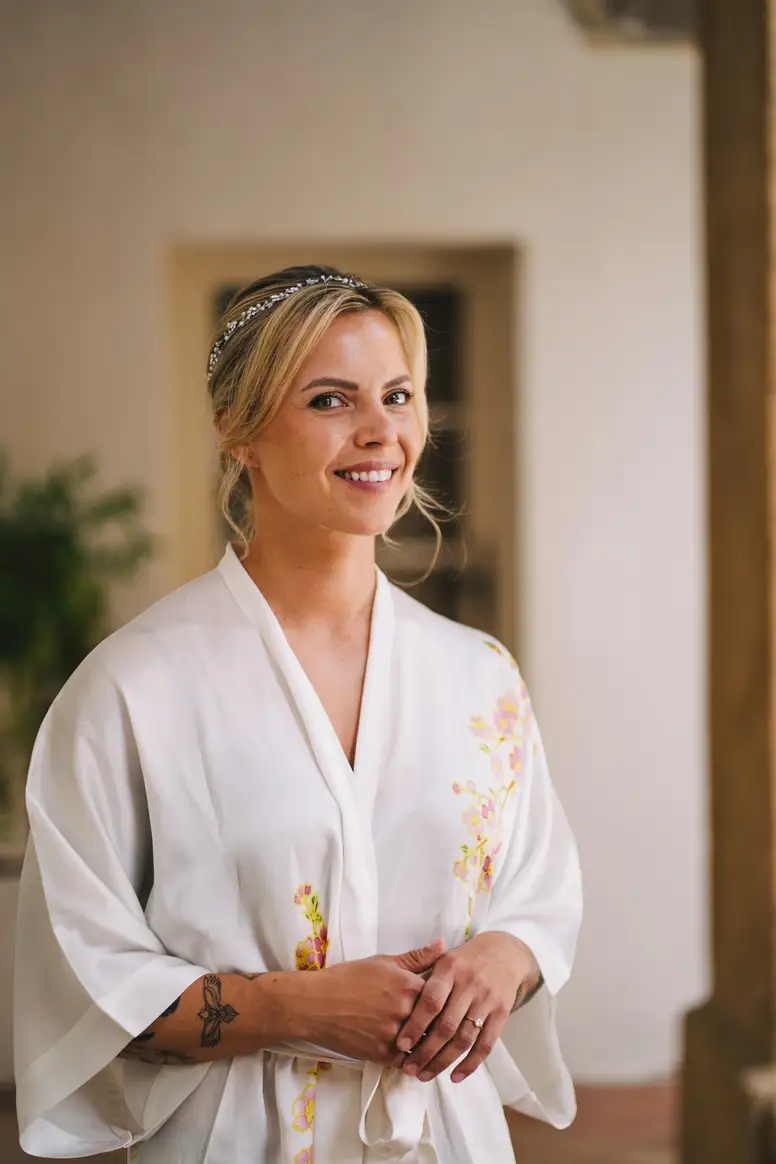
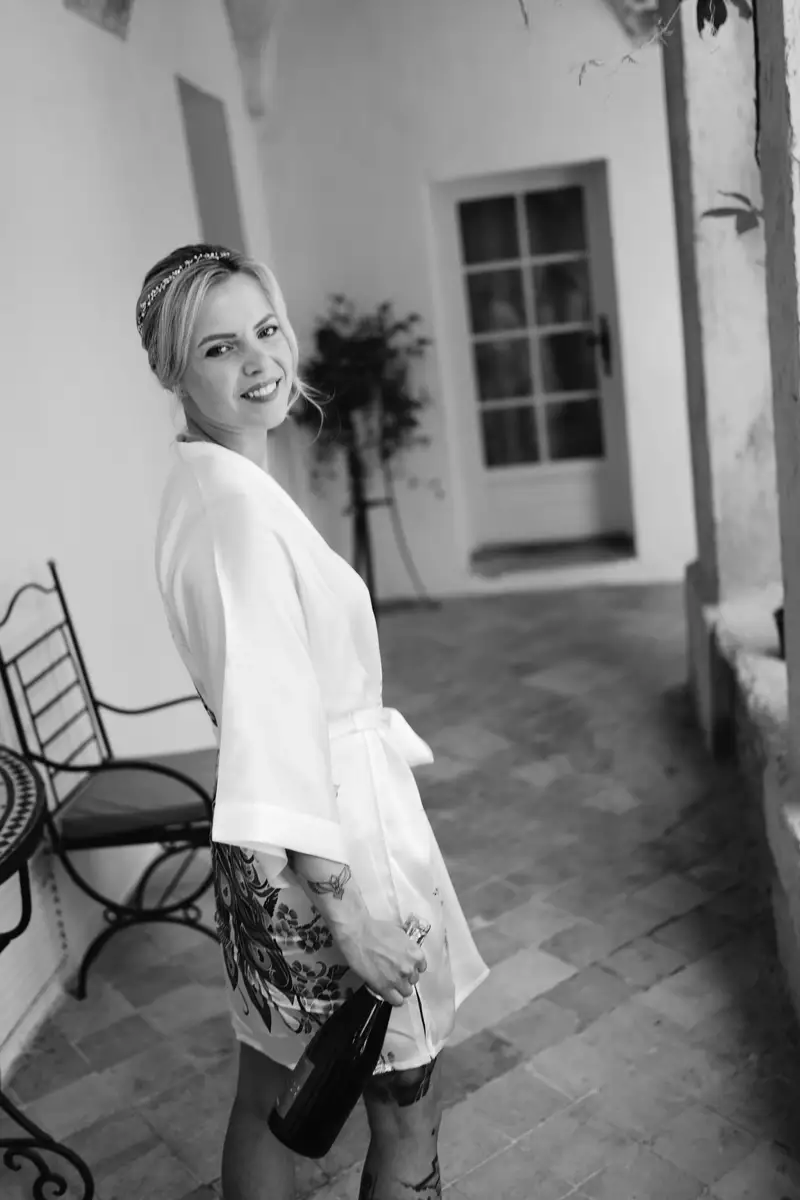
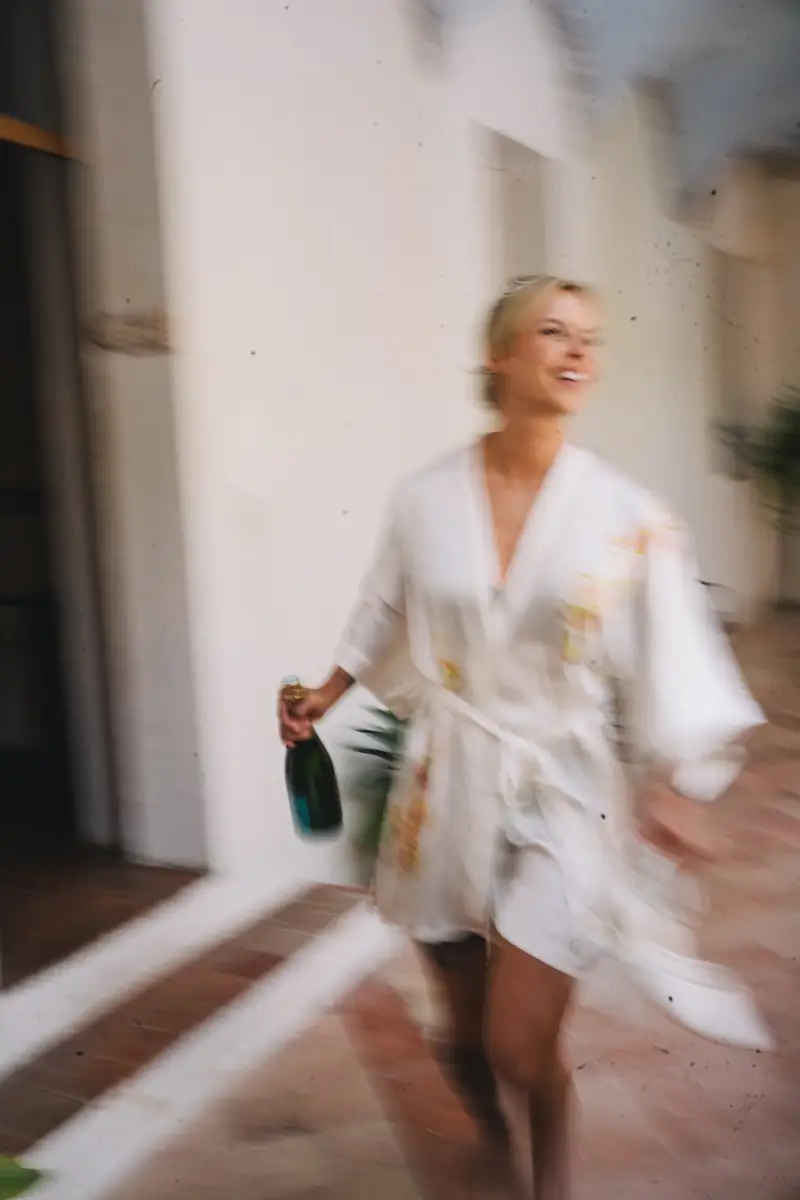
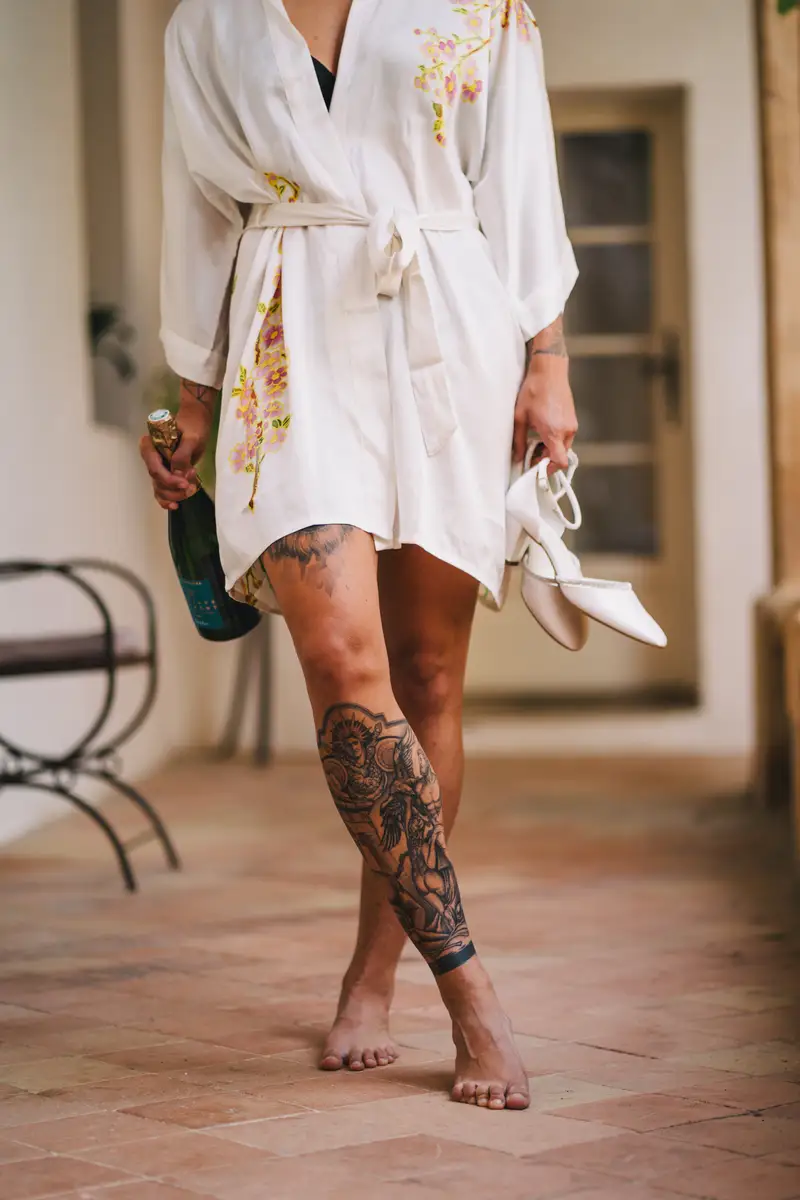
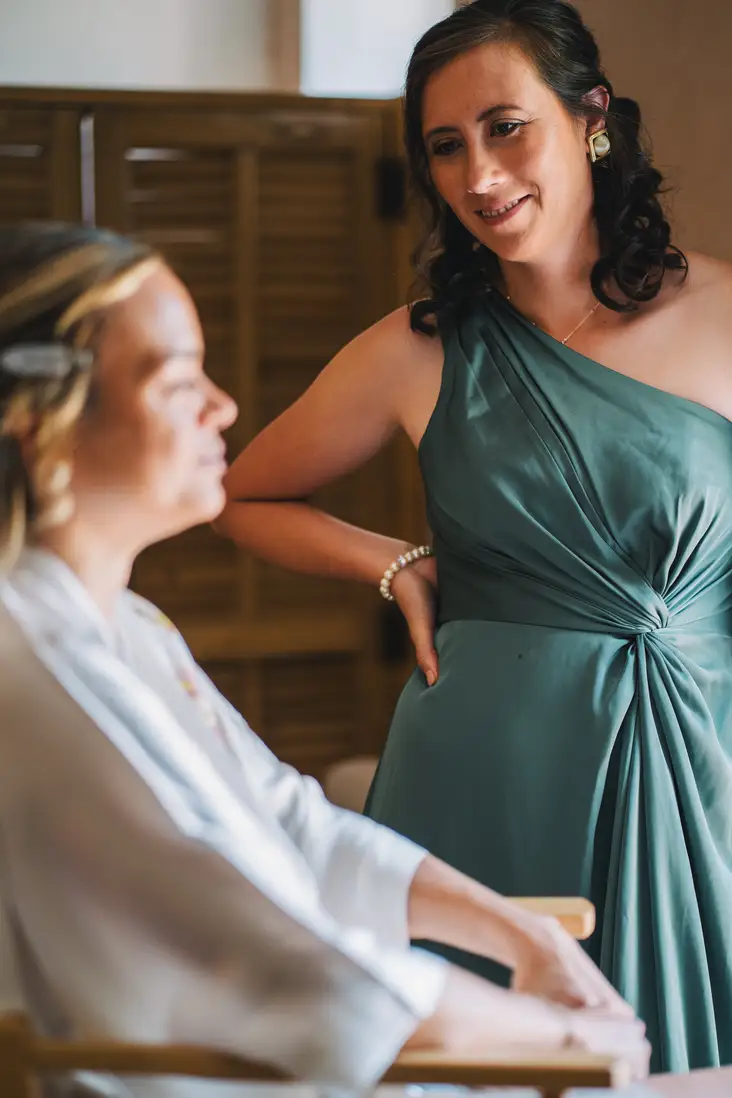
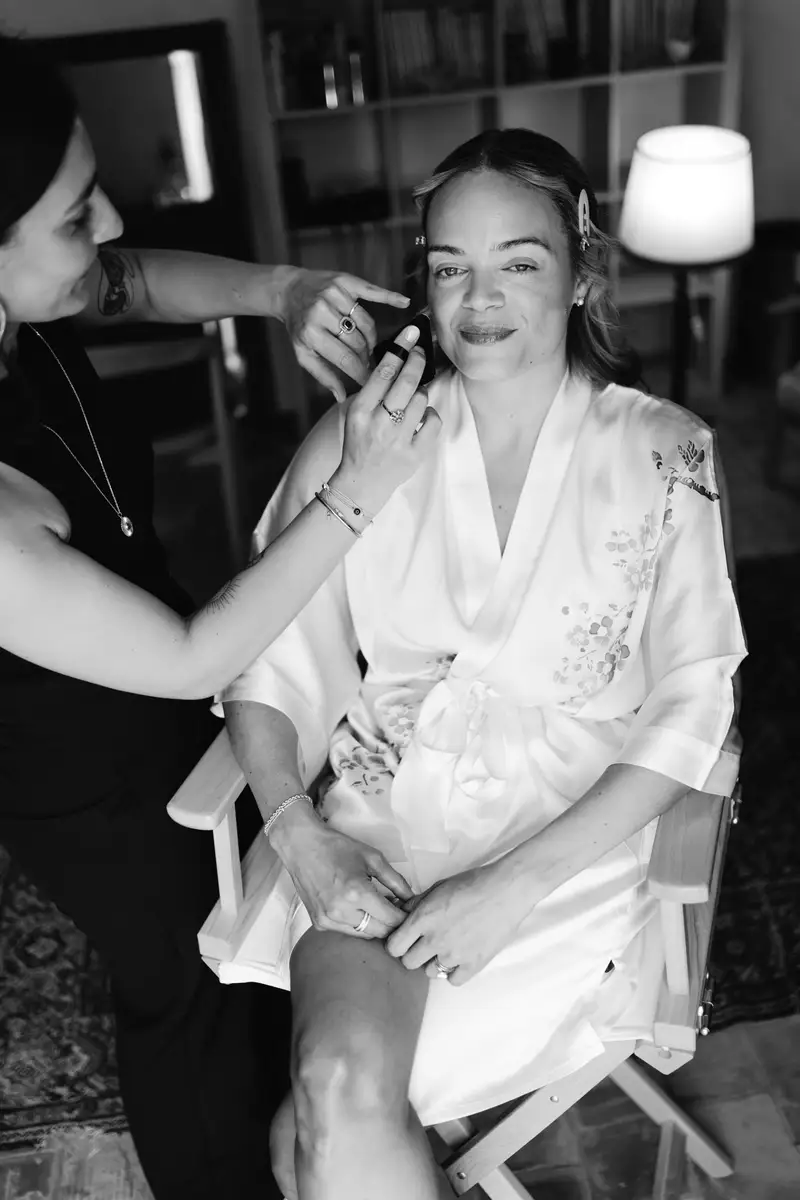
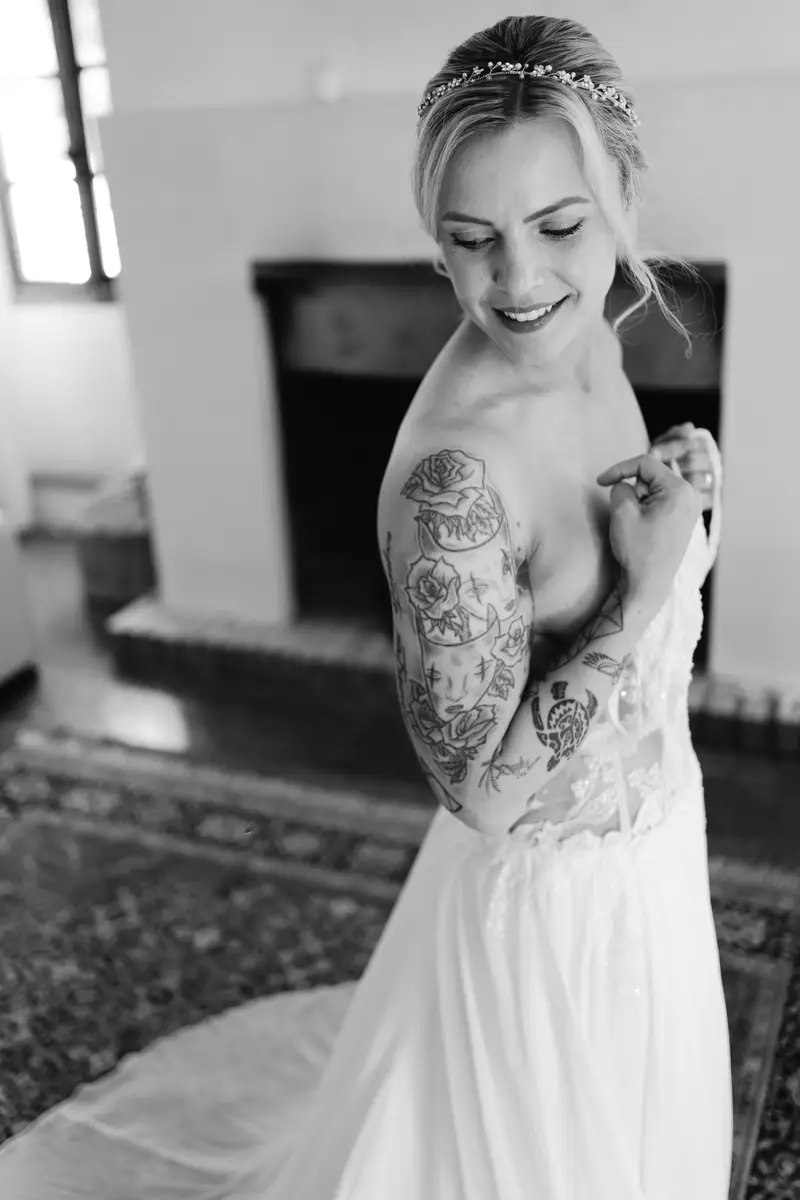
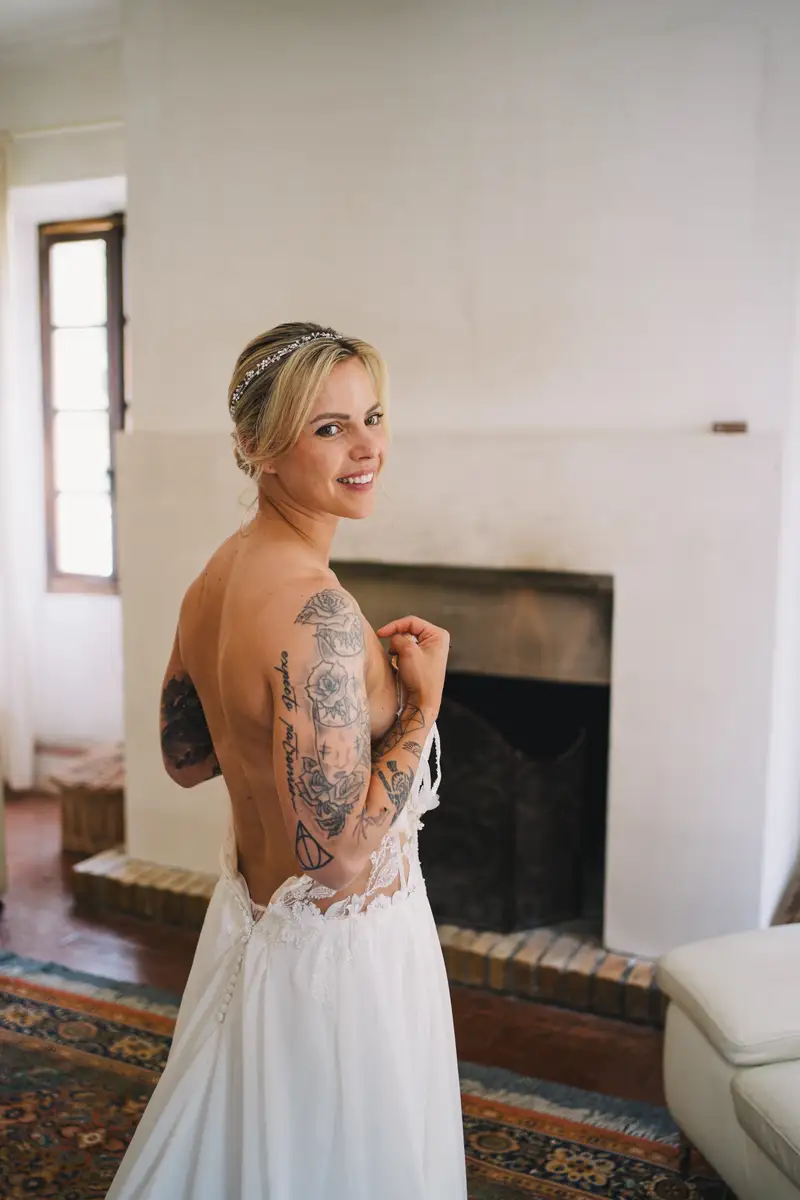
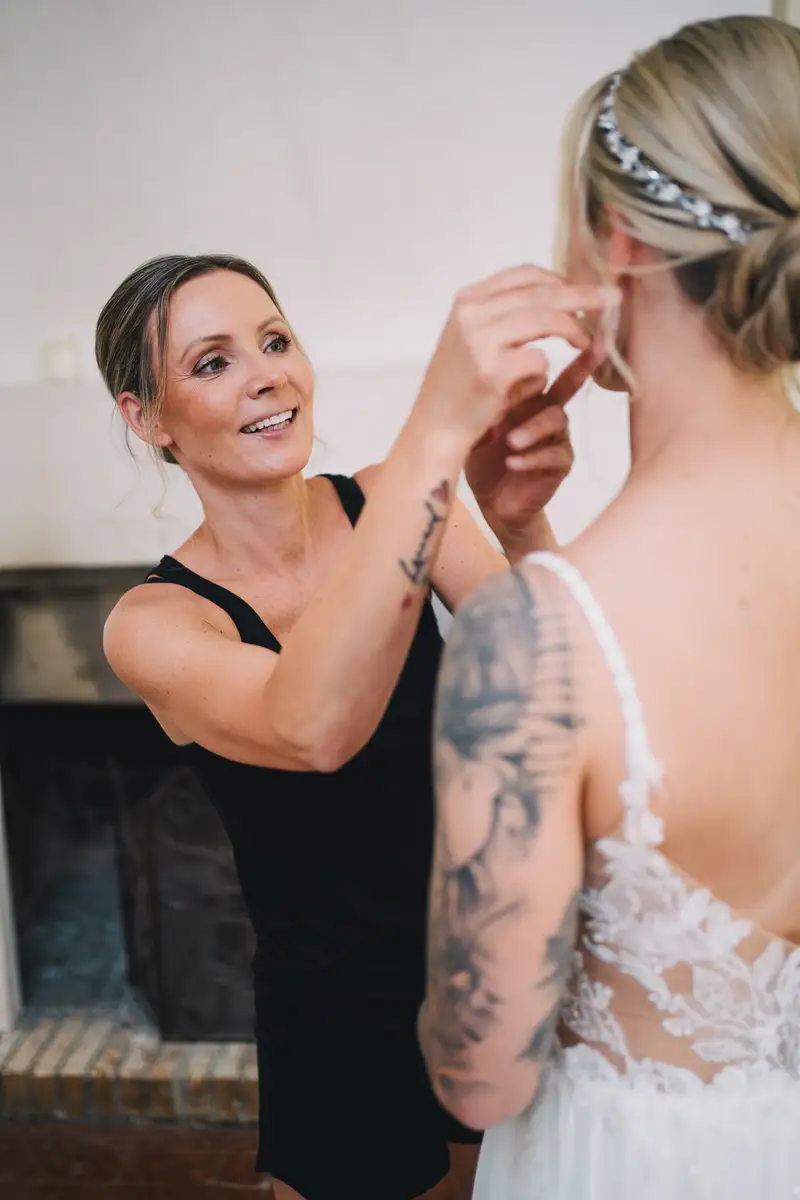
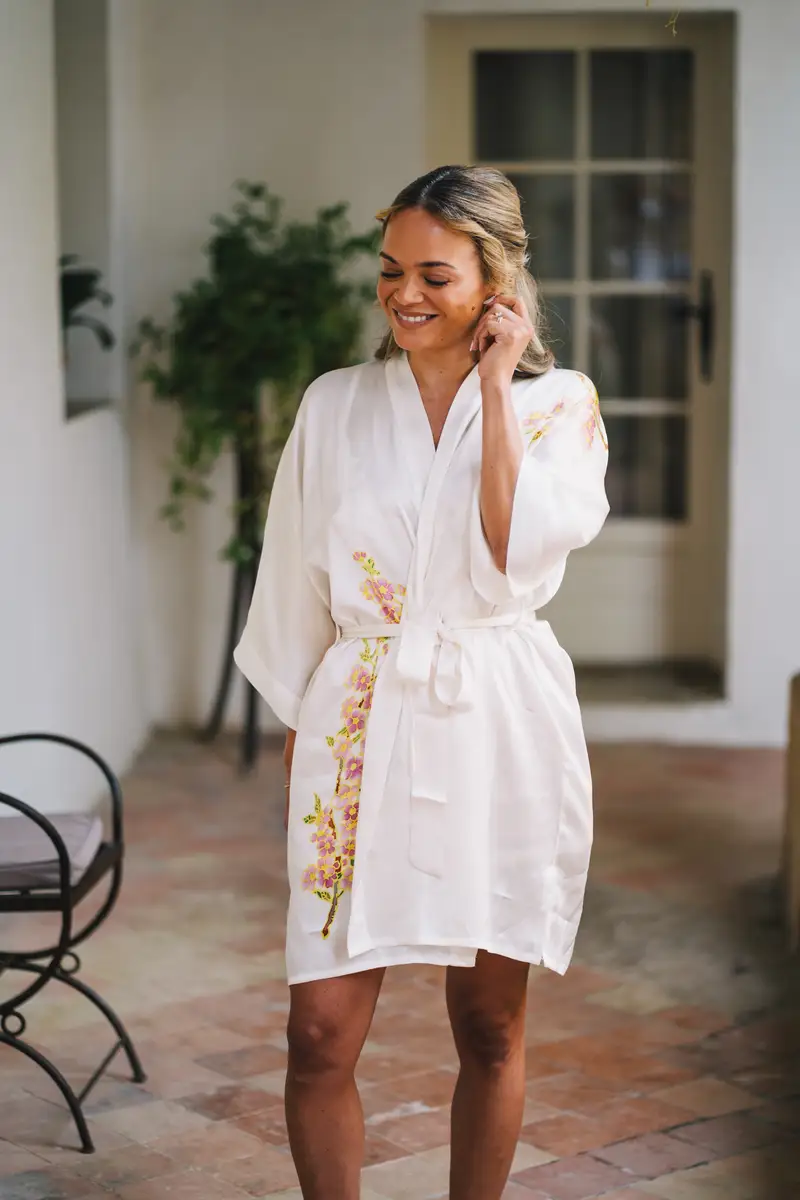
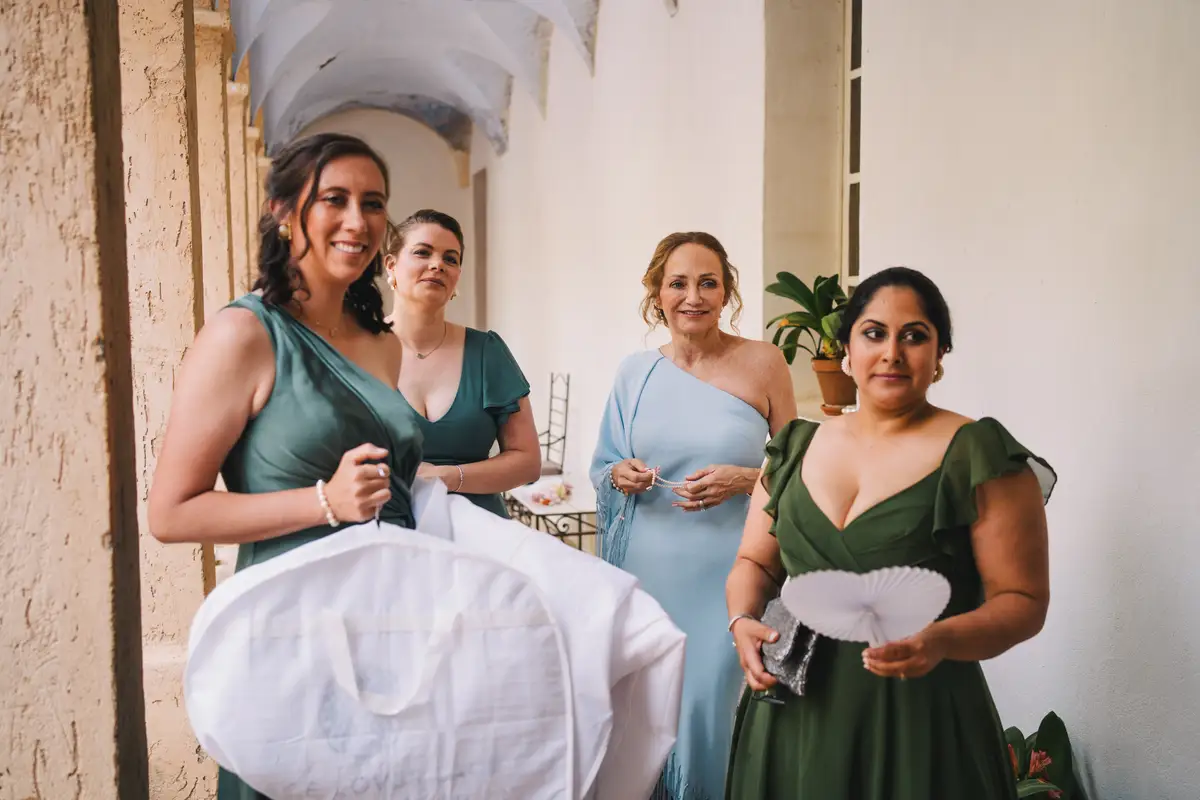
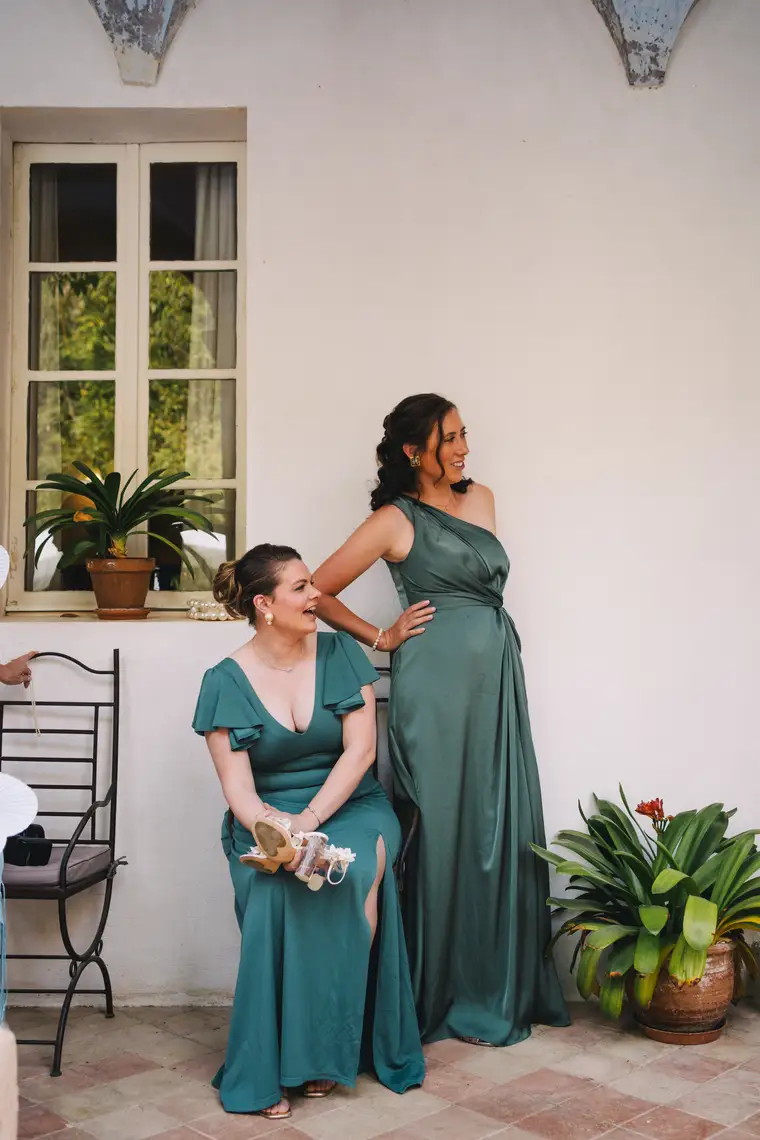
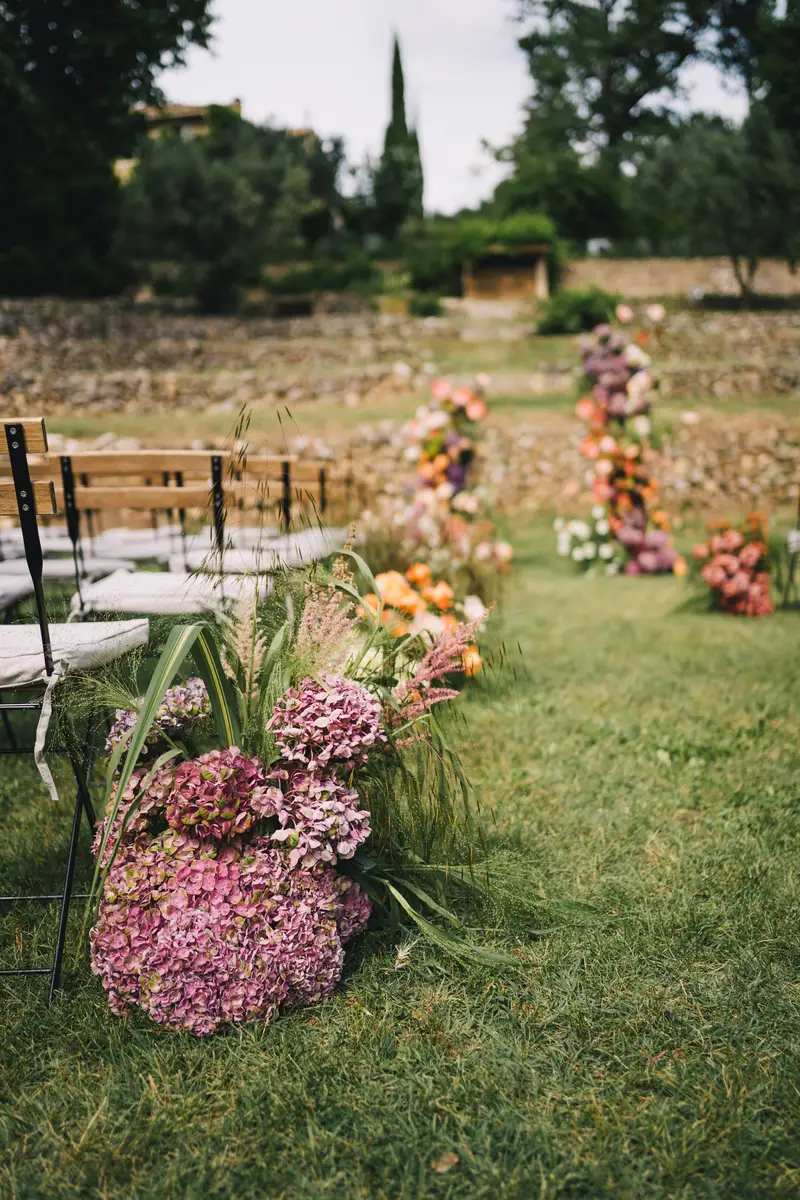
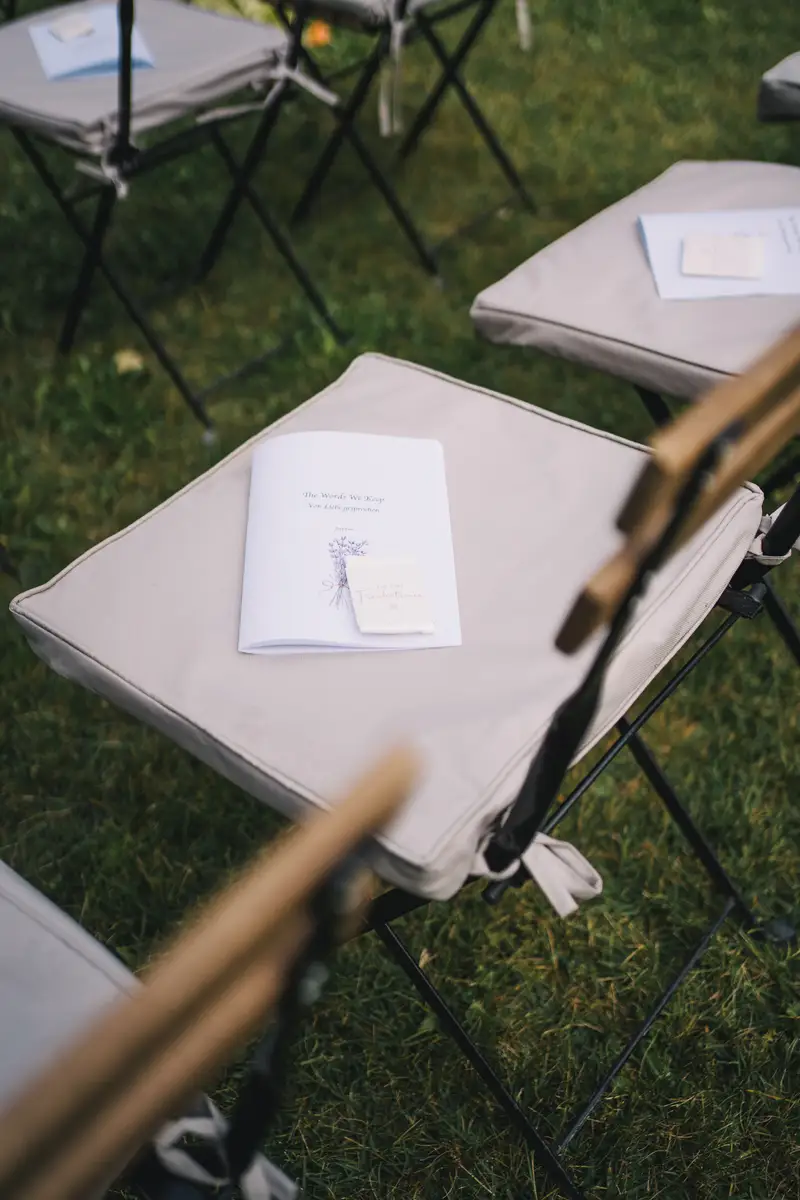
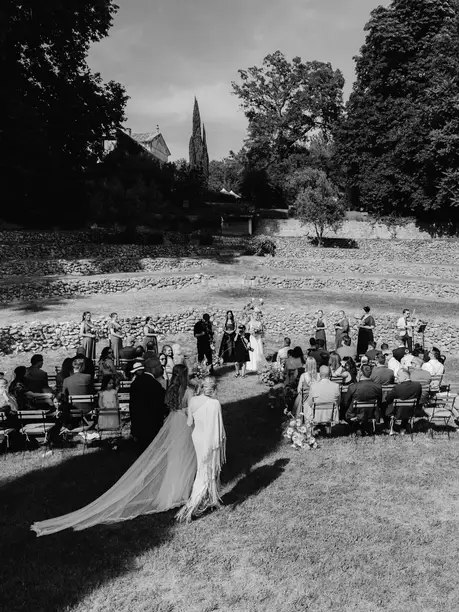
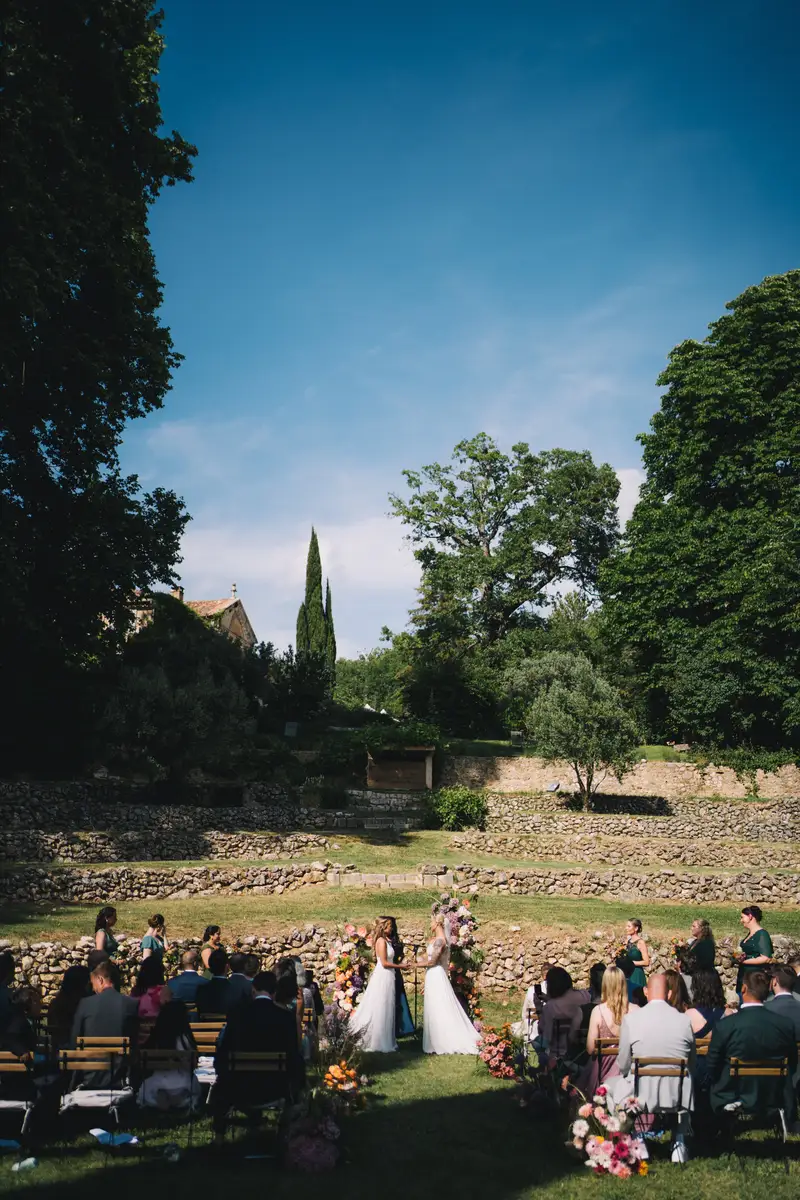
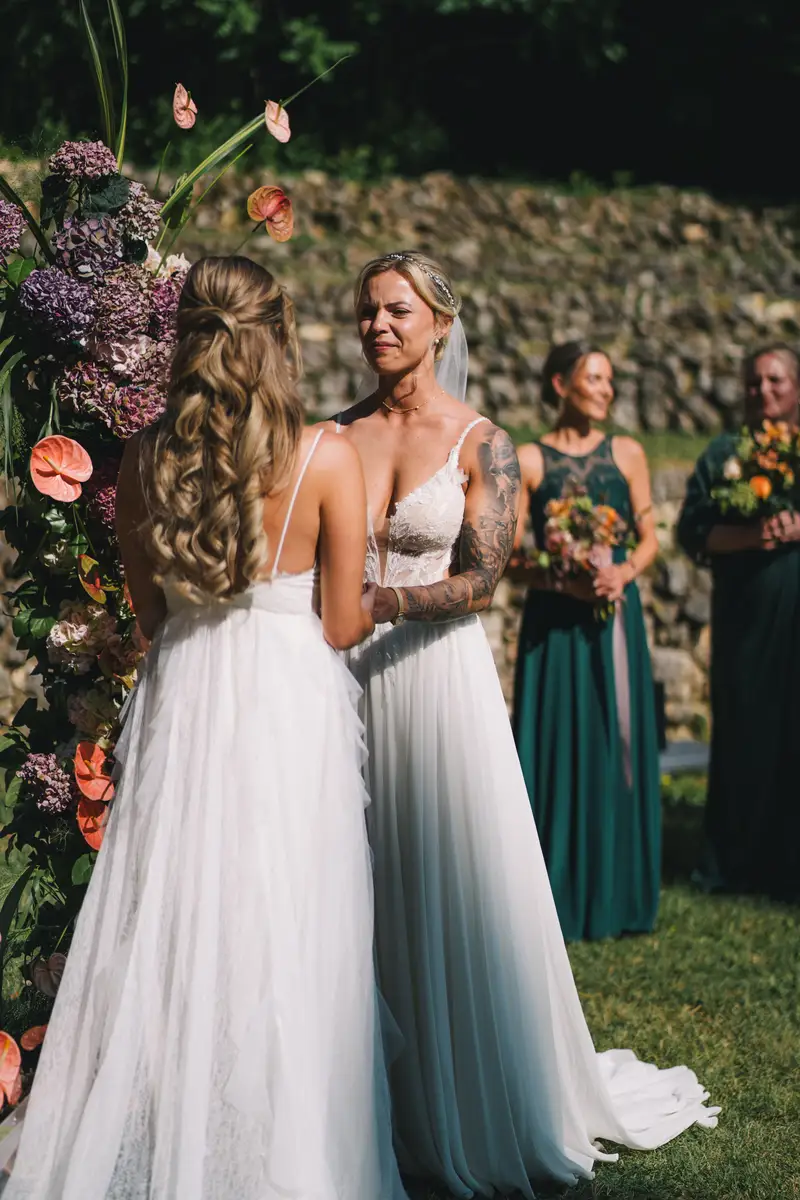
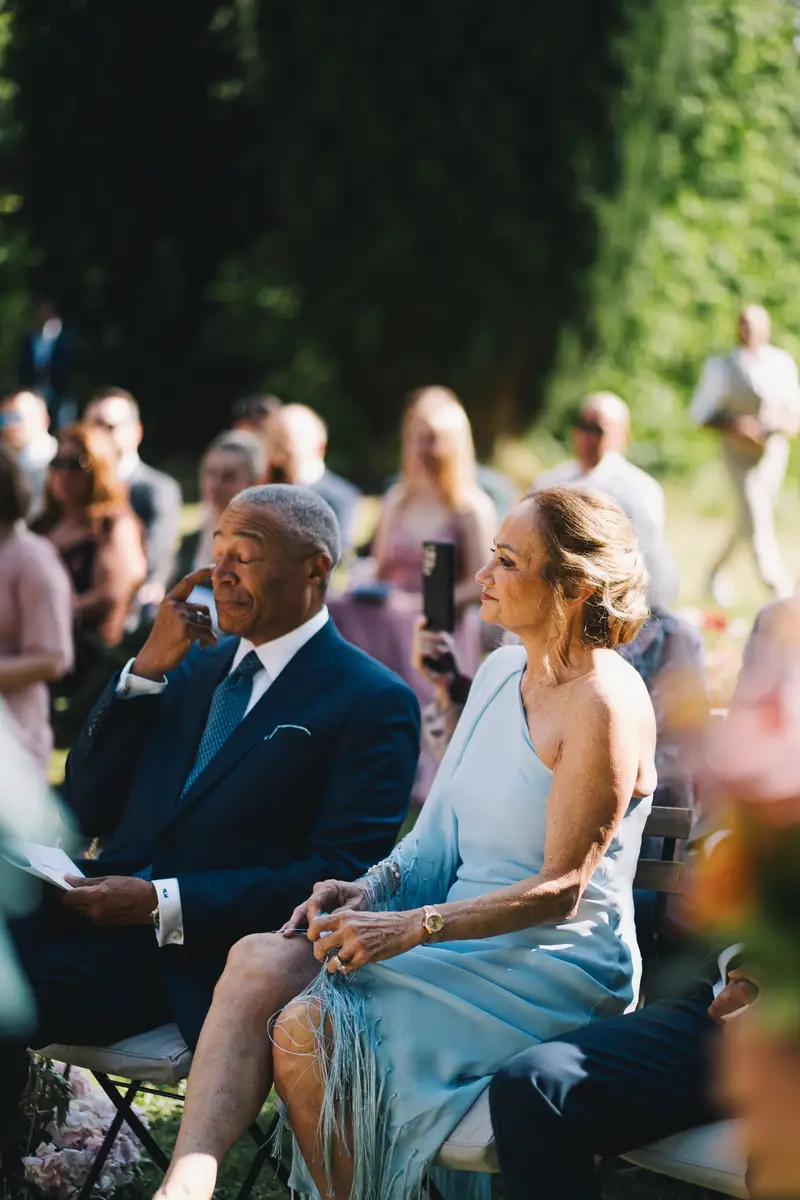
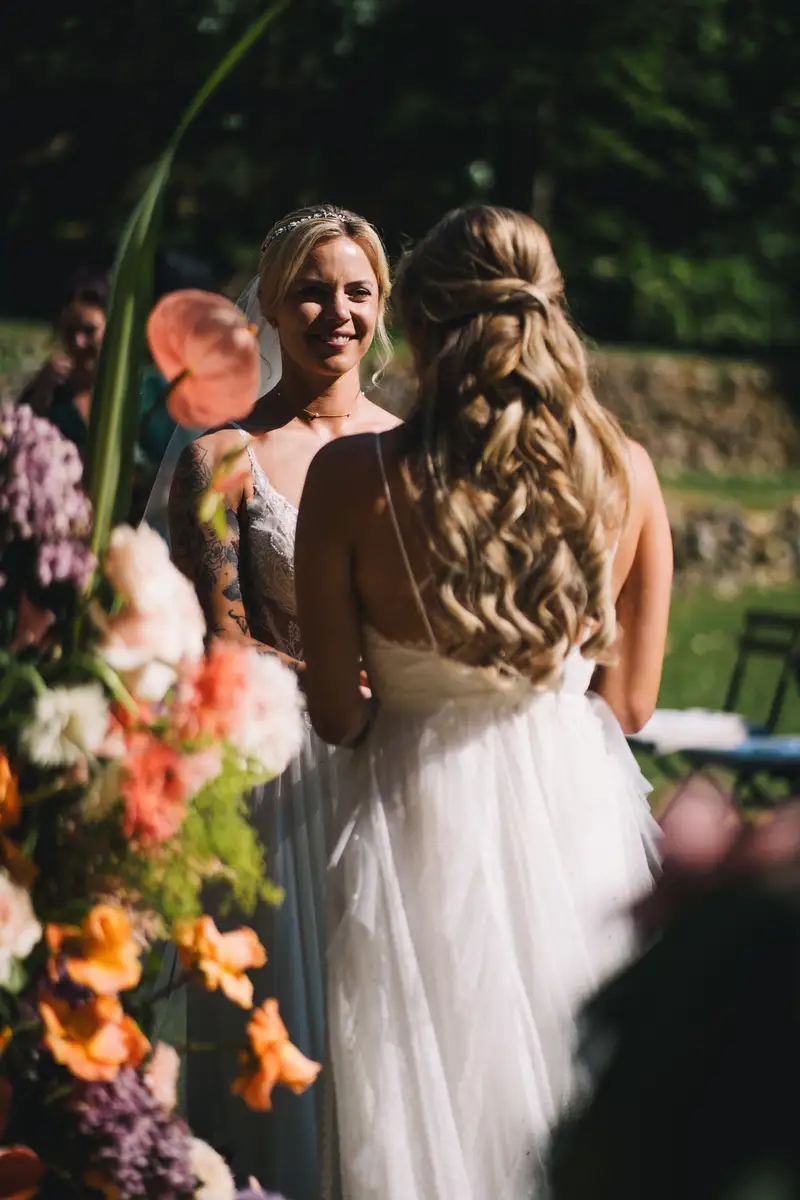
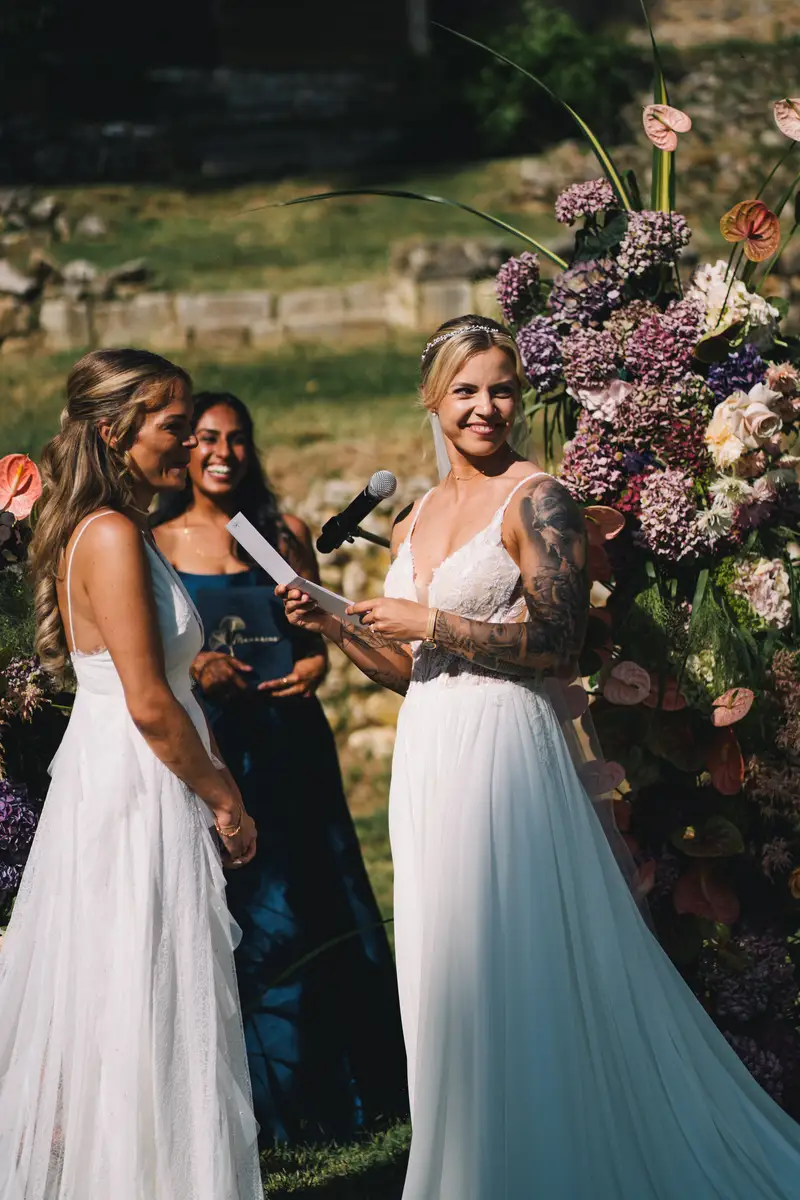
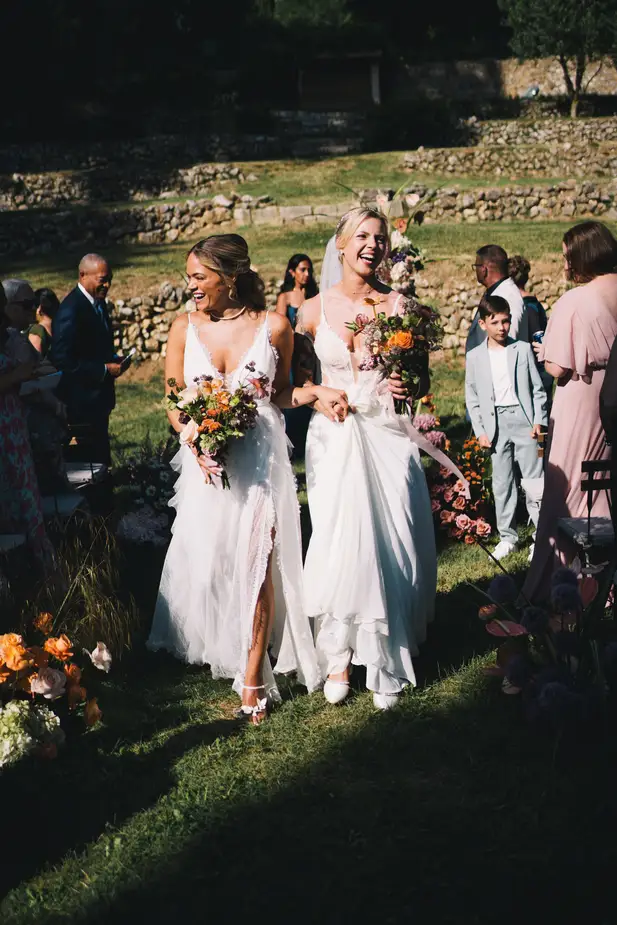
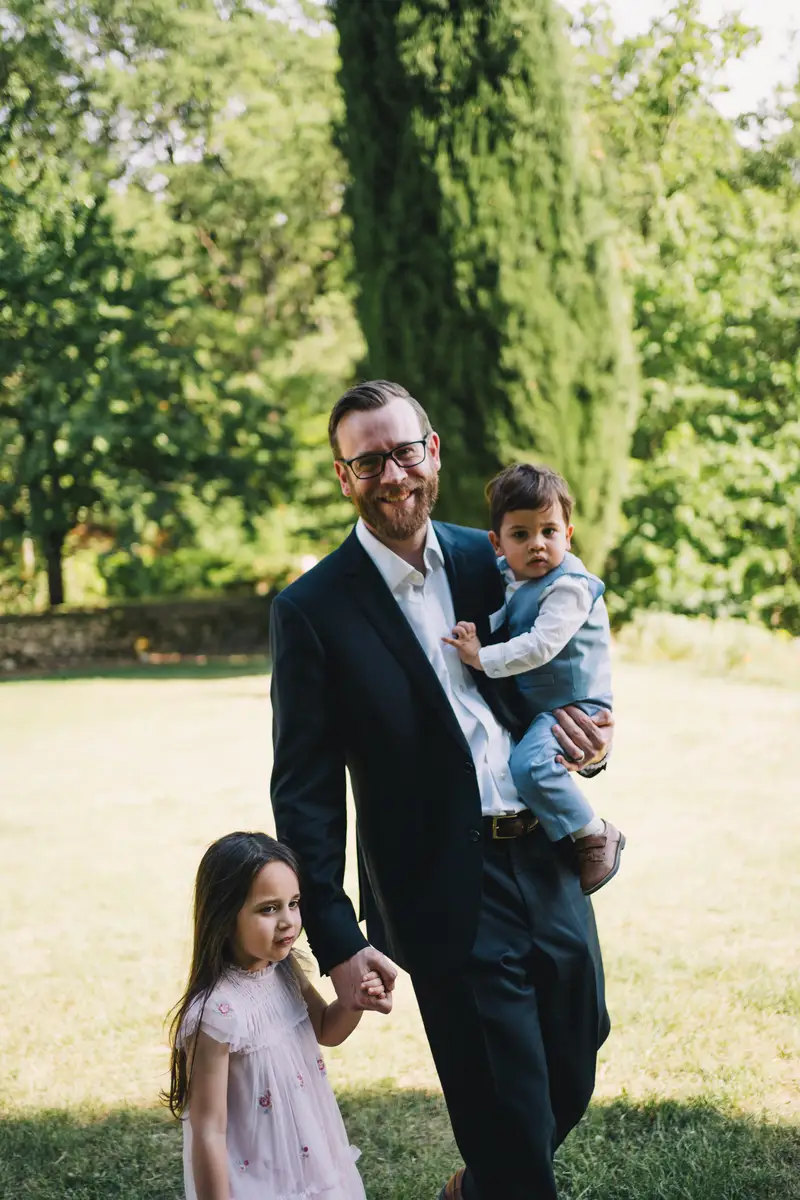
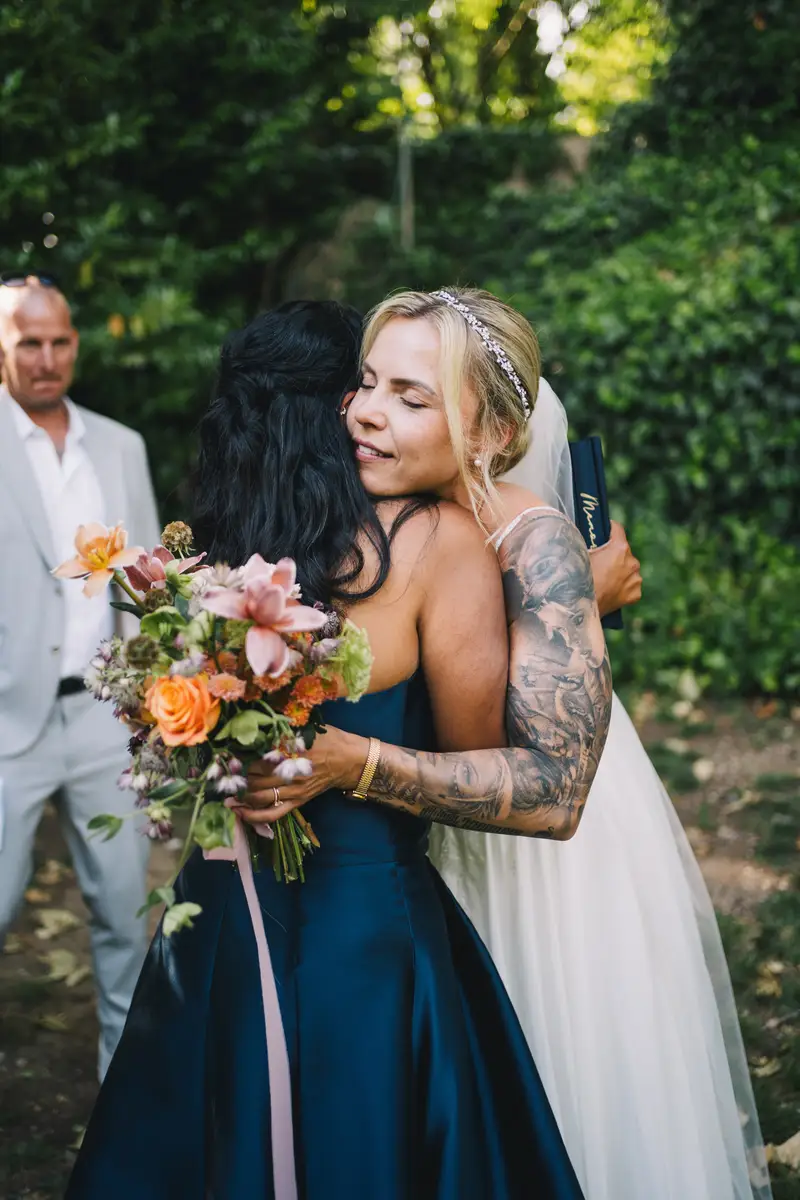
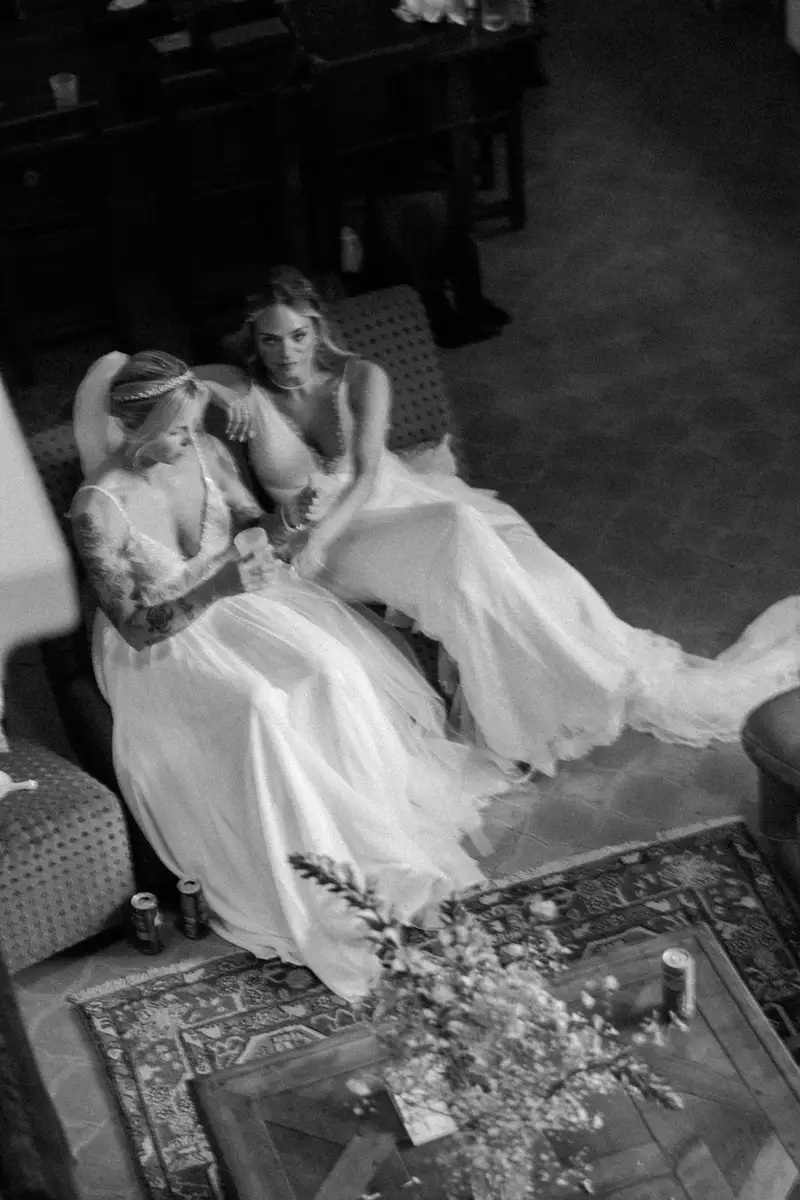
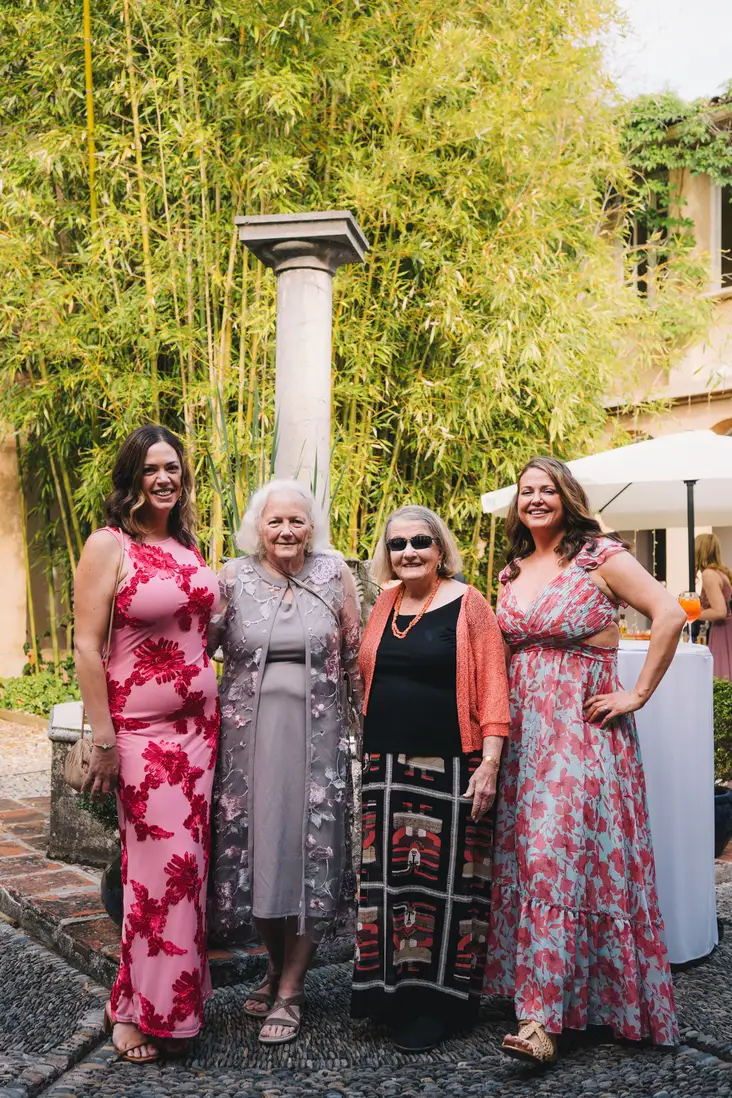
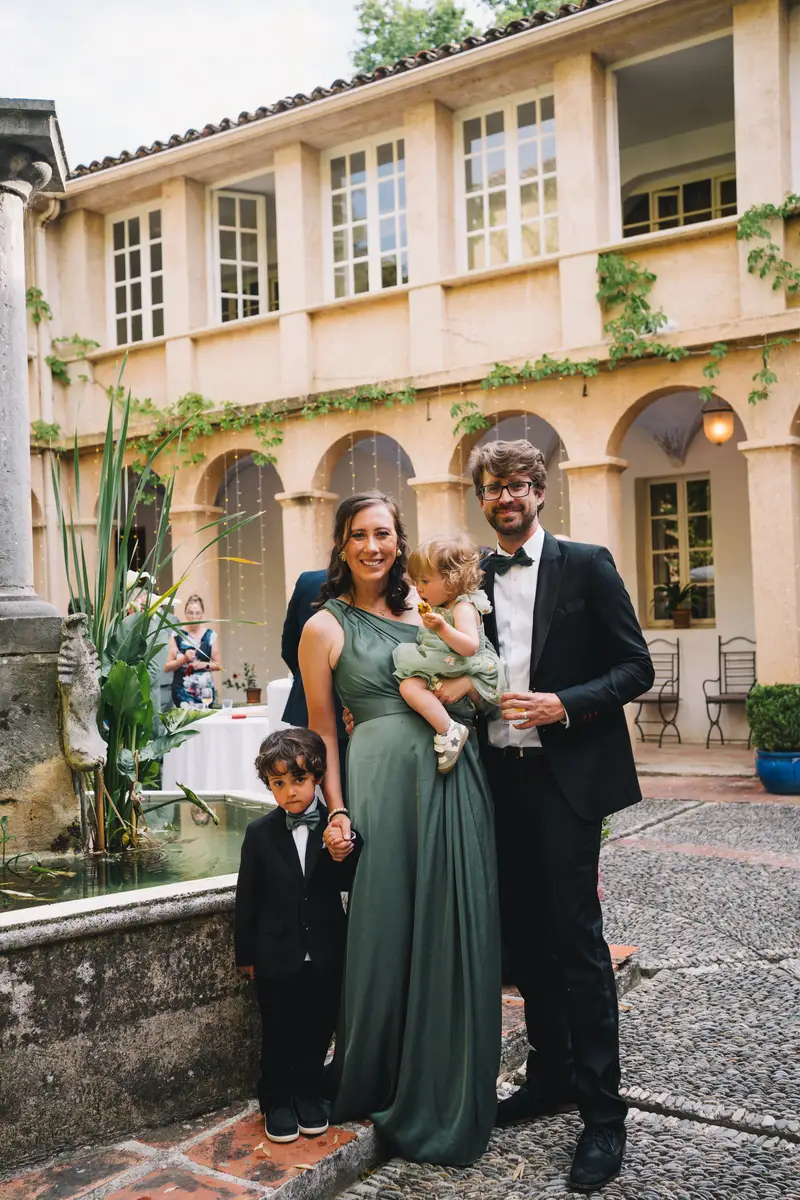
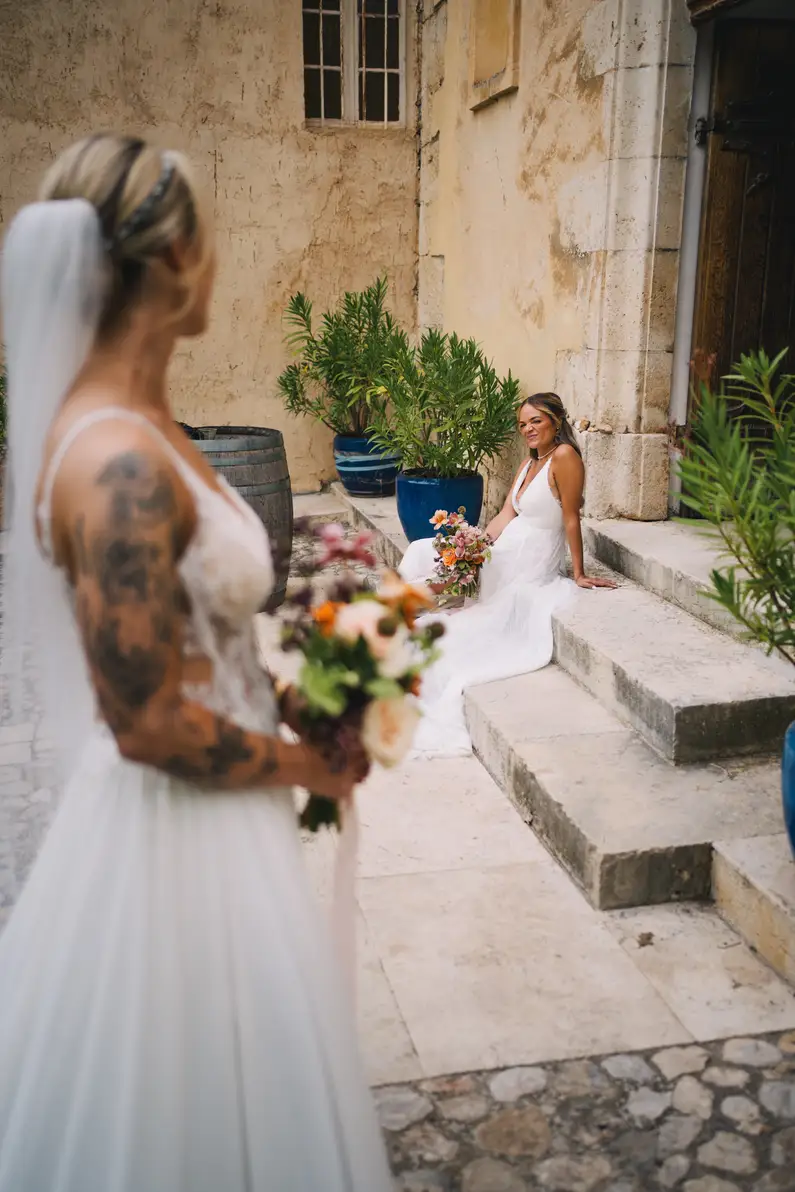
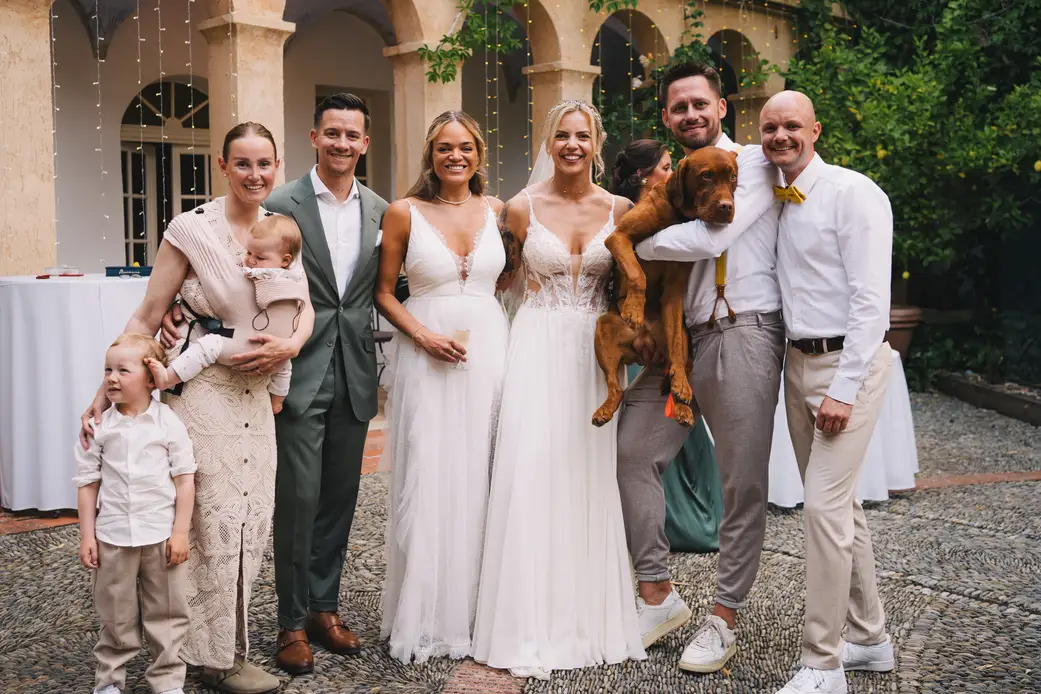
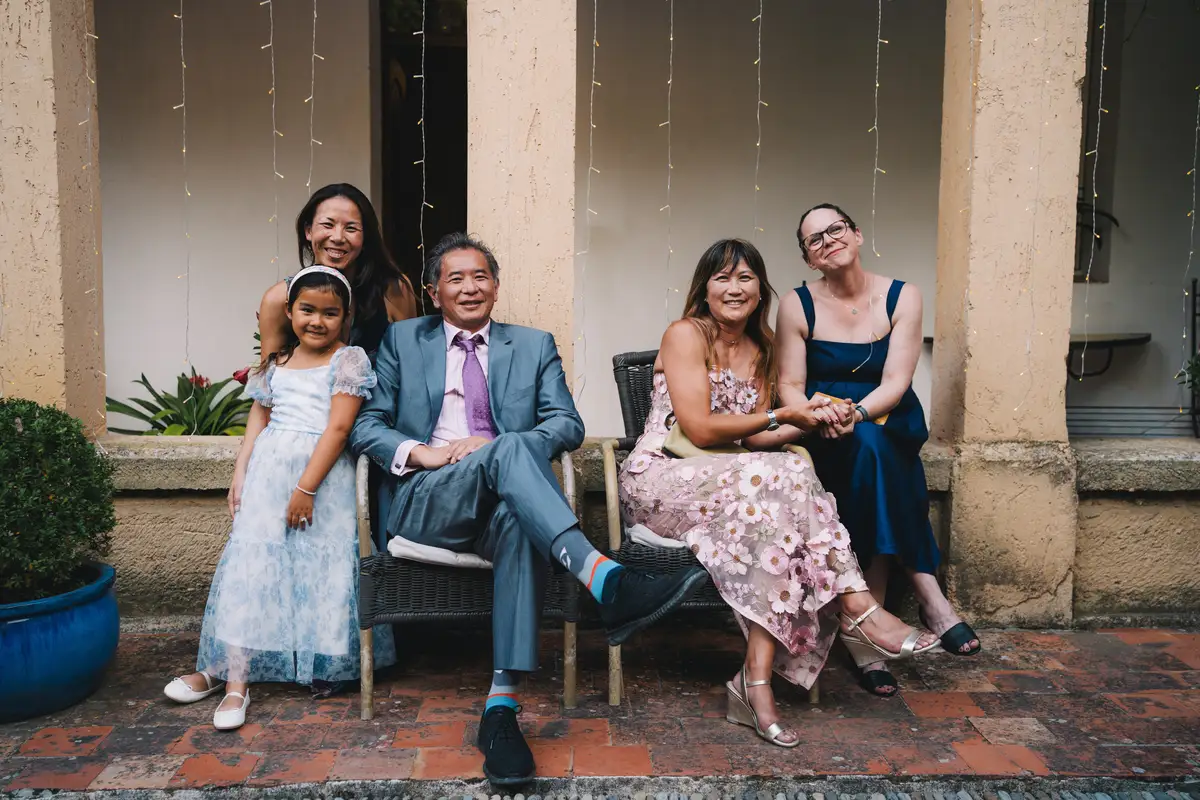
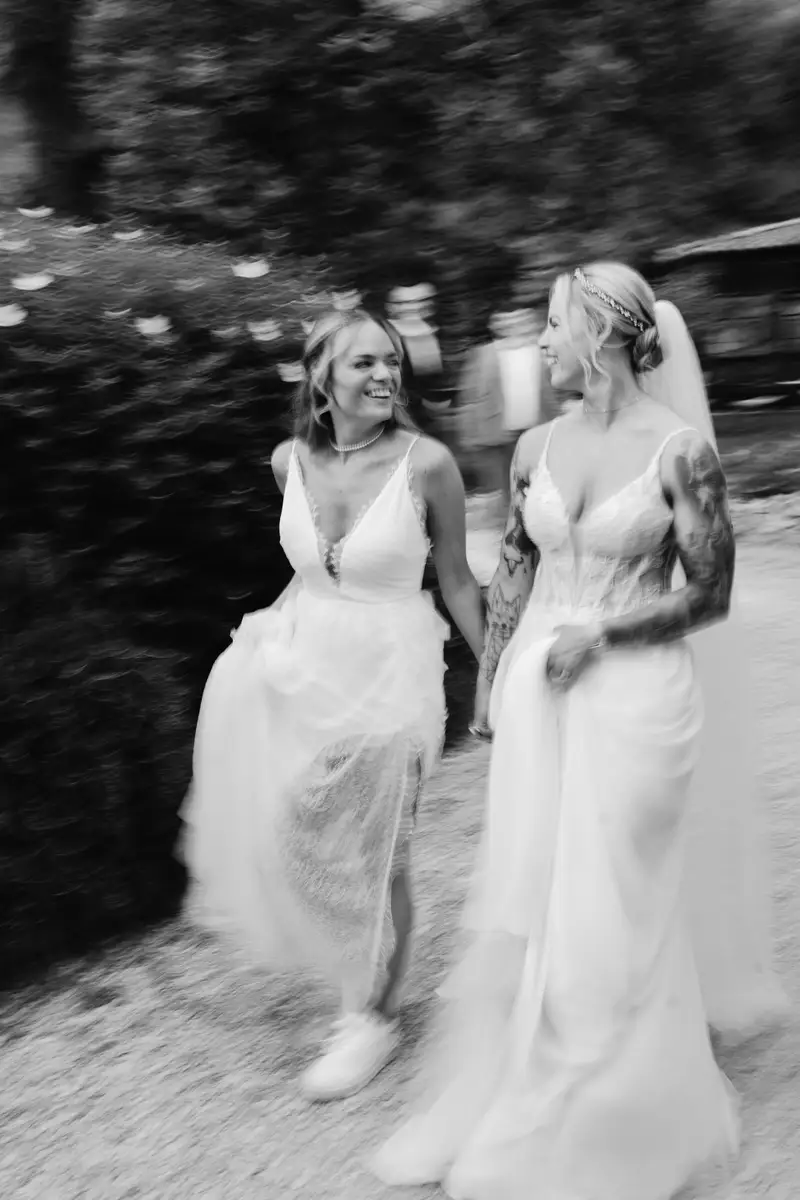
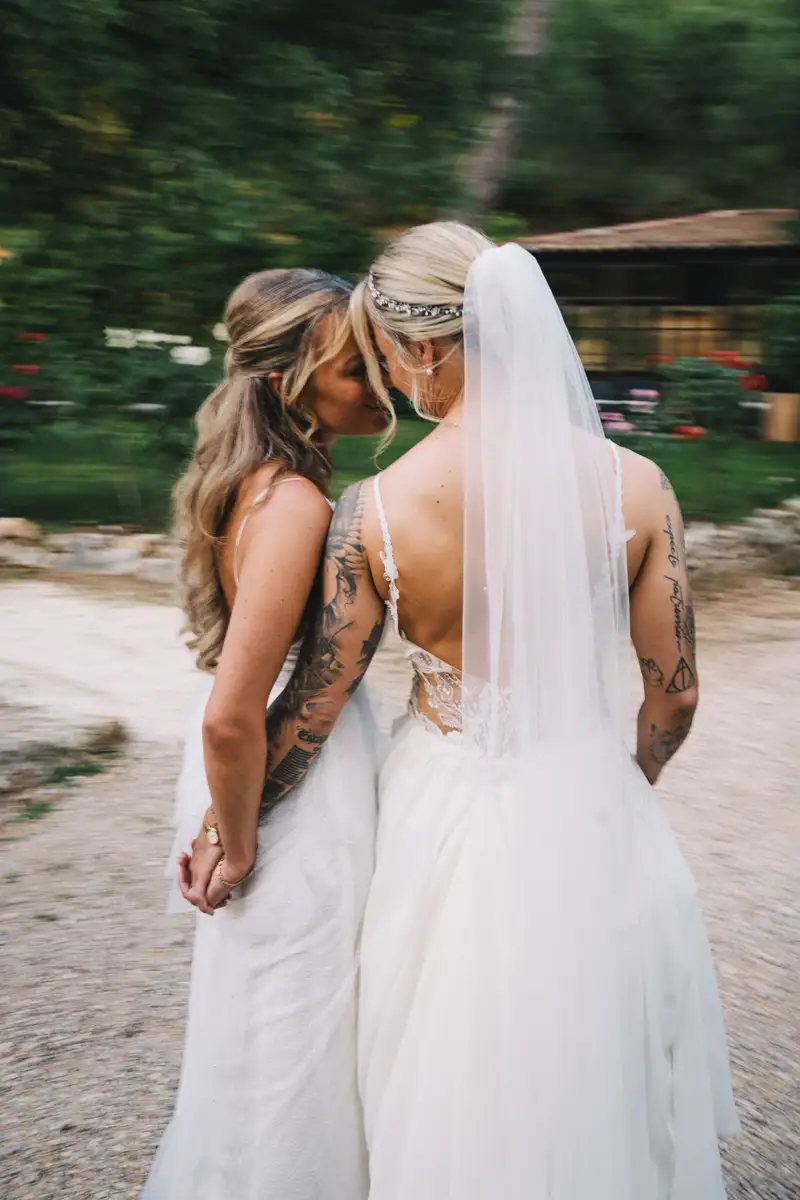
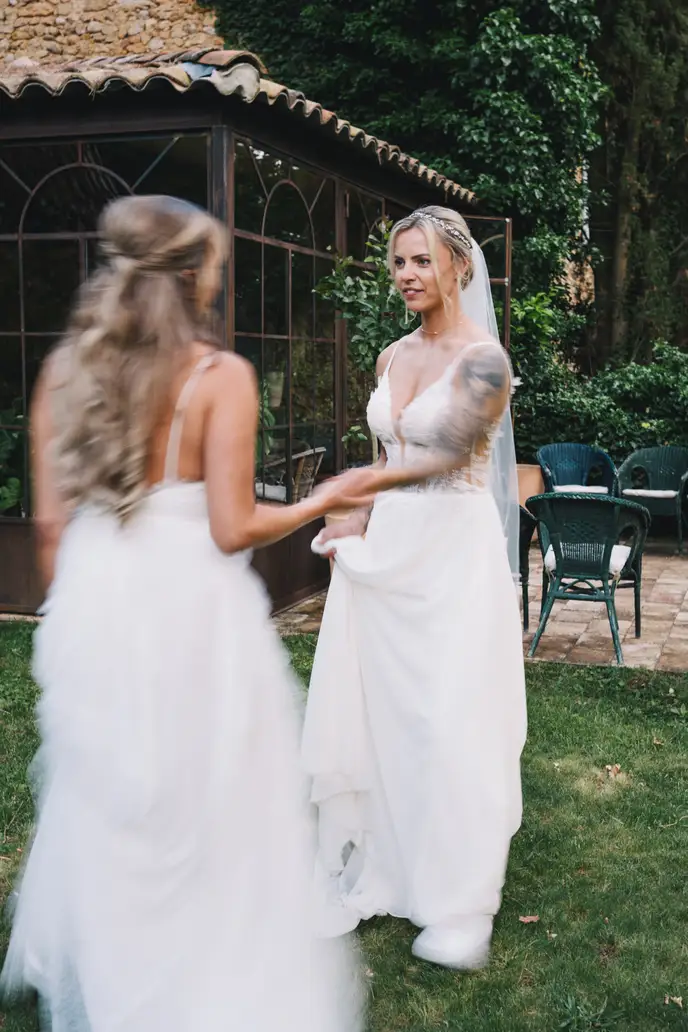
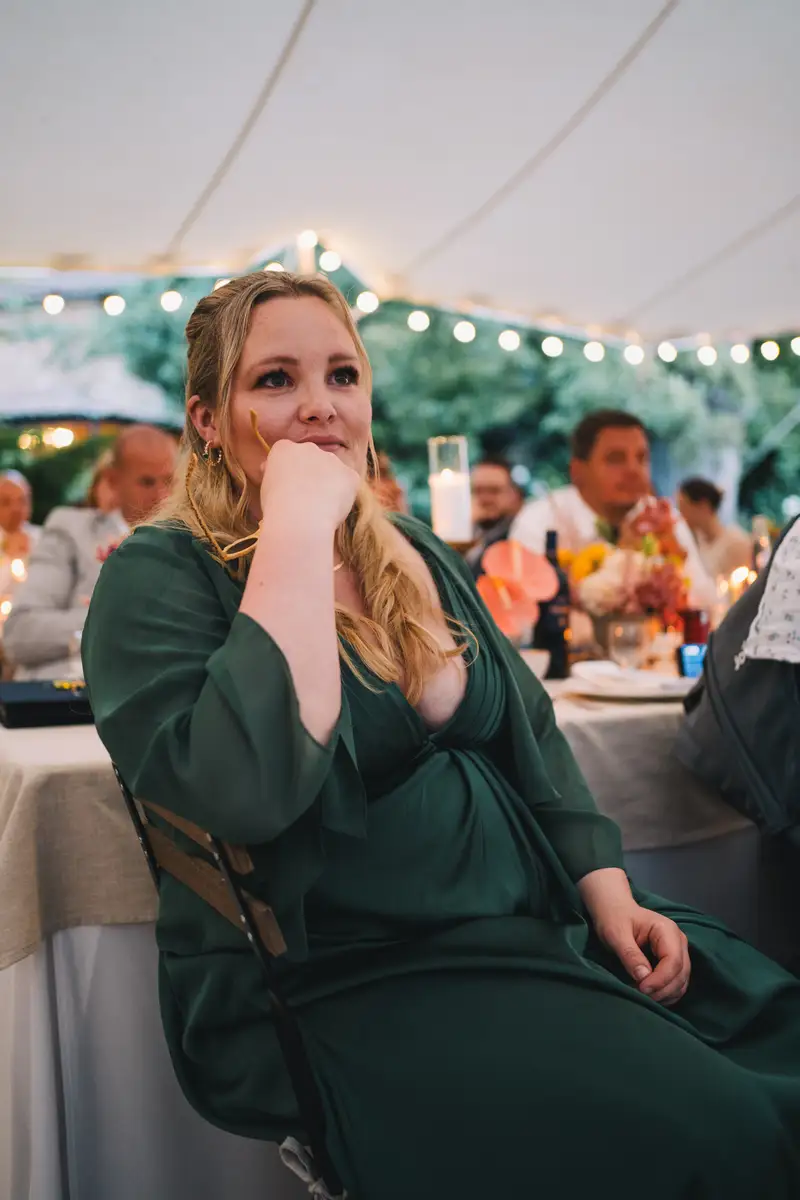
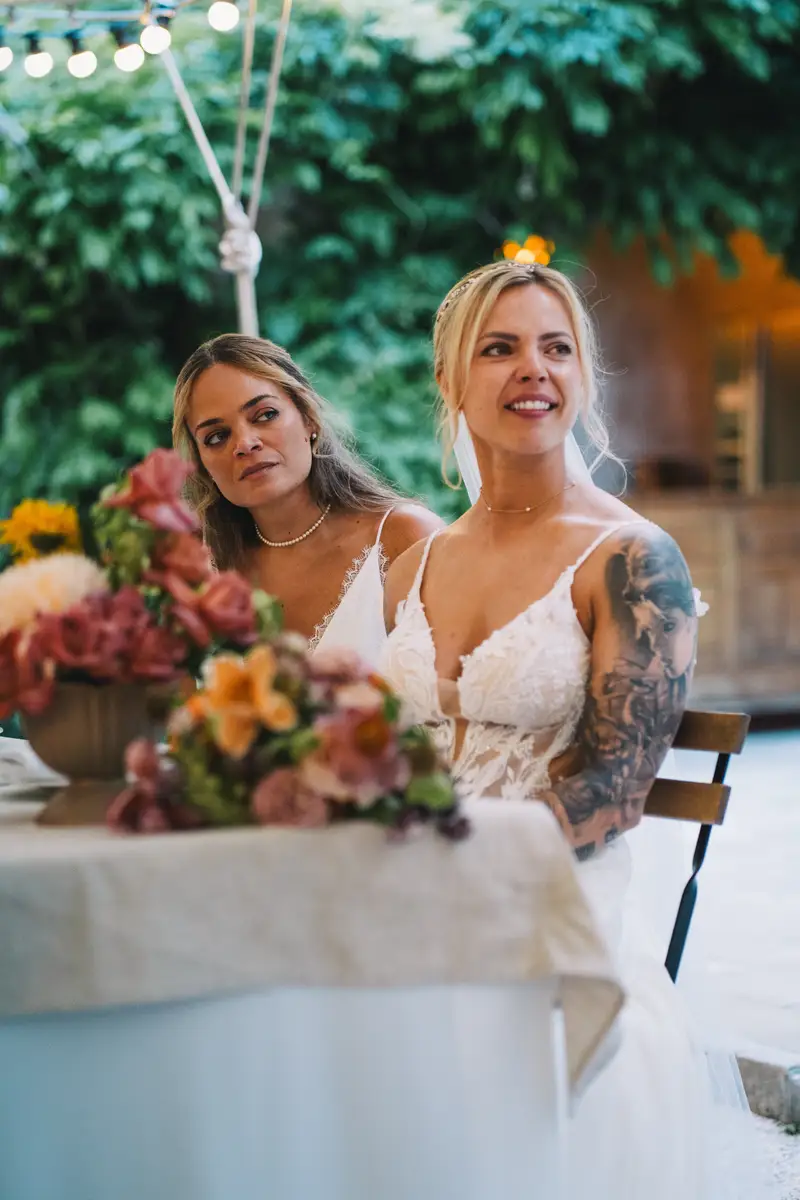
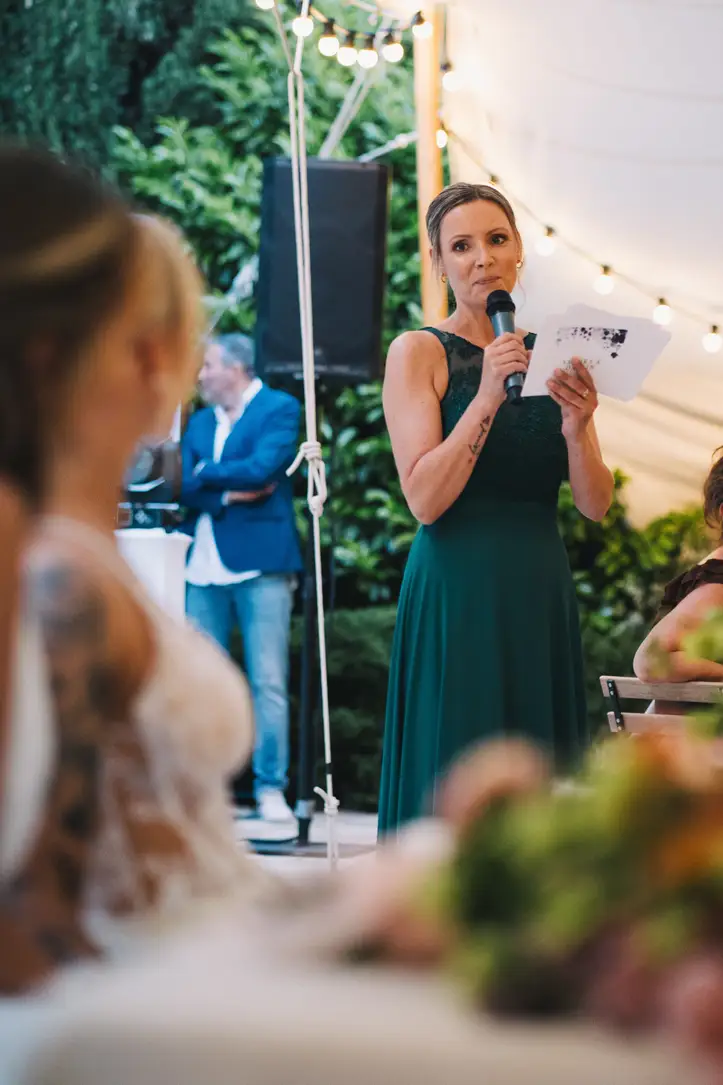
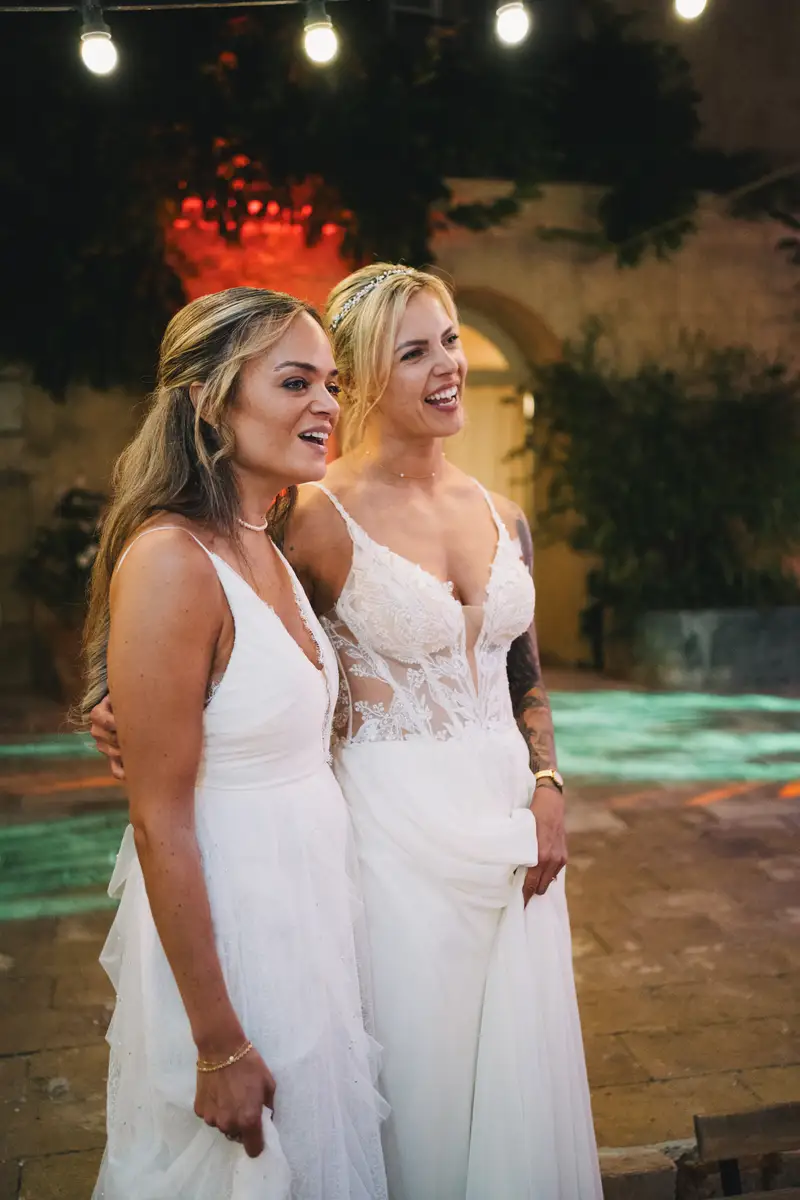
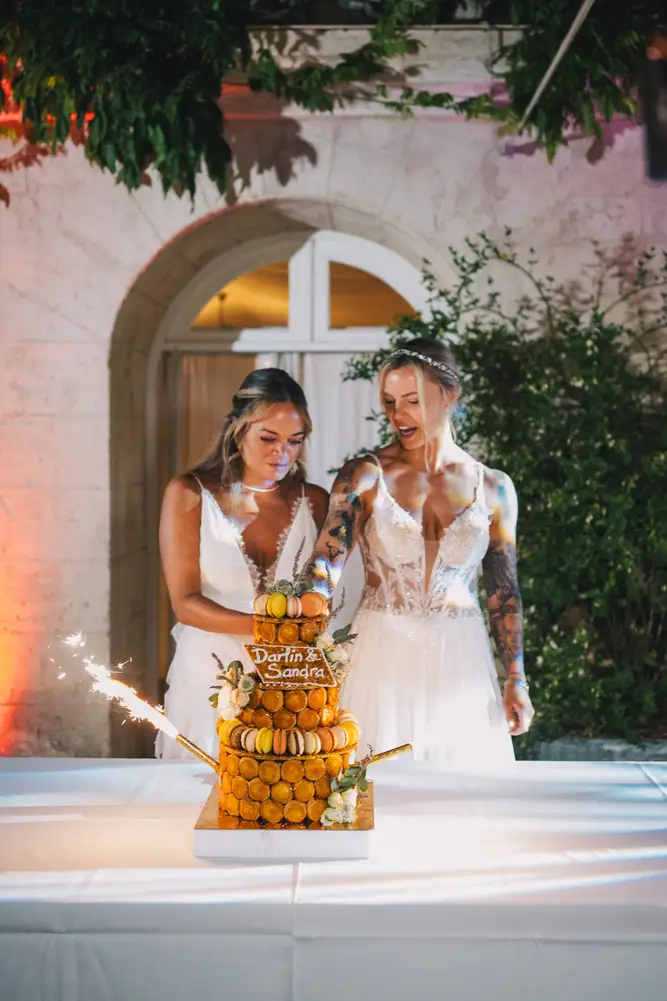
For their wedding, S&D, two American women who brought their loved ones together in Haute-Provence, chose the Monastère de Ségriès. Their day was shaped around a simple idea: staying together, enjoying the setting and allowing moments to unfold without turning the celebration into a photo shoot. As their Monastère de Ségriès wedding photographer, I documented that energy with a natural, lively approach focused on the relationships between people.
A venue designed to keep everyone together
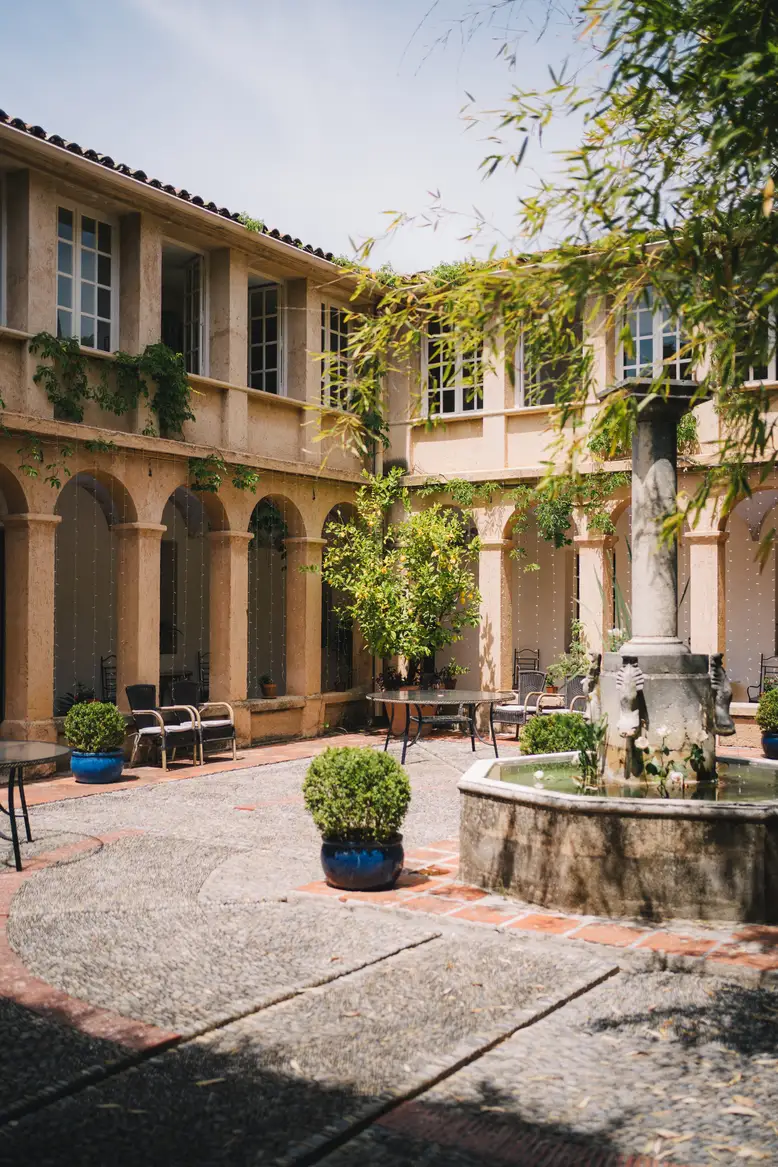
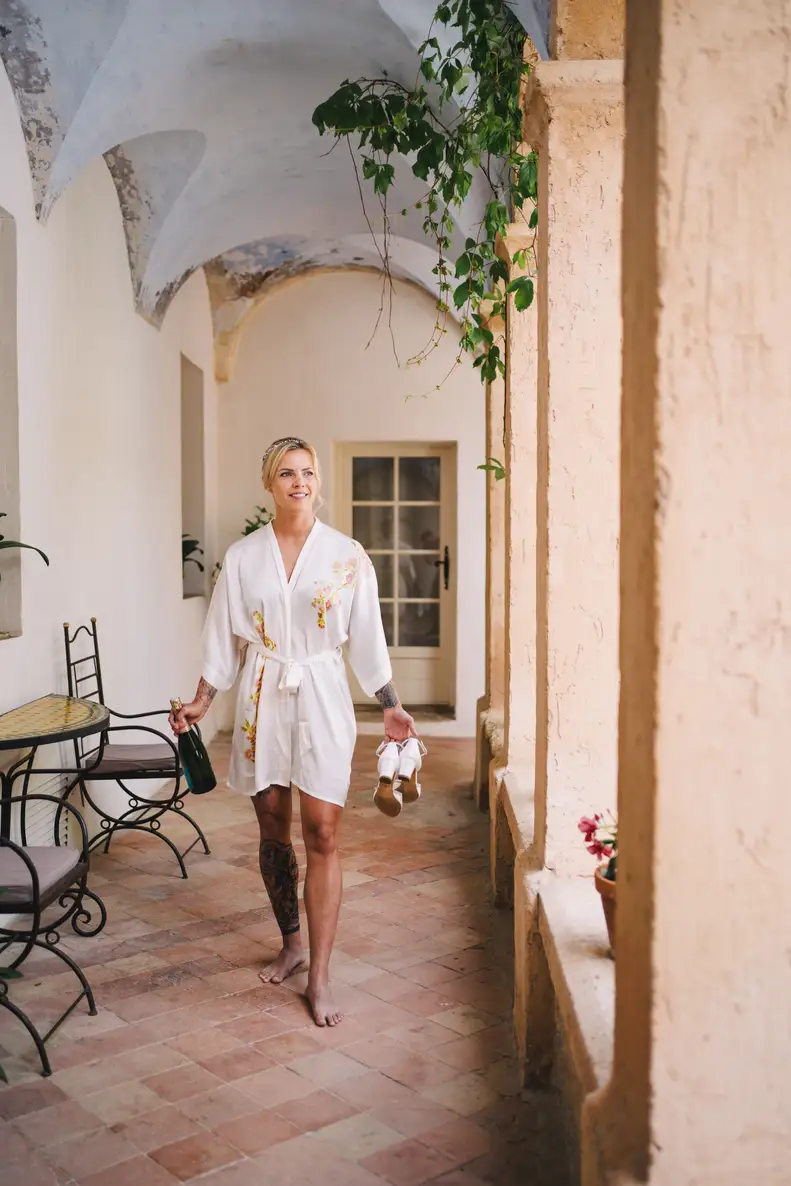
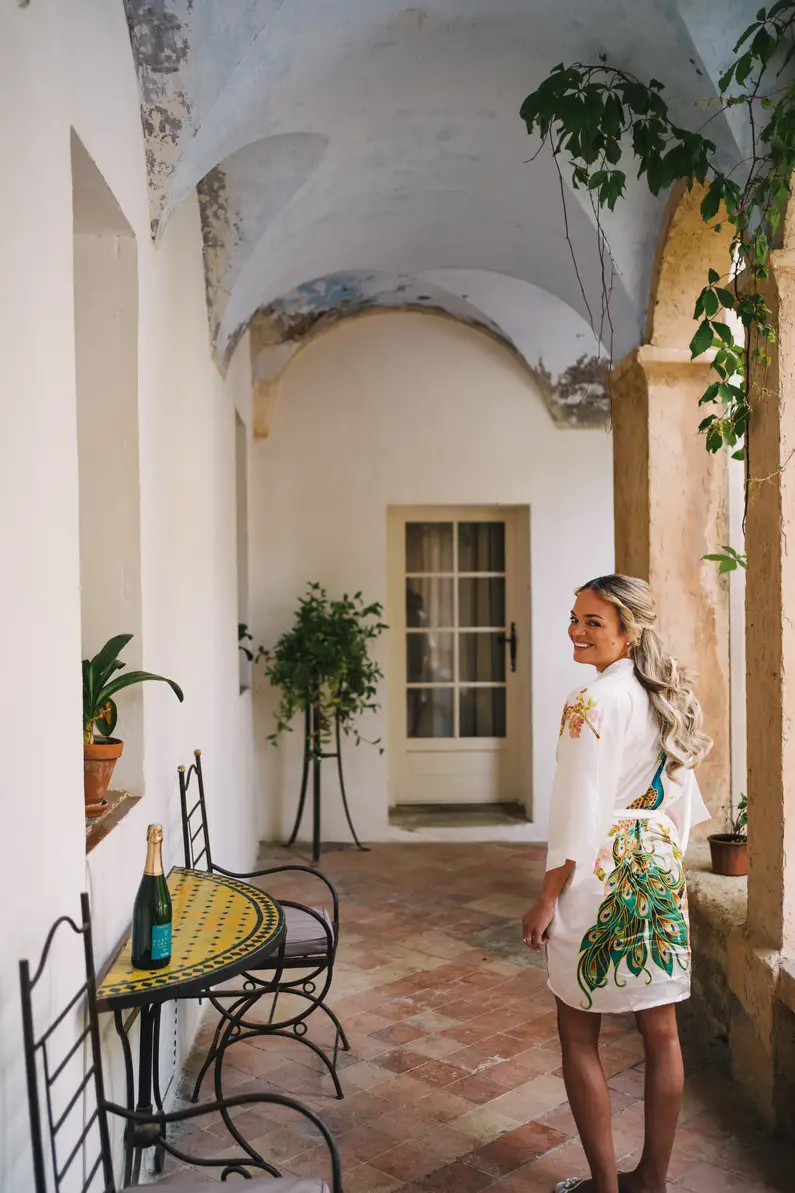
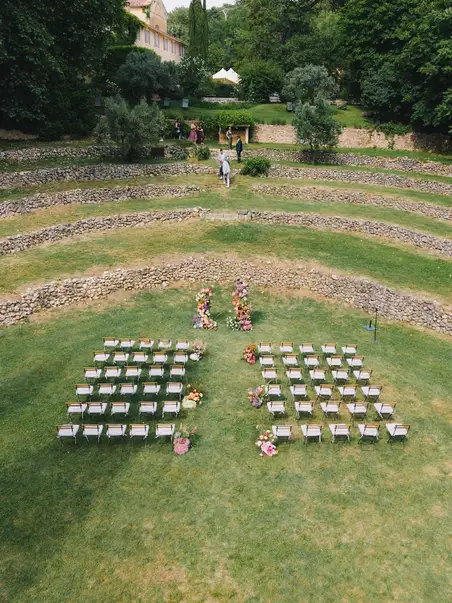
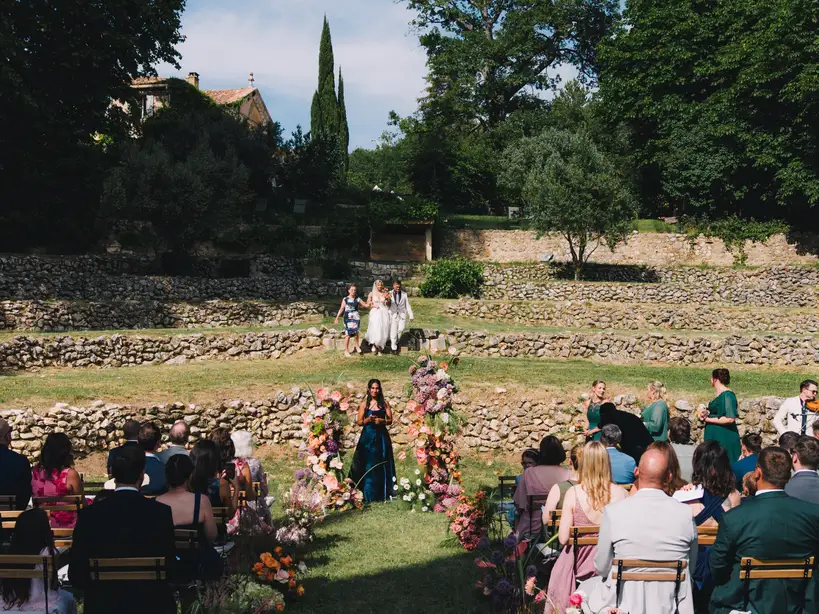
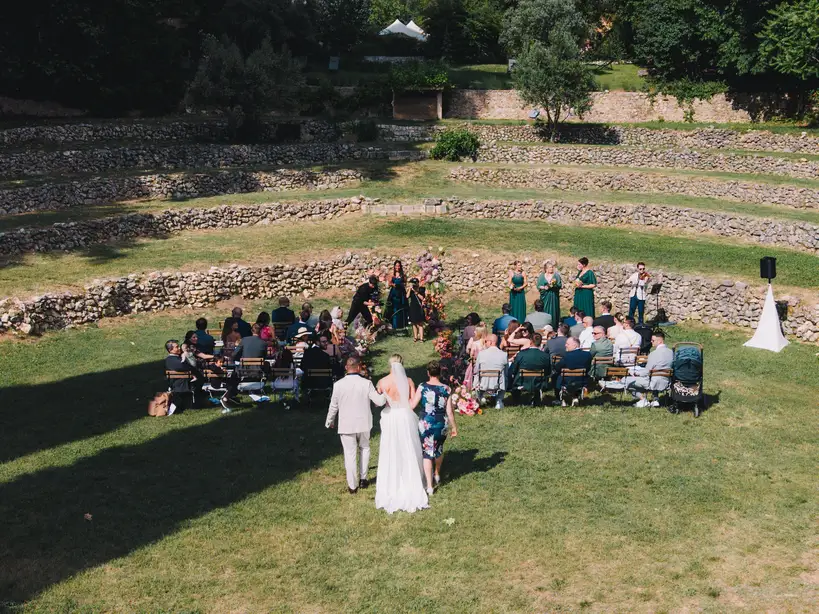
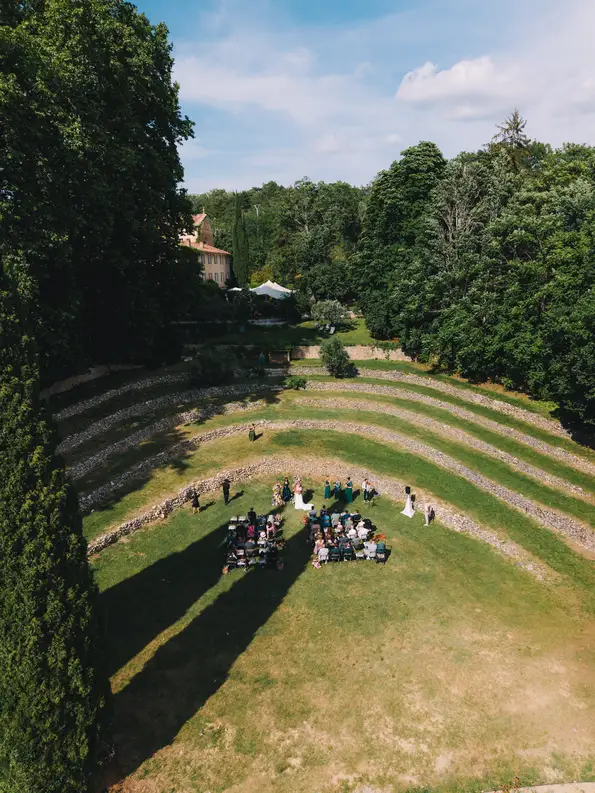
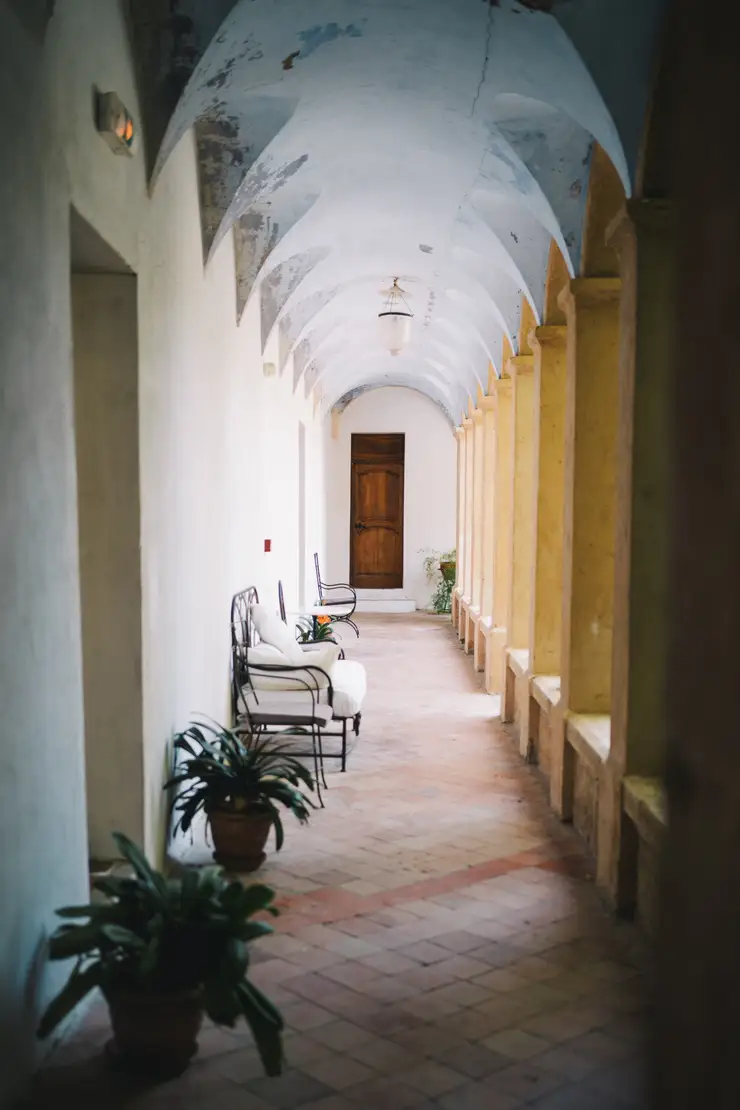
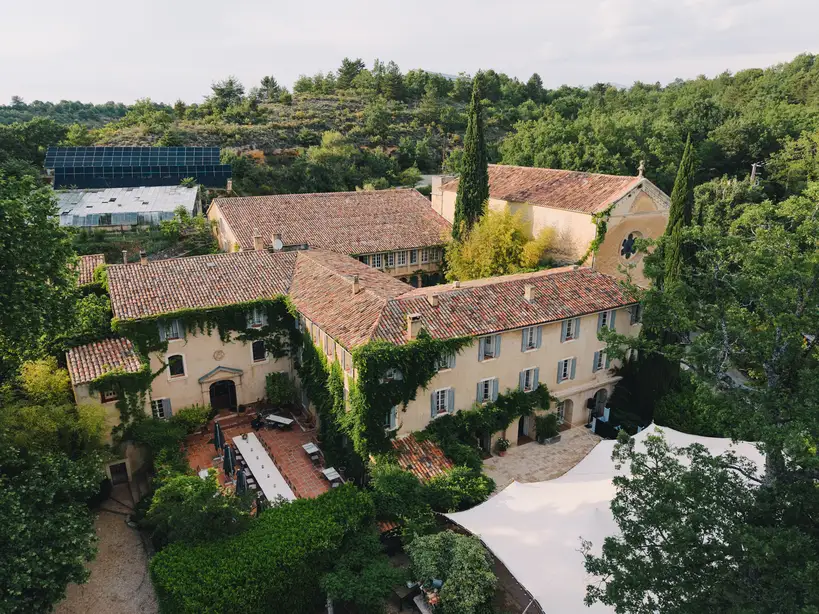
The Monastère de Ségriès is located six kilometres from Moustiers-Sainte-Marie, in the heart of the Verdon Regional Natural Park. Its appeal lies less in a collection of backdrops than in the way the day can flow between the cloister, gardens, amphitheatre, terraces and indoor spaces. Some guests can stay on site, naturally extending the time spent together before and after the main celebration. The accommodation and catering offered by the venue also make it possible to plan a more continuous wedding weekend, with fewer transfers and more time genuinely shared.
Different settings without leaving the property
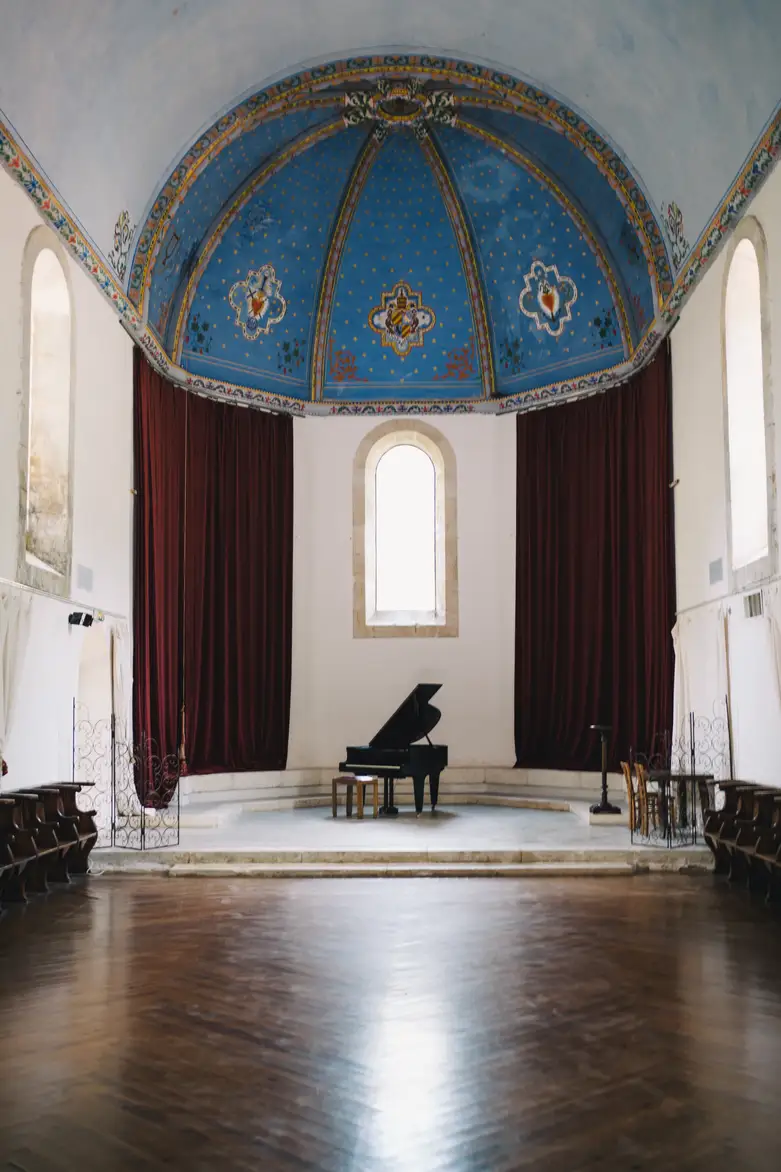
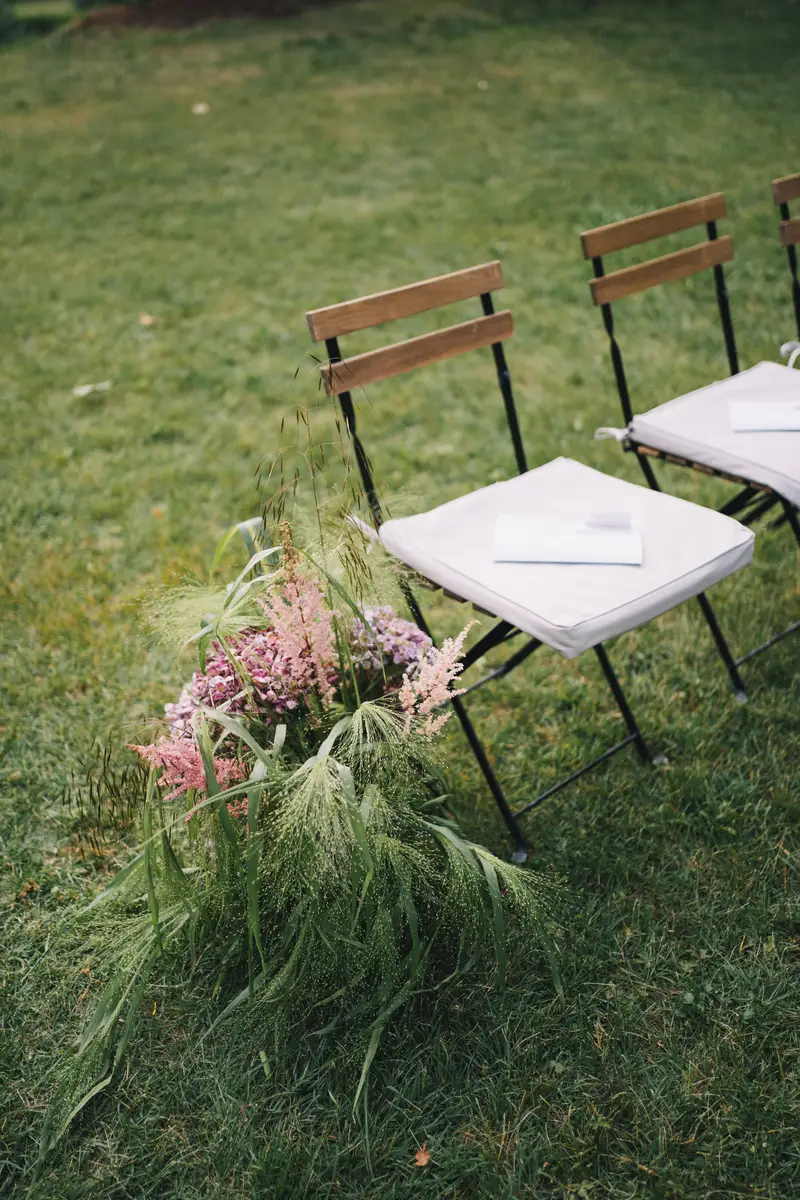
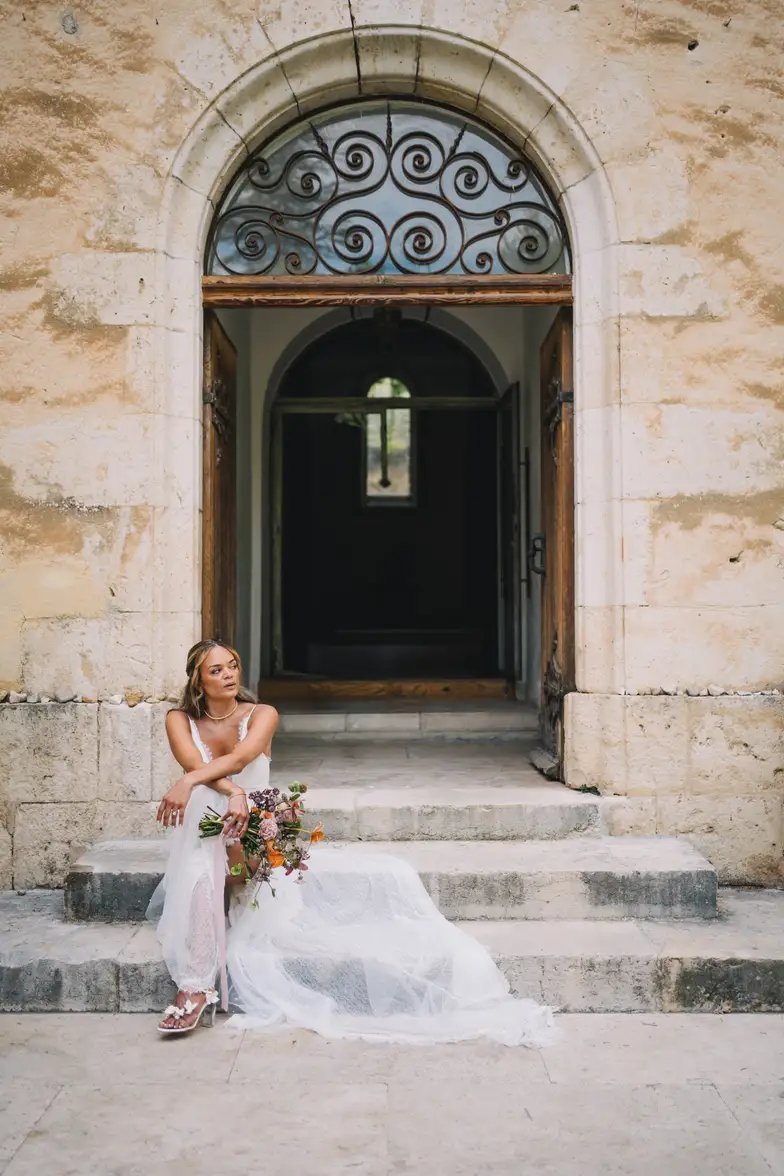
Photographing a wedding at the Monastère de Ségriès makes it possible to create varied atmospheres without taking the couple on long walks between locations. The cloister offers softer, more contained light, the gardens provide space for movement and interaction, while the chapel and reception rooms bring a different character to the preparations or dinner. This continuity is valuable for documentary wedding photography: the photographer can follow changes in pace, move from an intimate moment to a larger group scene and remain available for the unexpected. The venue becomes part of the narrative rather than a simple sequence of backdrops.
Preparing the photography before the wedding day
My support begins well before the couple arrives at the venue. We discuss their priorities, then I review the timeline, the changing light and the movement between each space. I coordinate the key points with the wedding planner, videographer and other suppliers to avoid unnecessary pauses or important photographs being scheduled at the wrong time. For family and group photographs, we prepare a short list and choose someone who can gather the right people. During the portraits, I offer simple guidance on position, movement and light without asking the couple to perform or play a role.
Natural documentary photography with a cinematic touch
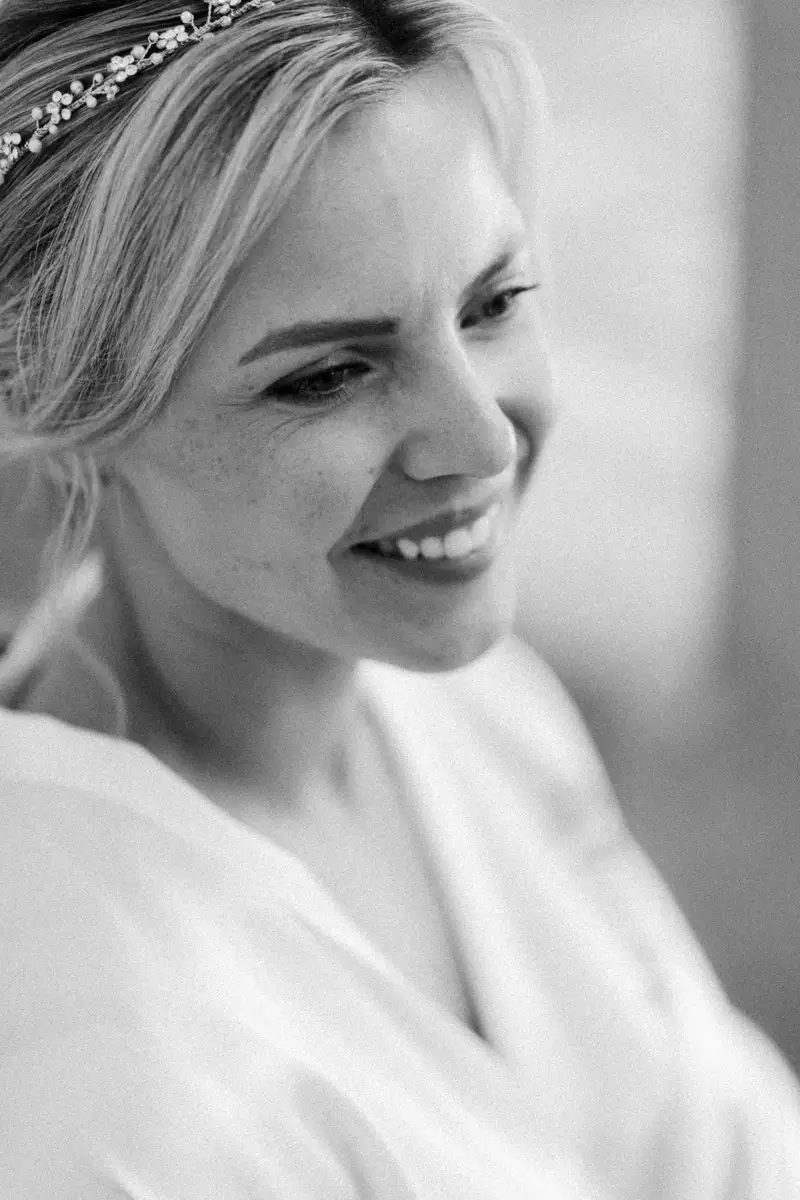
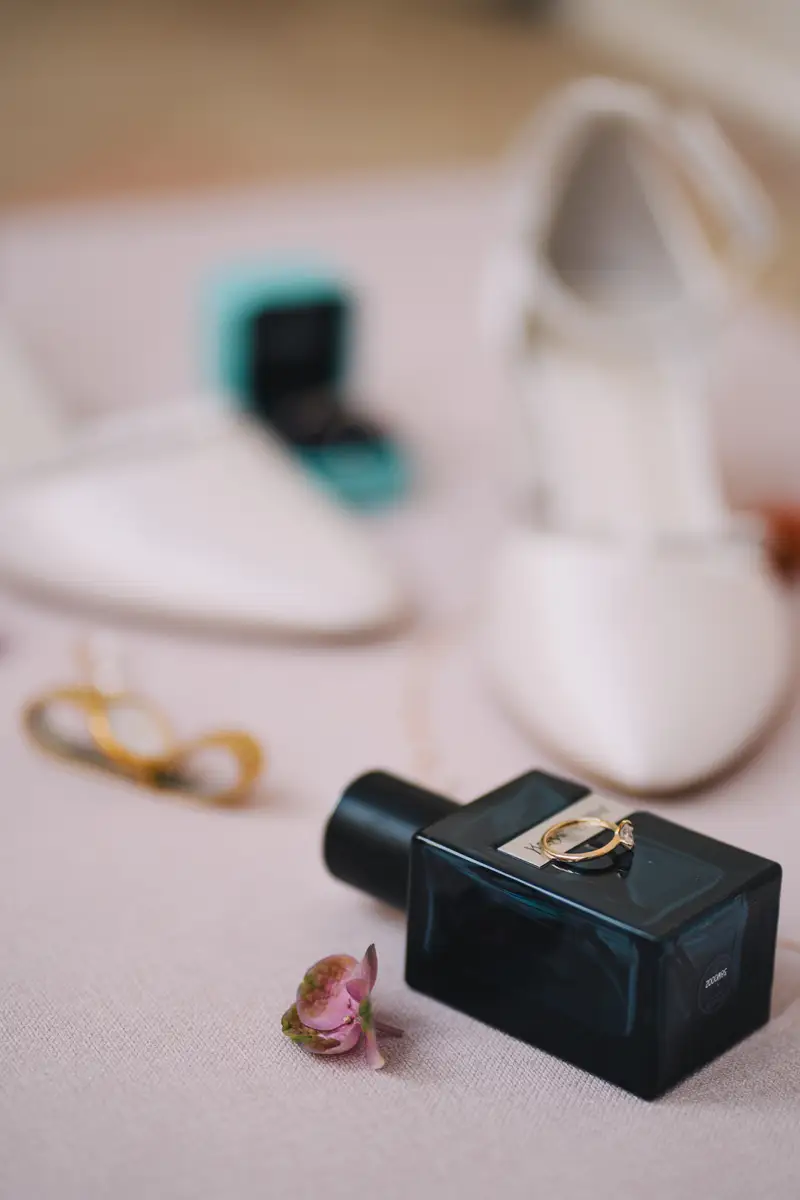
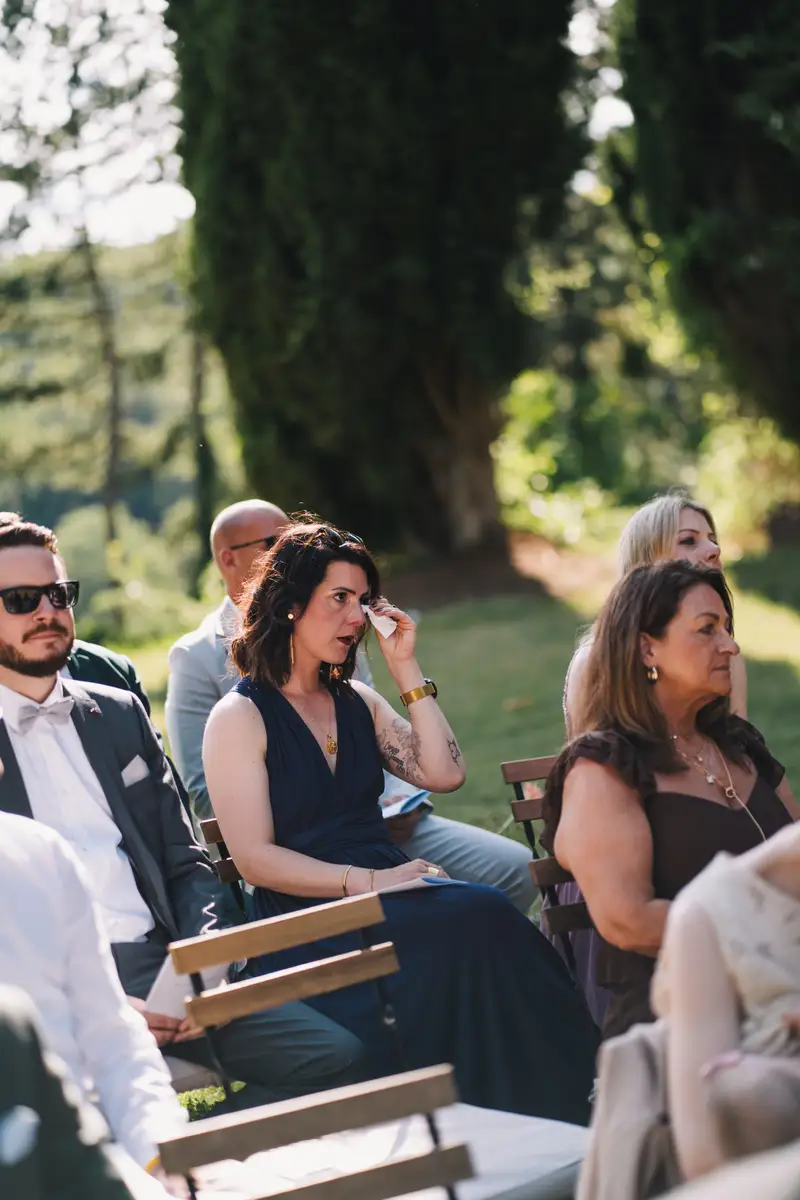
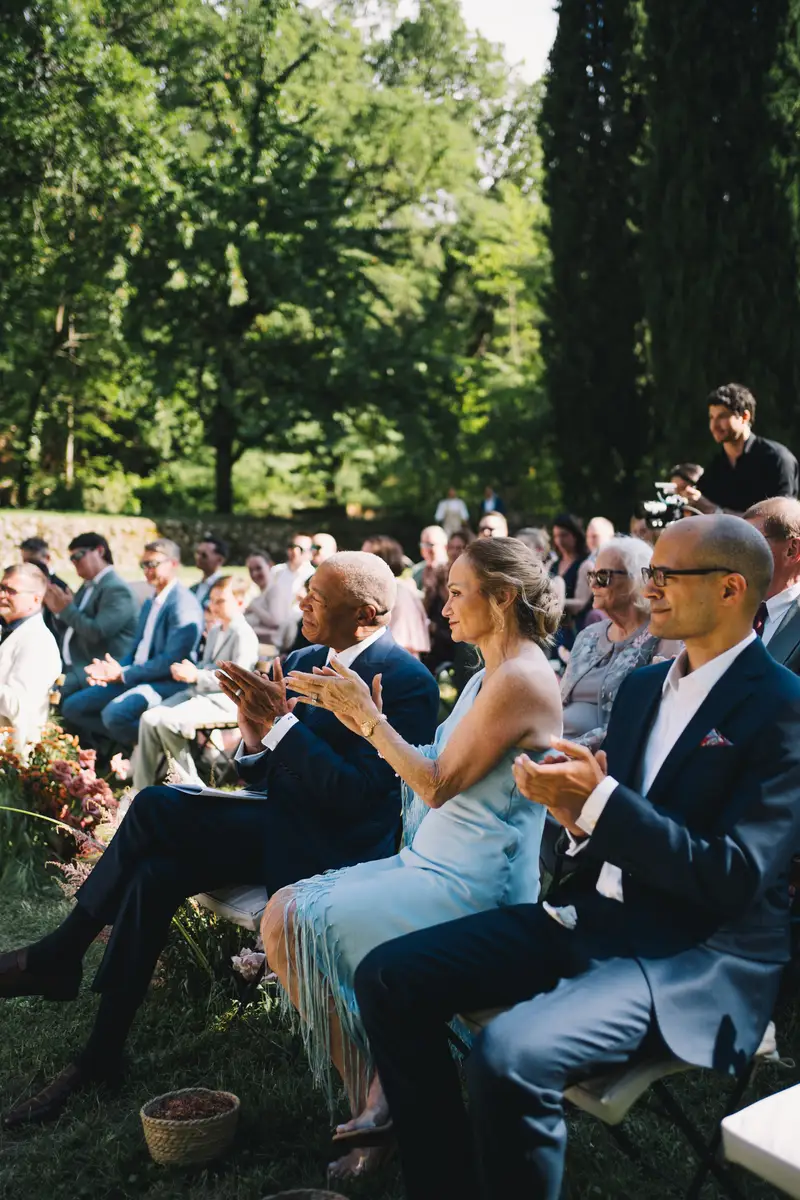
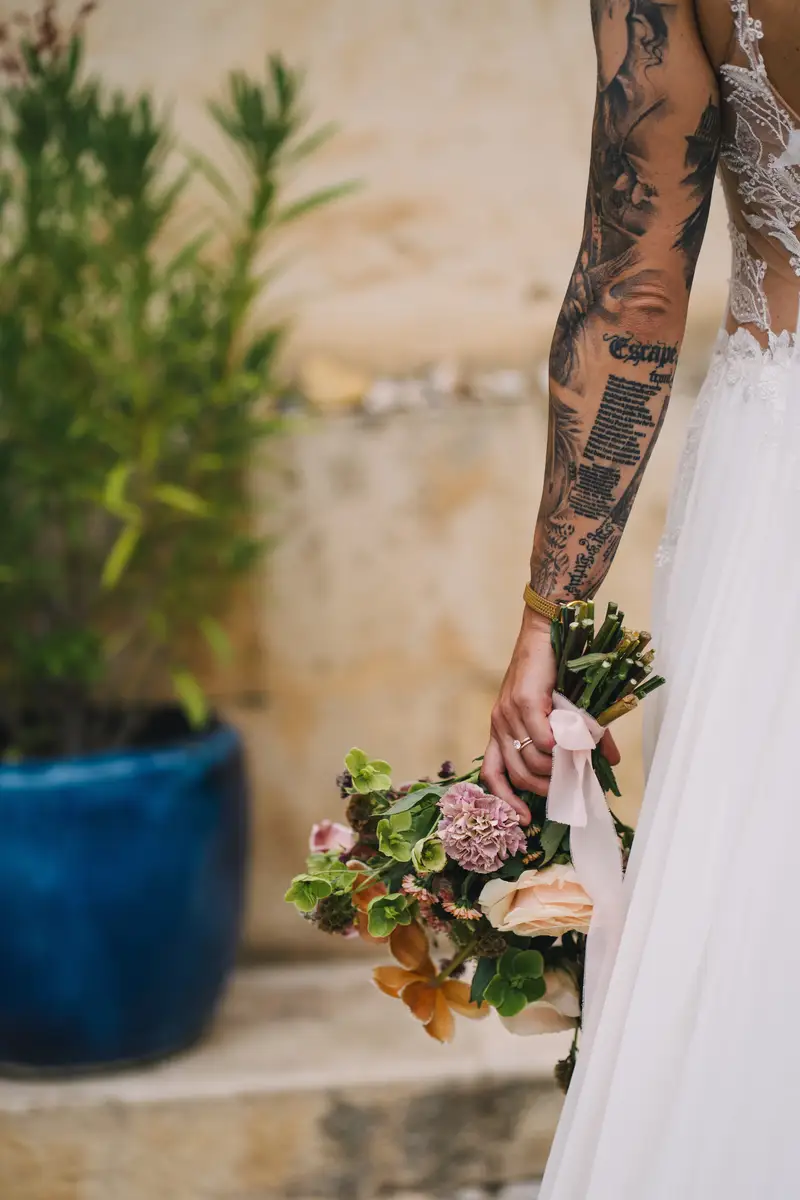
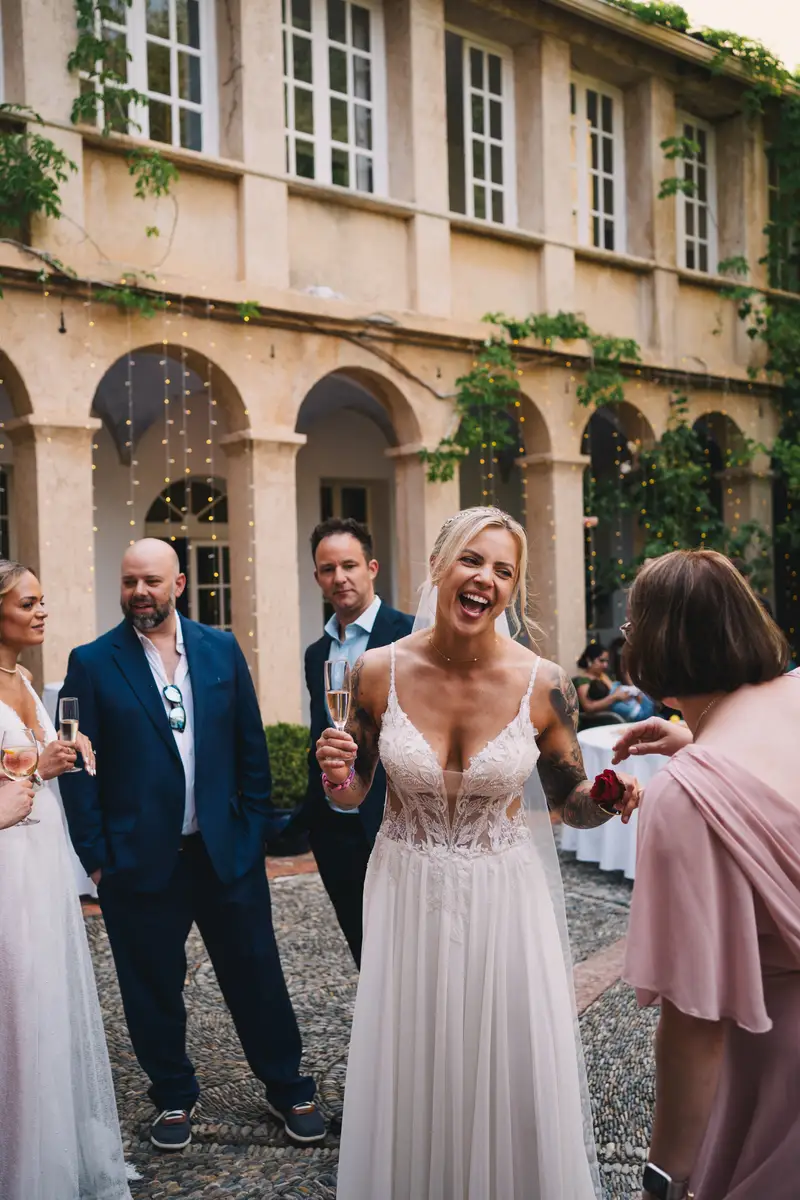
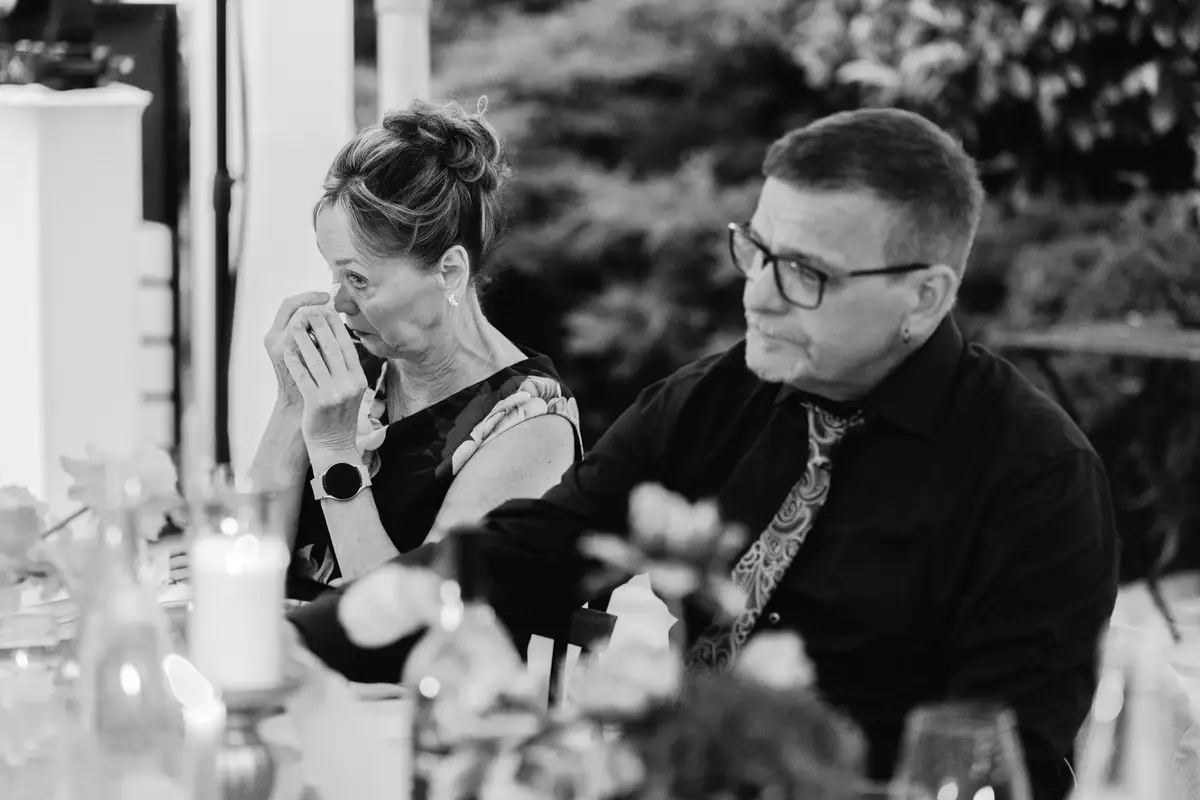
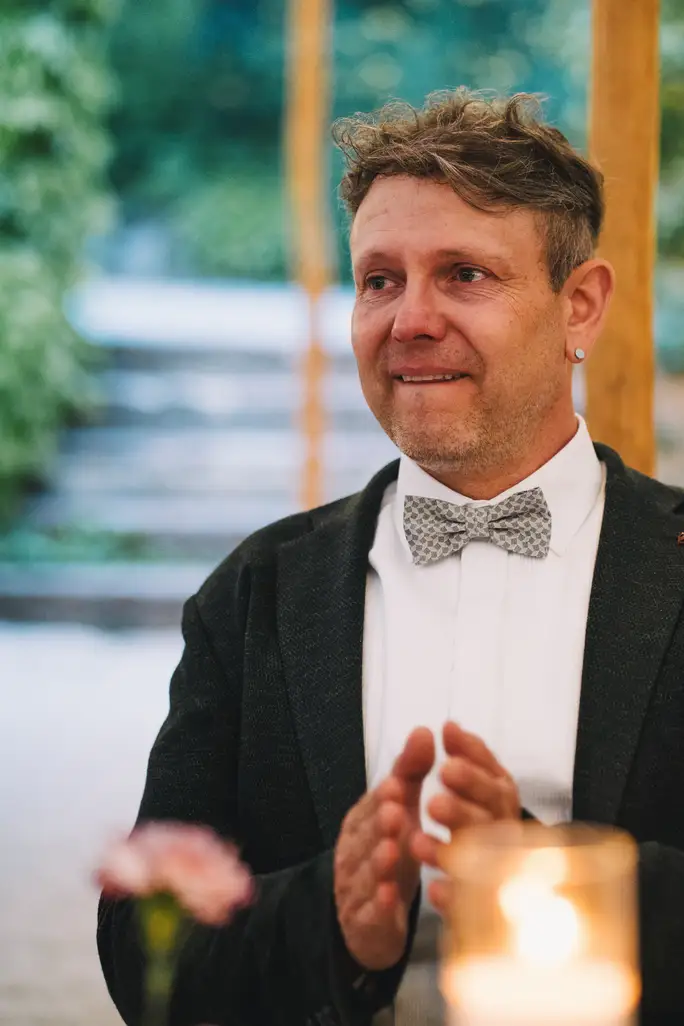
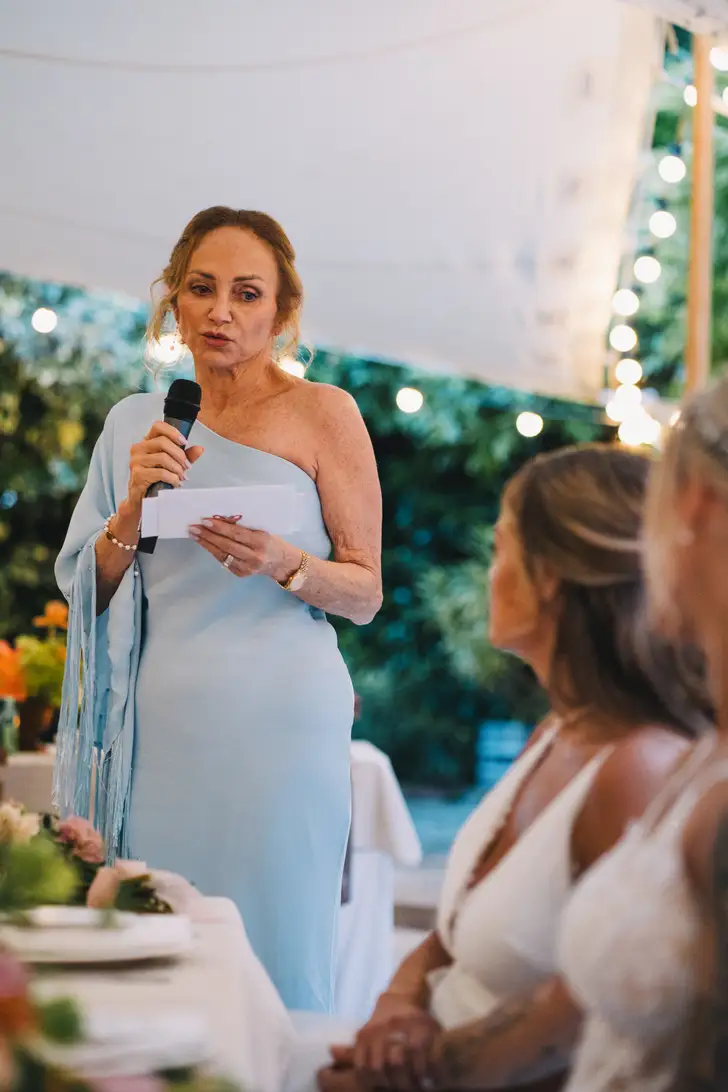
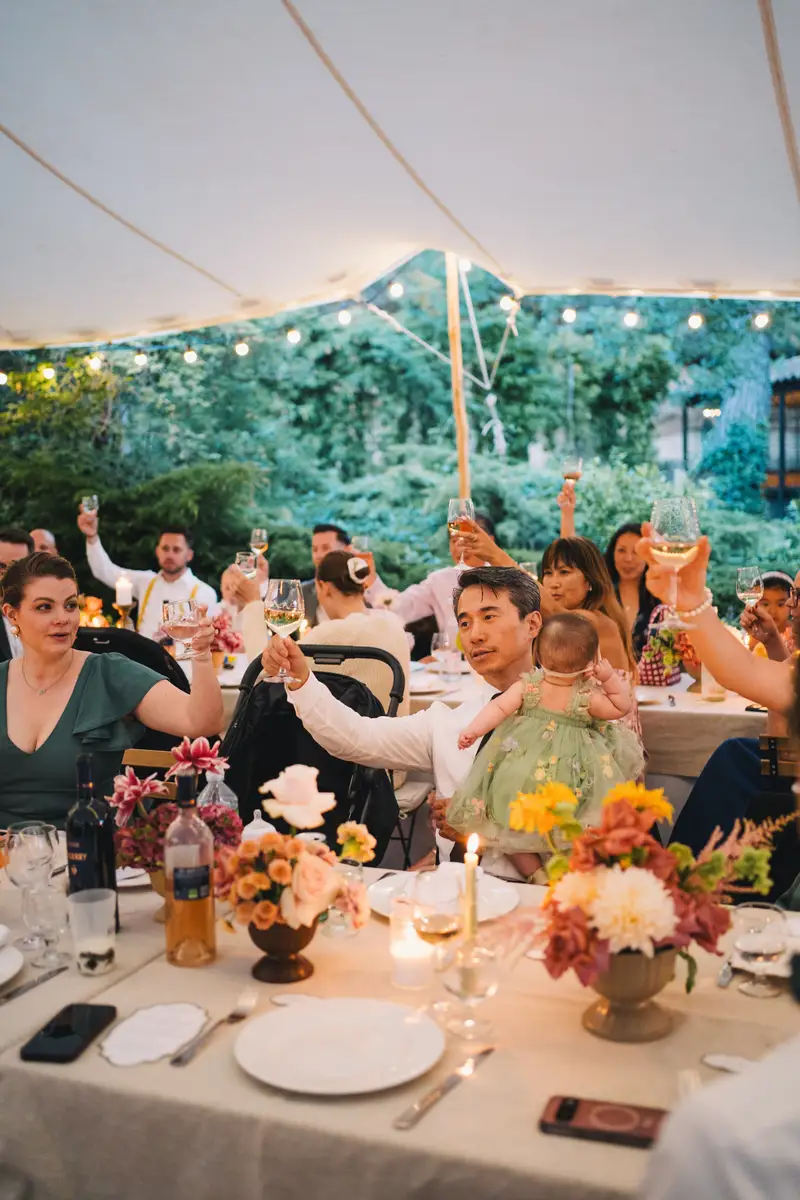
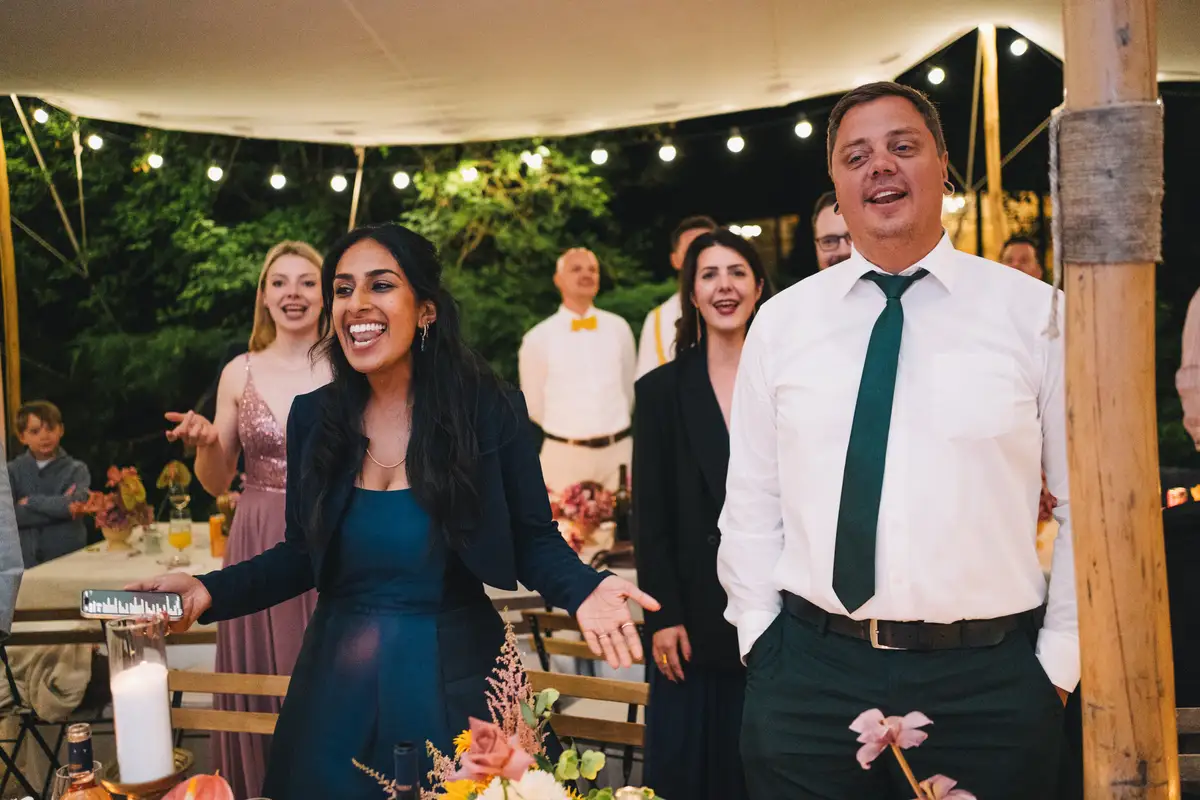
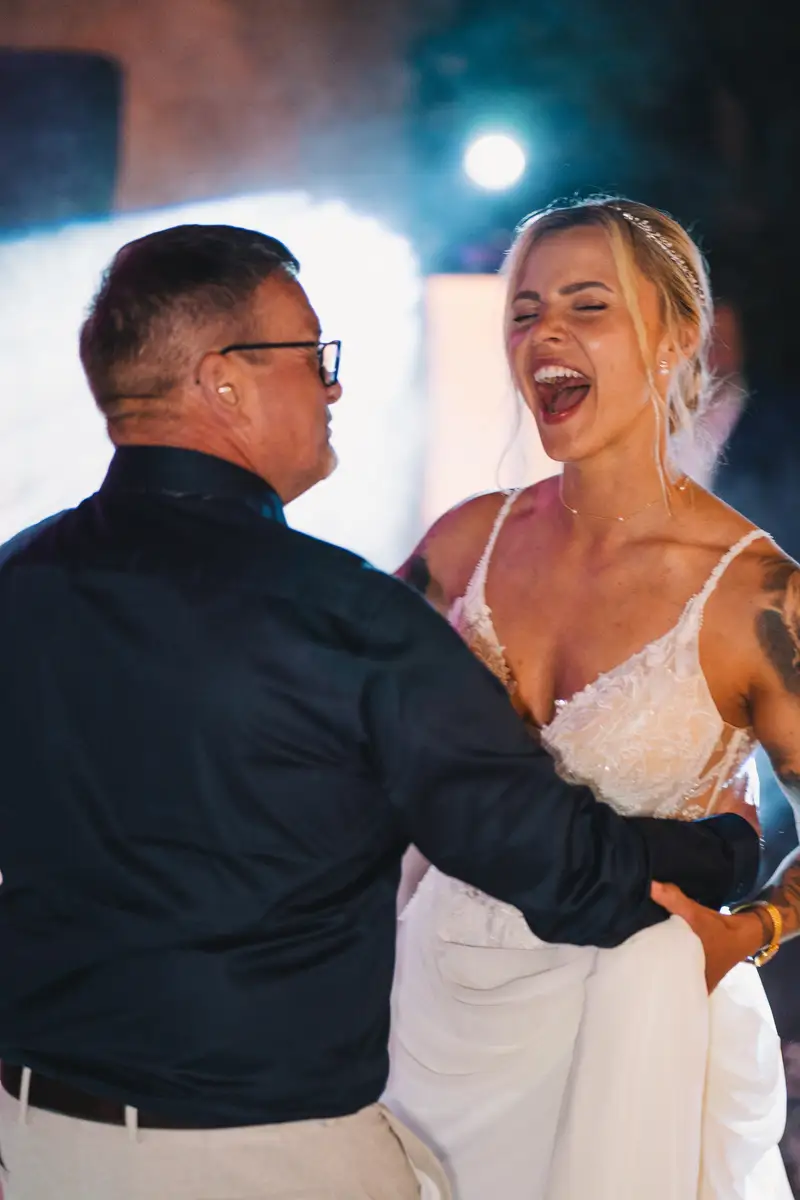
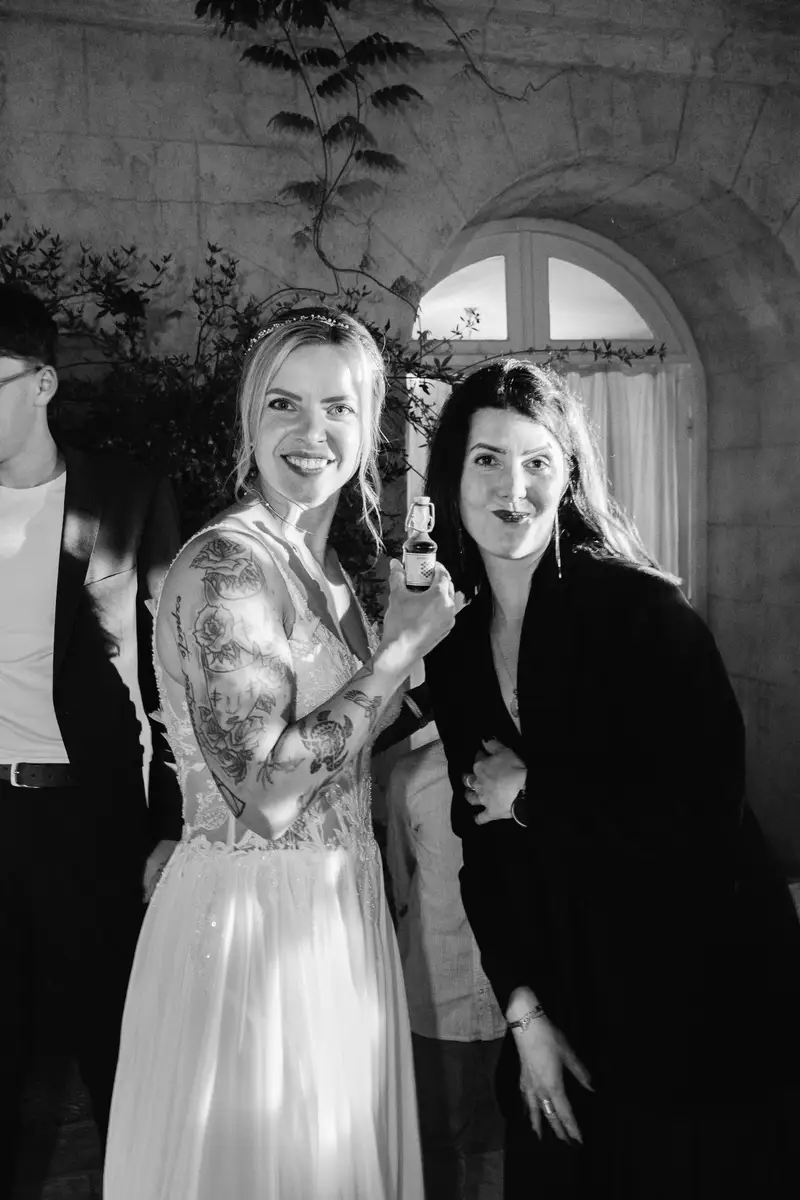
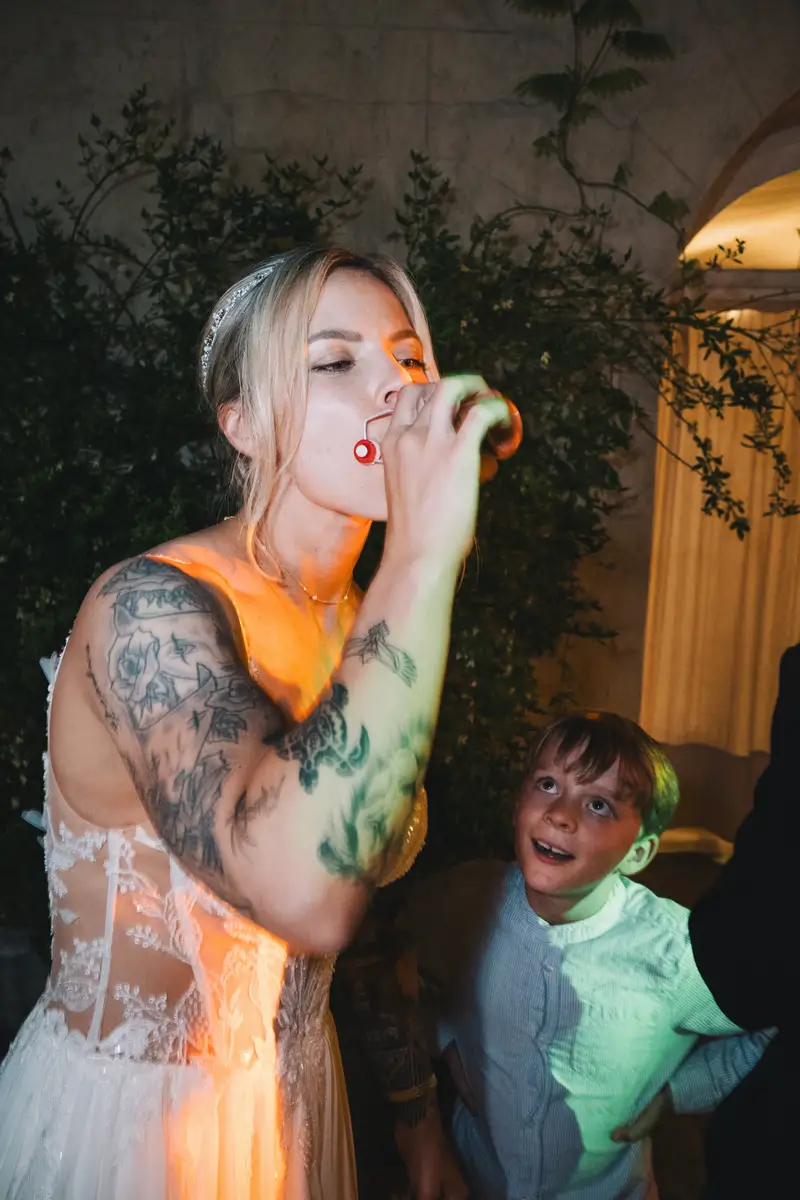
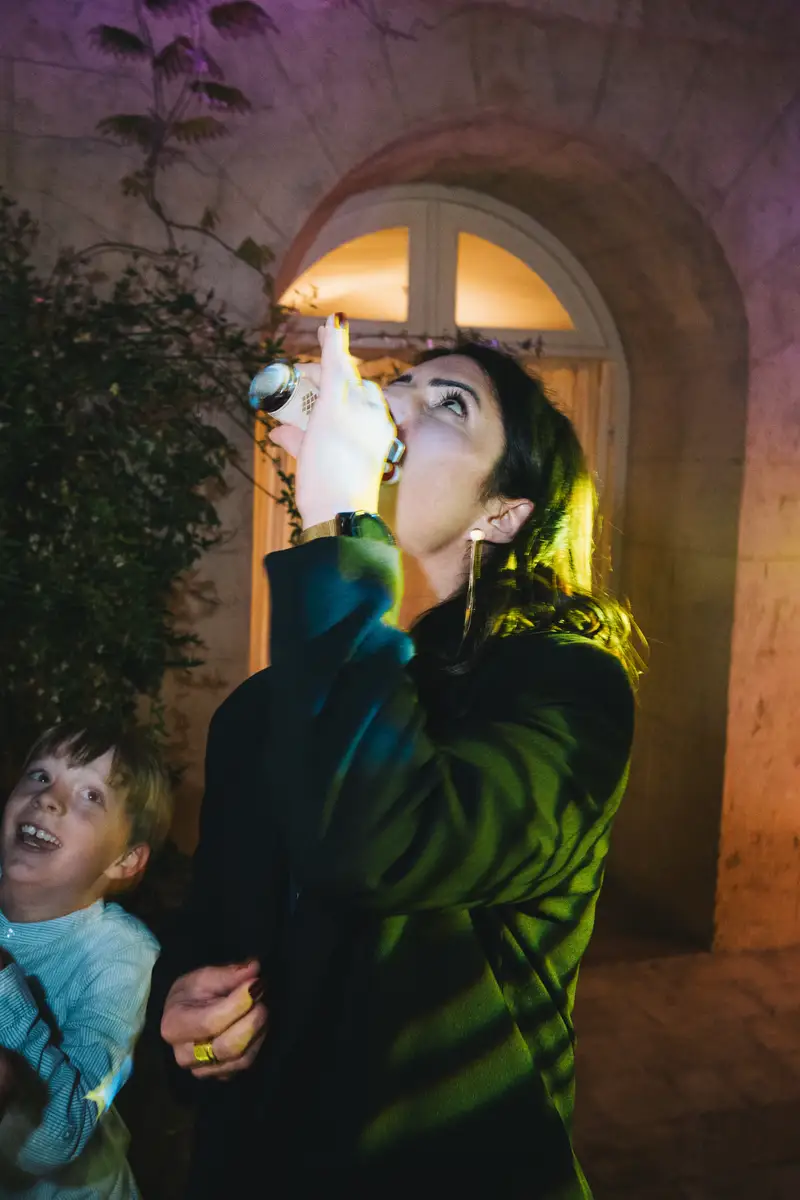
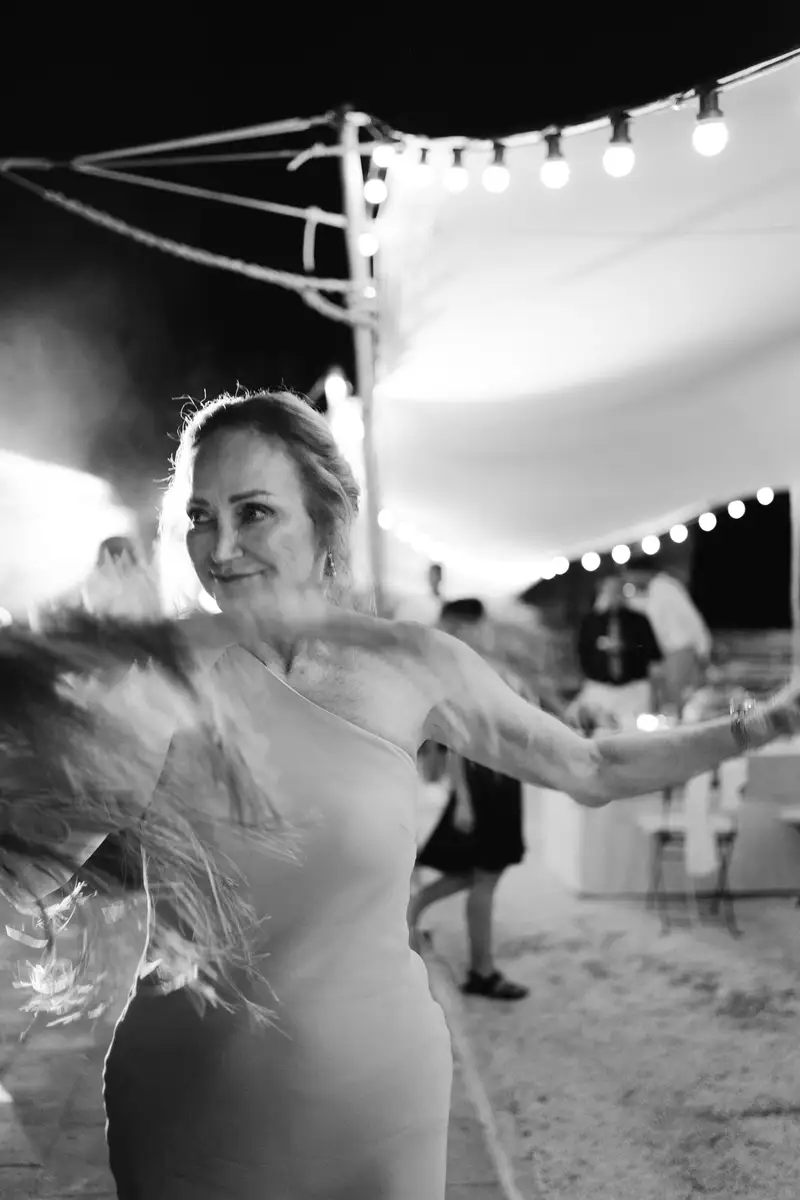
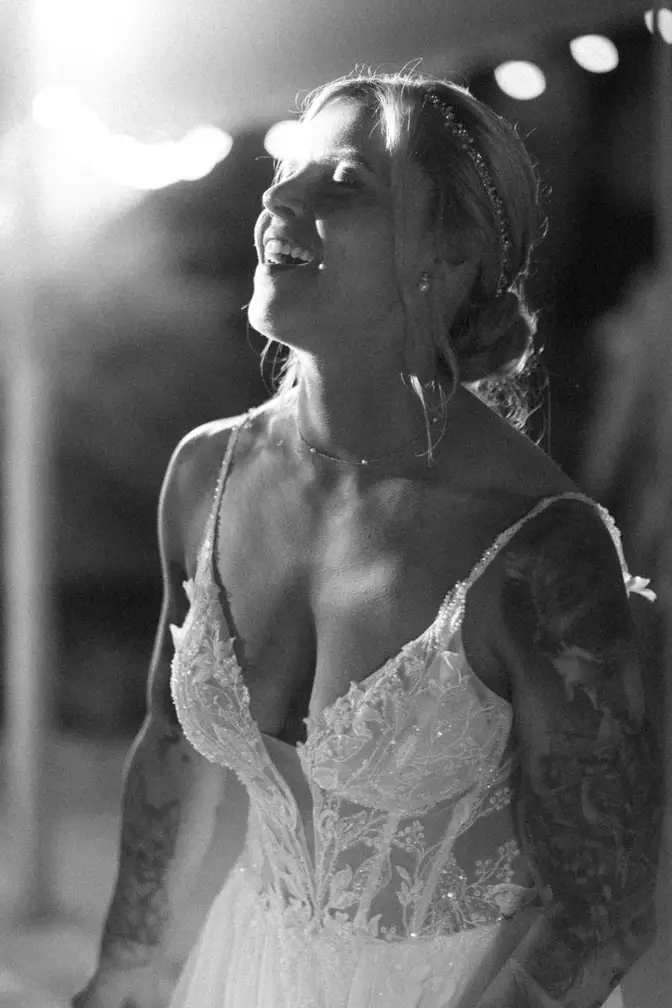
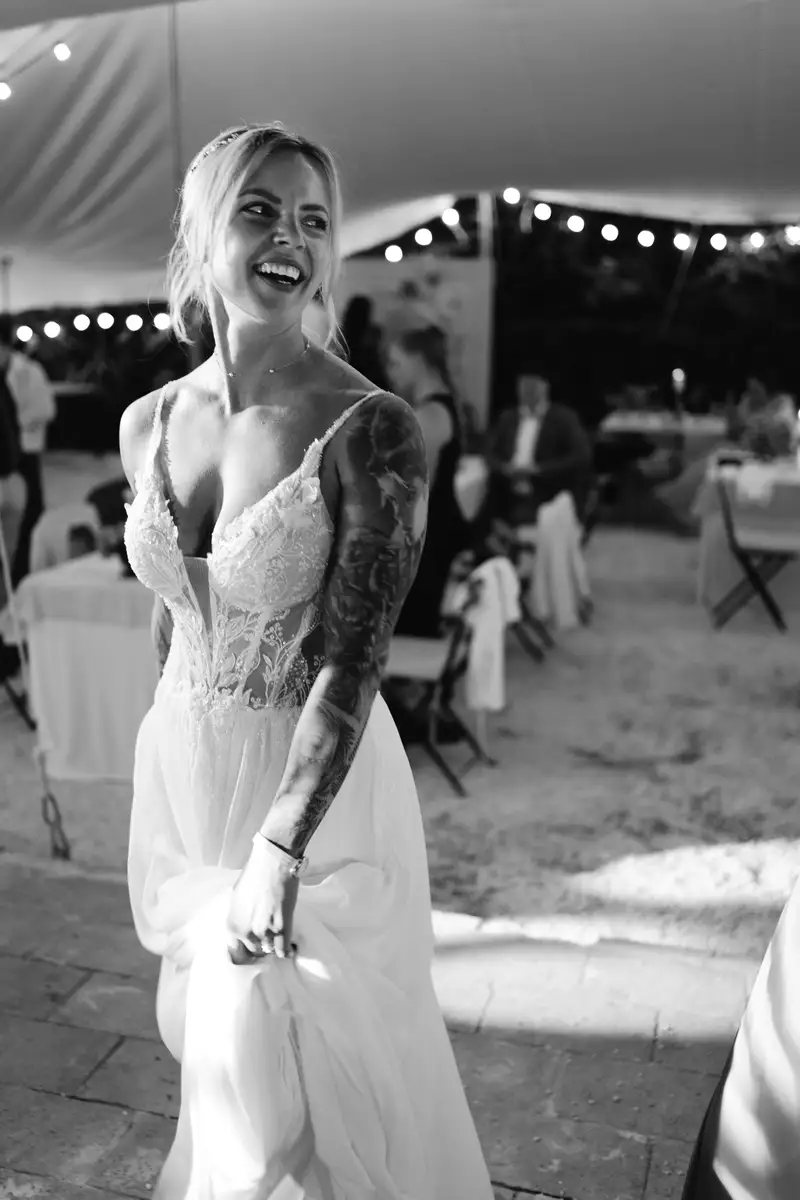
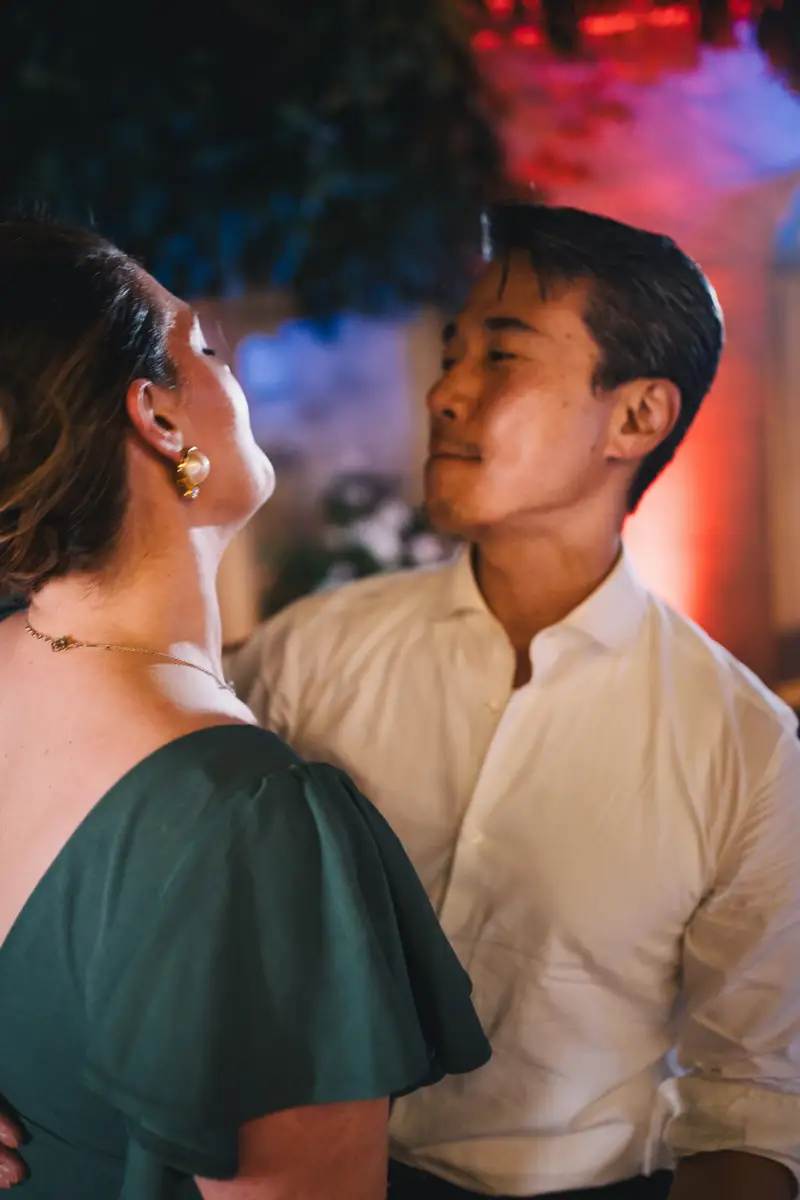
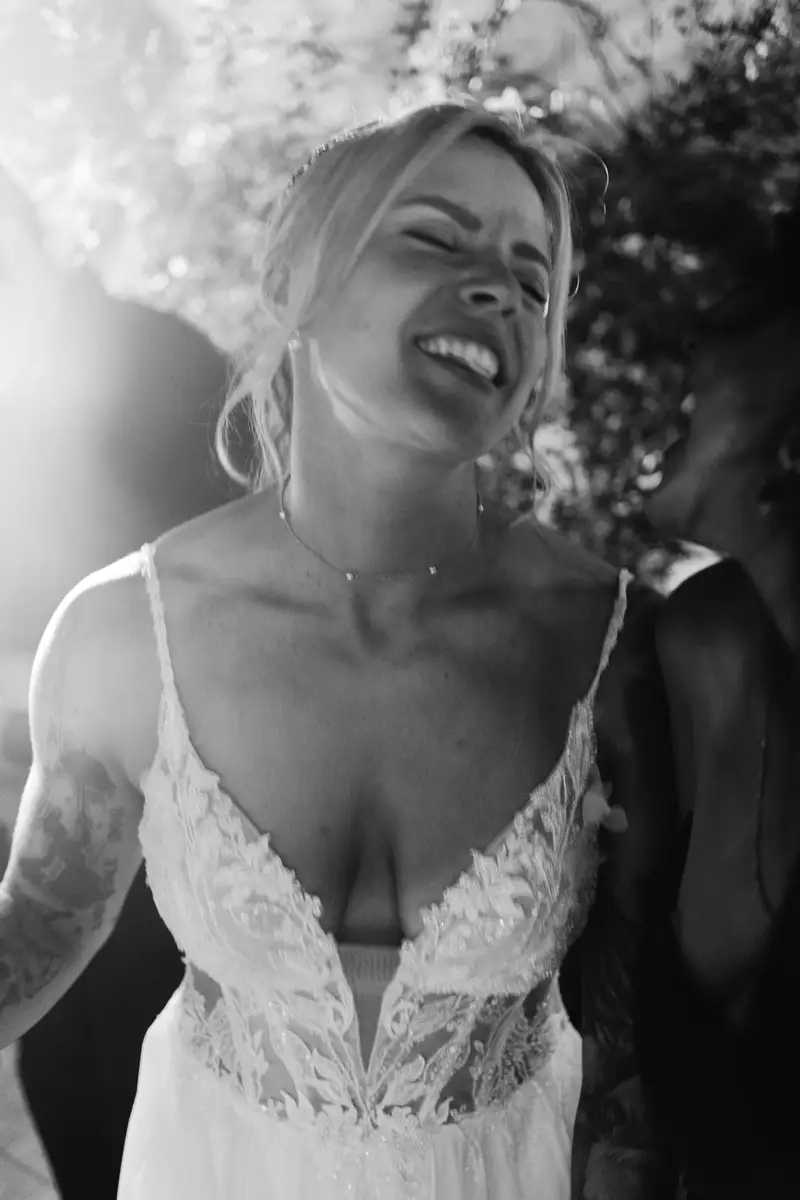
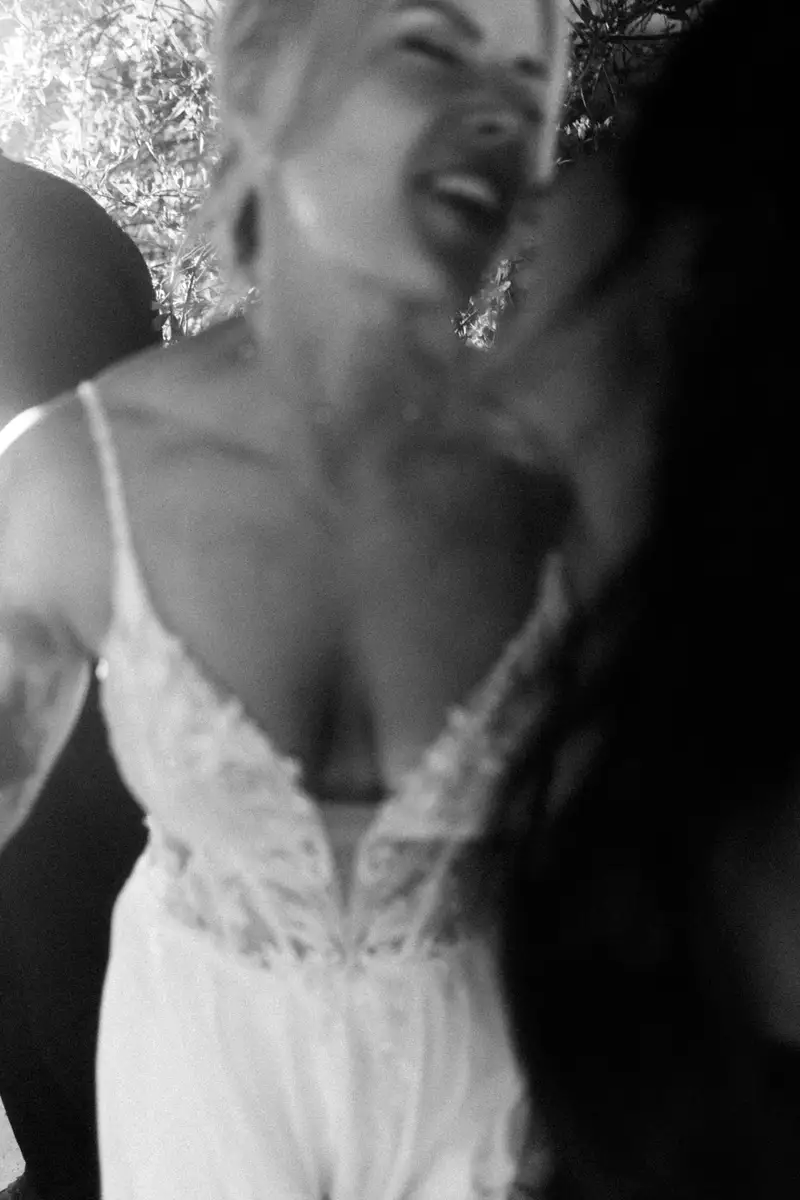
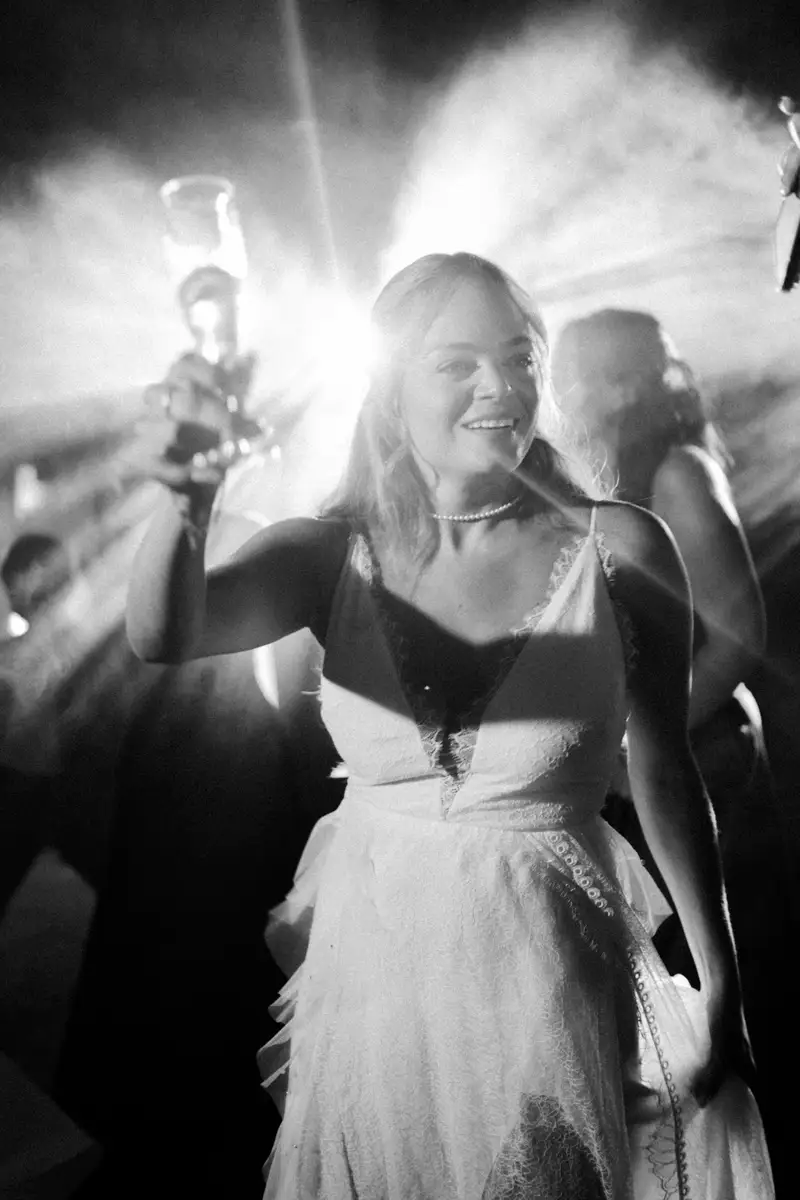
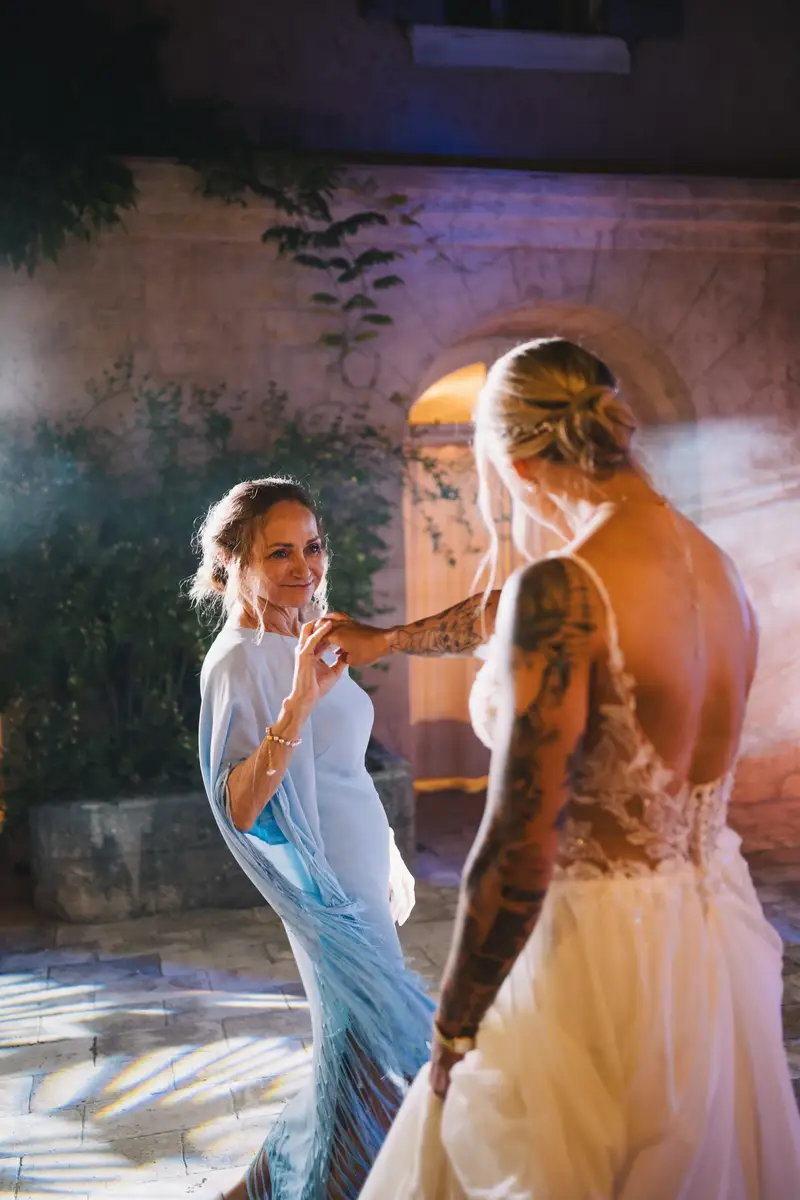
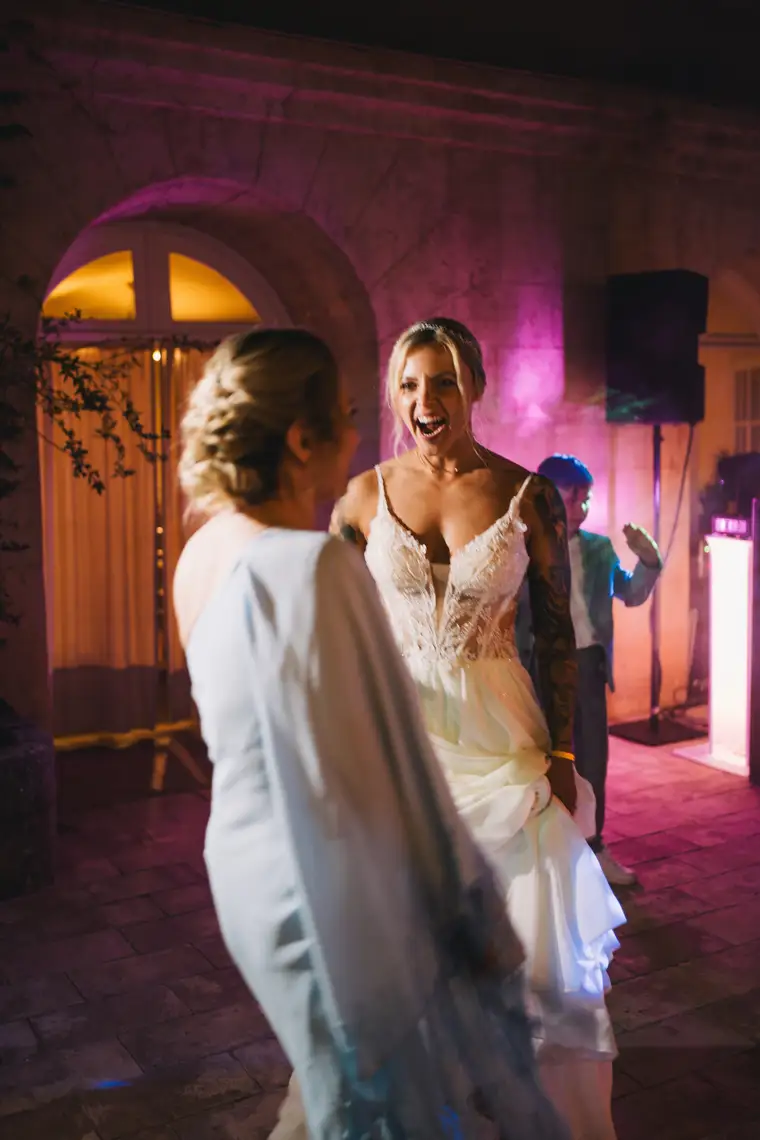
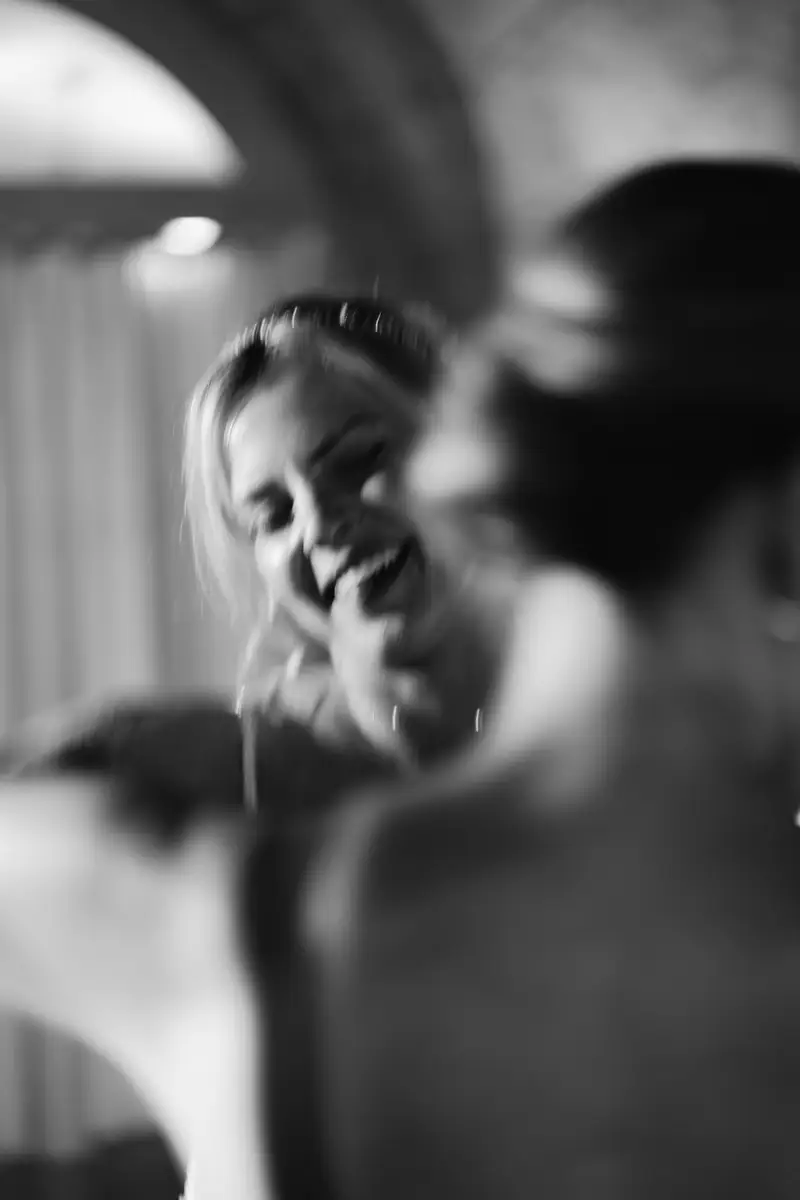
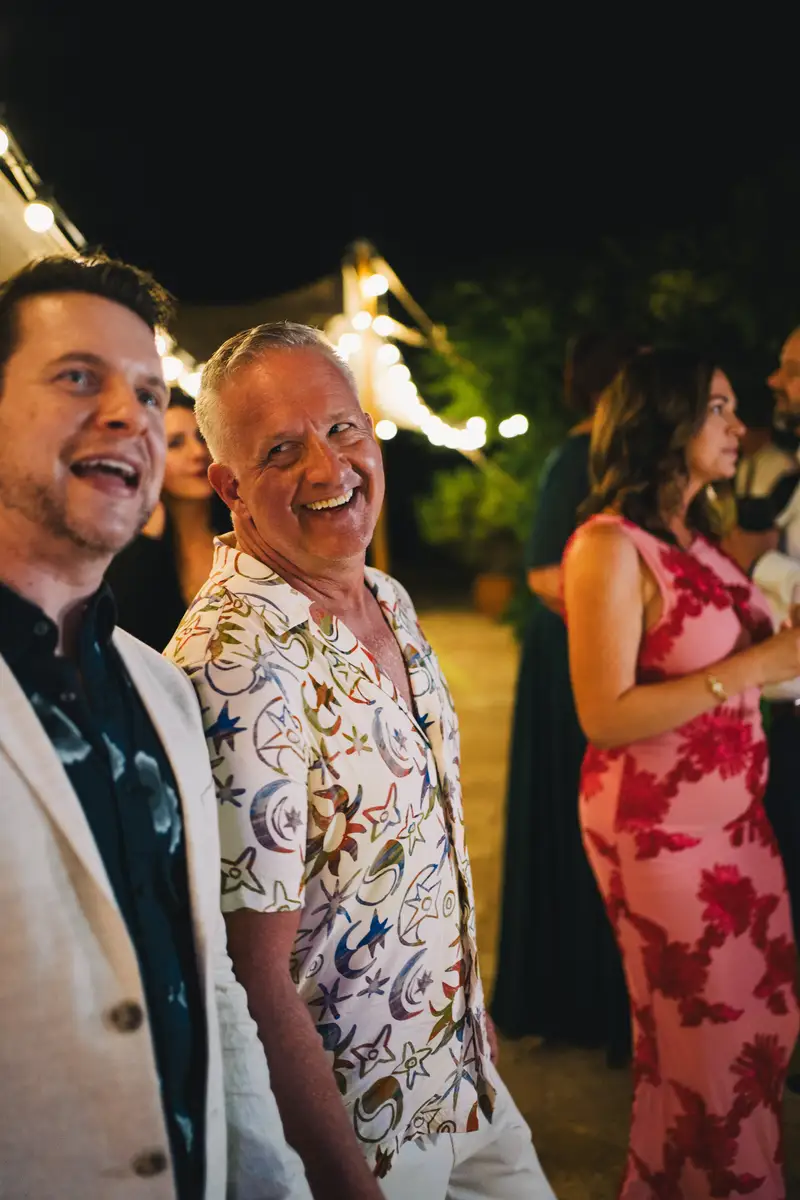
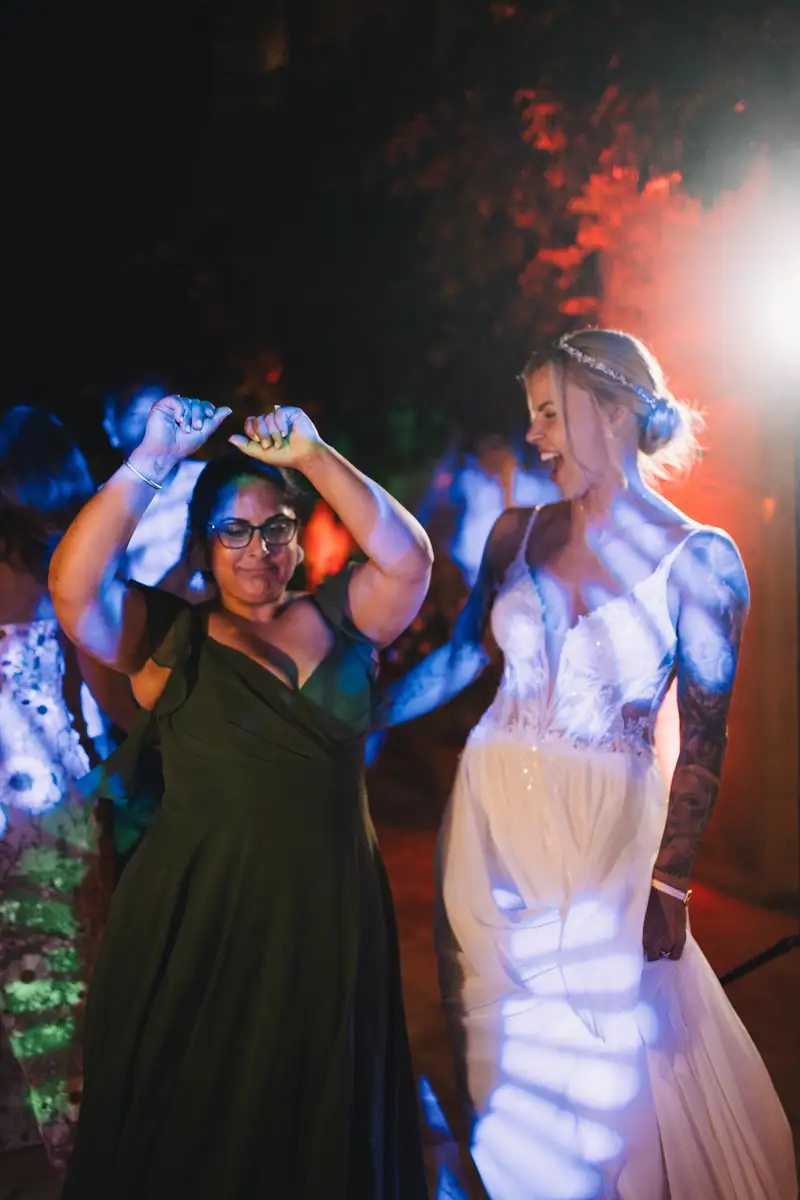
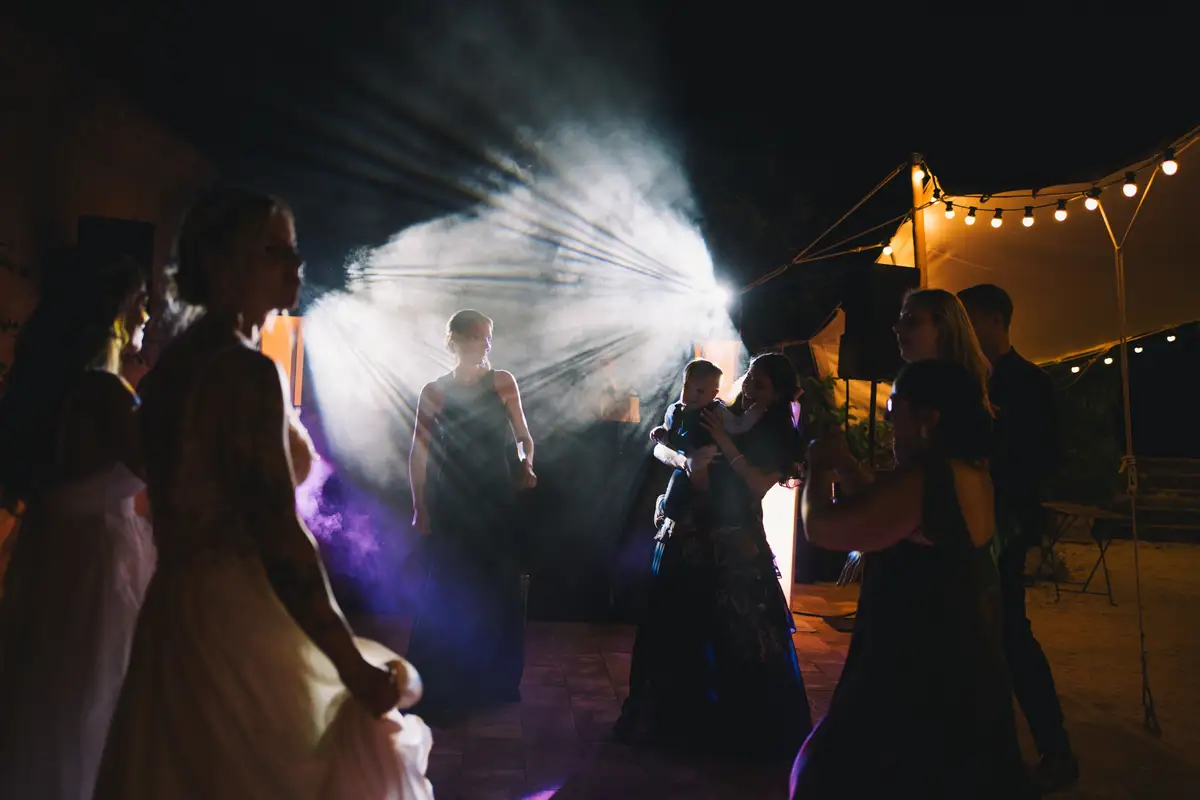
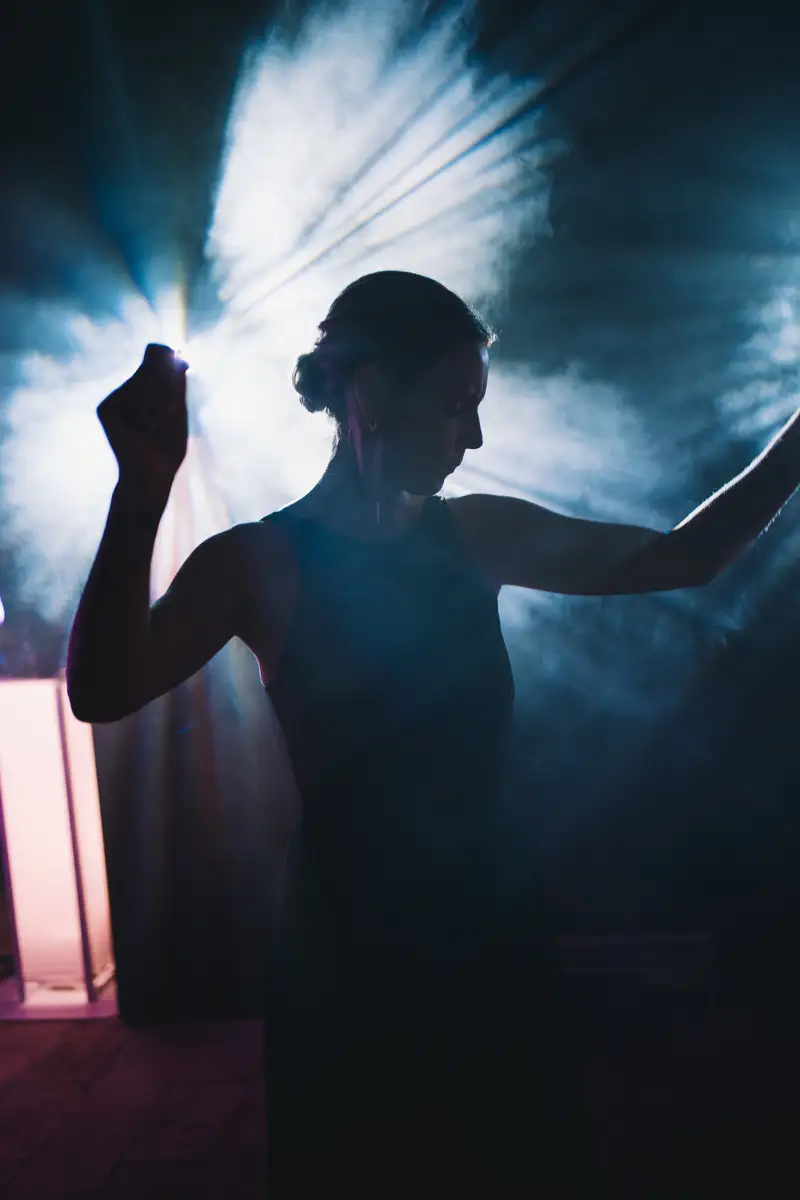
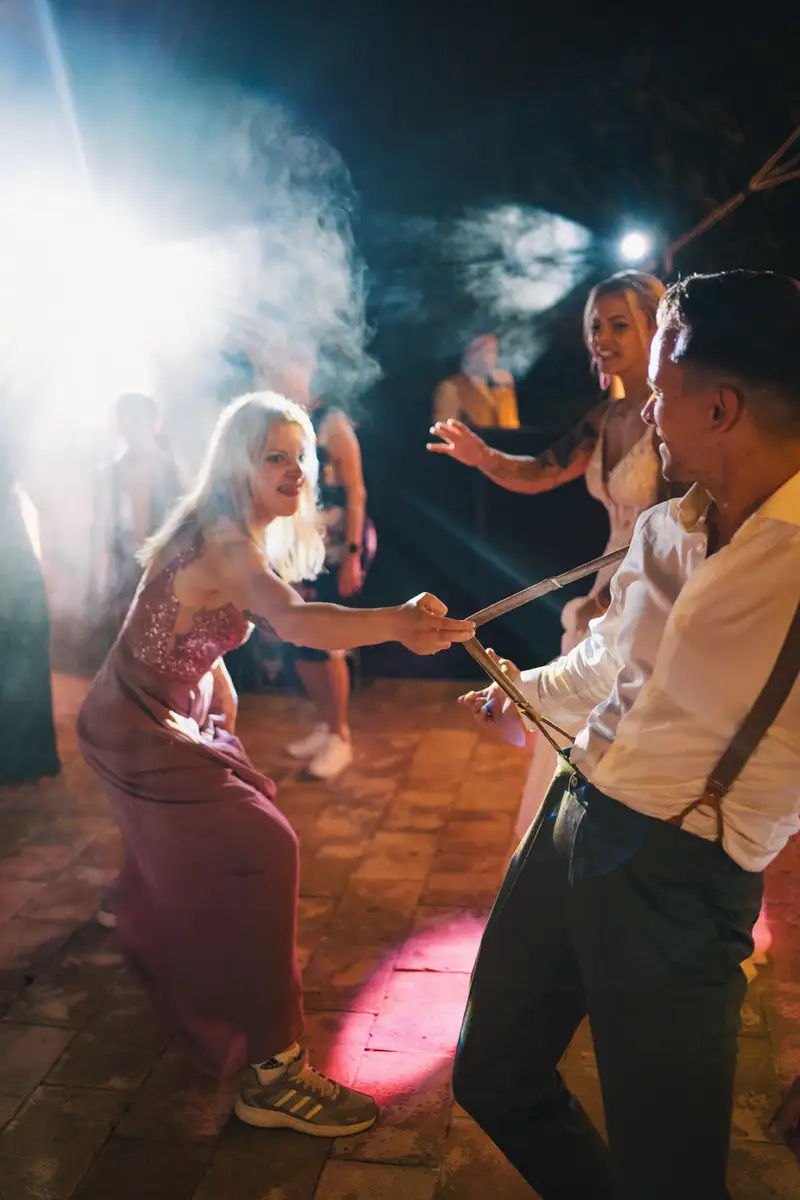
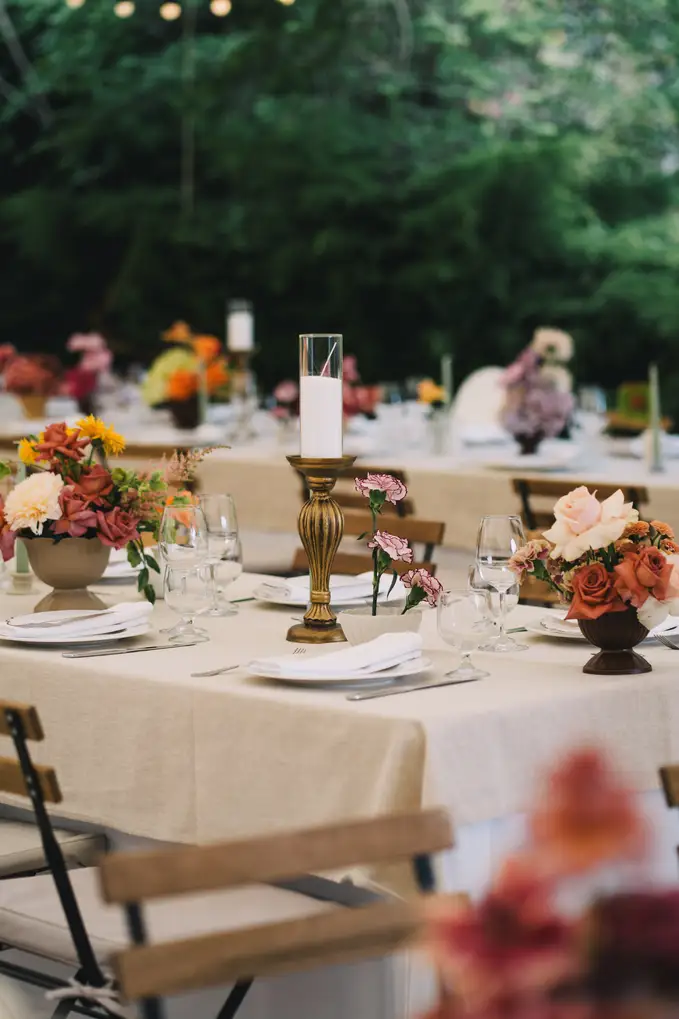
My style is rooted in documentary photography: gestures, glances, moments of hesitation, bursts of laughter and the reactions of loved ones are photographed as they happen. I intervene very little during genuine moments, but I remain active in the way I anticipate, frame and move through the day. The cinematic influence appears in the rhythm of the final series, the balance between wide scenes and details, and the attention given to light and transitions. This approach is particularly suited to couples who feel uncomfortable in front of the camera, because it mainly asks them to stay present with one another.

Building a timeline that gives the day room to breathe
In spring and summer, a ceremony scheduled too early can expose the couple and their guests to overhead sunlight and intense heat. The timing should therefore be considered according to the date, the orientation of the chosen space and sunset time. A cocktail of around ninety minutes usually allows enough time to greet guests, take a few group photographs and set aside fifteen to twenty minutes for portraits without disappearing for too long. The wet-weather plan, the spaces actually available, music timings and access restrictions should be confirmed directly with the Monastère de Ségriès.
Local support for couples travelling from abroad
Based in the South of France, I photograph weddings at venues across Provence, from the Verdon to the French Riviera. This local knowledge allows me to advise couples on the pace of a summer wedding, travel times, light and coordination with local teams. For international couples, the process often begins remotely by video call, then continues with the wedding planner and the venue. The aim is not to add more instructions, but to settle the important decisions in advance so the wedding can remain fluid, lively and open to the unexpected.
Frequently asked questions
Yes. The venue has both indoor and outdoor spaces that can accommodate the preparations, ceremony, cocktail hour, dinner and evening celebrations on site. The exact choice of spaces depends on the season, guest count and package selected. The complete layout should be confirmed directly with the Monastère de Ségriès.
The Monastère de Ségriès includes a cloister, gardens, an amphitheatre, terraces, reception rooms and a chapel. The venue also states that celebratory meals can be arranged in the cloister, garden or chapel. The capacity, furniture and permissions specific to each space should be confirmed before finalising the timeline.
Yes. The Monastère de Ségriès offers bedrooms and suites with private bathrooms. The official website states that groups of up to 70 people can be accommodated, depending on room arrangements and the level of comfort required. It is advisable to allocate the rooms early and arrange nearby accommodation for any remaining guests.
Yes. The accommodation, catering and range of spaces make it possible to plan a welcome dinner, the wedding day and a brunch. This format reduces travel and gives guests more time together. Timings, meals, exclusive use and access to the different spaces should all be included in the venue’s quotation.
The best time depends on the date, the chosen space and its orientation. During warmer months, a later ceremony generally avoids the harshest overhead light and improves guest comfort. The photographer should consider sunset time and visit or study the planned location. The final timing must also be approved with the venue and wedding planner.
Fifteen to twenty well-timed minutes are often enough to create a natural set of portraits without keeping the couple away from their guests for long. A second short session near sunset can add variety when the timeline allows. The time required depends on the desired style, the weather and the actual distance between the cocktail area and the chosen portrait locations.
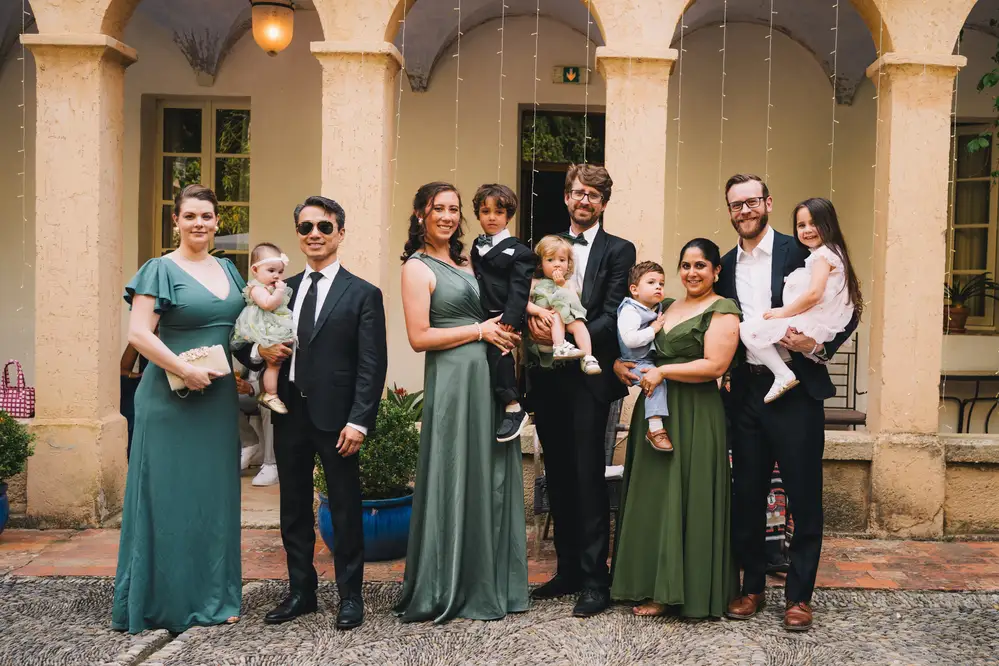
Prepare a short list containing only the groups that genuinely matter, then give it to someone who knows both families. Allow around twenty to thirty minutes, depending on the number of combinations. Everyone involved should remain nearby after the ceremony. The photographer will choose a simple background and consistent light so the photographs can be completed efficiently.
A first look can be helpful when the couple wants to see each other privately, reduce the number of photographs needed after the ceremony or spend more time at the cocktail hour. It is not essential. Several spaces at the Monastère de Ségriès allow this moment to be arranged without a long walk. The decision should suit the couple’s preferences, the light and the overall timeline.
A wet-weather plan should be agreed before the wedding for the ceremony, cocktail hour and dinner. The venue has several indoor areas, including the chapel, reception rooms and a dining room, but their availability and capacity depend on your layout. Ask the venue for a precise alternative plan, the time required to change the setup and any consequences for the decoration.
The venue presents the chapel as a space for events, concerts and celebrations. Its use for a ceremony, capacity, layout and any restrictions should be confirmed directly with the Monastère de Ségriès. It is important to distinguish the venue’s event use from the legal or religious status of the ceremony itself.
During conversations, the ceremony, cocktail hour and evening celebrations, the photographer anticipates interactions rather than recreating them. Guidance is given when it genuinely improves the result, for example when choosing the light, organising groups or briefly directing portraits. This approach preserves a natural documentary record without leaving important photographs entirely to chance.
You do not need to know how to pose. During the portraits, I suggest simple actions such as walking, moving closer or looking in a particular direction, then allow genuine reactions to unfold. The rest of the day is photographed as it happens. A conversation before the wedding also helps identify any concerns and adjust the length, pace and level of guidance accordingly.
For a spring or summer date, contacting a photographer twelve to eighteen months in advance generally provides more choice, especially for a full wedding weekend. A later enquiry may still be possible depending on availability. Before booking, share the date, guest count, planned events and an initial timeline so that the proposal can be tailored to the celebration.
Confirm the available spaces, their capacity, the wet-weather plan, permitted timings, music restrictions, accommodation, catering, parking and setup times. Also ask when each area will be accessible to suppliers. This information allows the photographer and wedding planner to build a realistic schedule without unnecessary transfers.