

Château de la Garde wedding photographer
A wedding at Château de la Garde, Provence
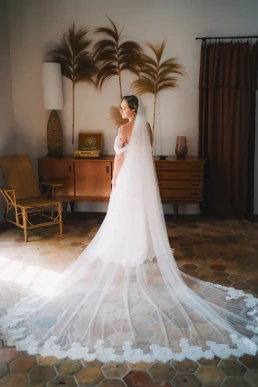
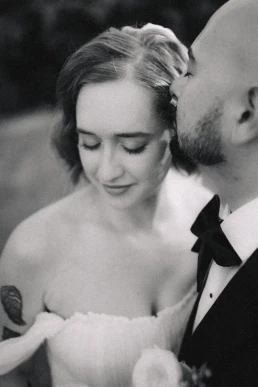
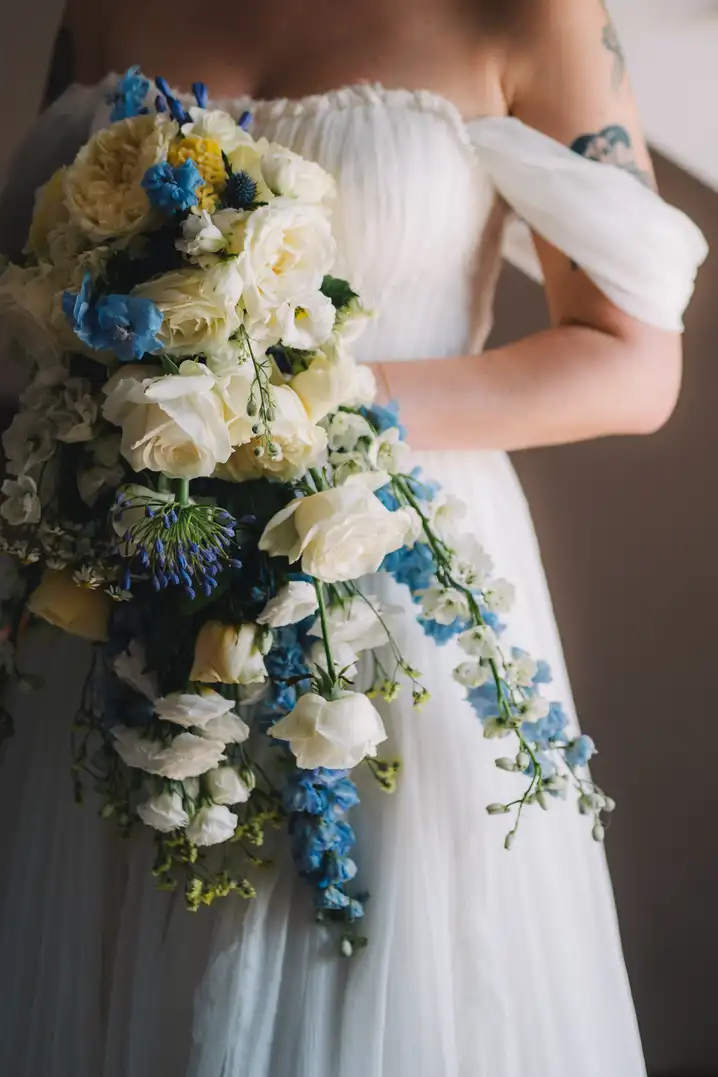
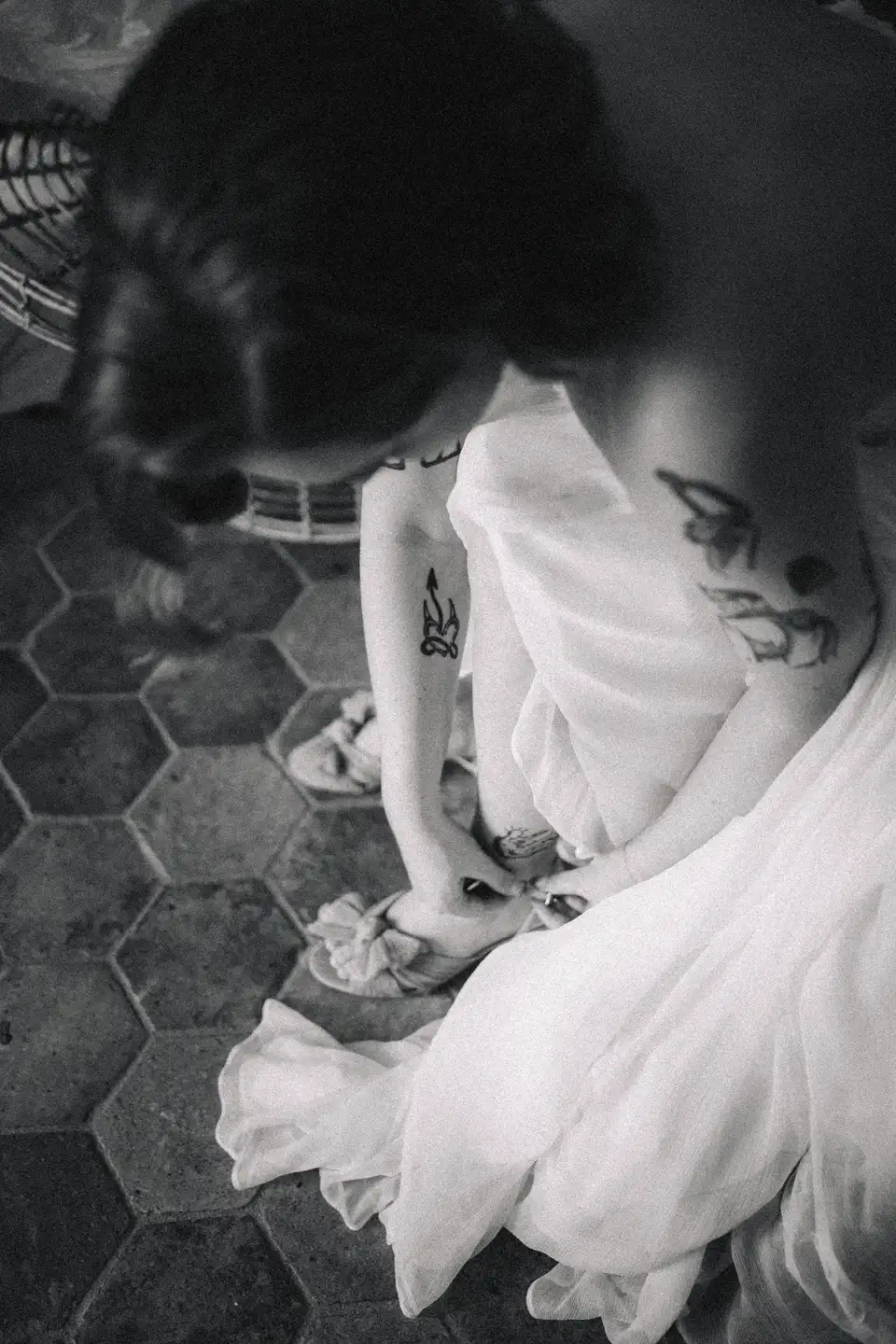
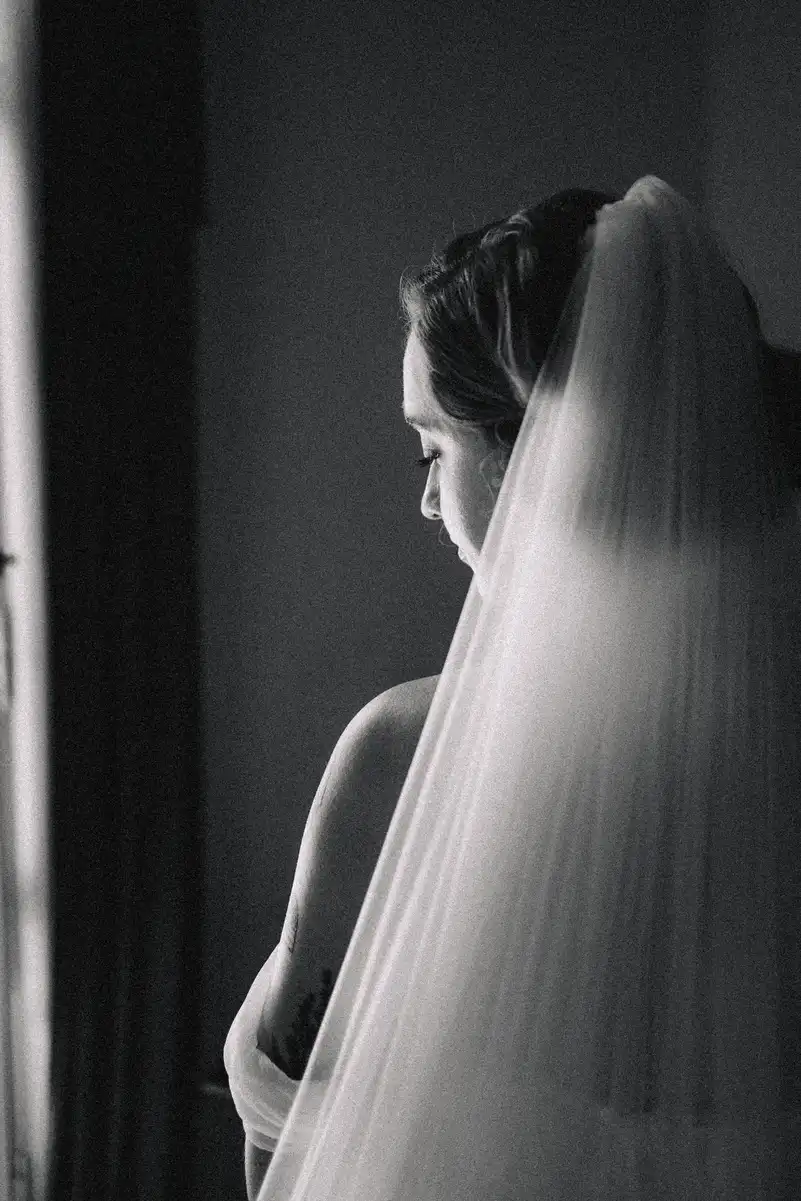
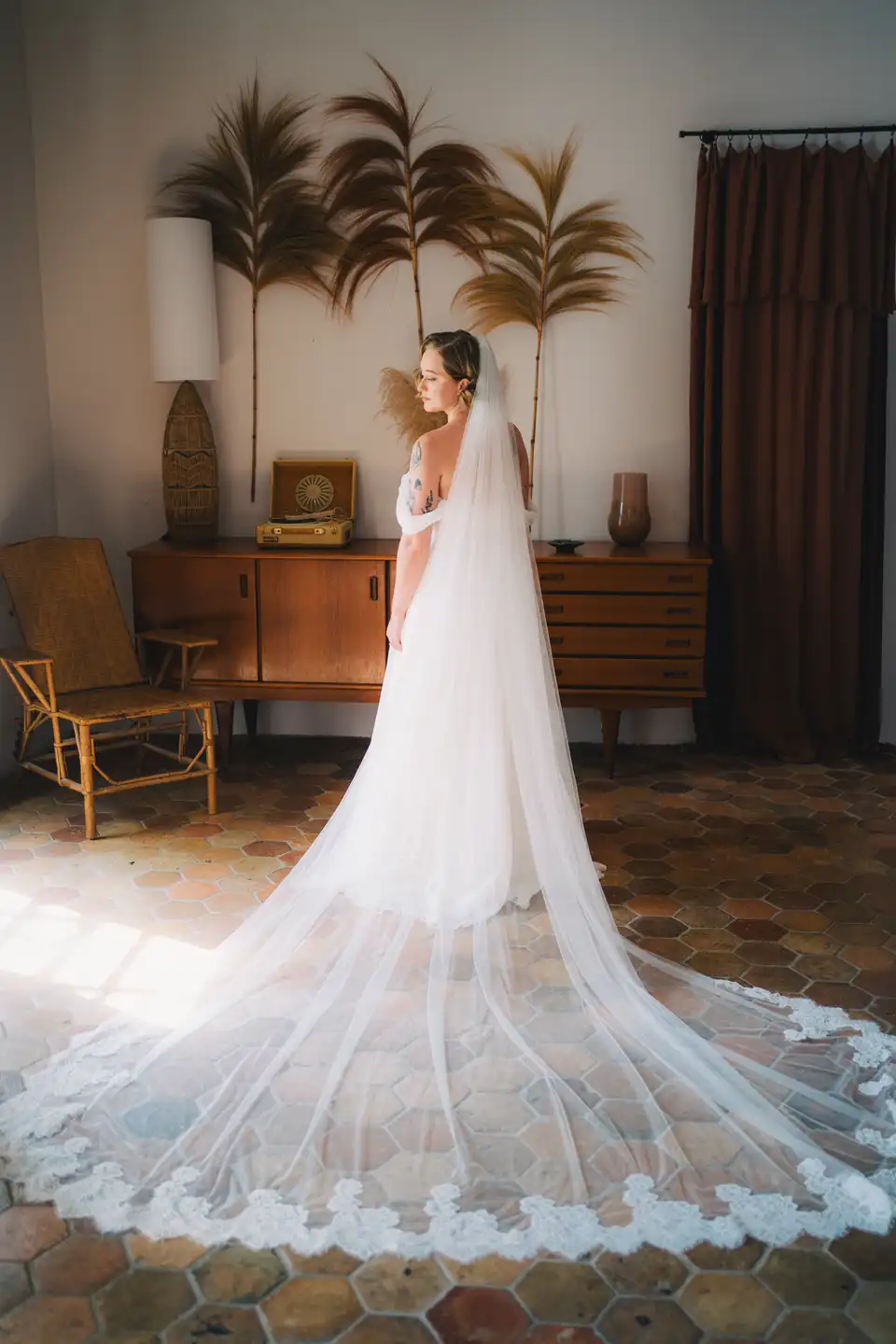
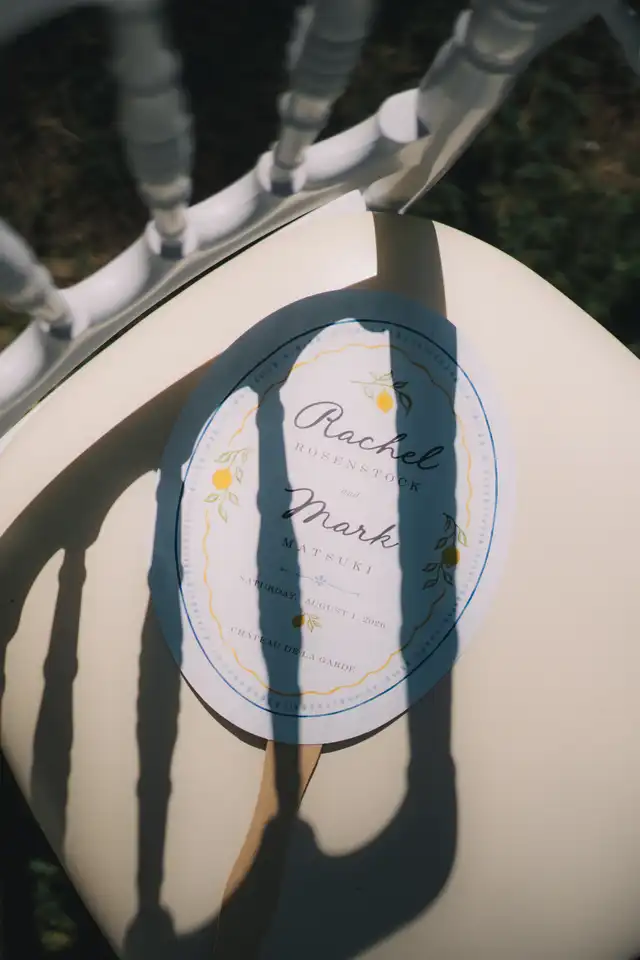
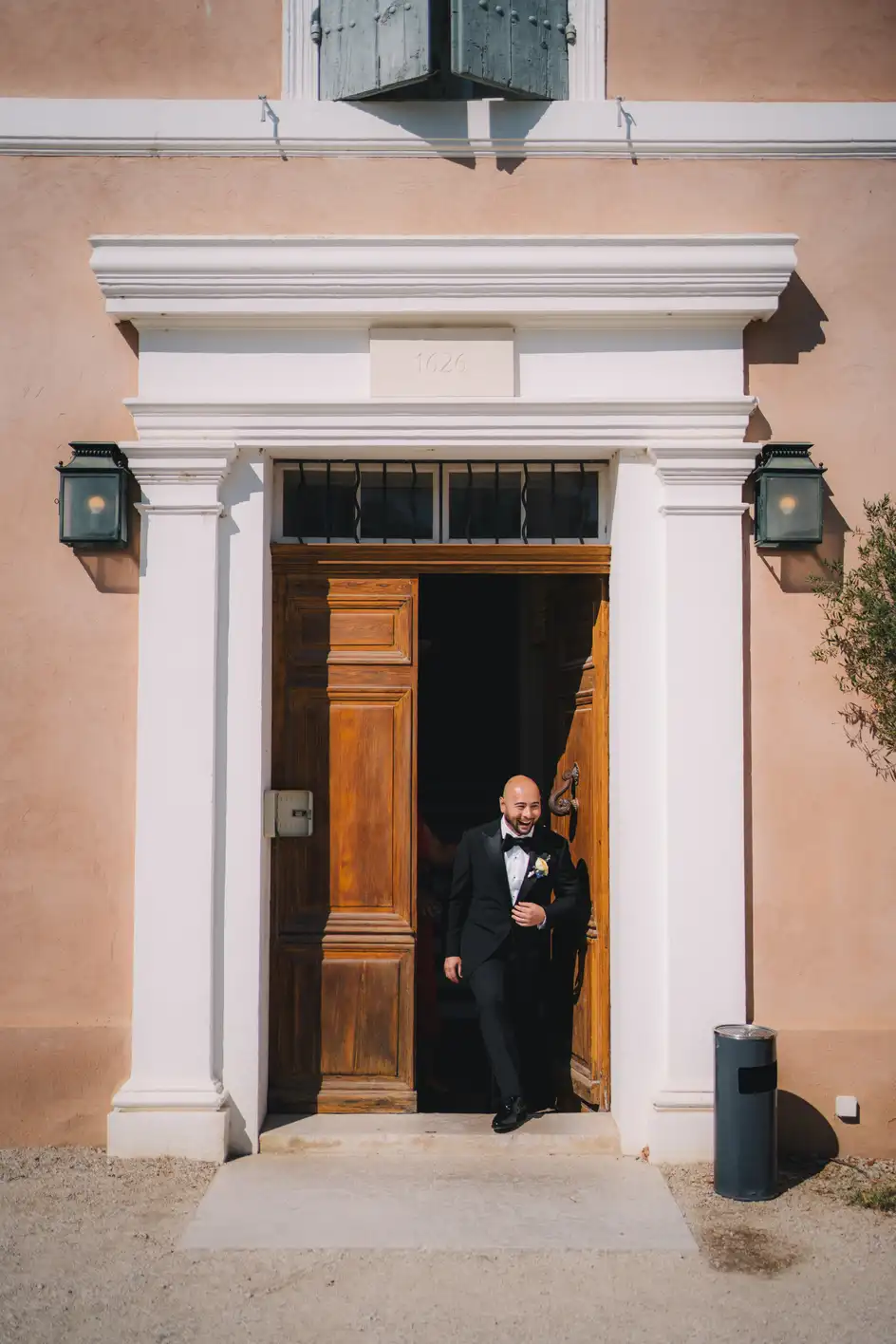
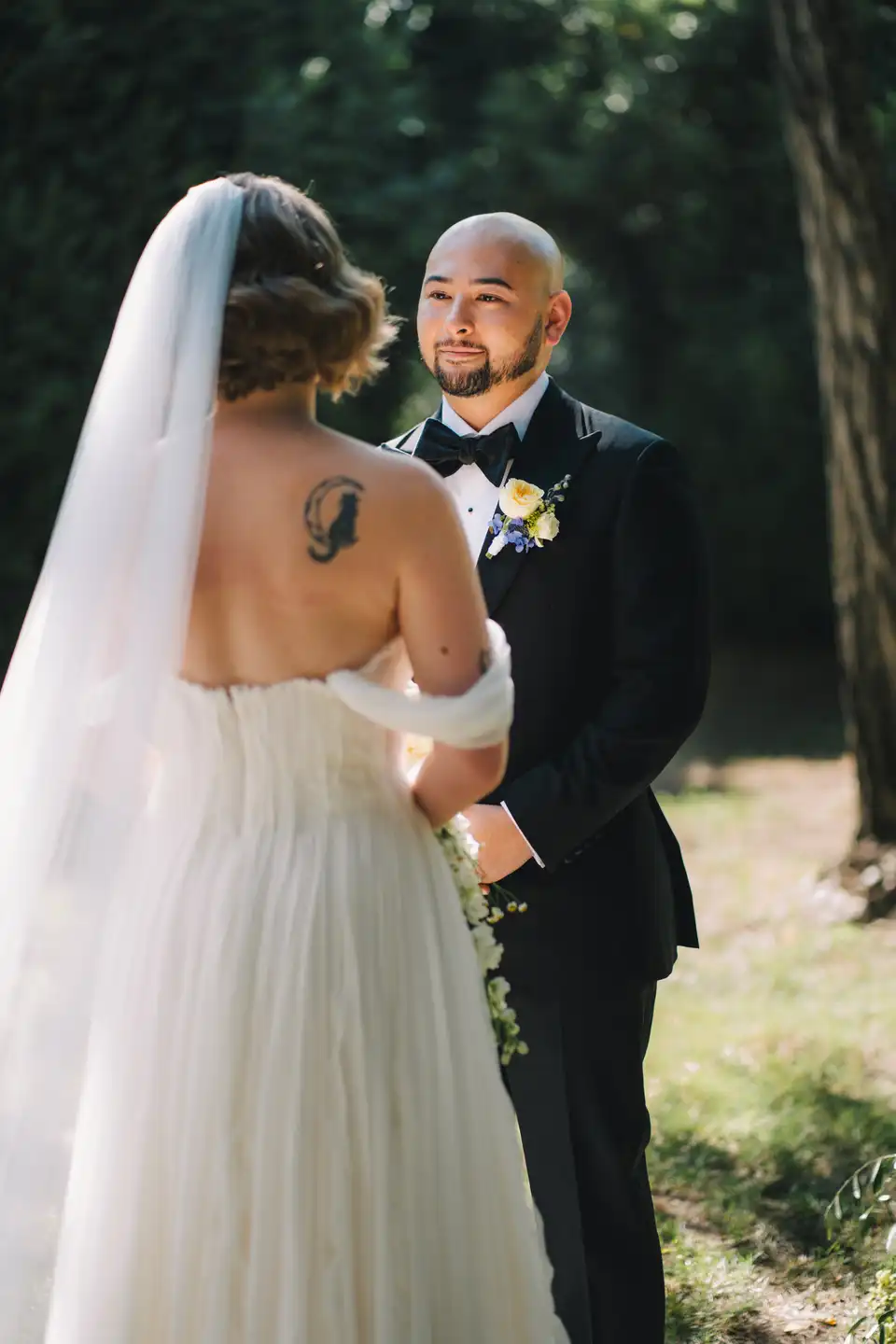
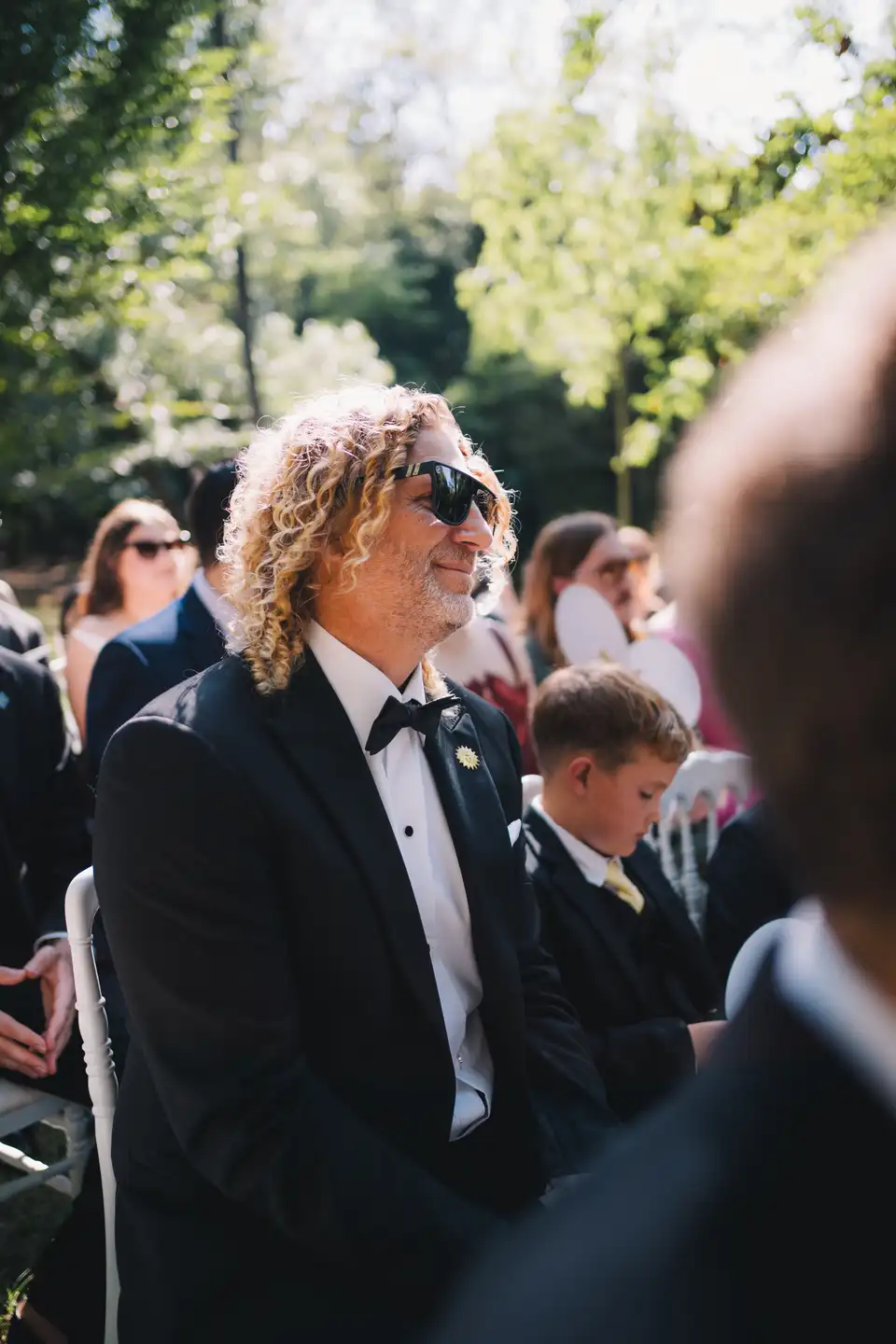
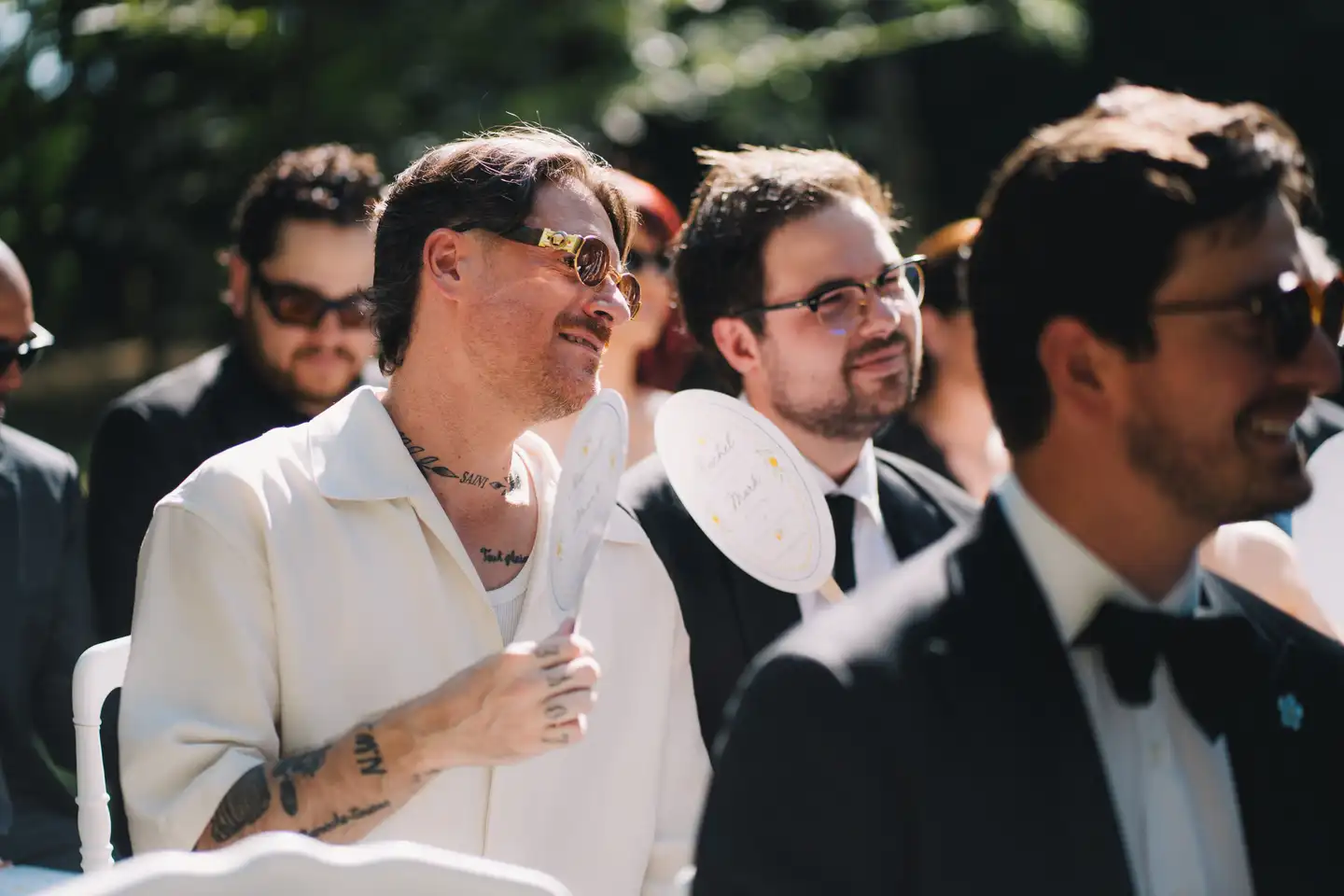
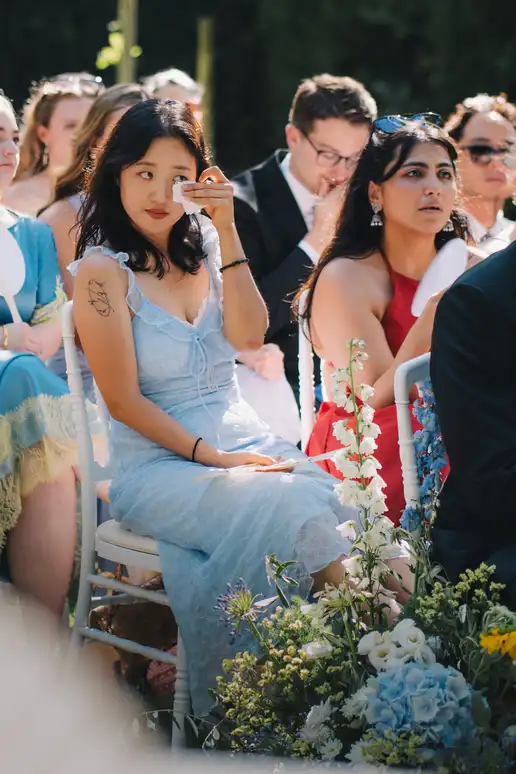
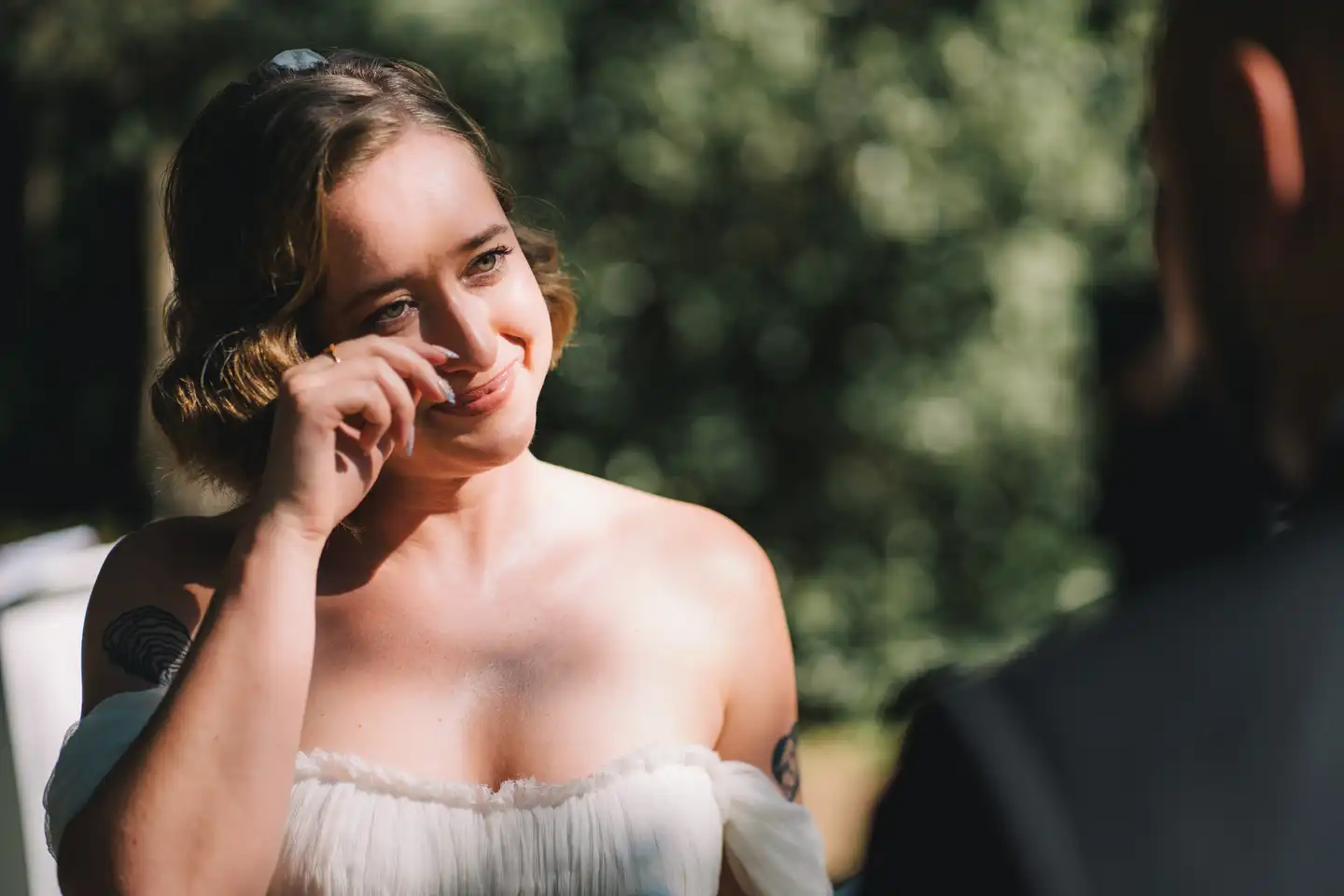
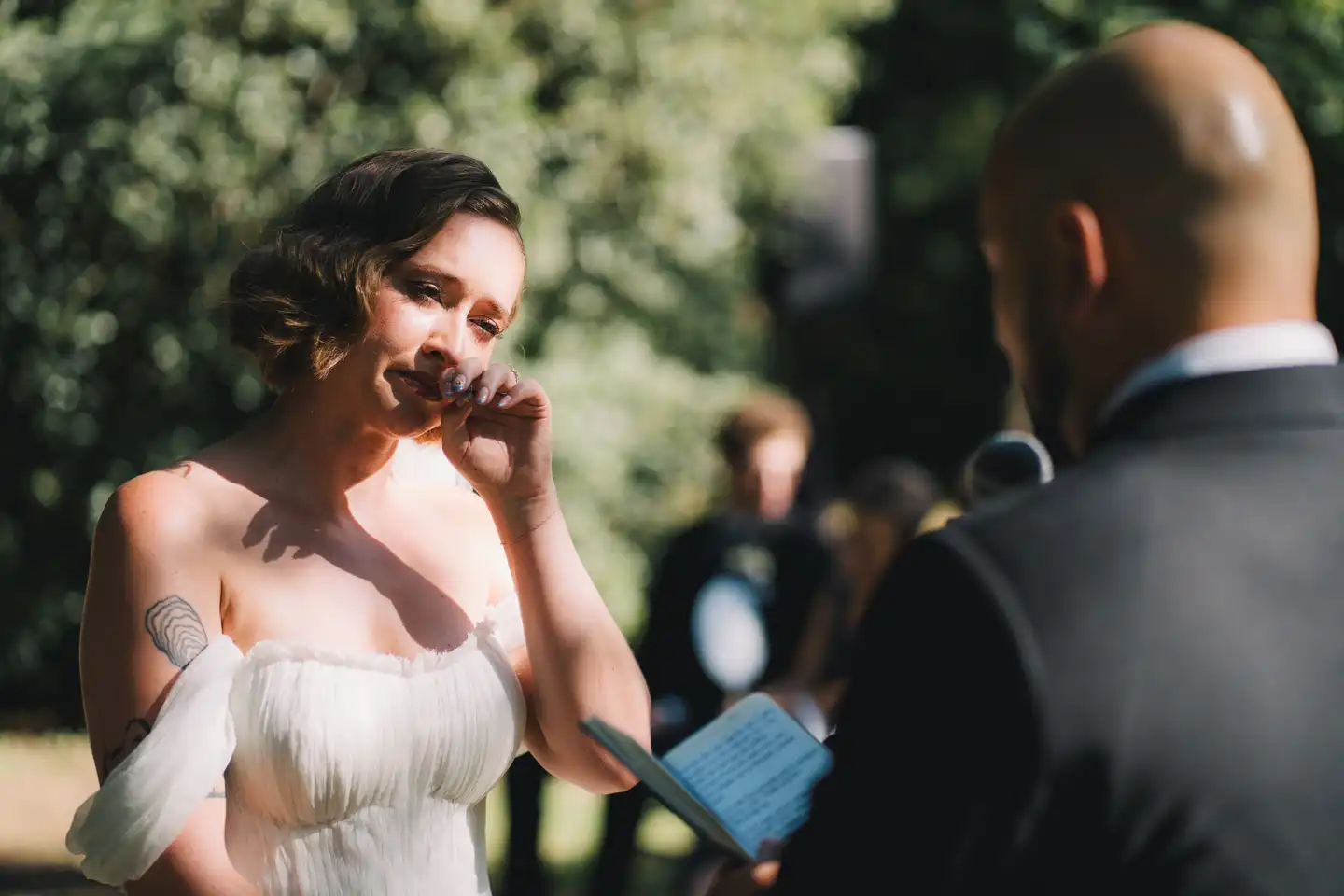
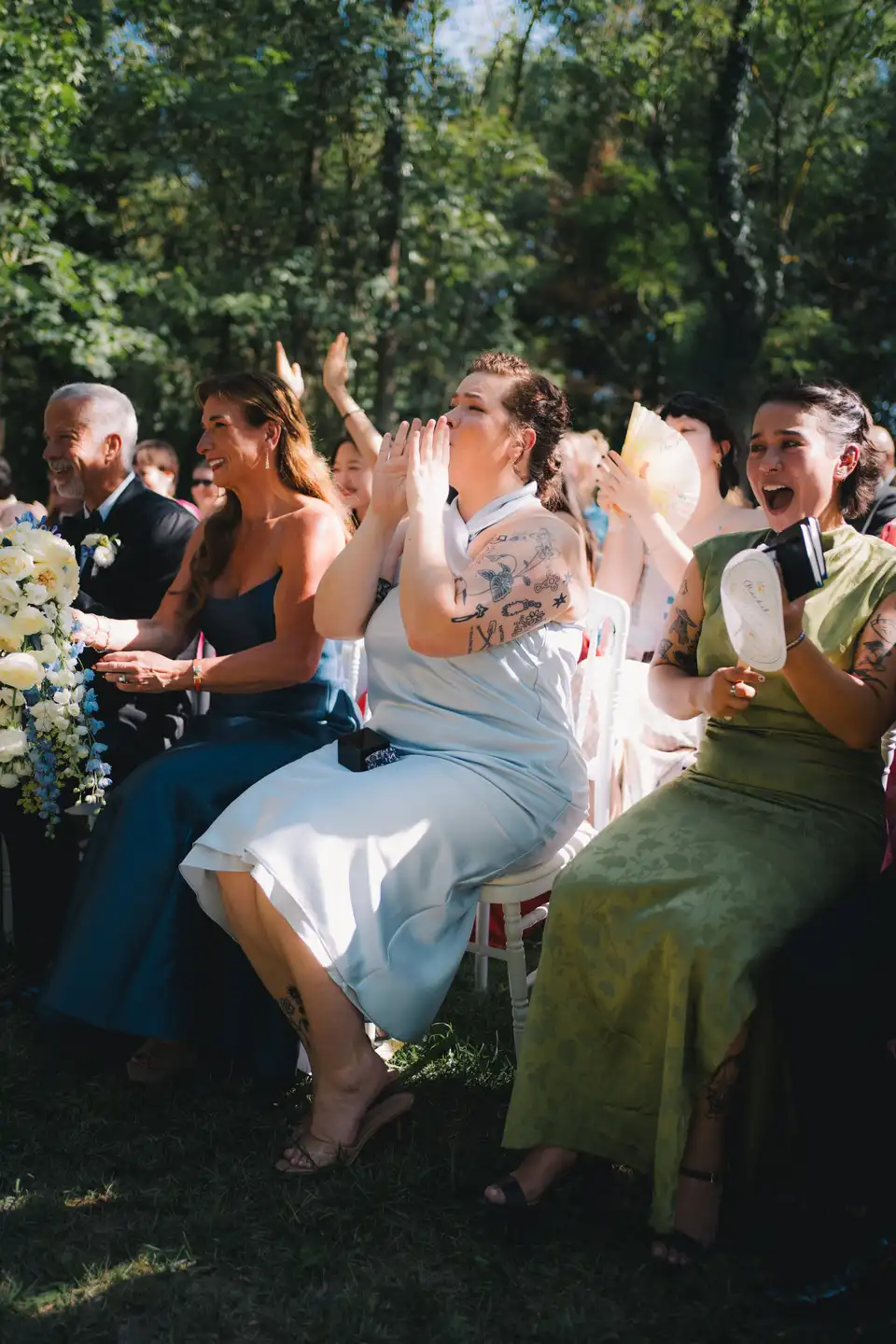
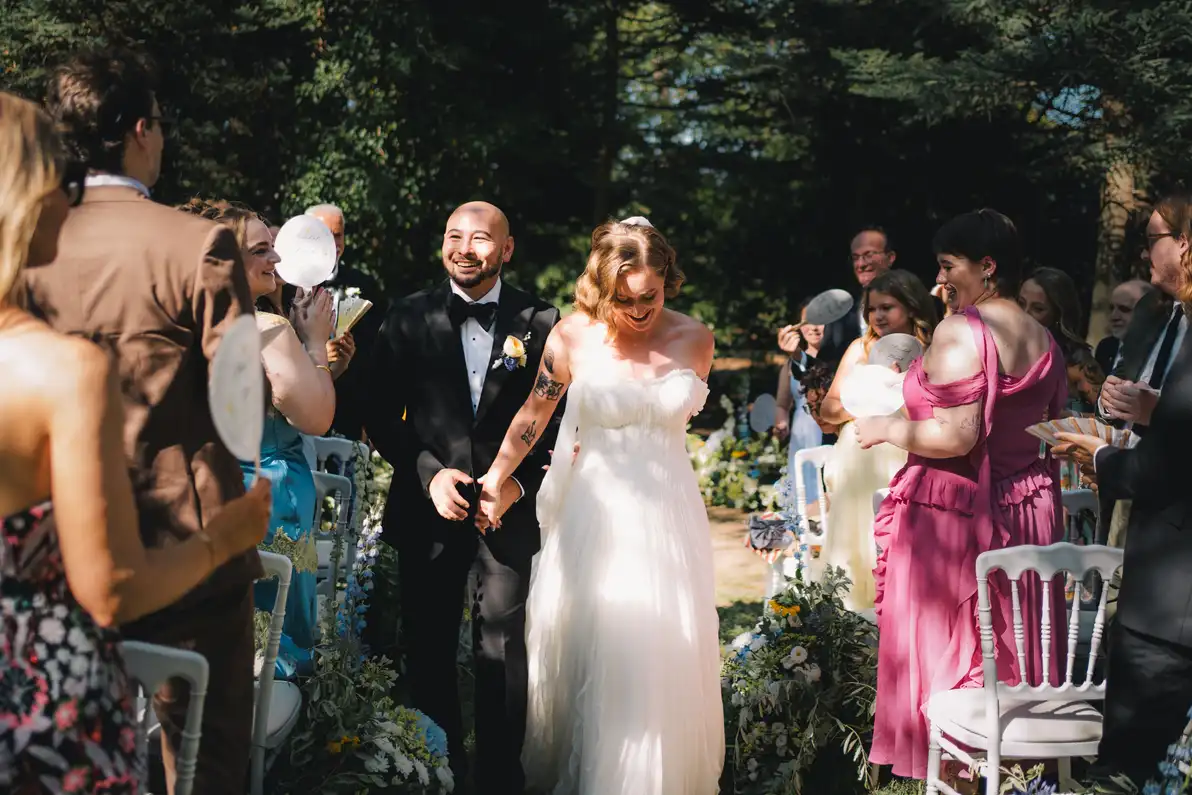
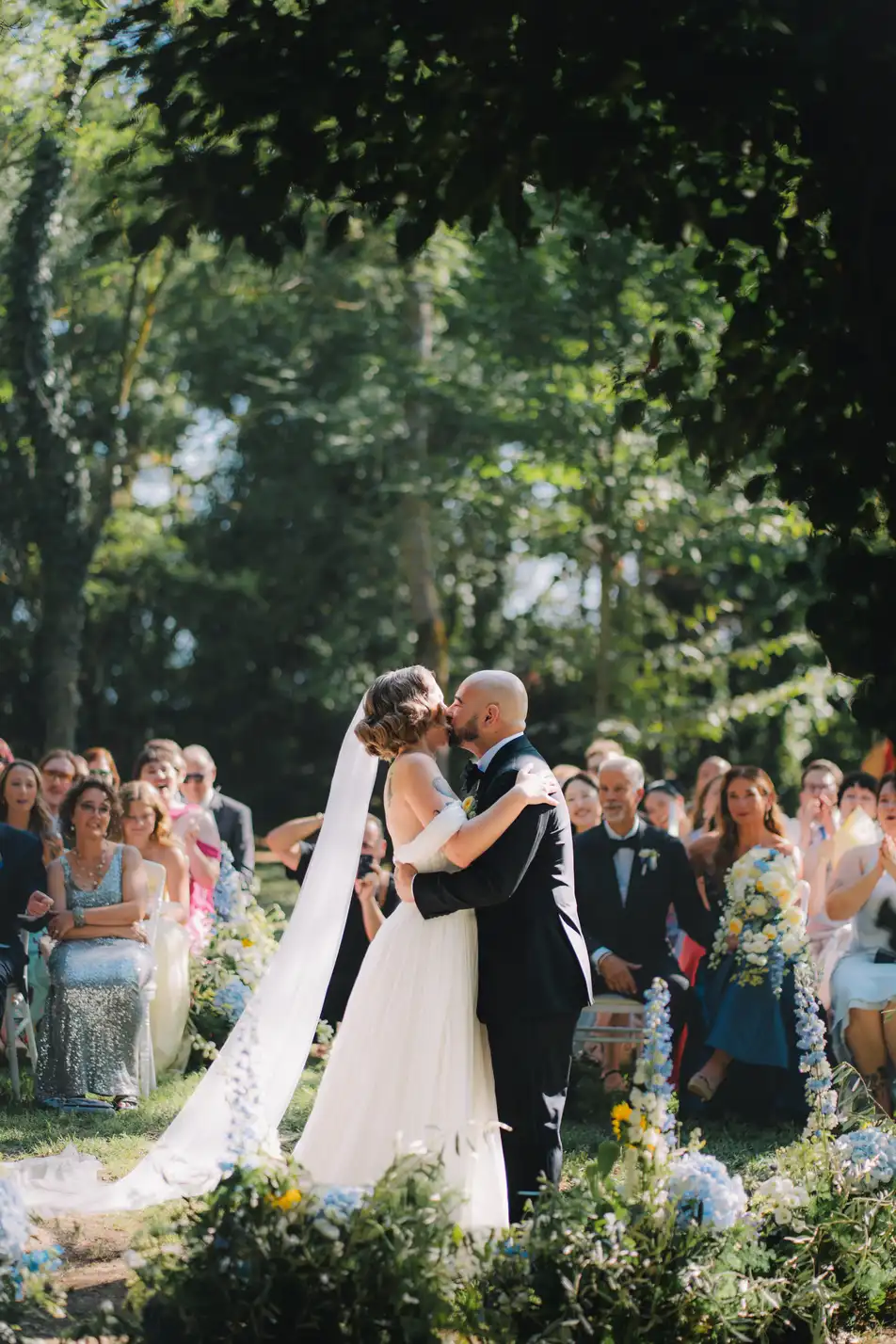
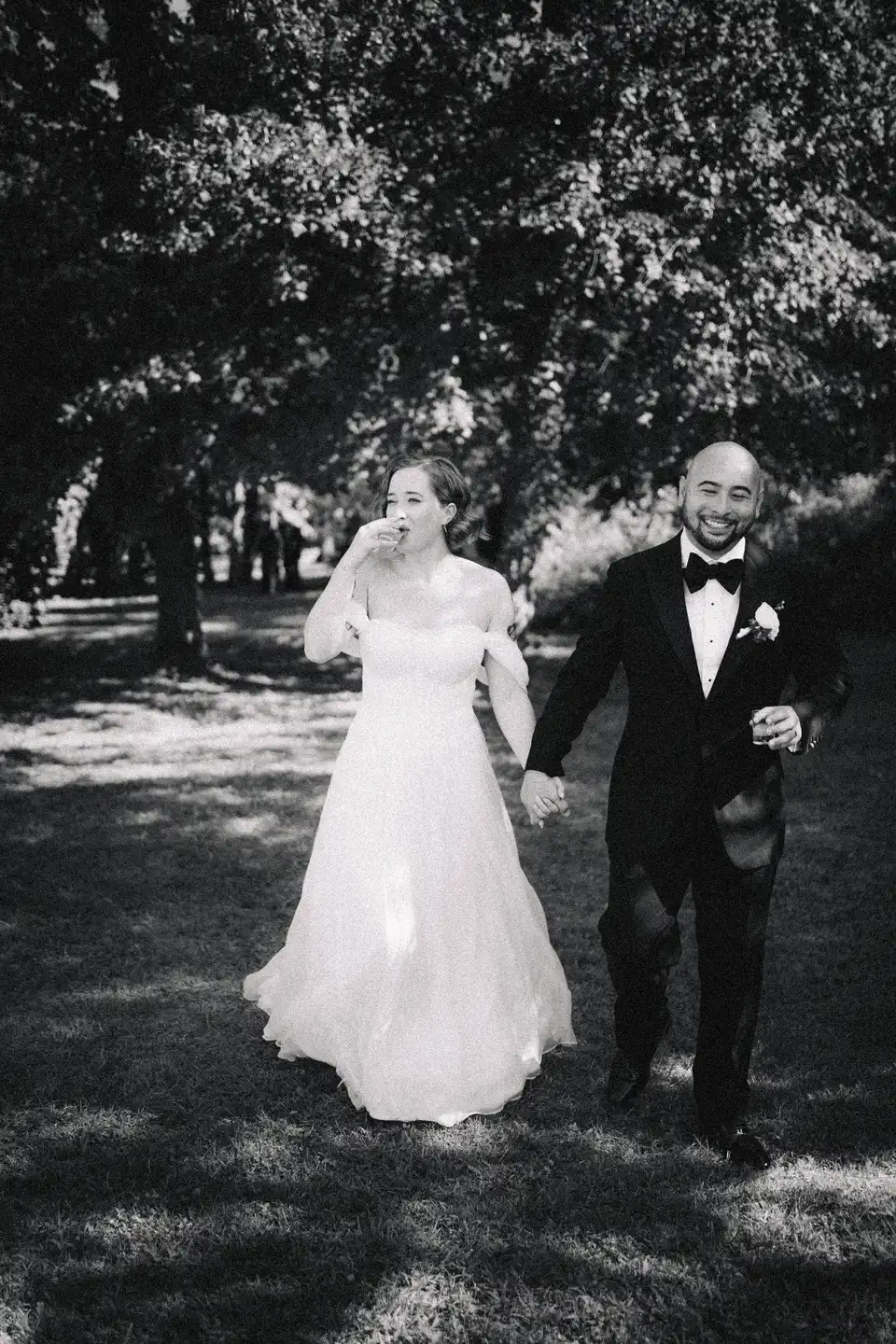
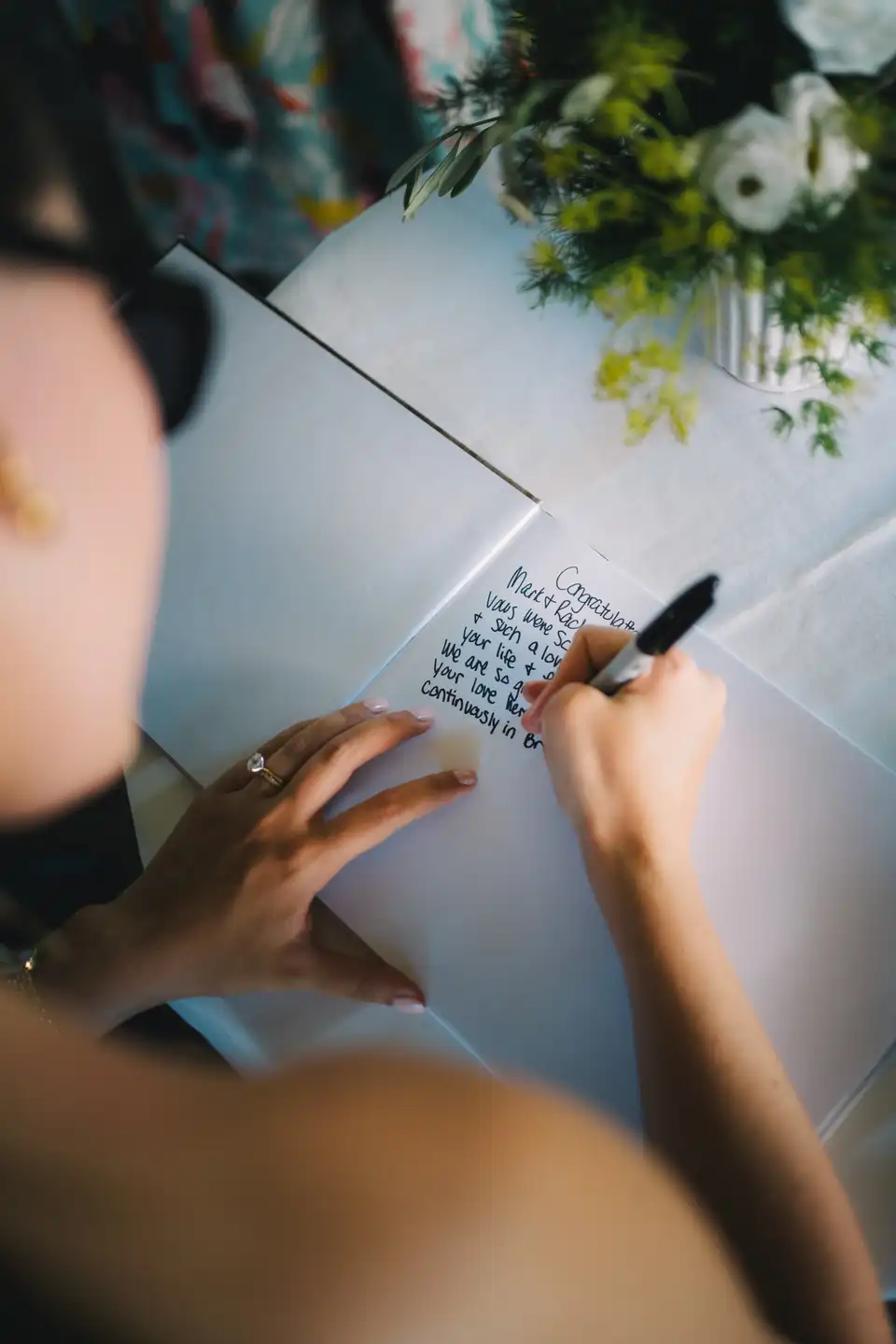
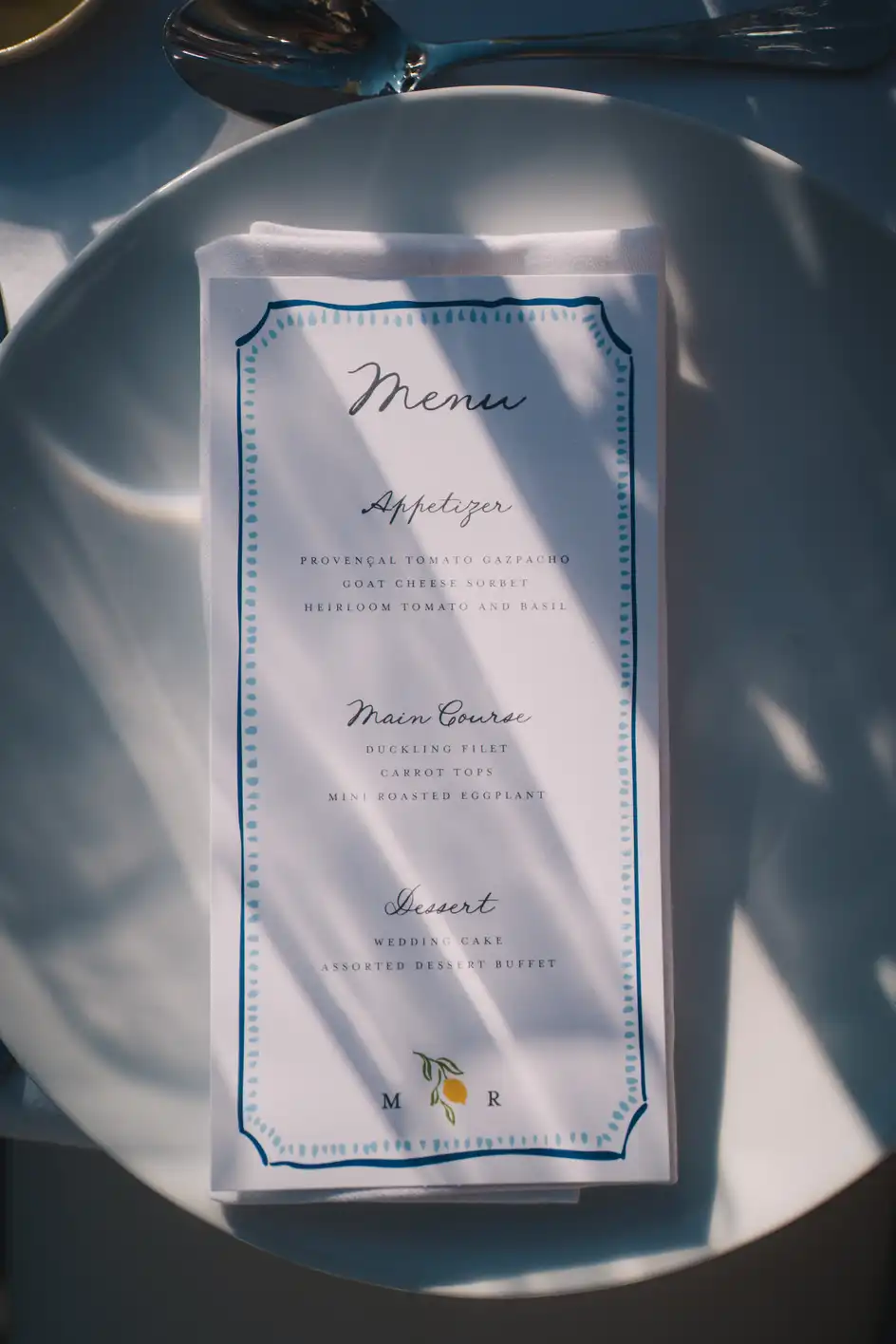
R&M travelled from the United States to gather their closest friends and family at Château de la Garde for three days in Provence. The weekend began with a welcome dinner, continued with the ceremony and reception, and ended with brunch. My role was to tell the story across the full weekend: the reunions, the connections that formed and the way the atmosphere changed from one day to the next.
A wedding weekend at Château de la Garde
Located in Le Puy-Sainte-Réparade, around fifteen minutes from Aix-en-Provence, Château de la Garde makes it possible to host a wedding over several days rather than compressing the entire experience into a few hours. The château’s bedrooms, the couple’s suite and the lodges set within the grounds allow some guests to stay on site. The welcome dinner becomes a genuine opening chapter, the energy carries through the wedding and the party, and brunch gives everyone one final moment together before leaving.
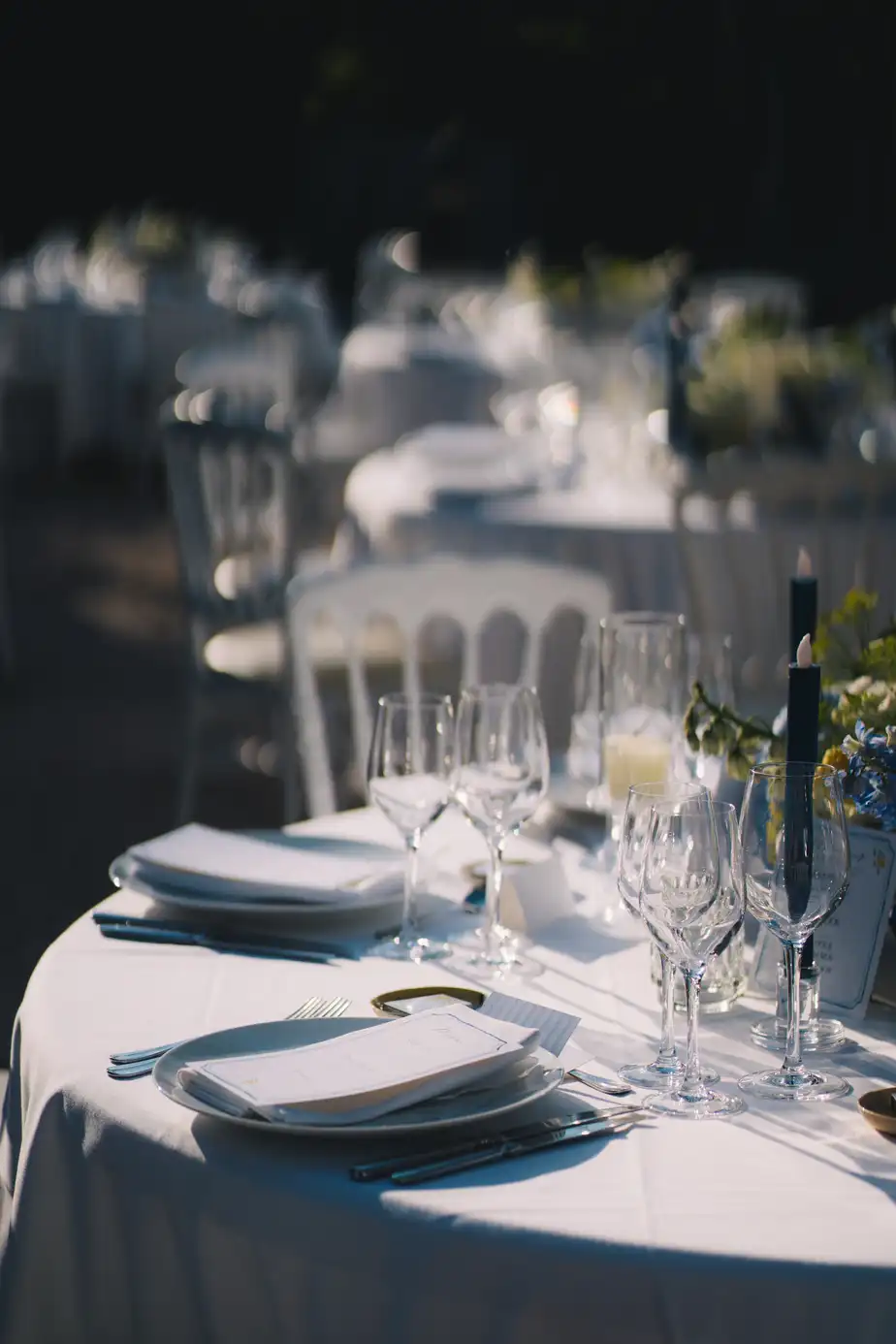
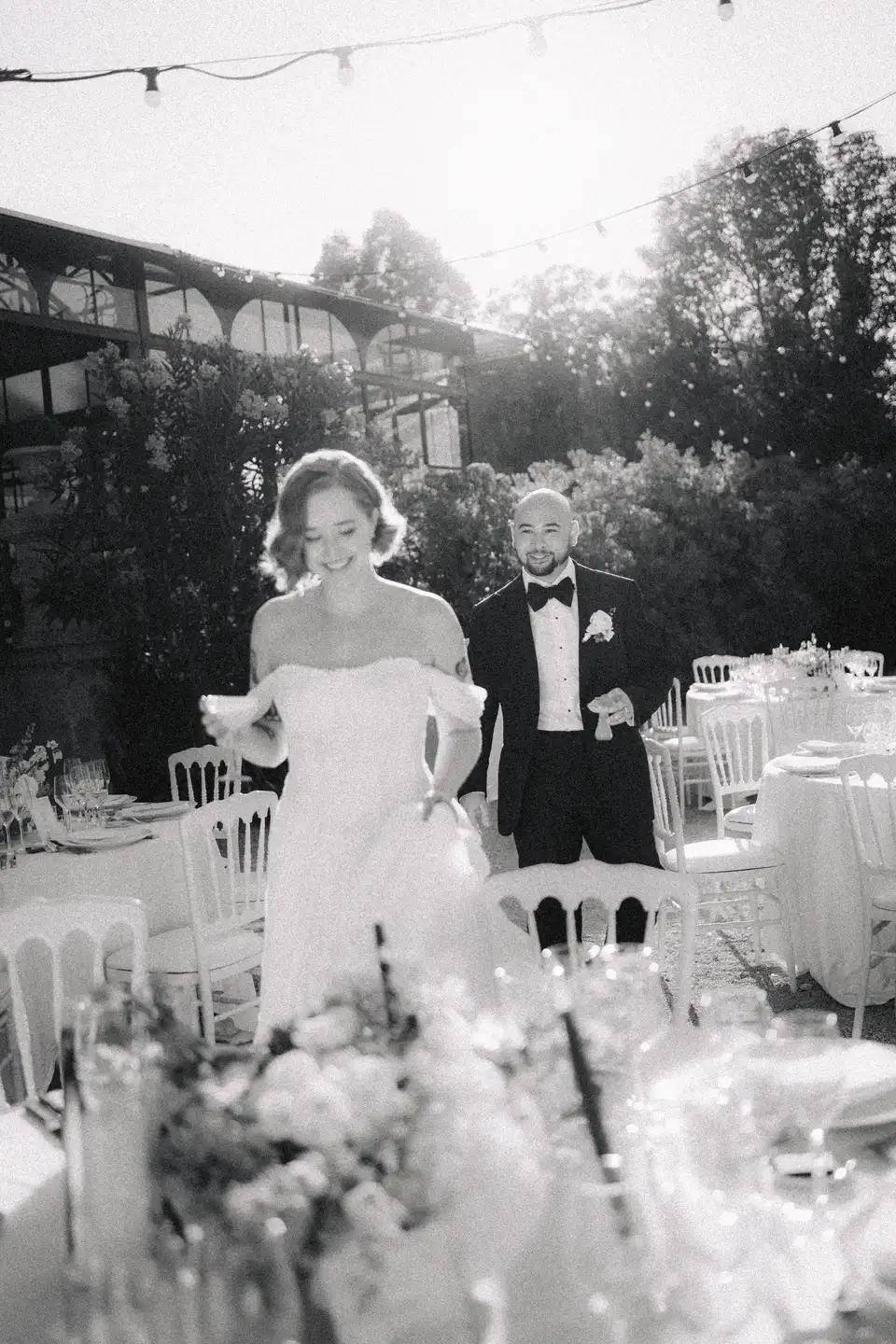
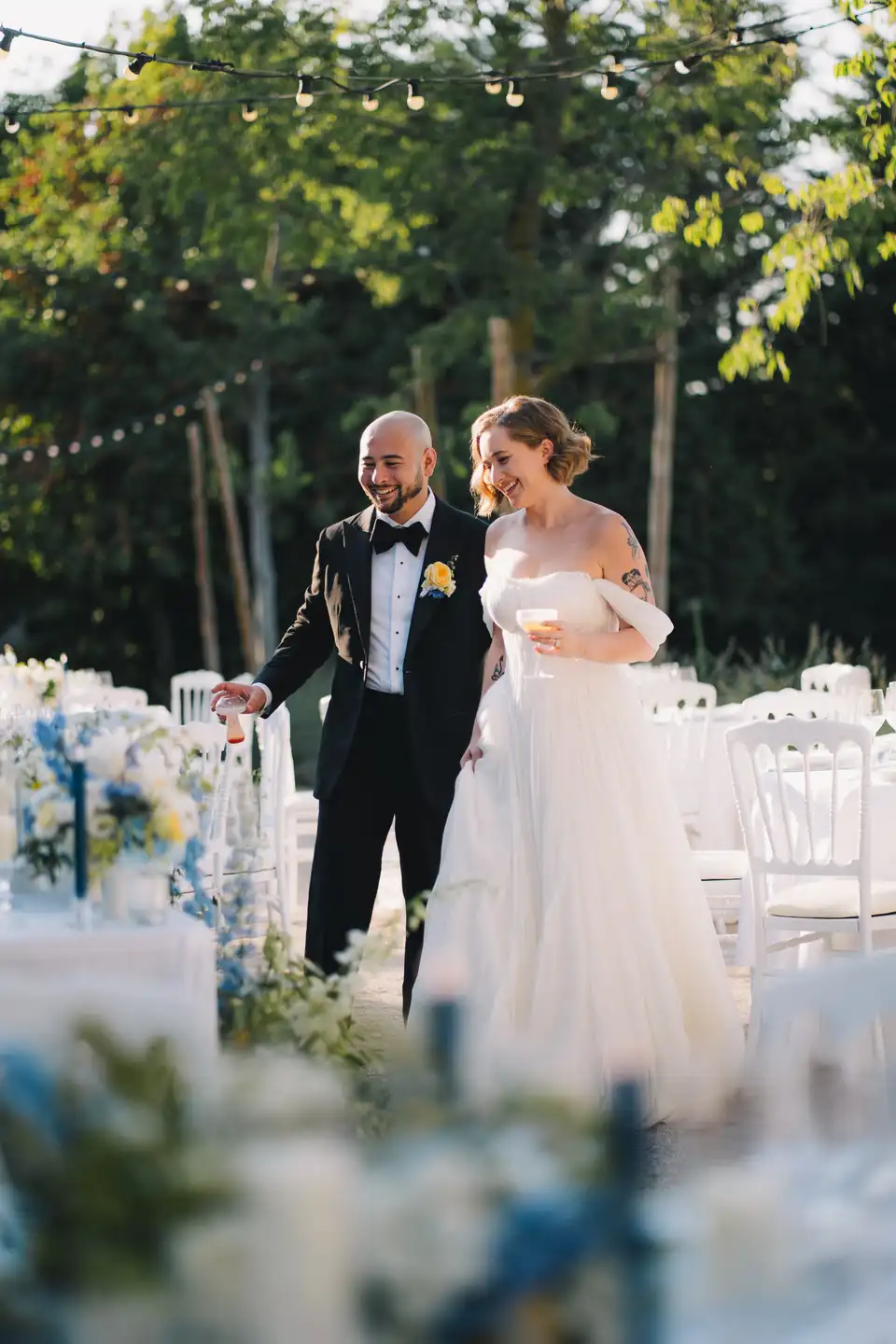
Spaces that give the reception a natural flow
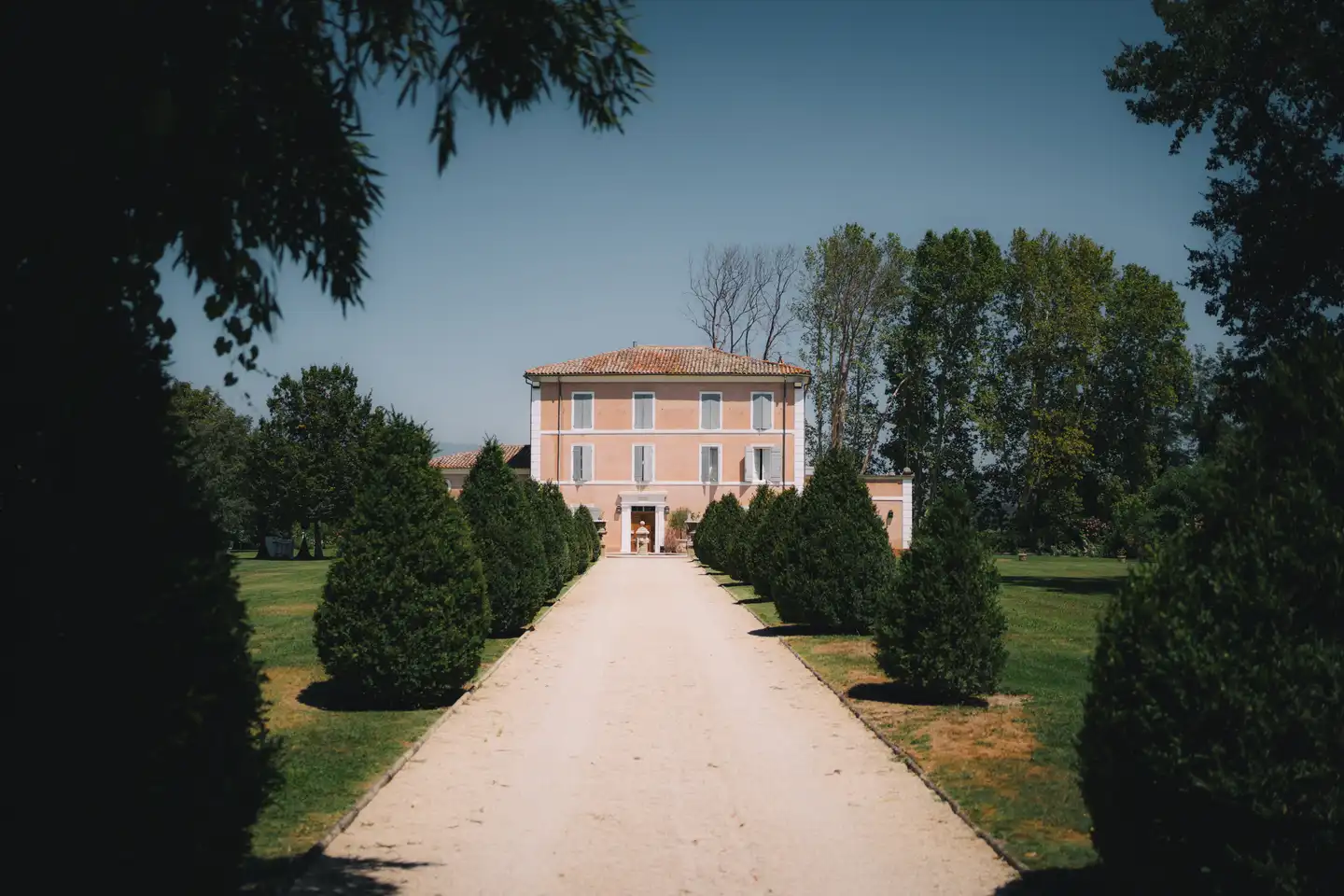
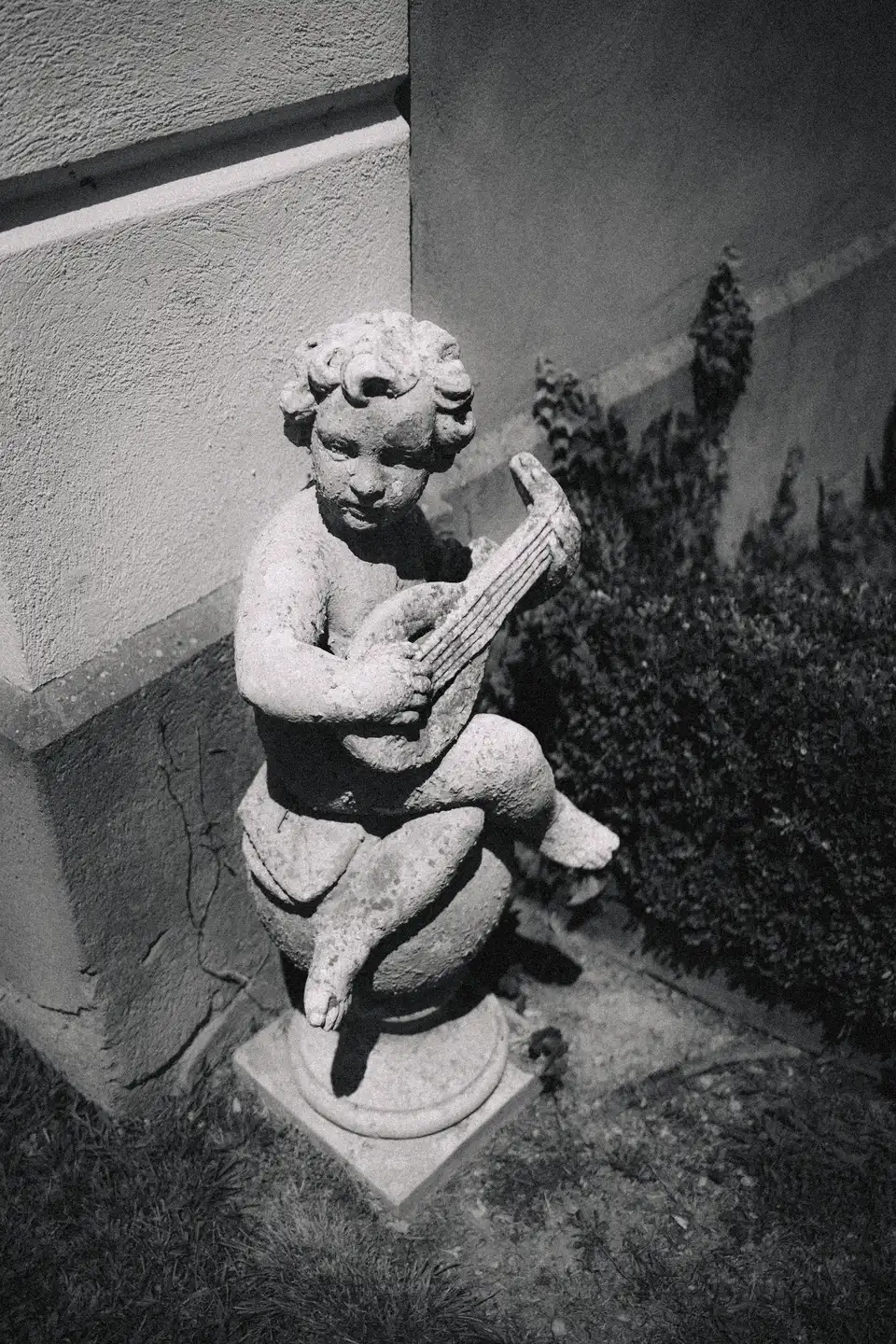
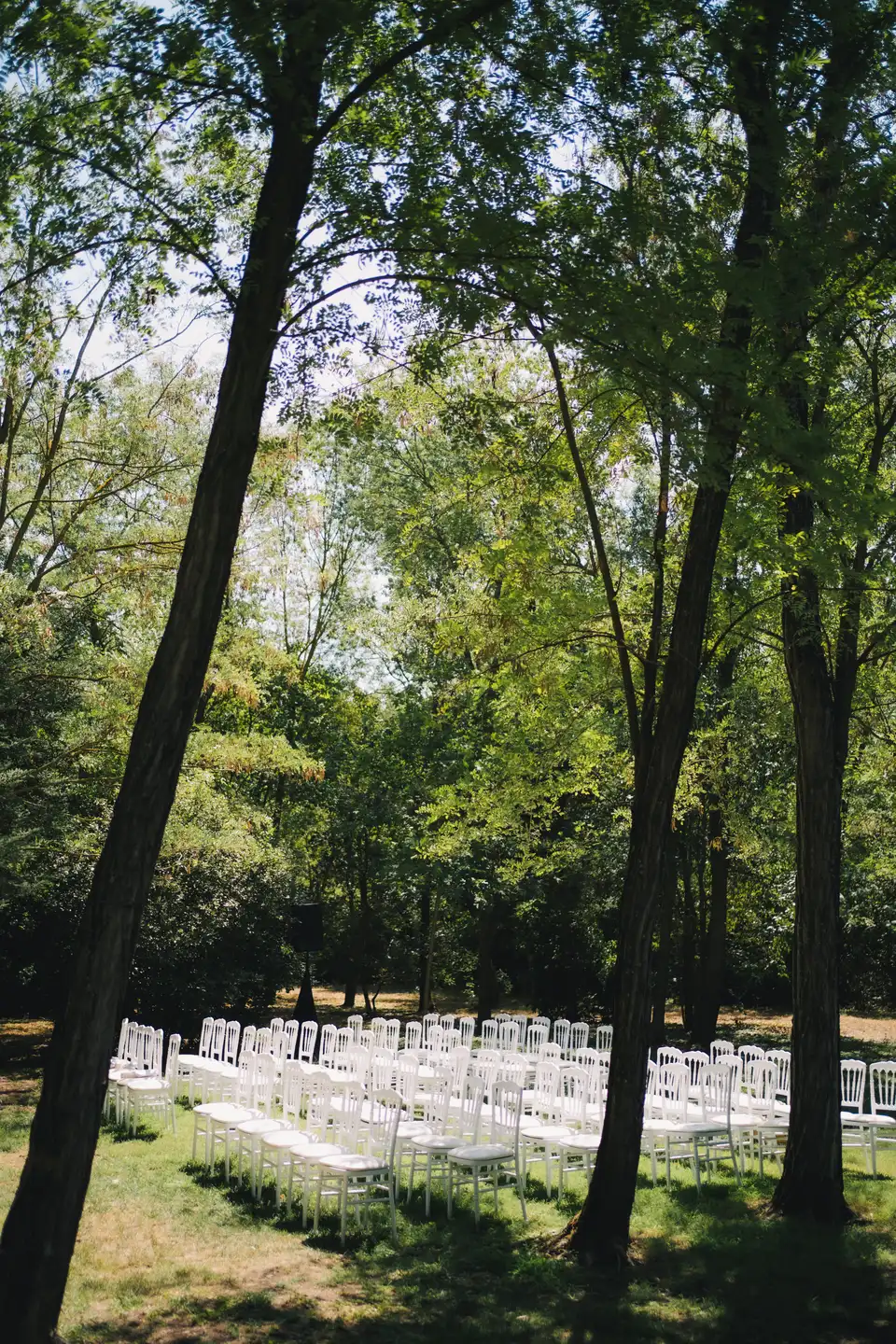
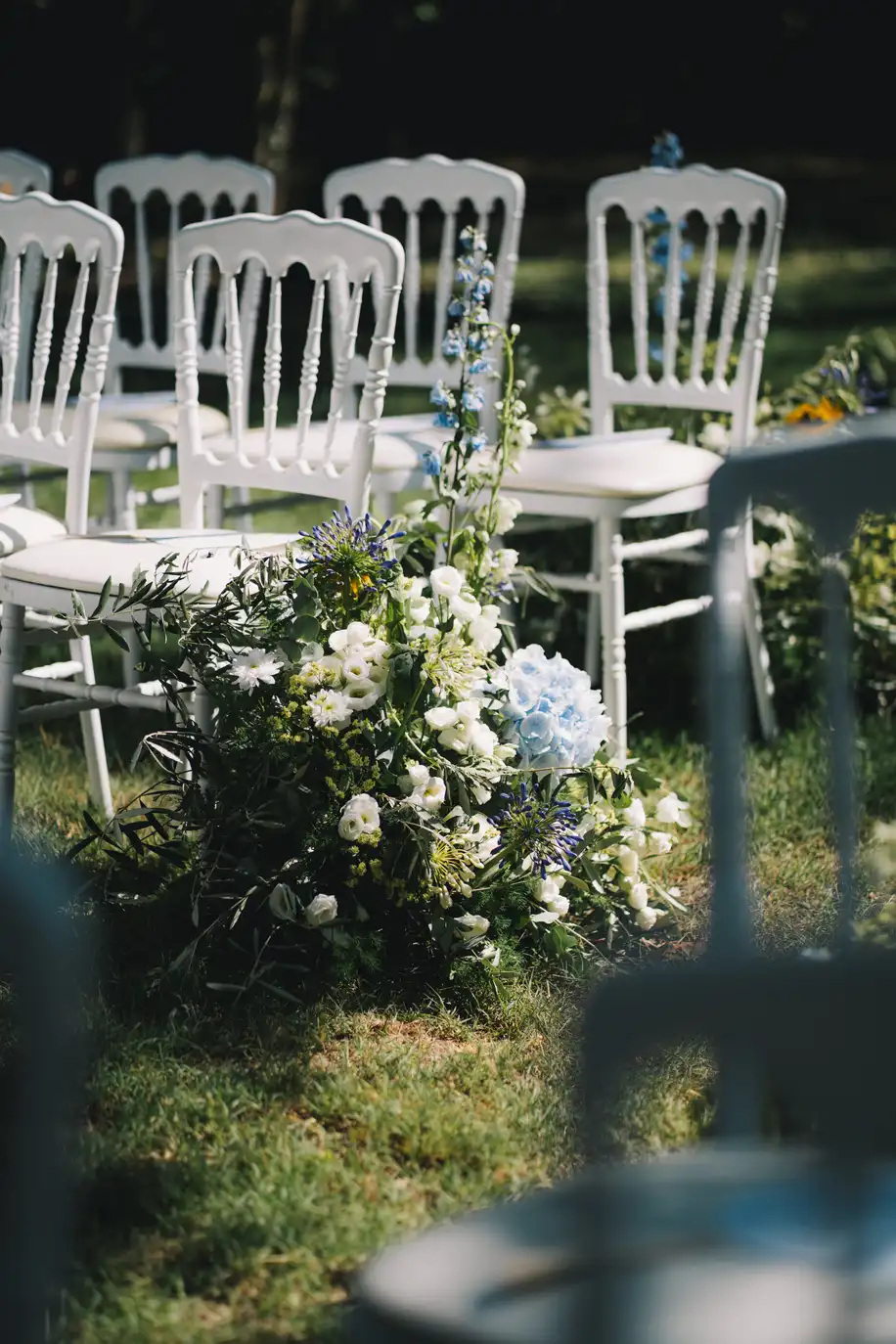
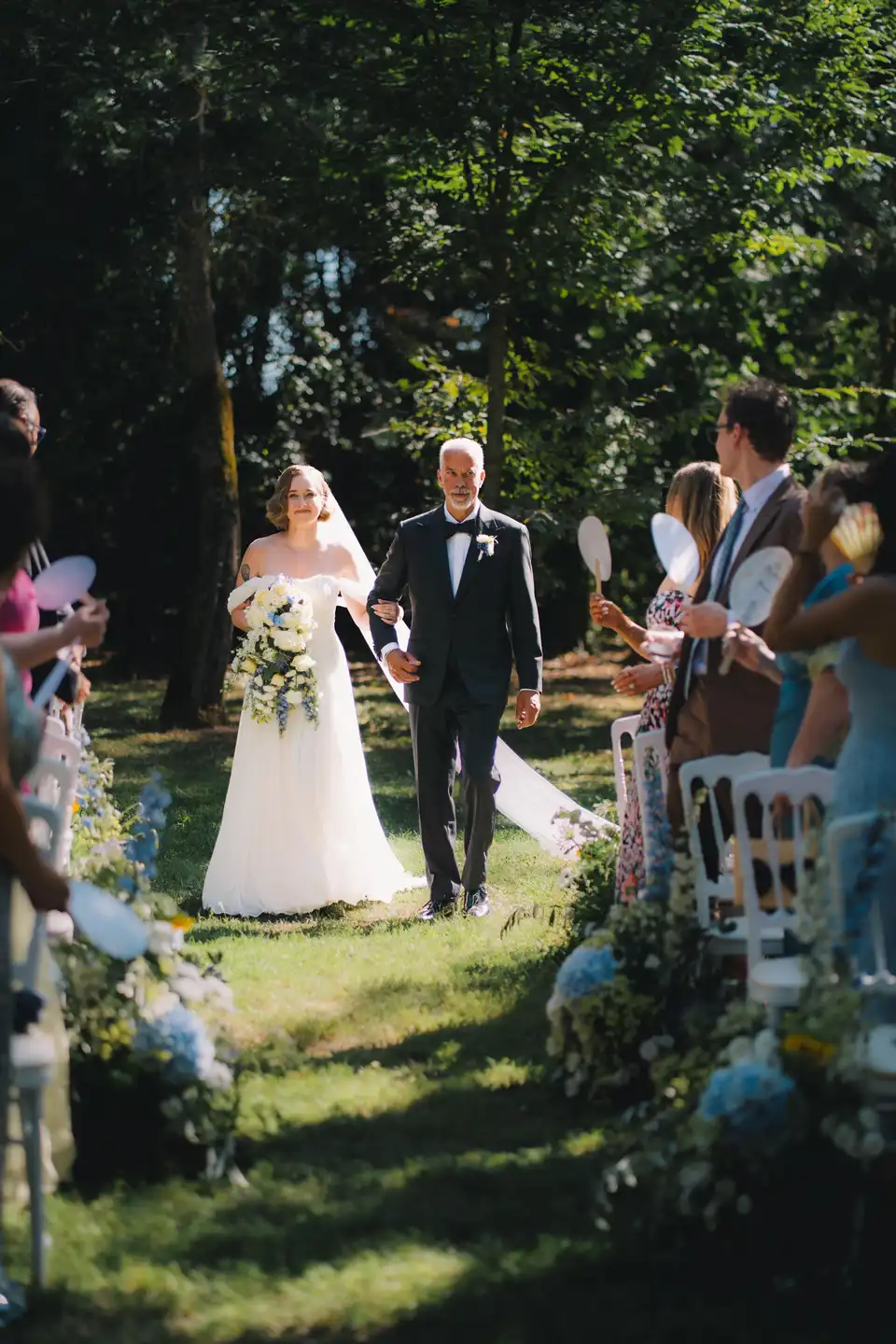
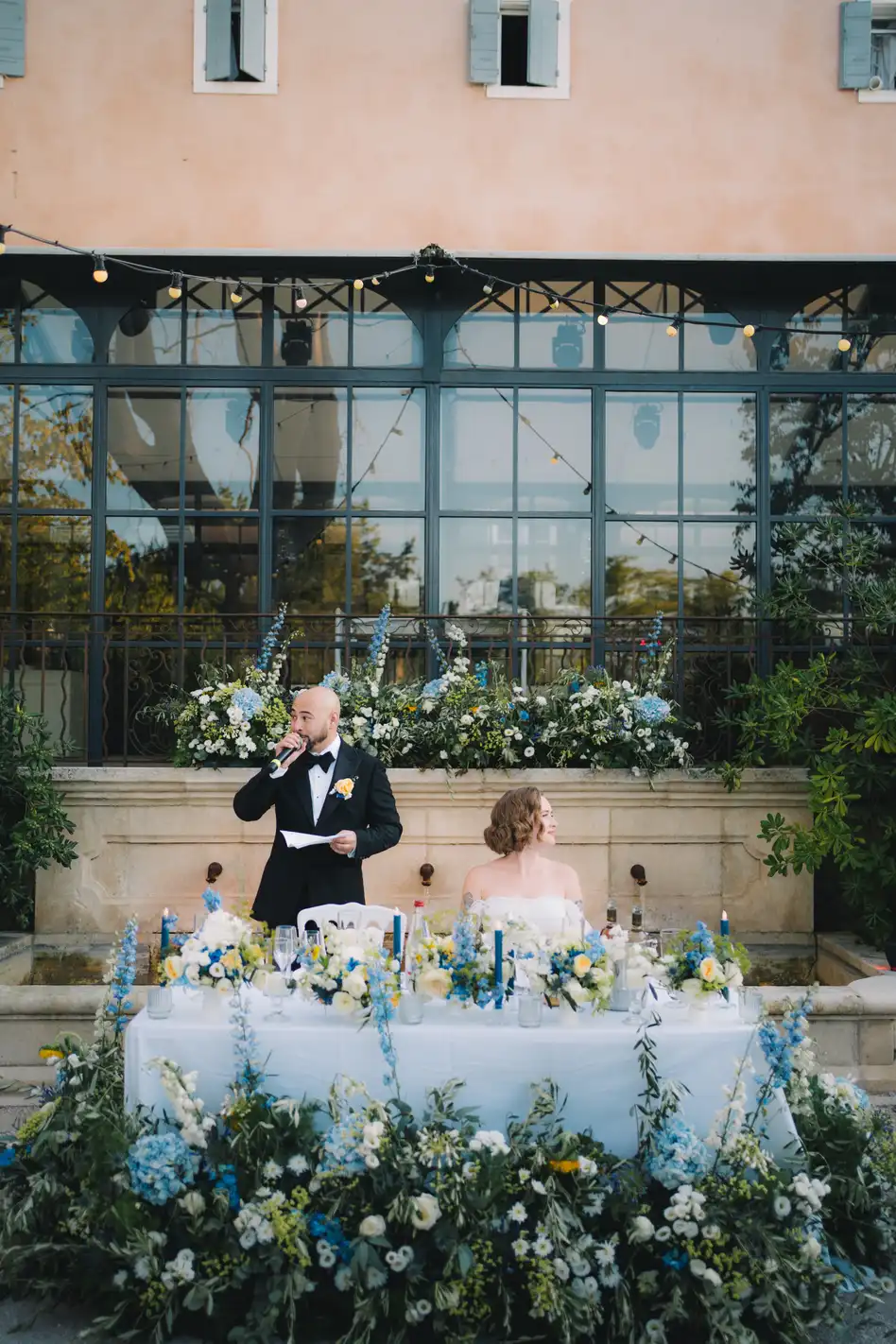
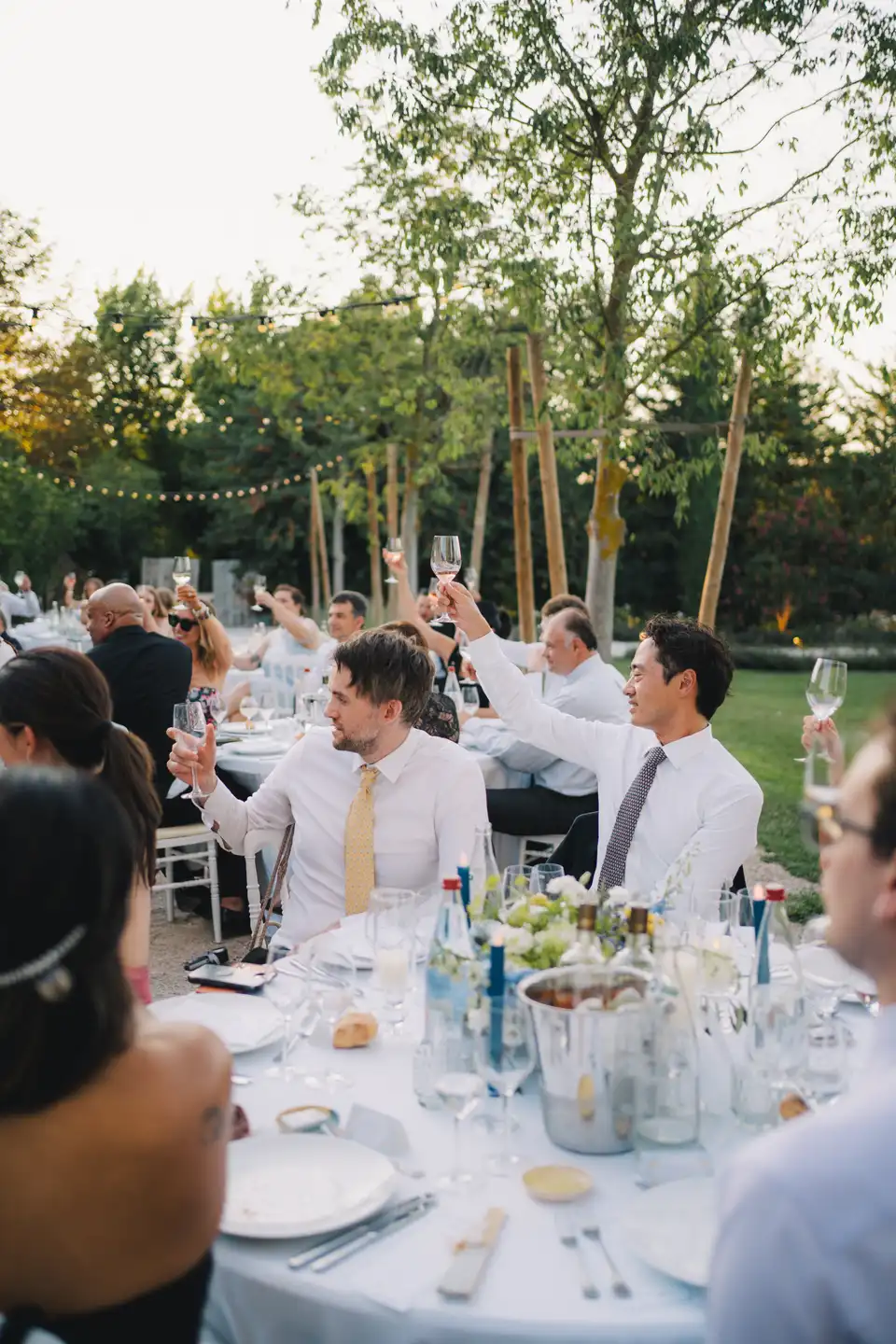
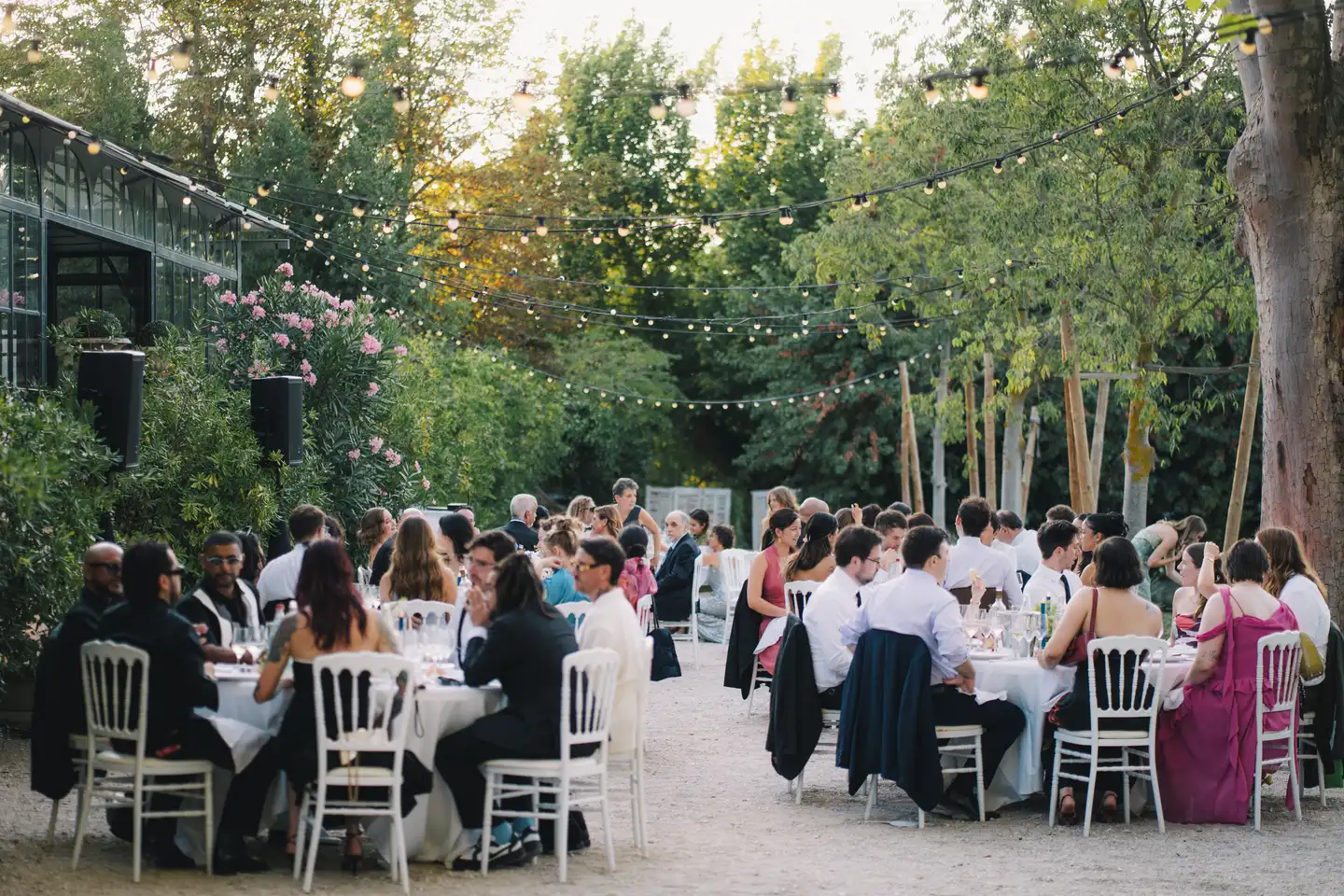
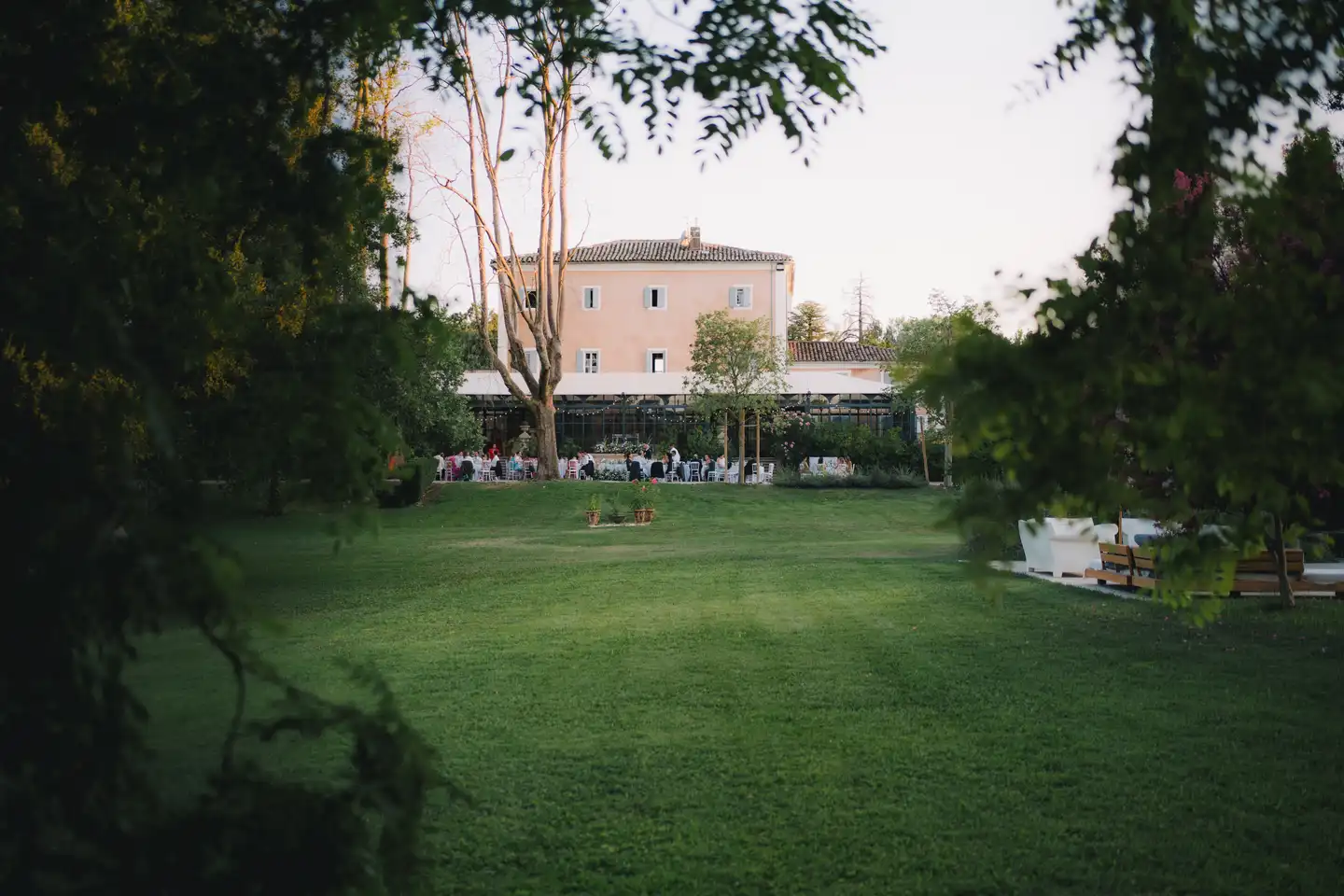
The estate includes a four-hectare park, terraces, a fountain, a swimming pool and an orangery opening onto the grounds. The ceremony can take place in the park, followed by cocktail hour around the terrace and dinner inside the orangery or outside beneath the plane trees. This progression means guests do not need to get back into their cars, while each part of the day retains a distinct atmosphere. With 80 guests, moving between the spaces remains straightforward, although a few minutes should still be allowed between the ceremony, cocktail hour and dinner.
Photographing the day as it unfolds
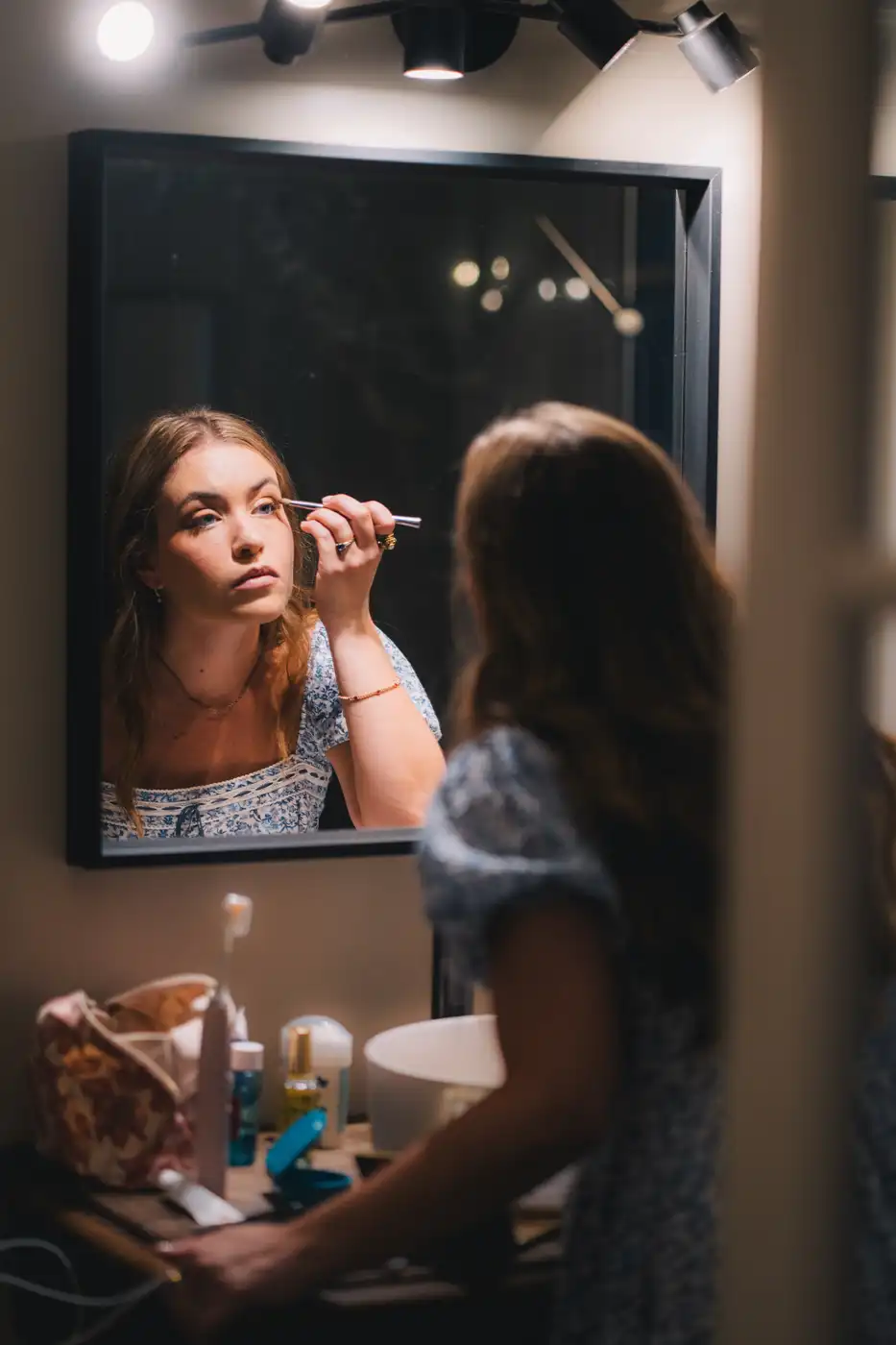
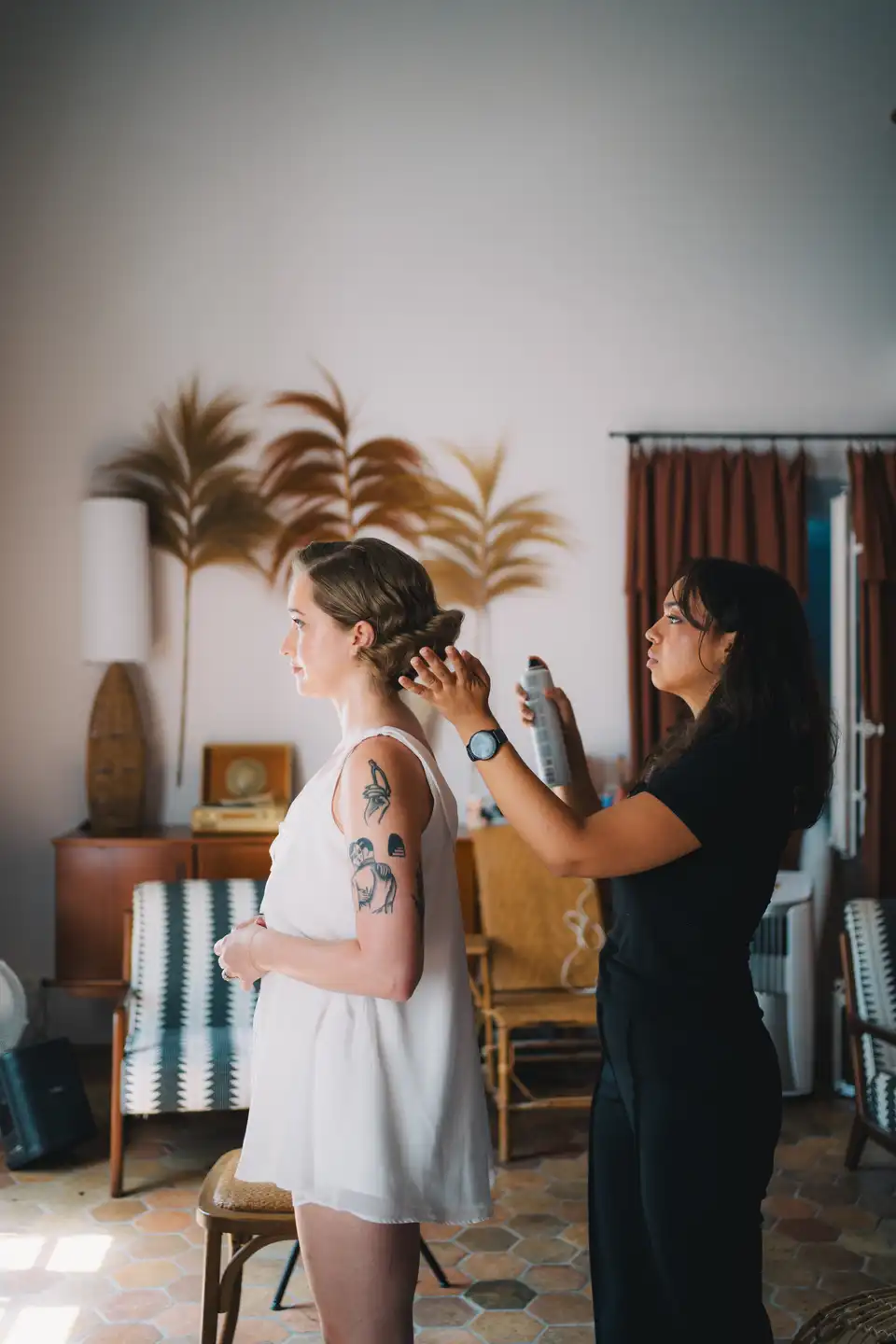
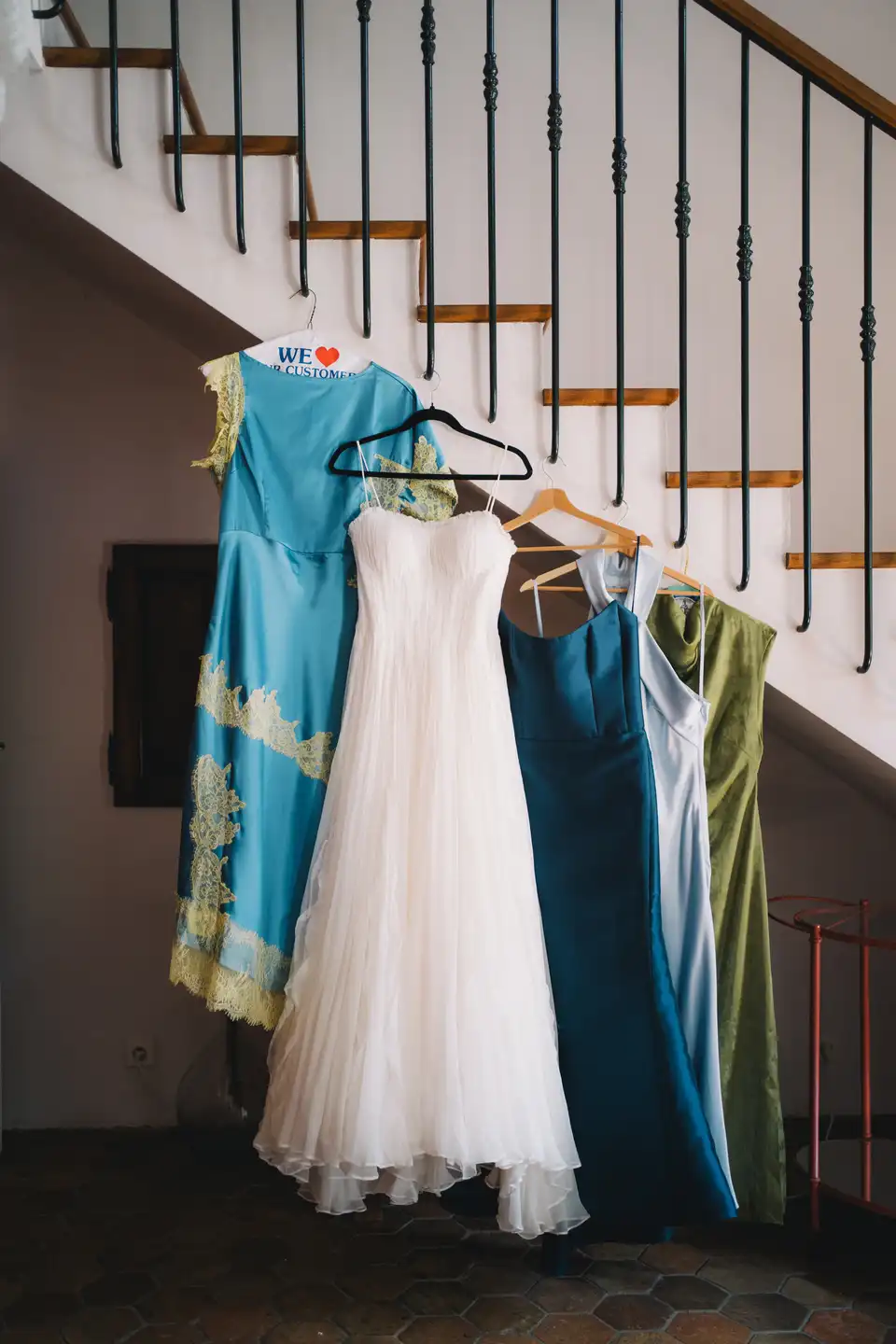
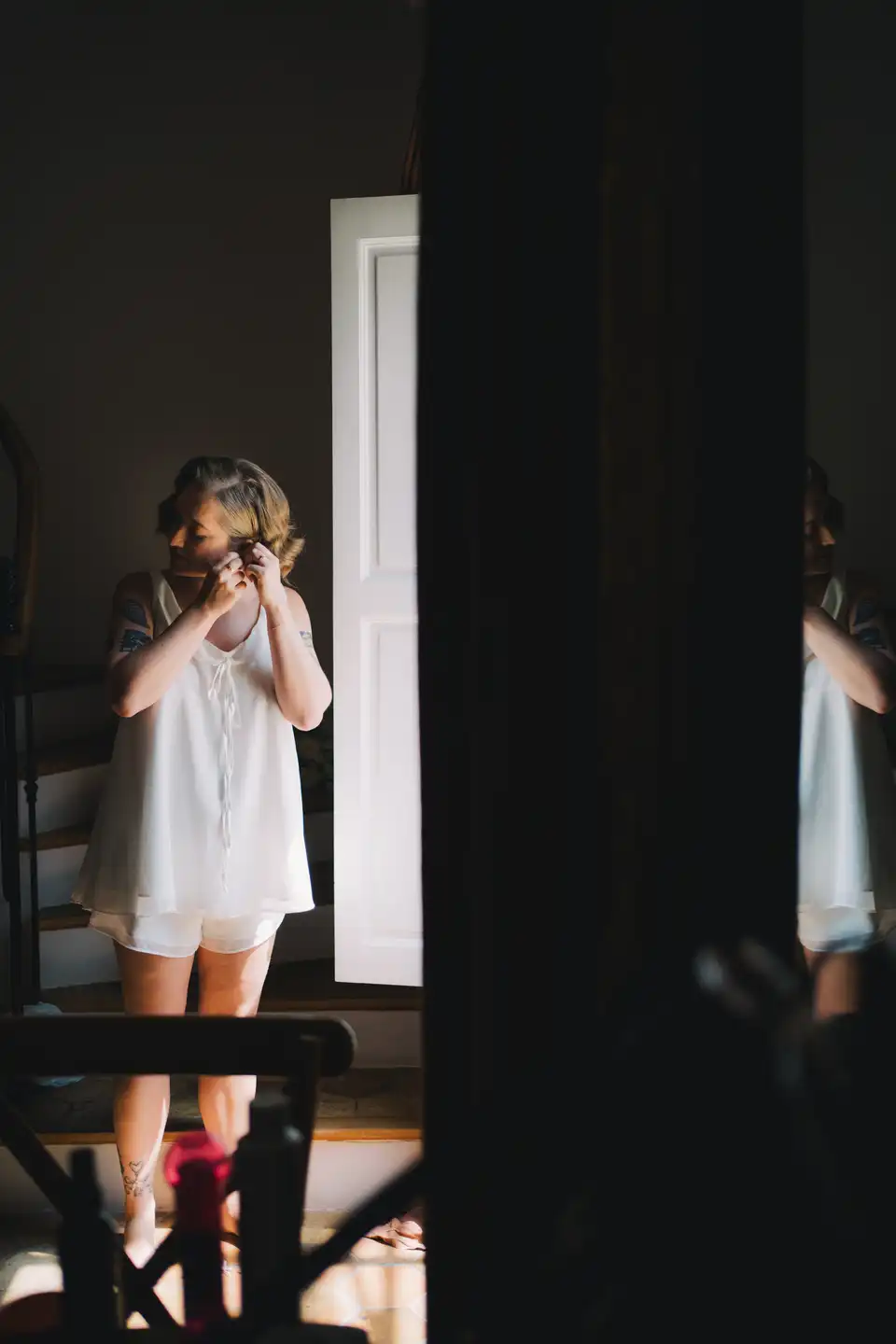
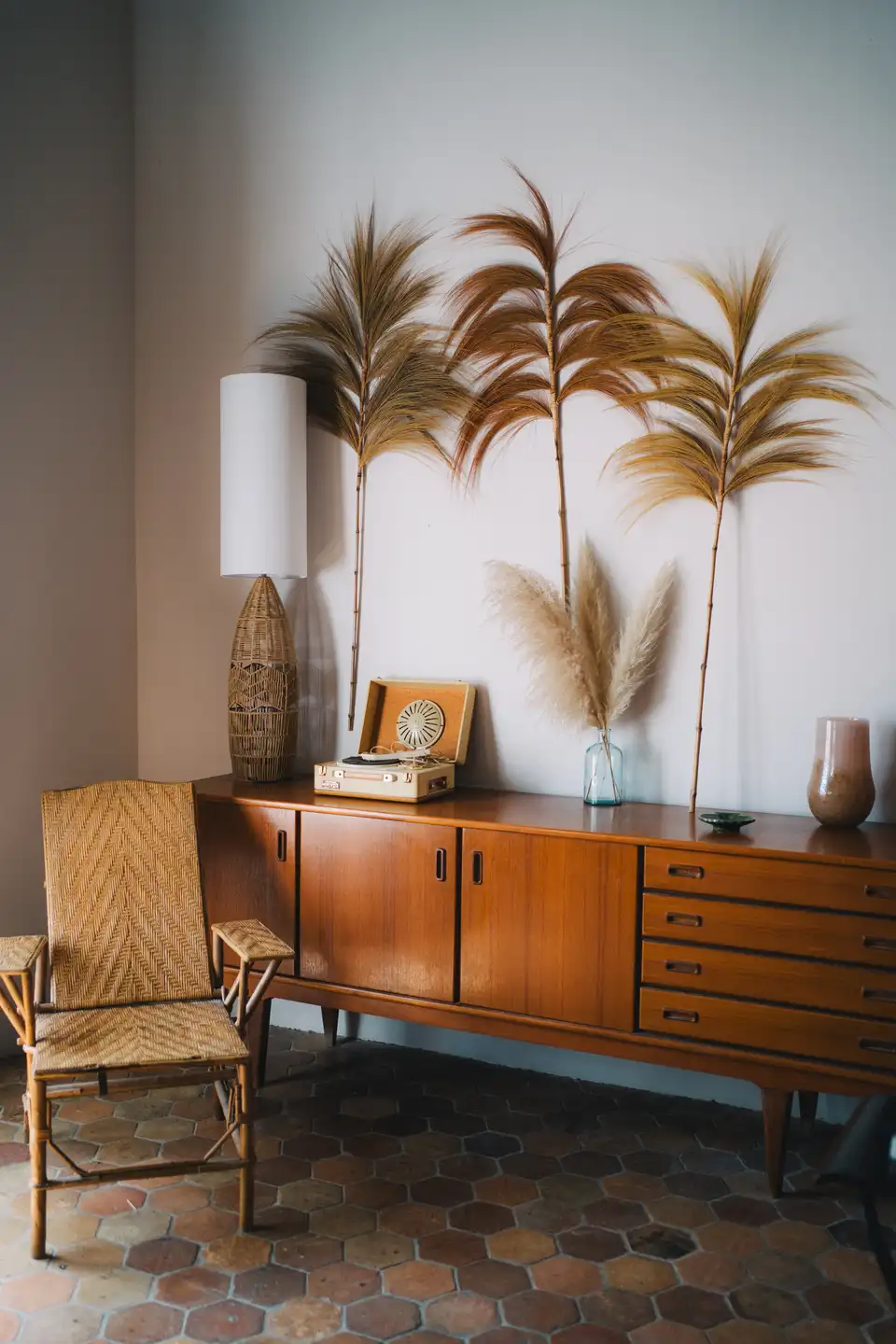
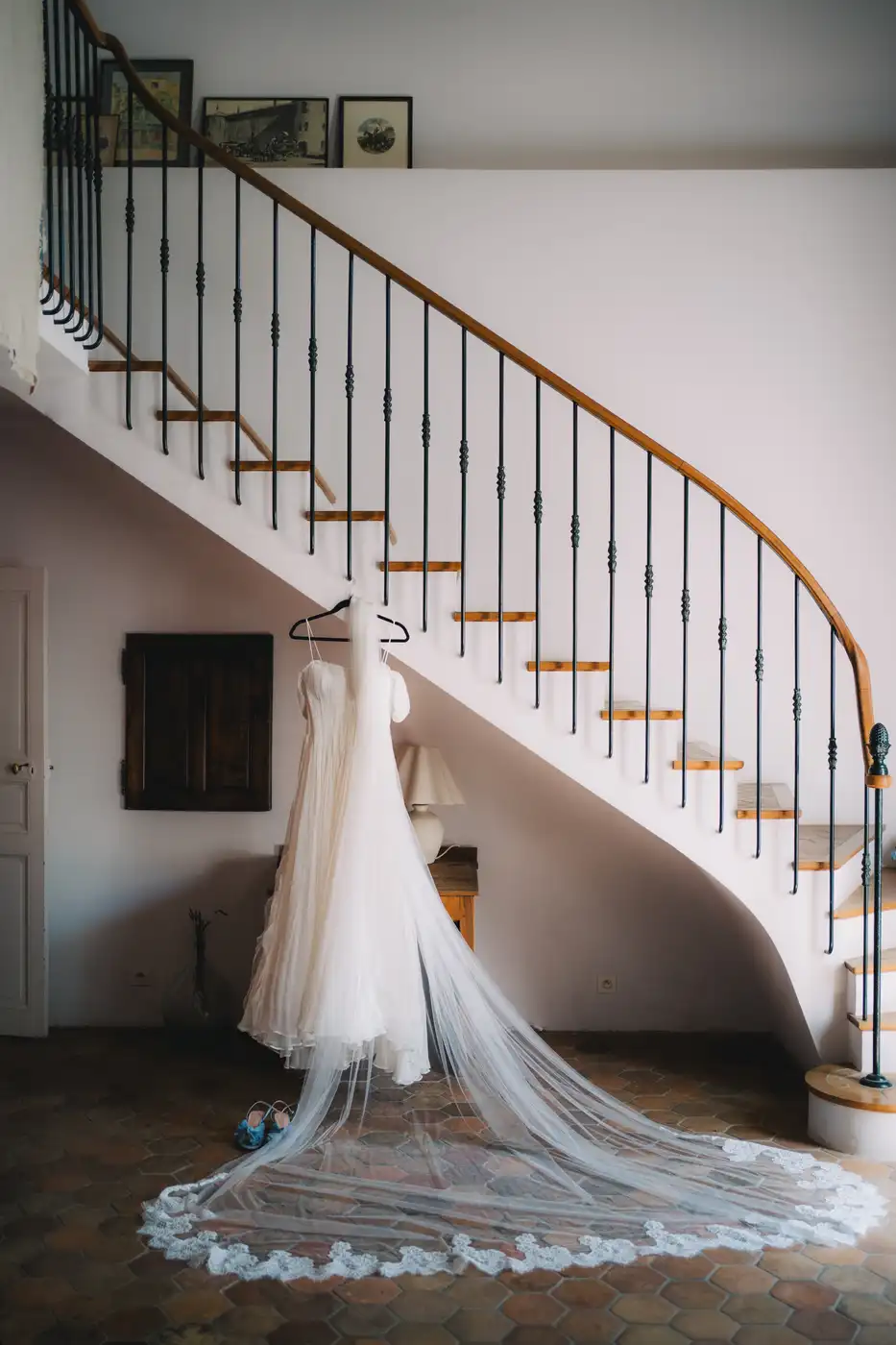
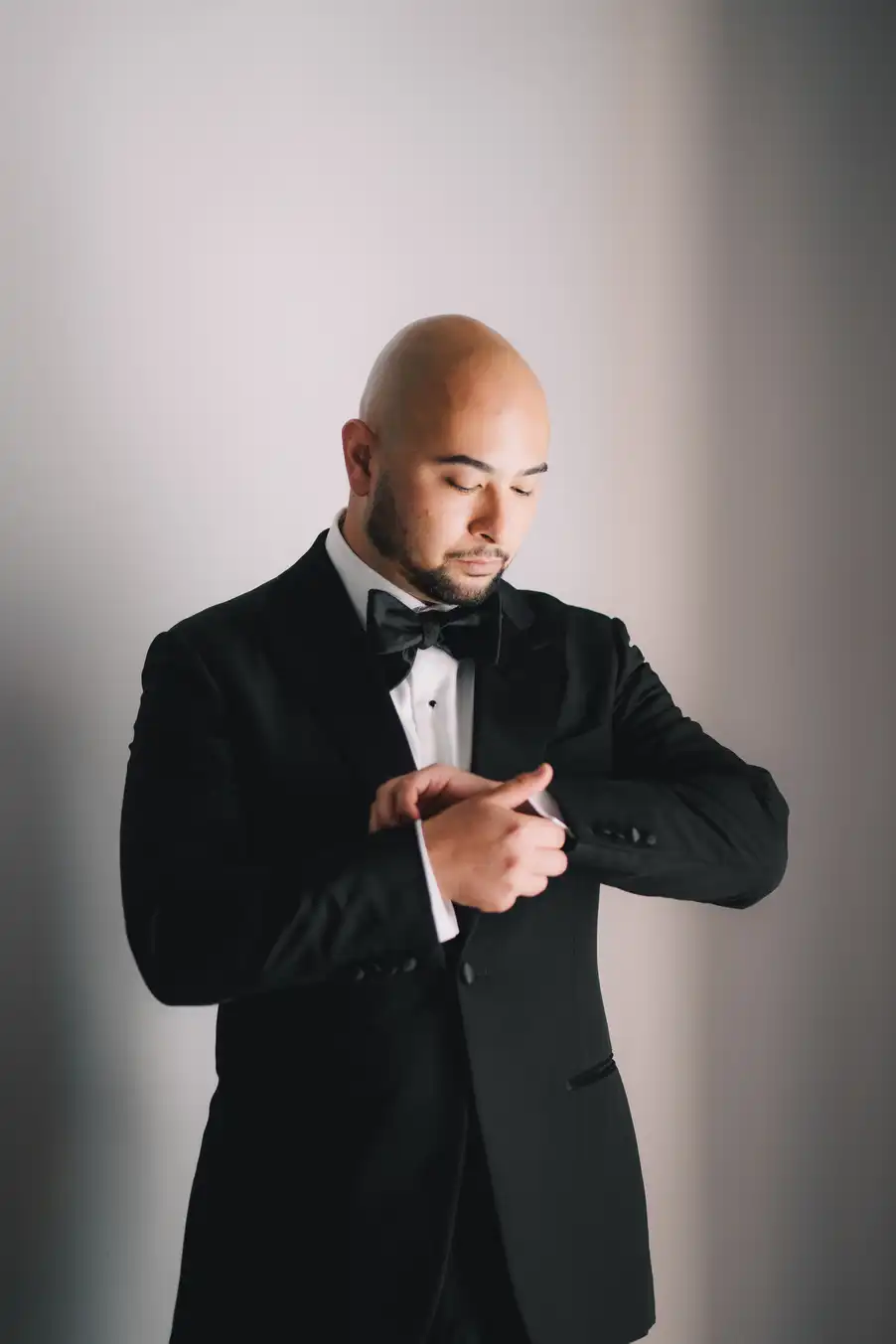
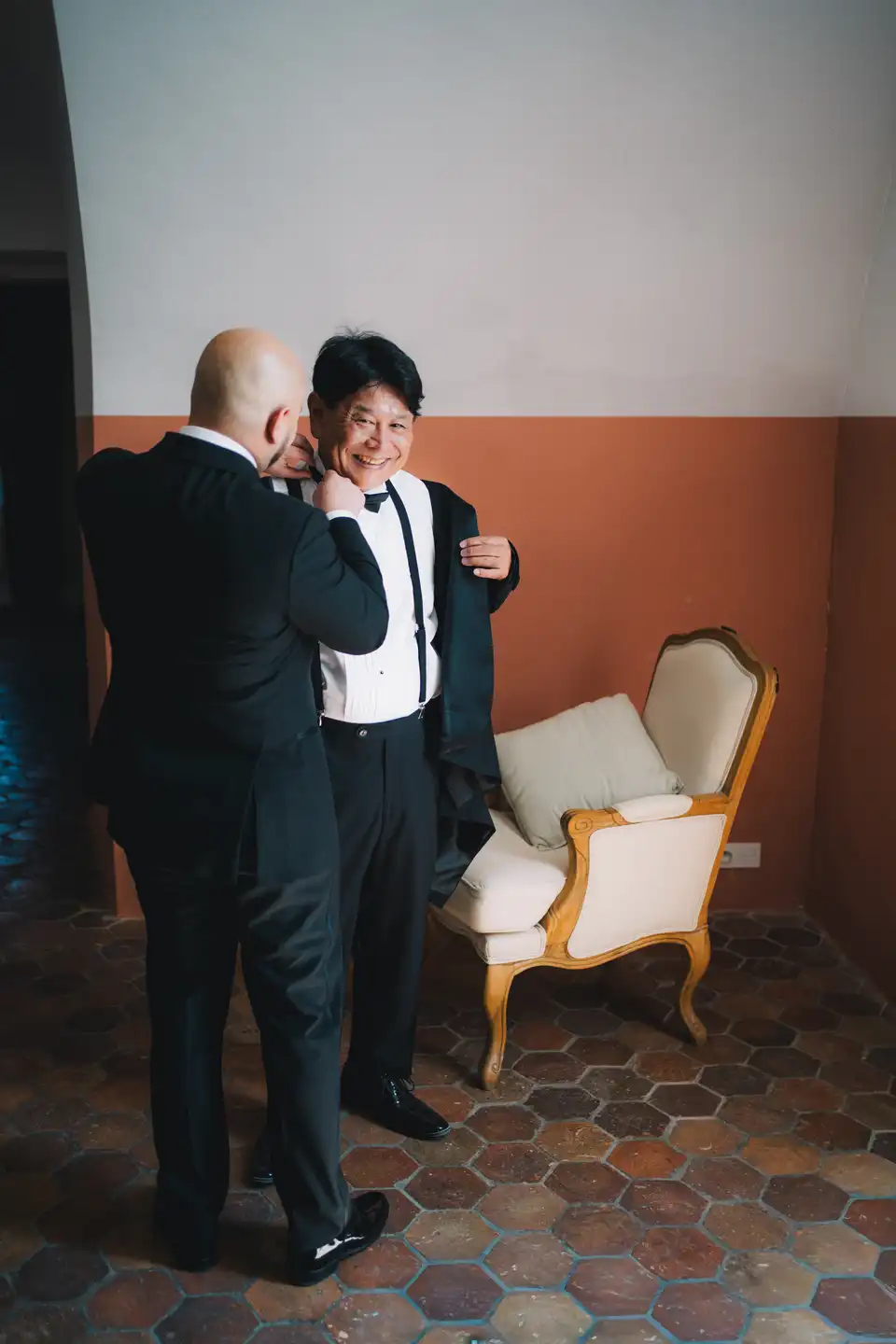
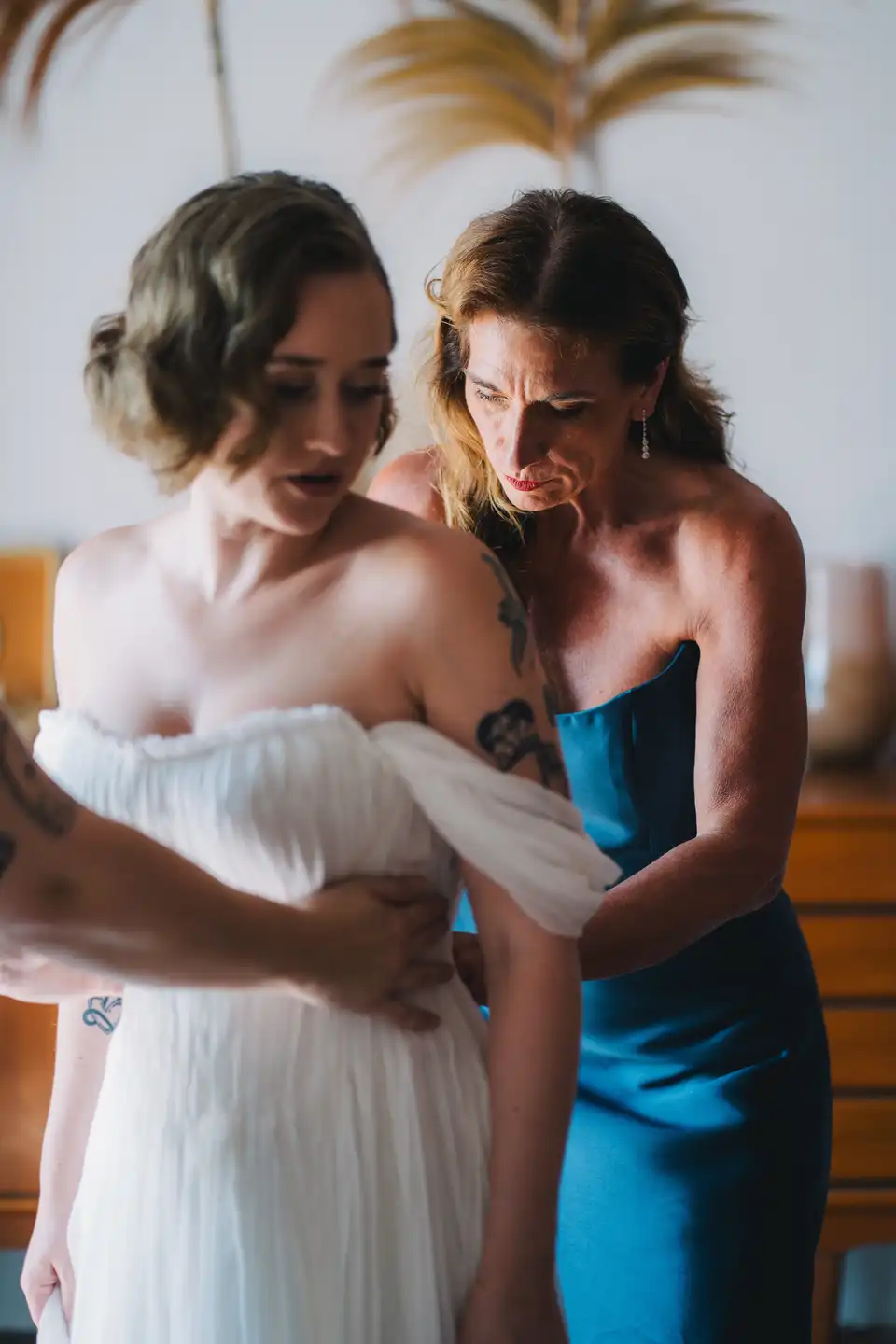
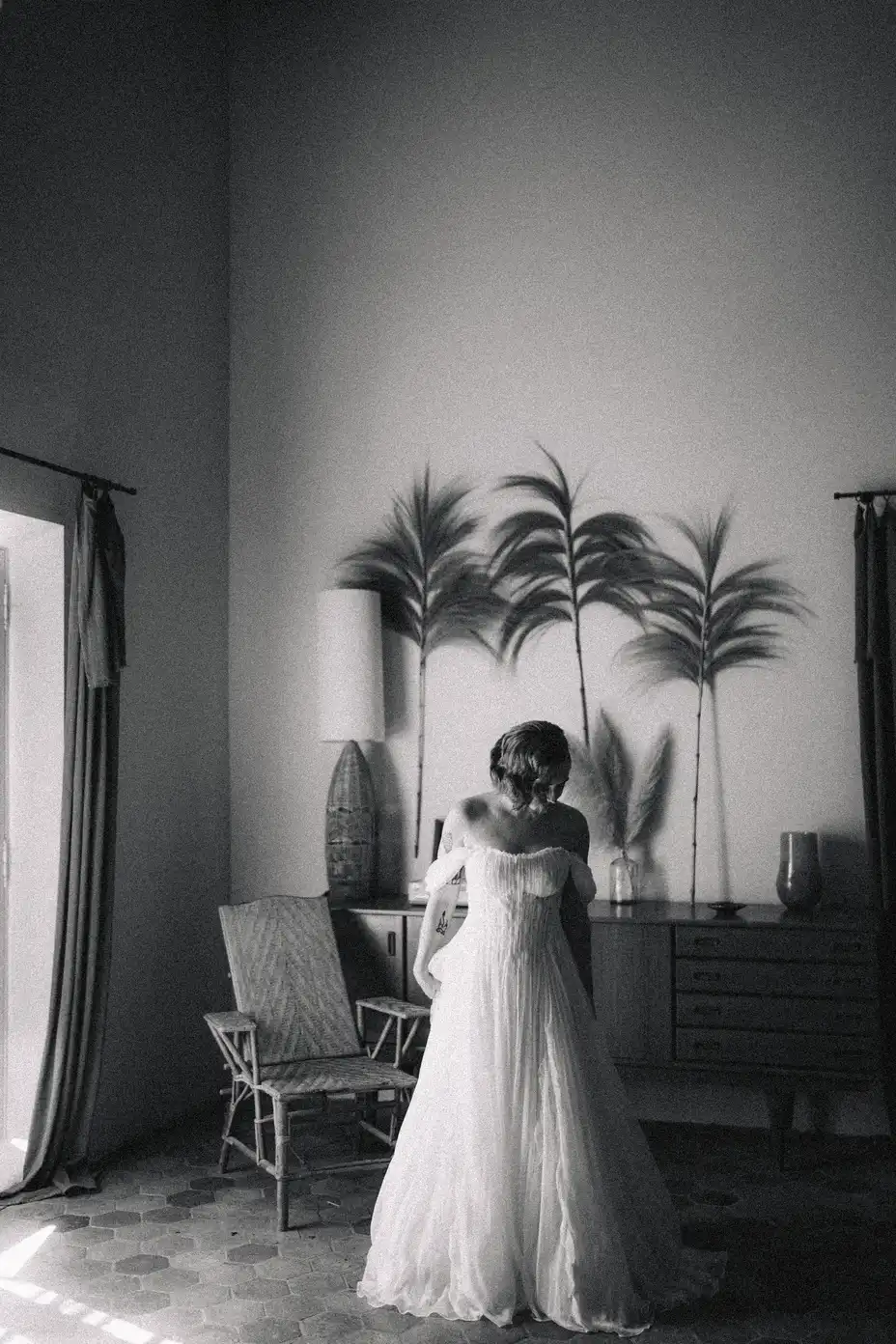
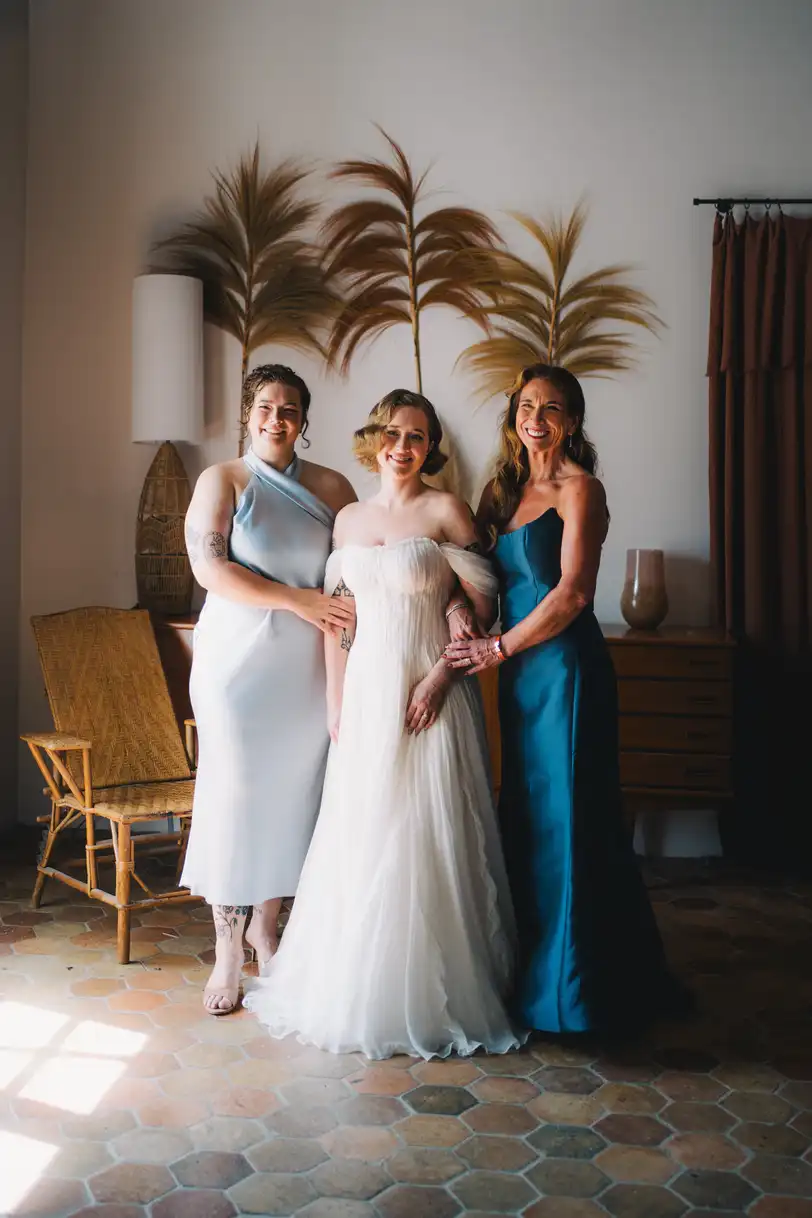
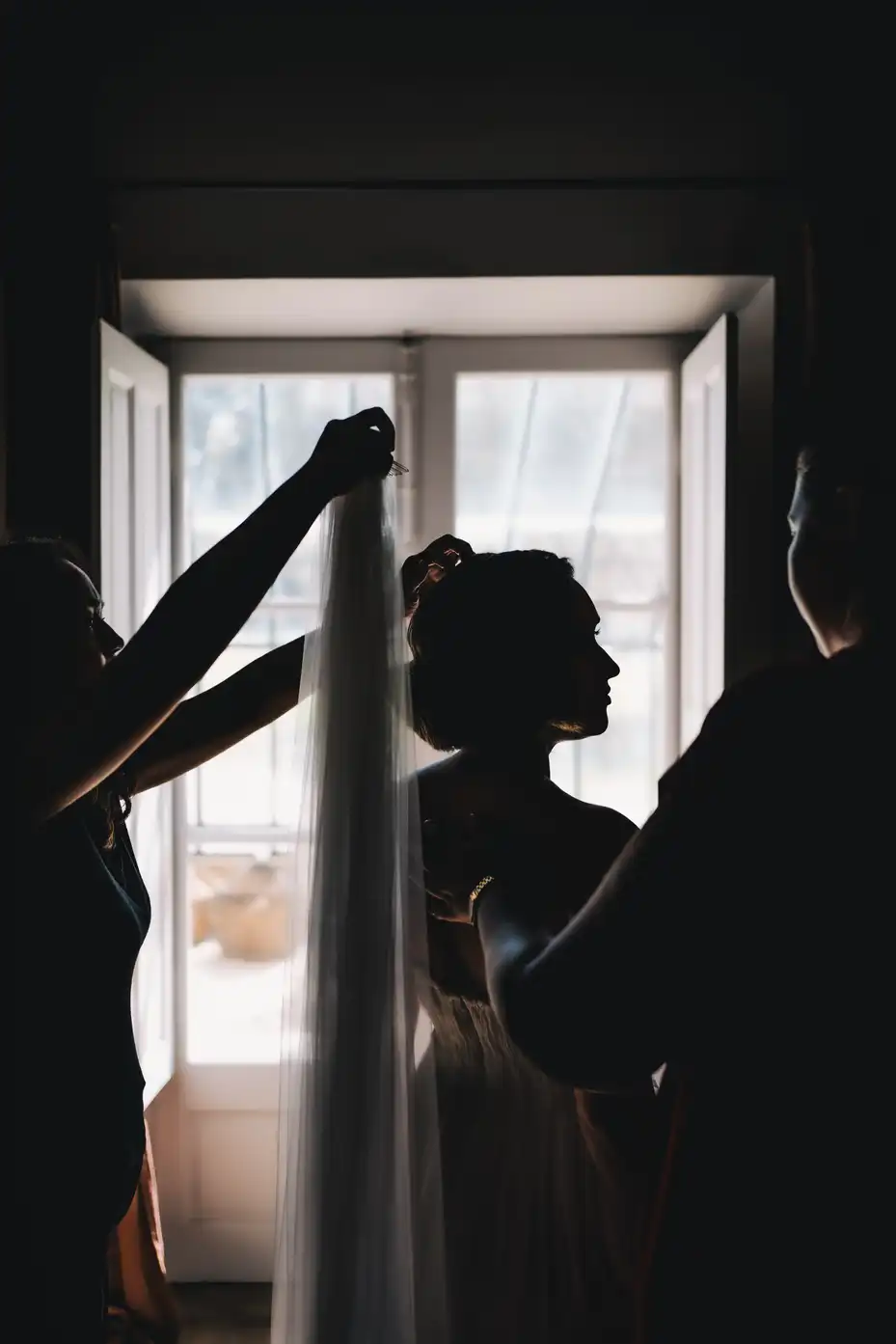
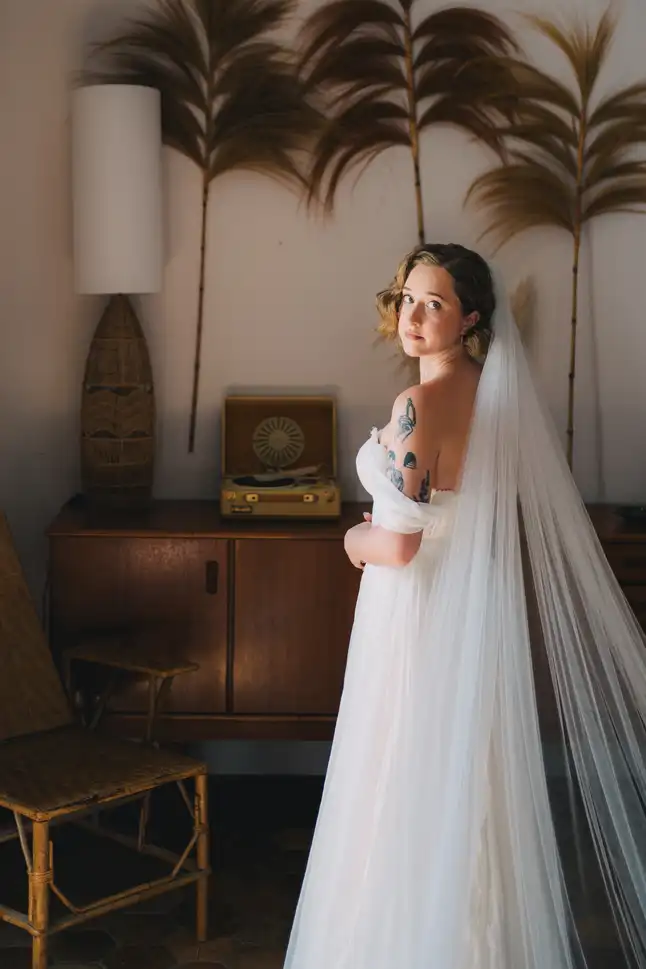
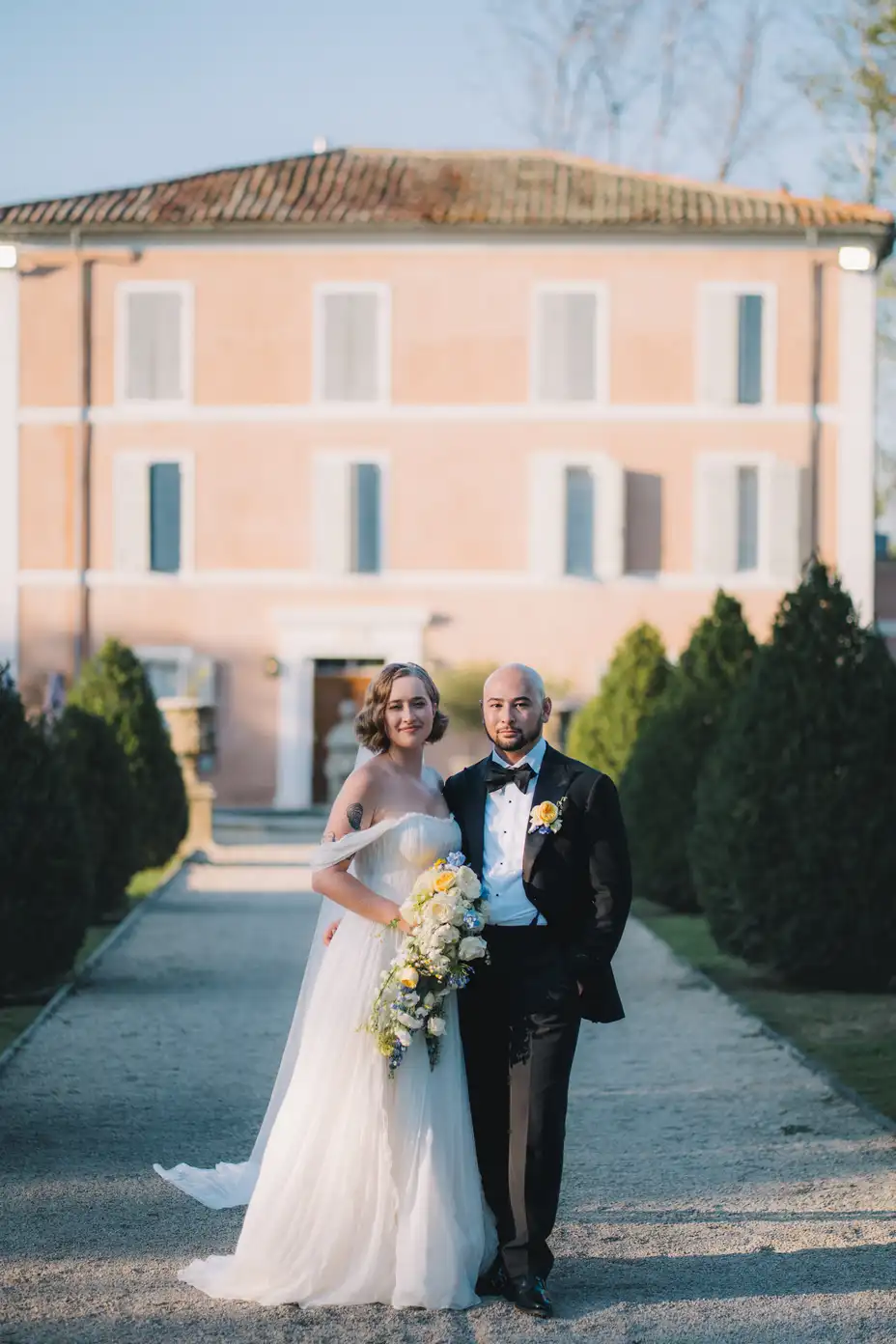
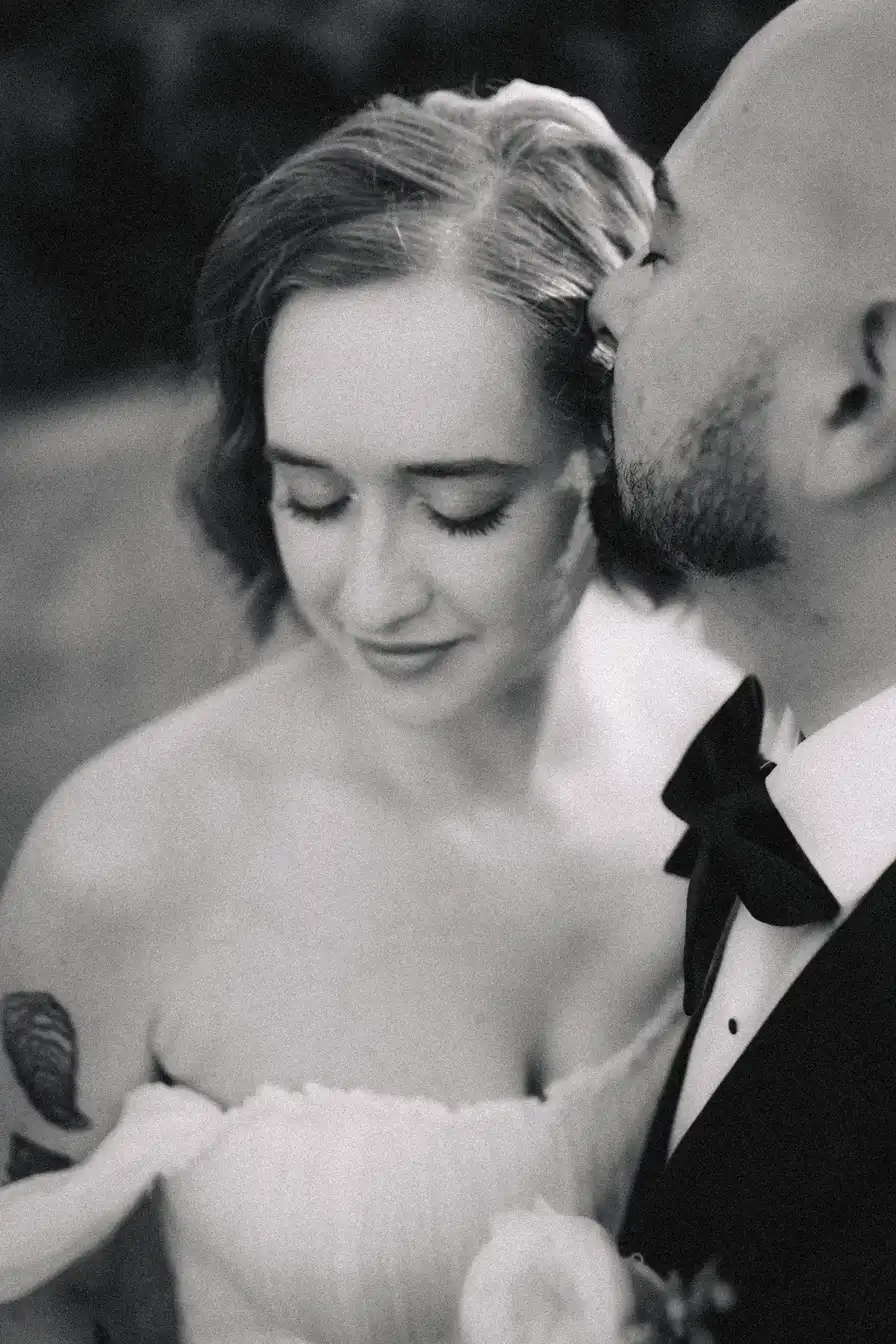
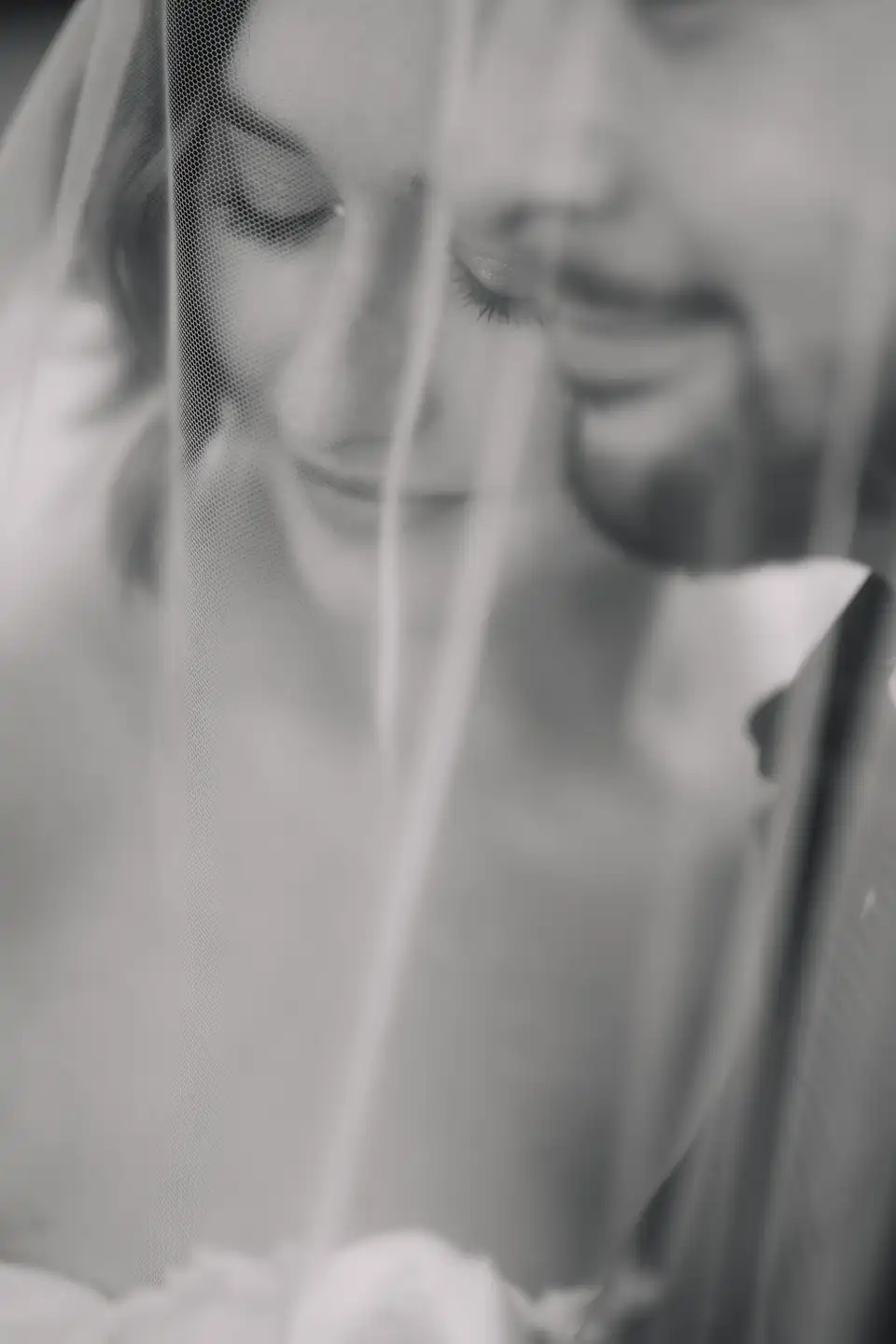
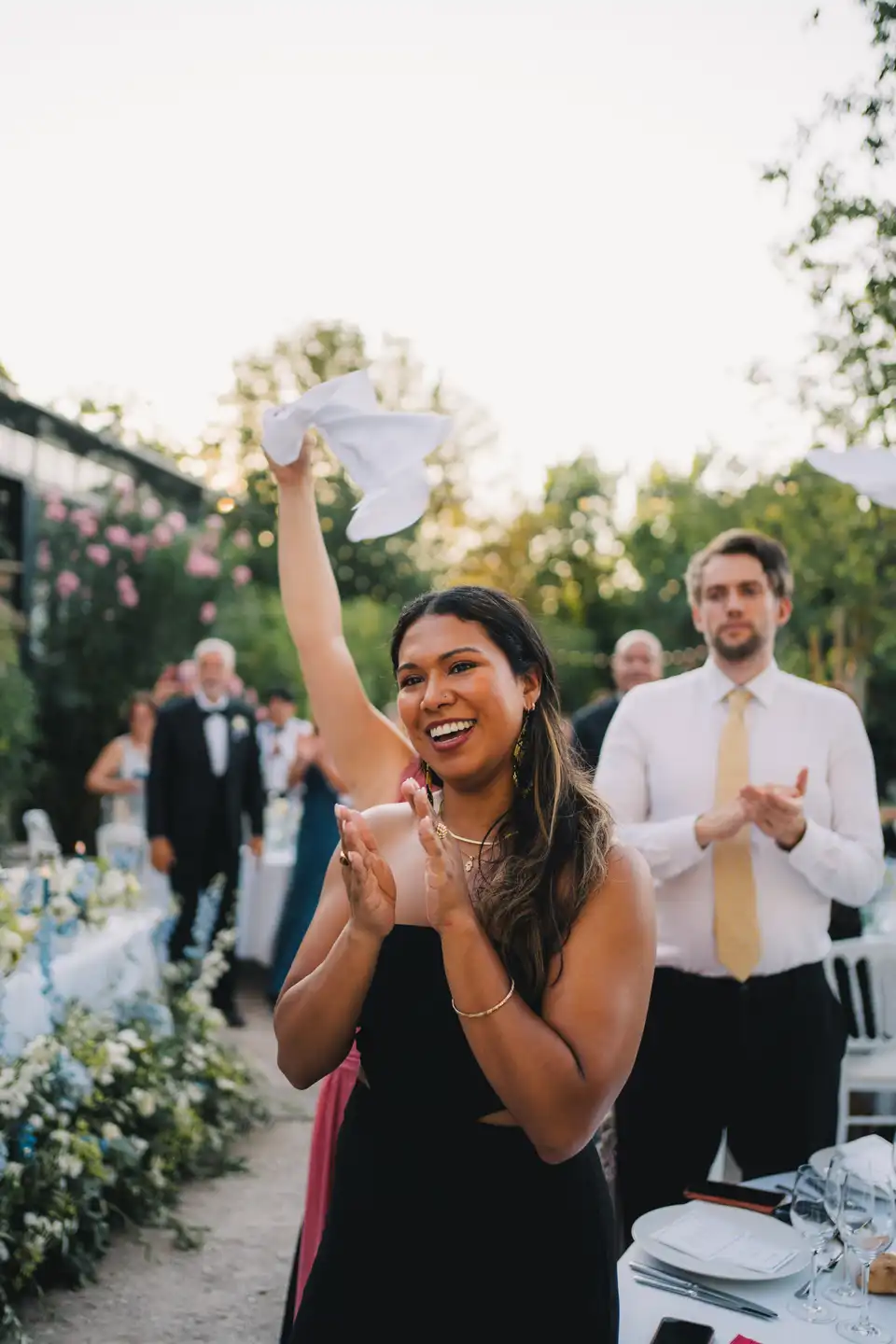
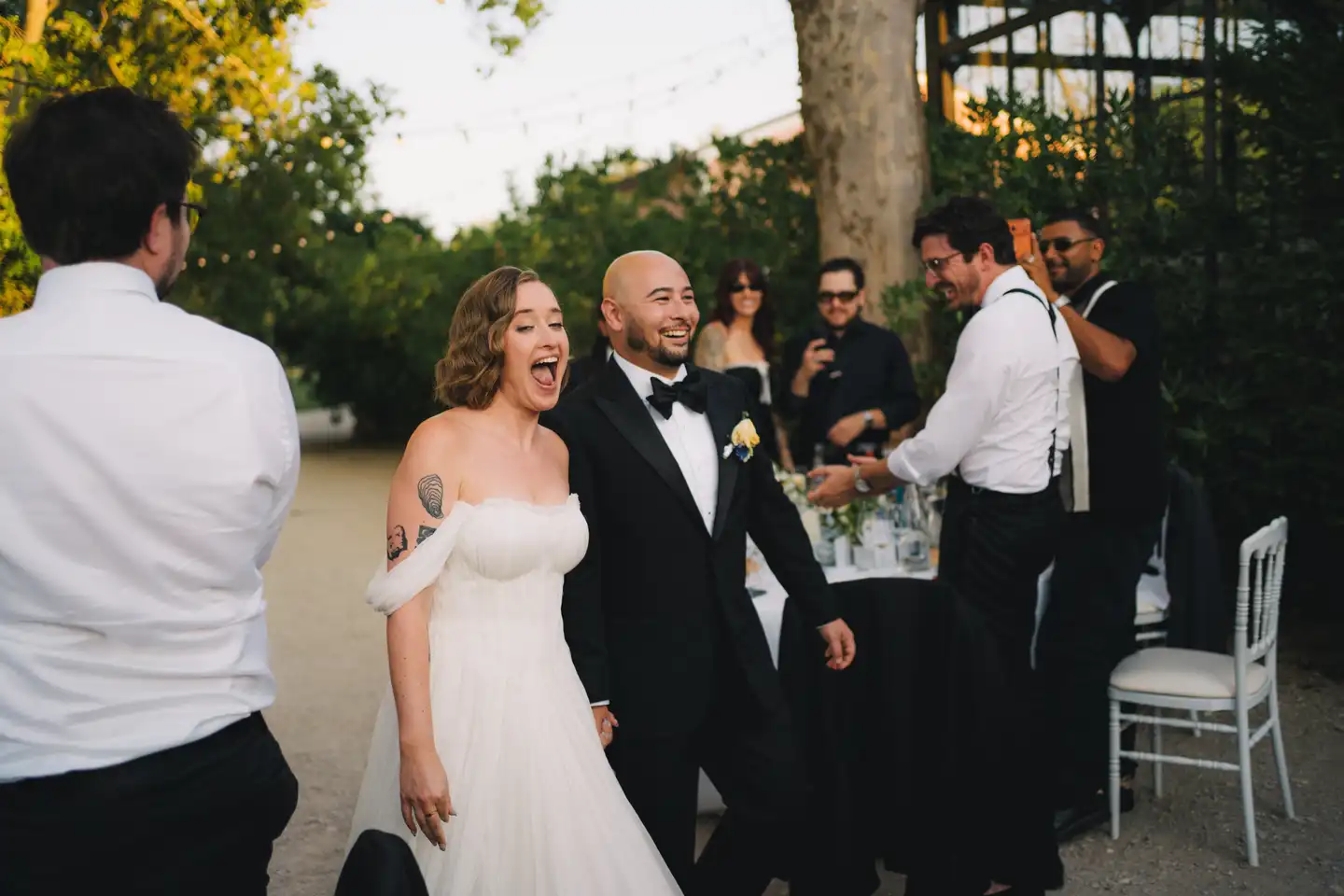
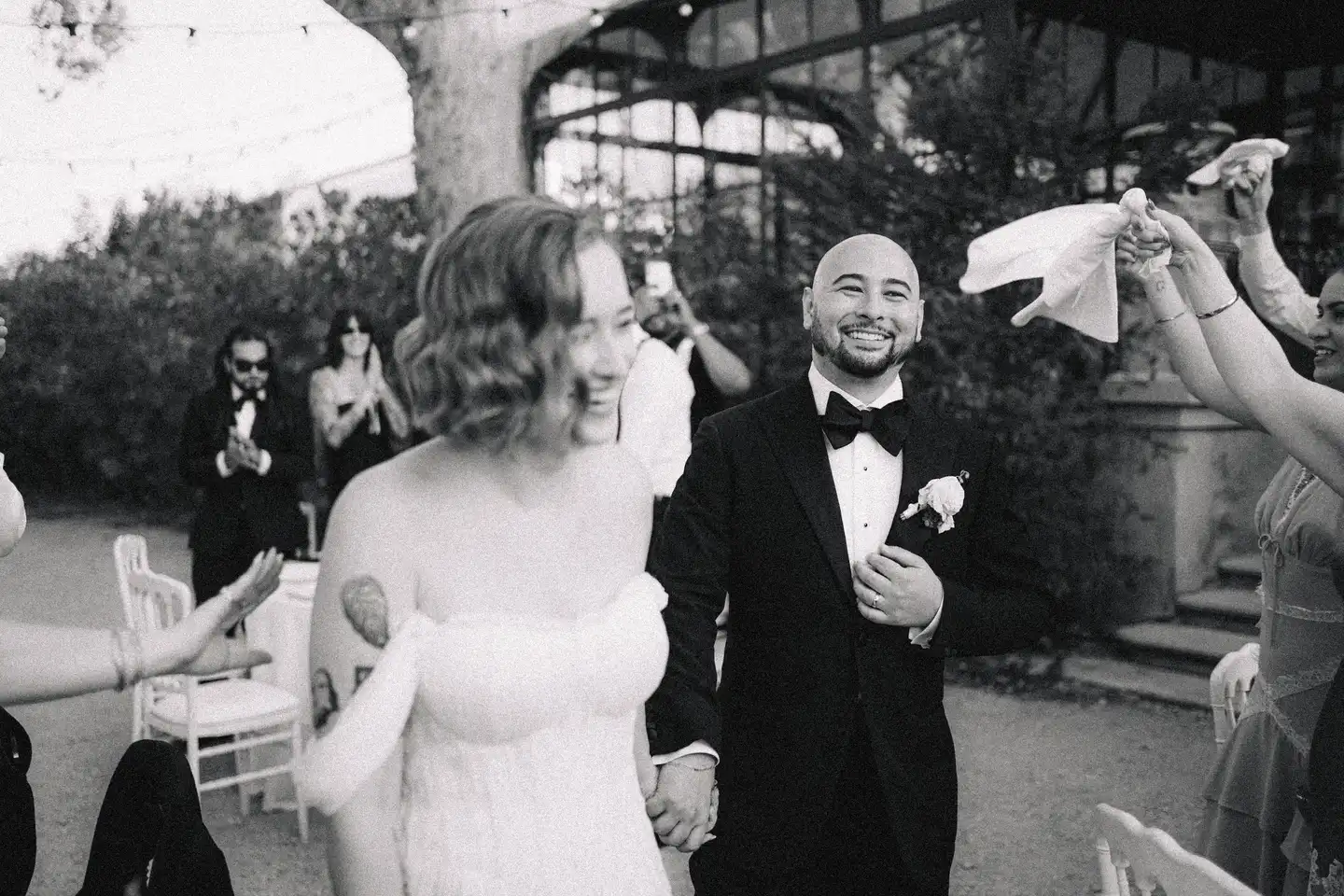
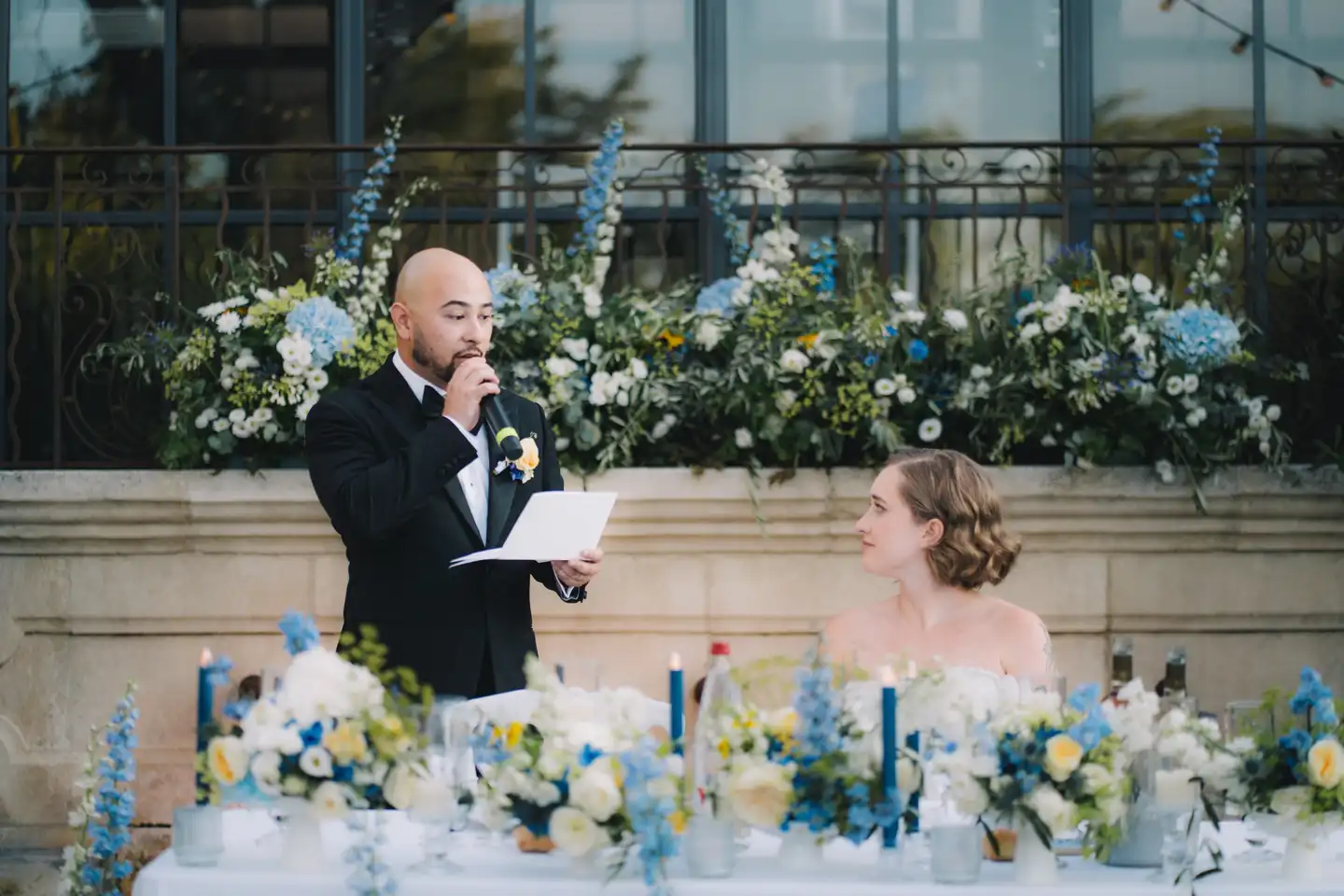
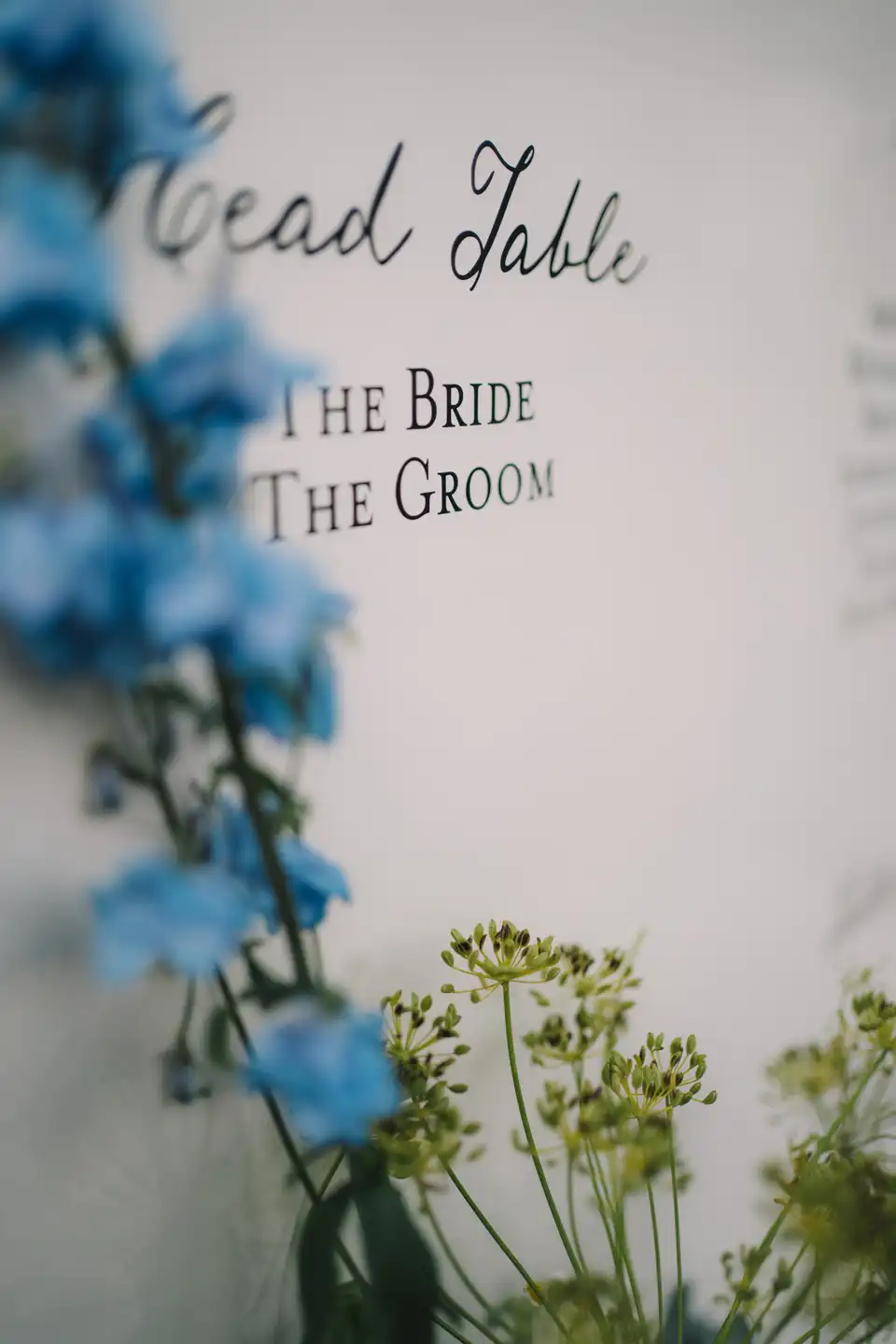
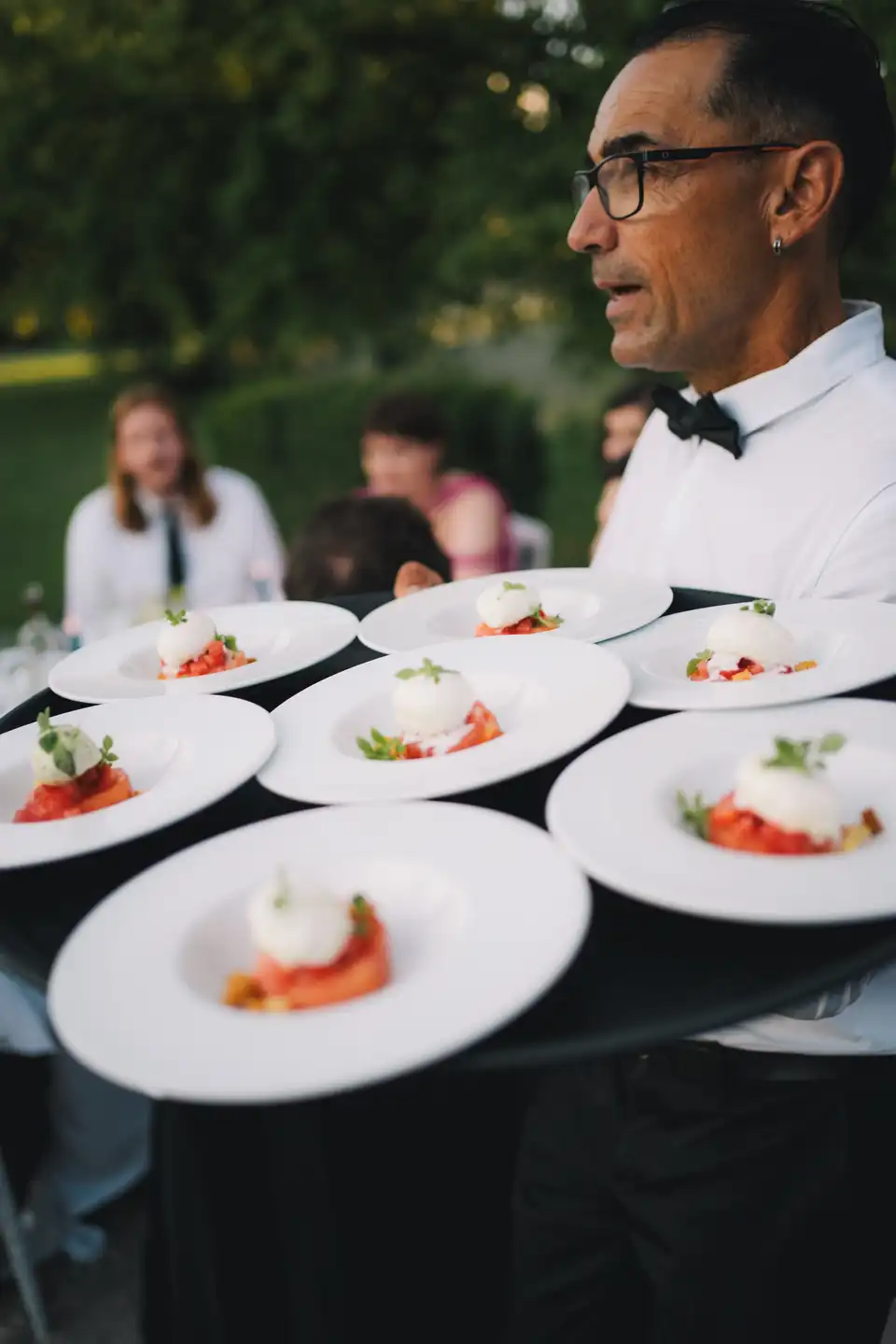
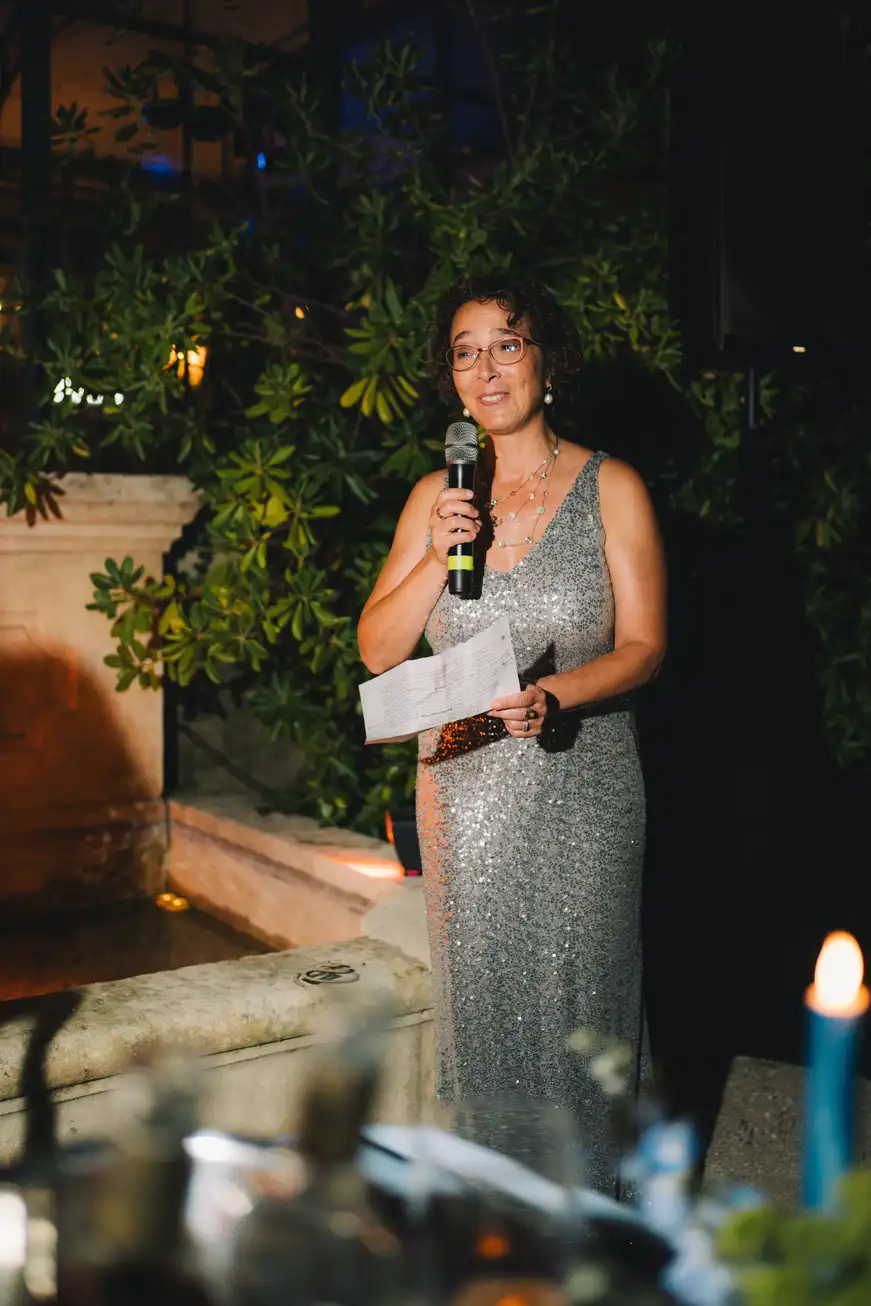
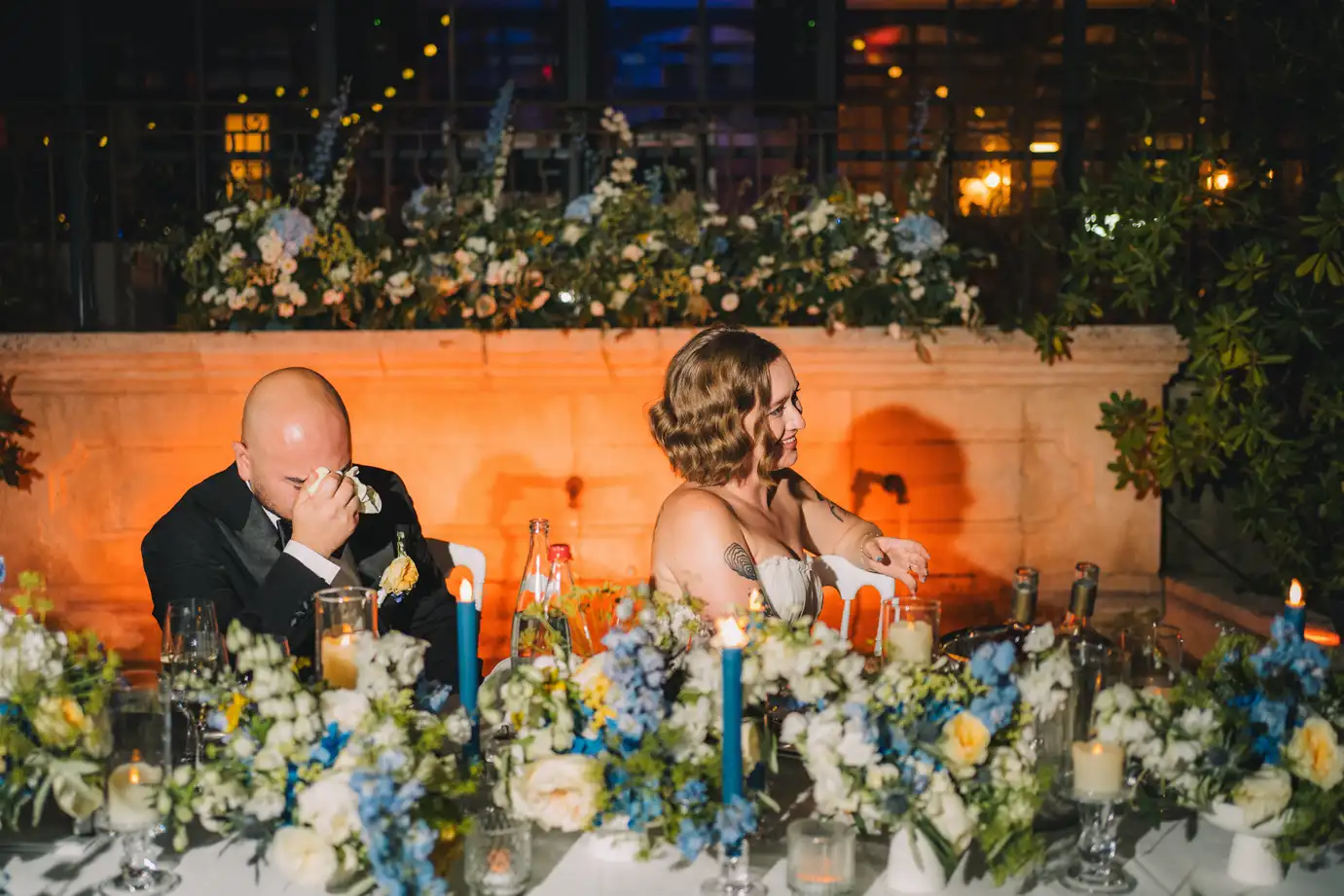
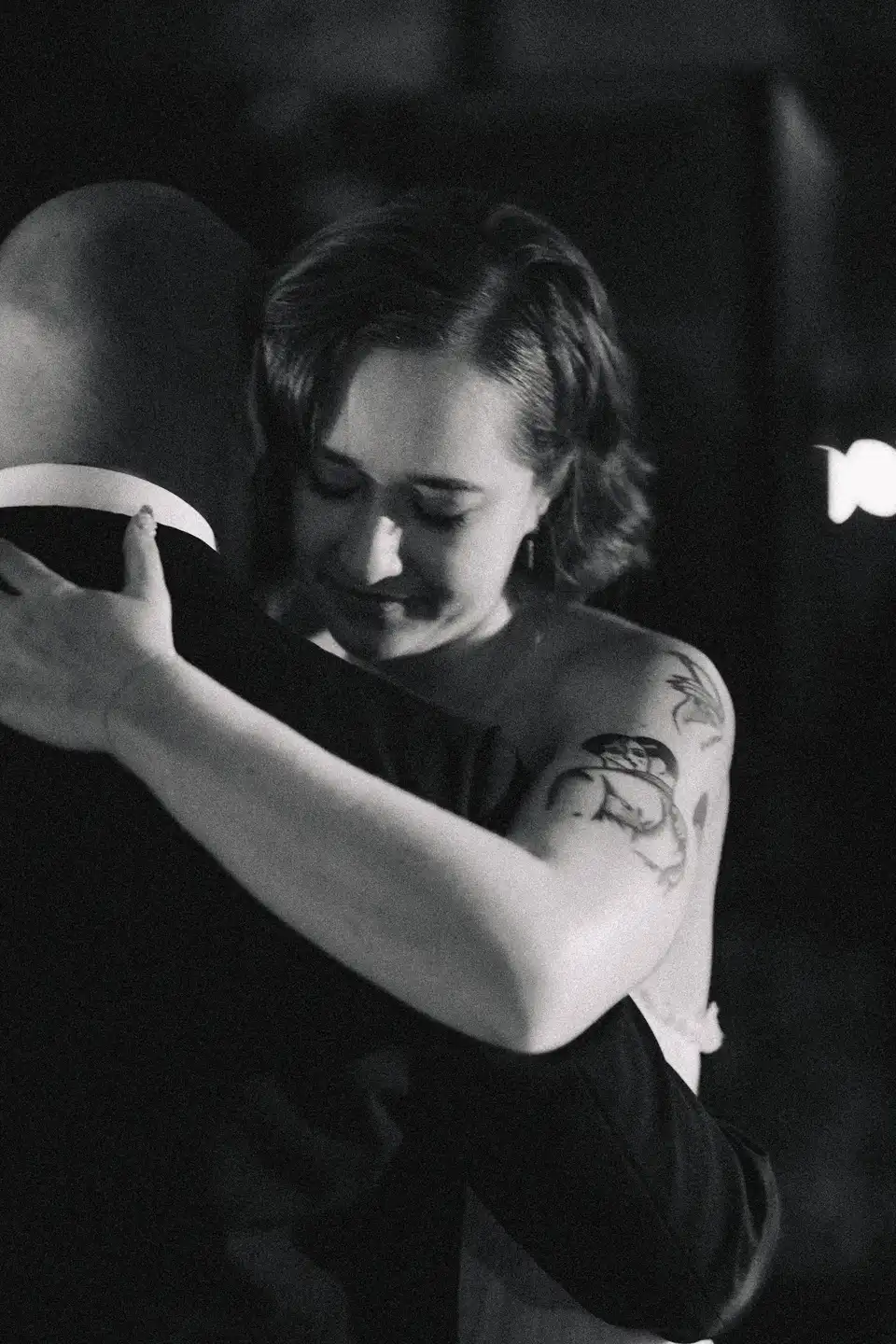
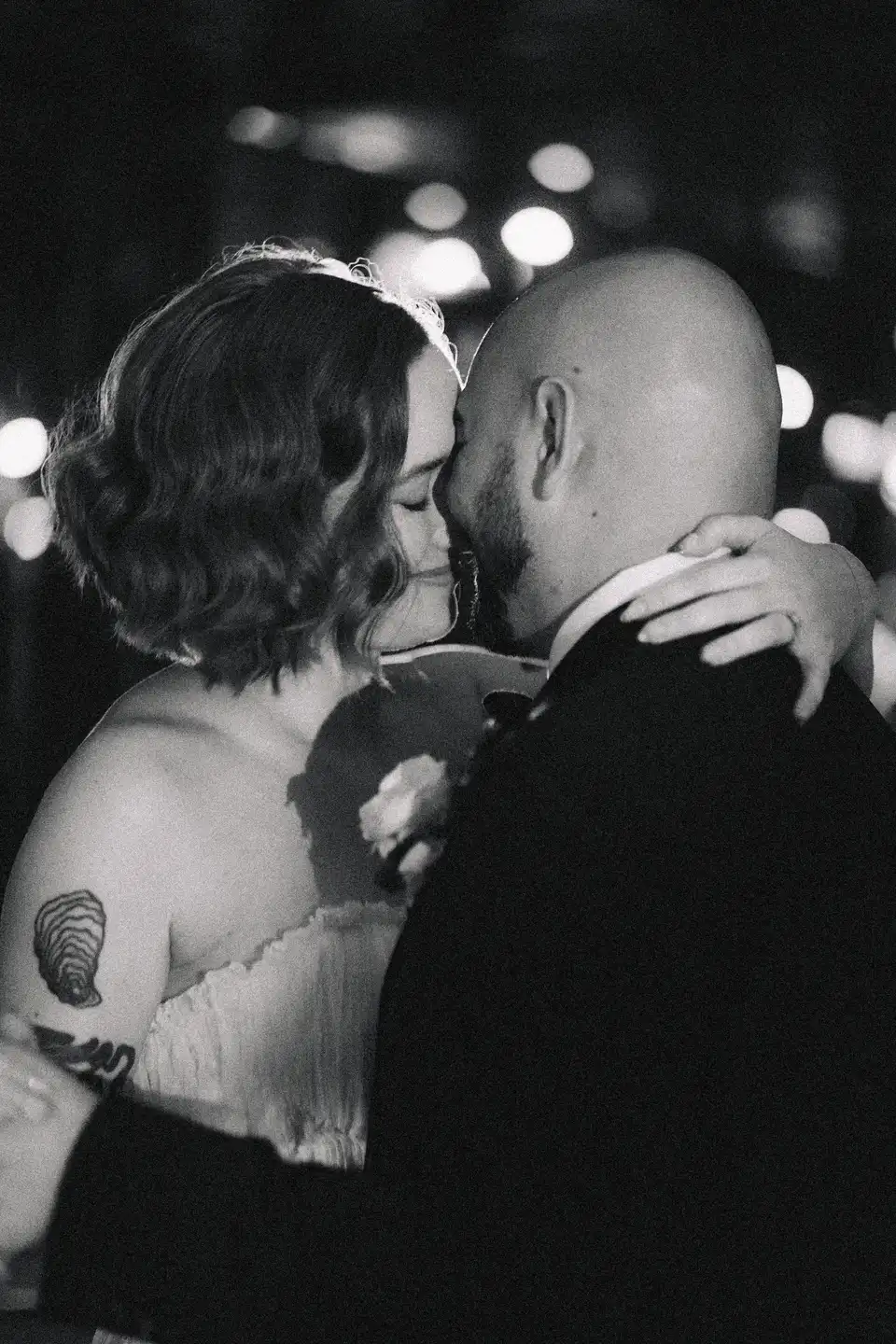
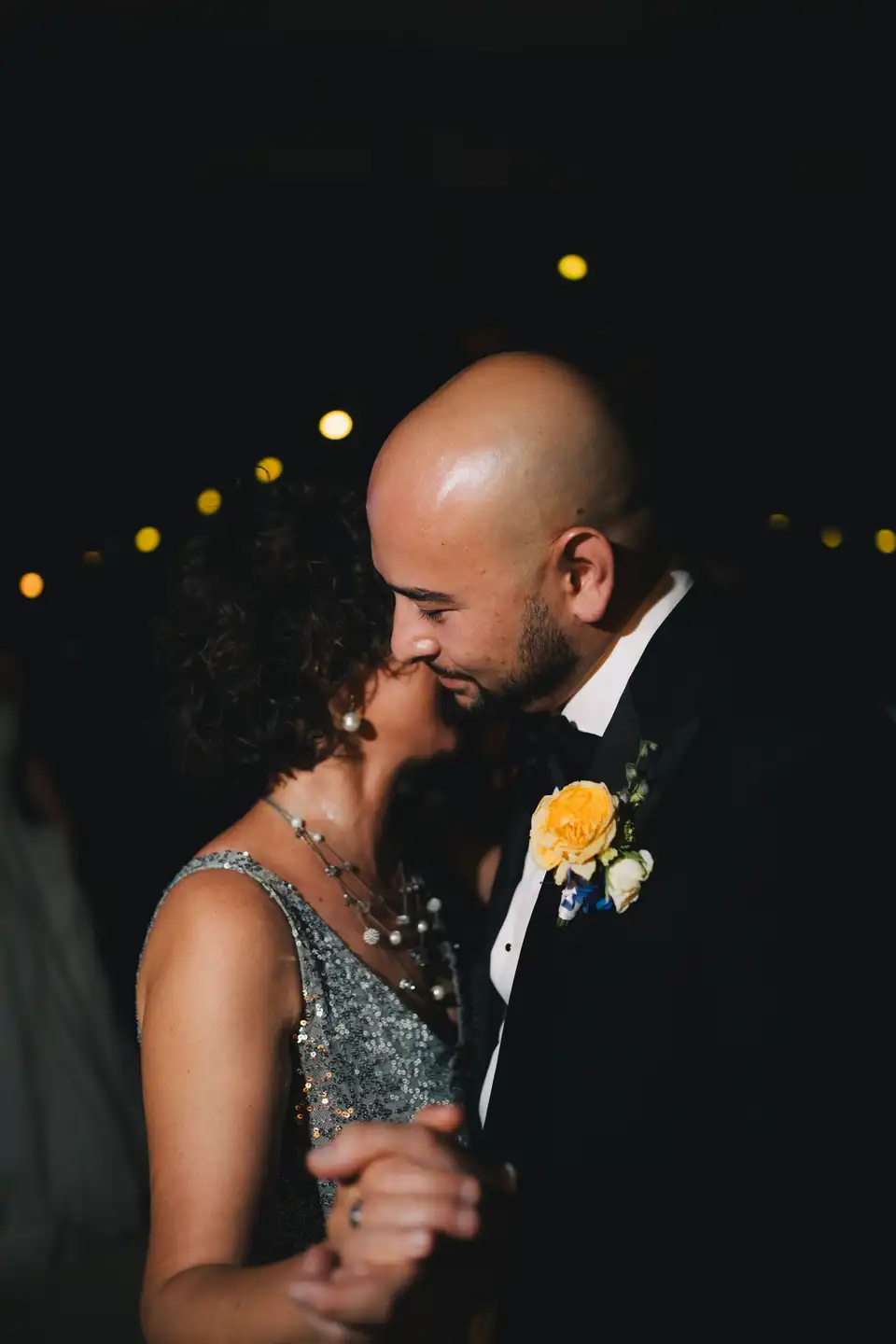
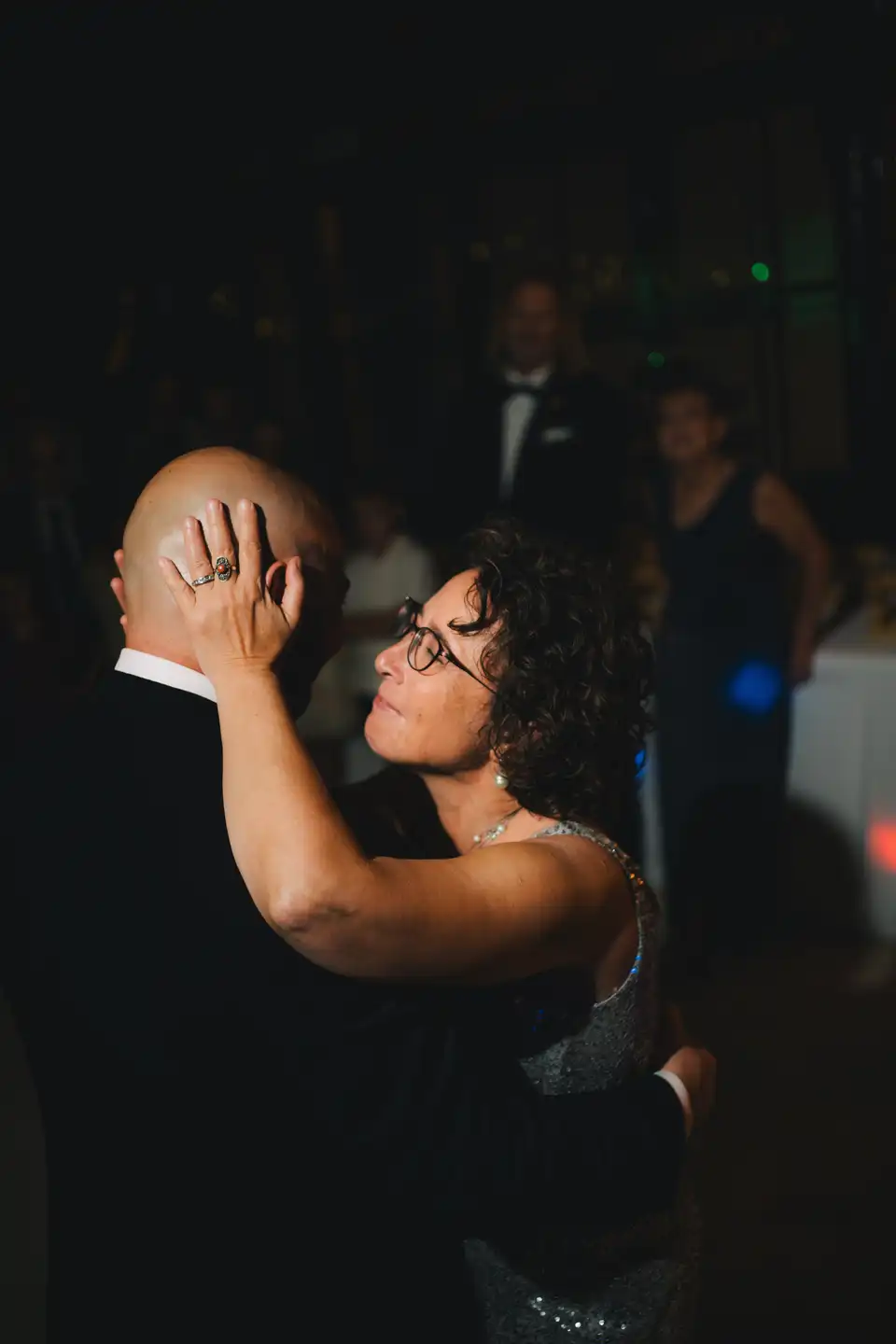
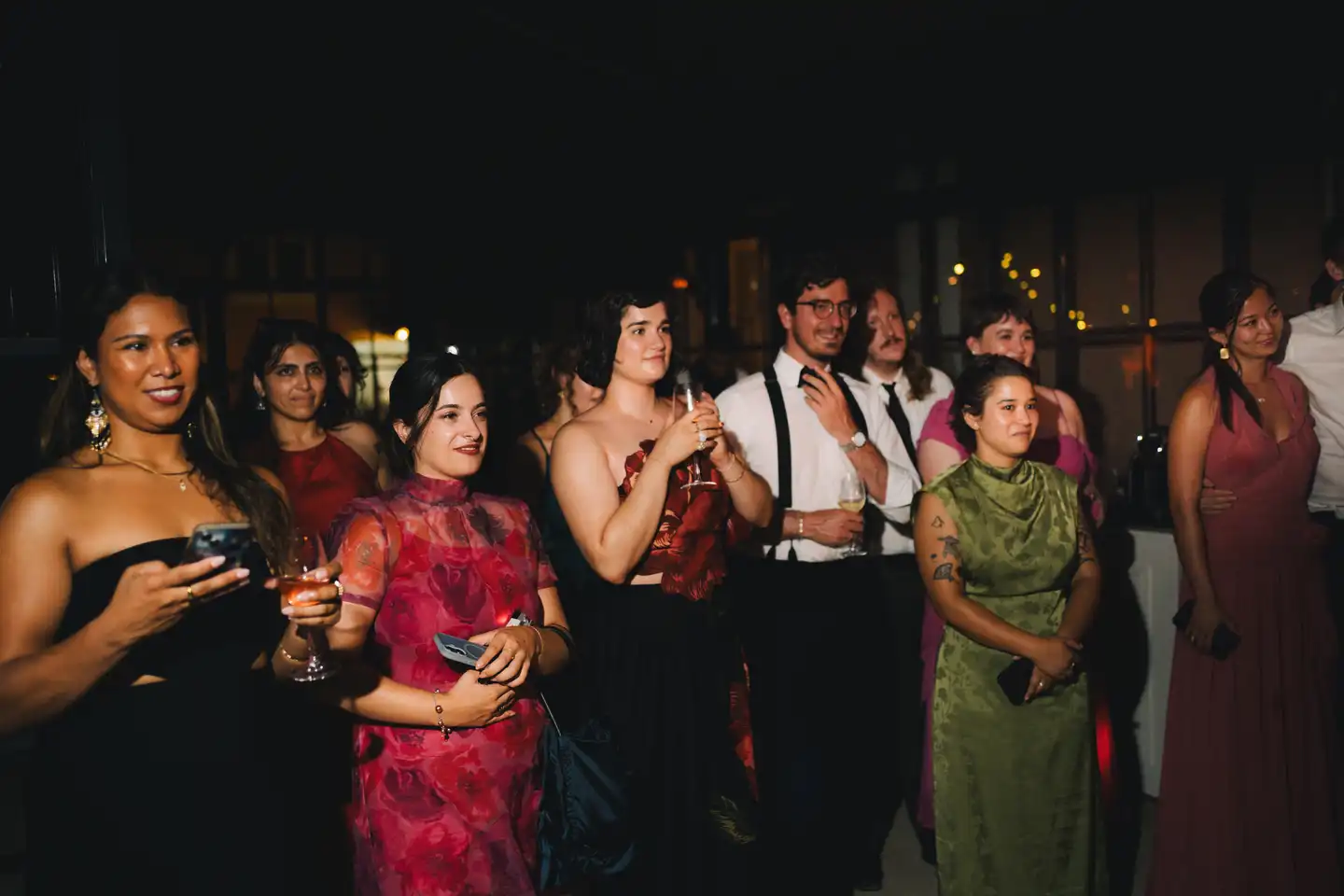
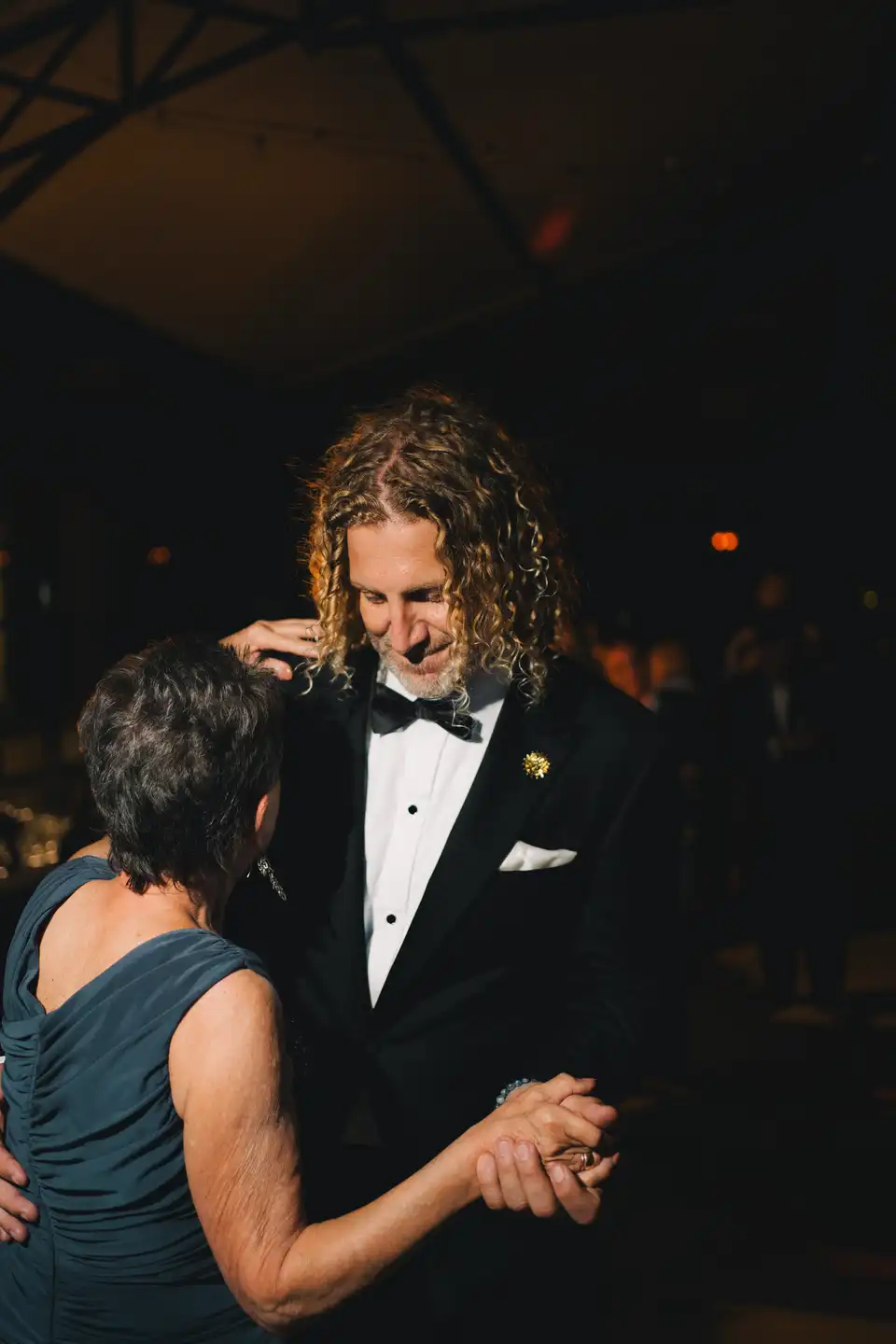
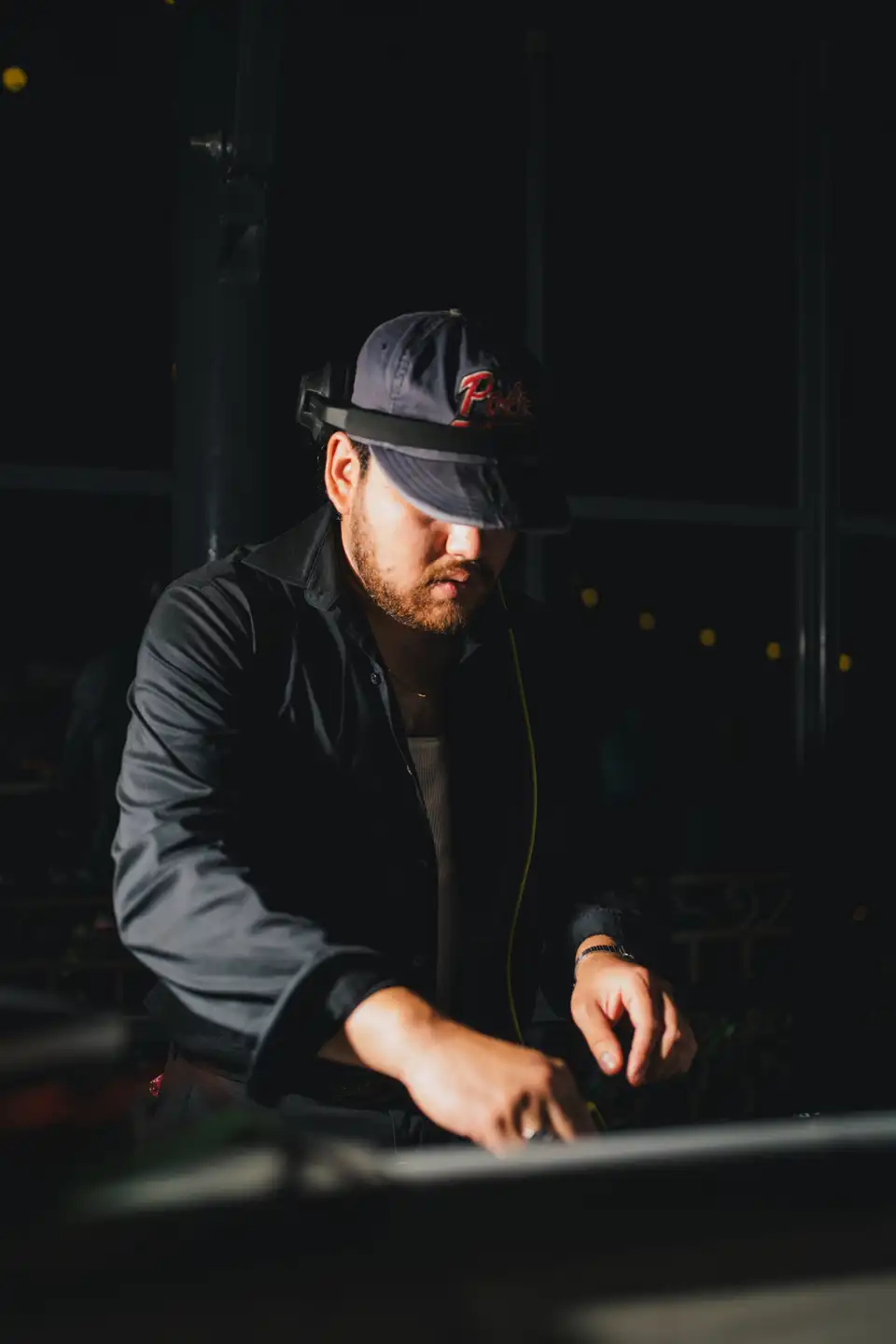
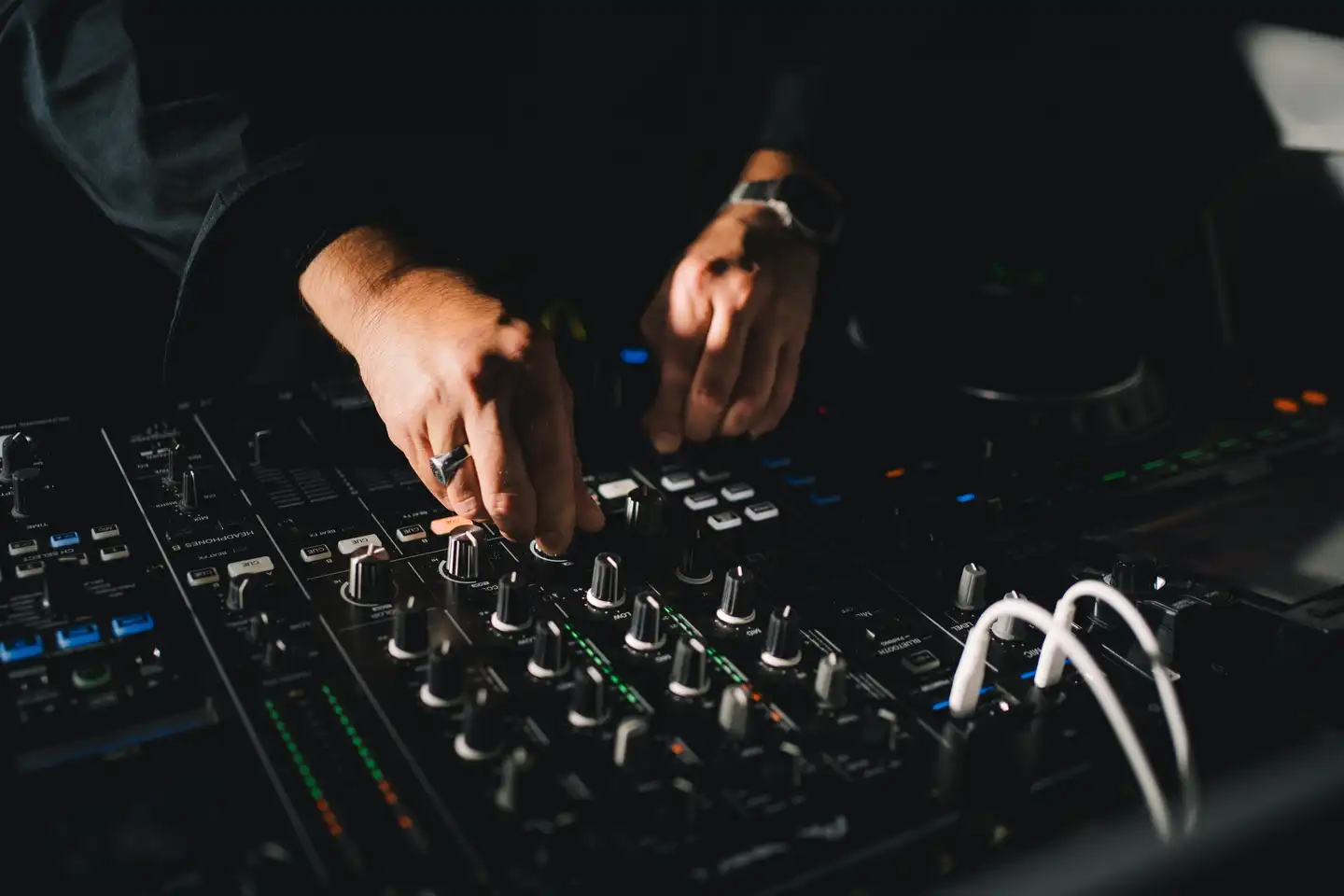
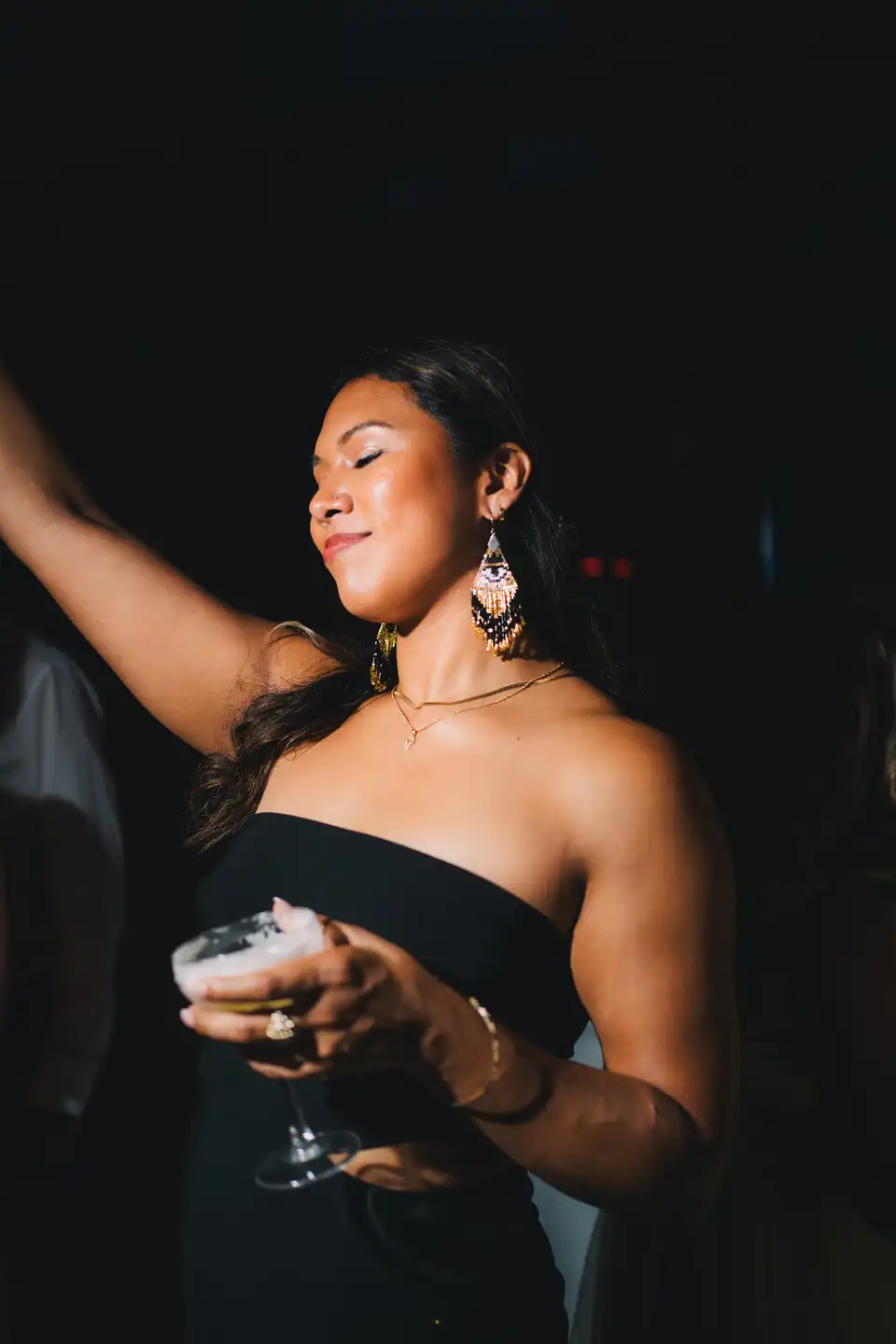
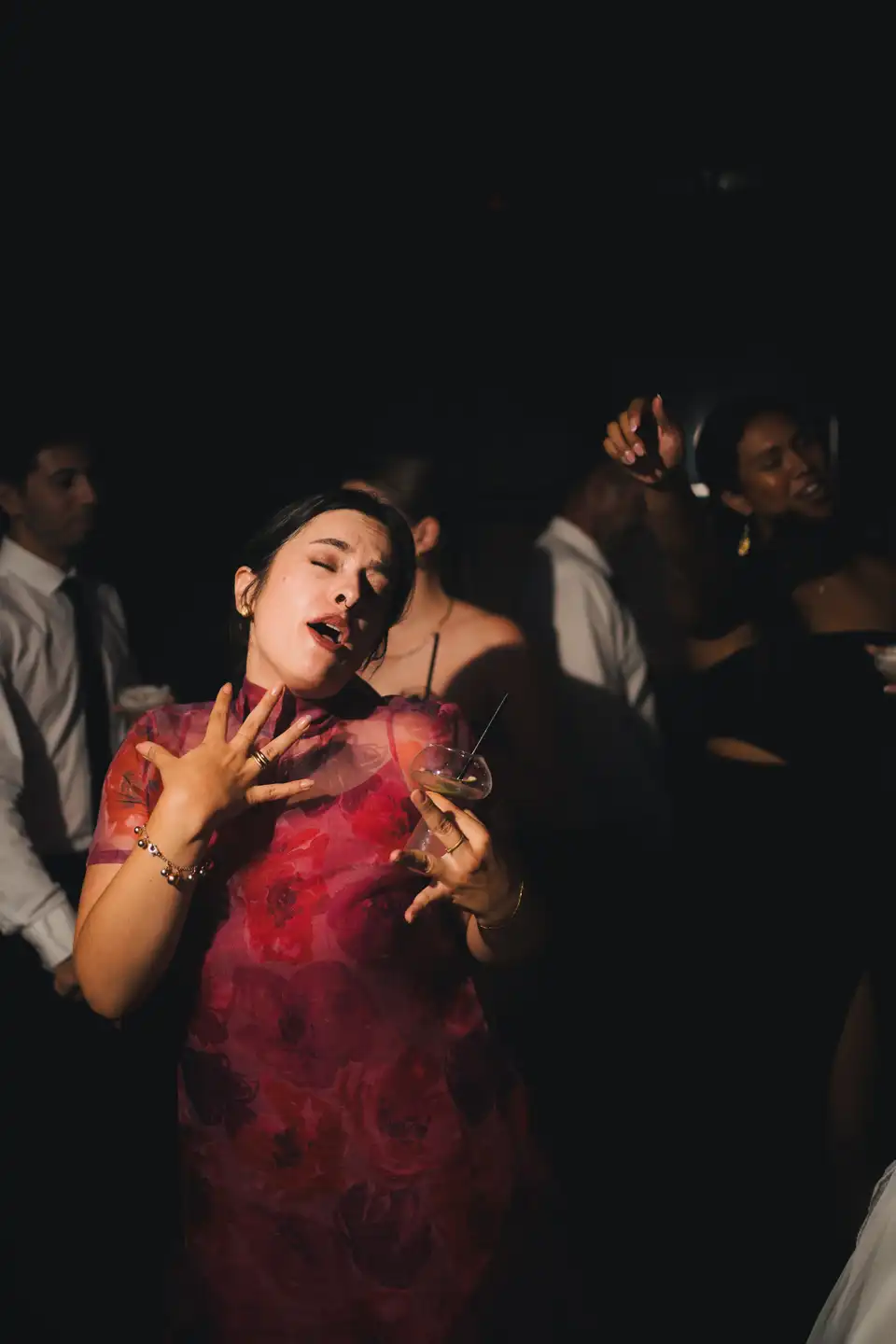
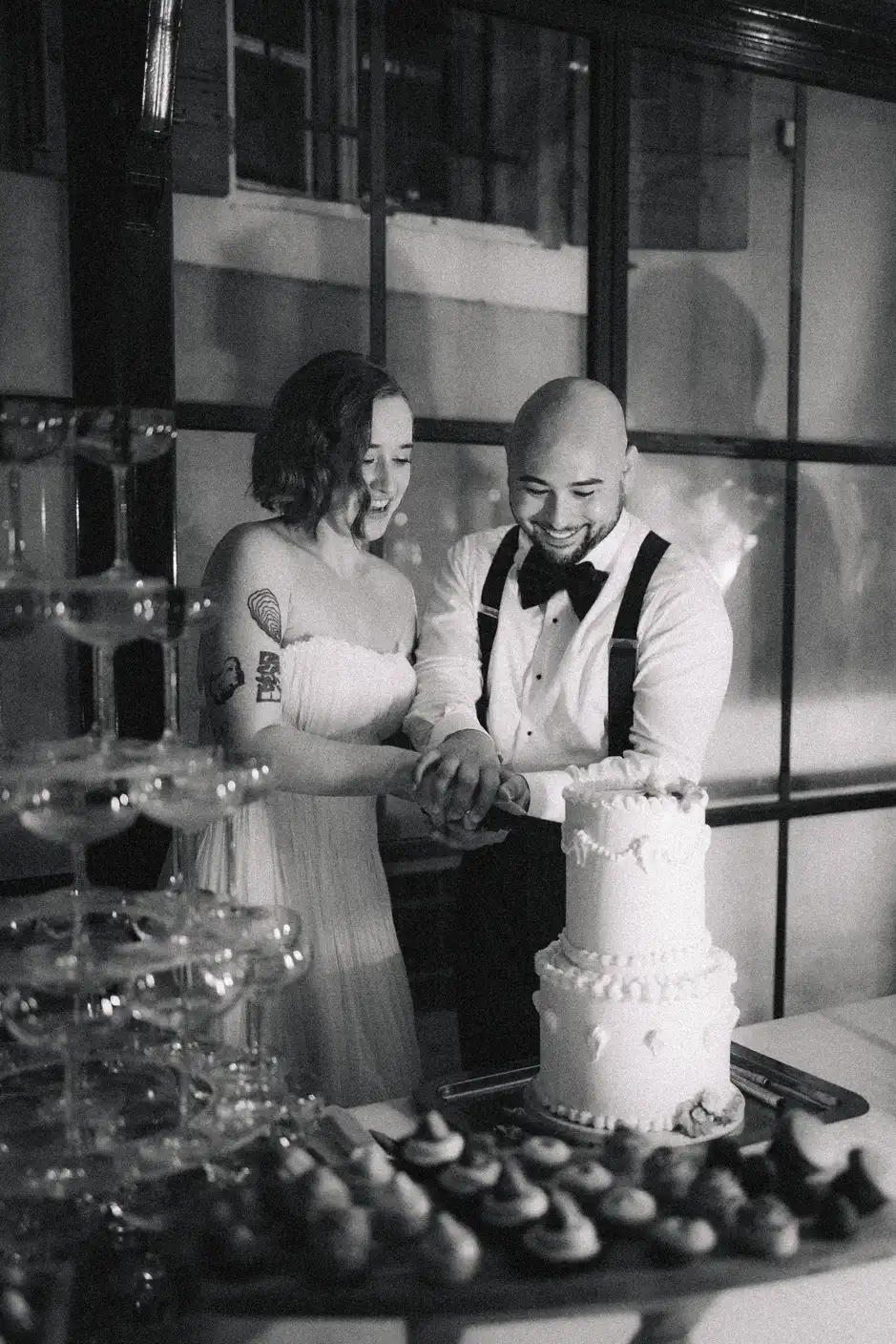
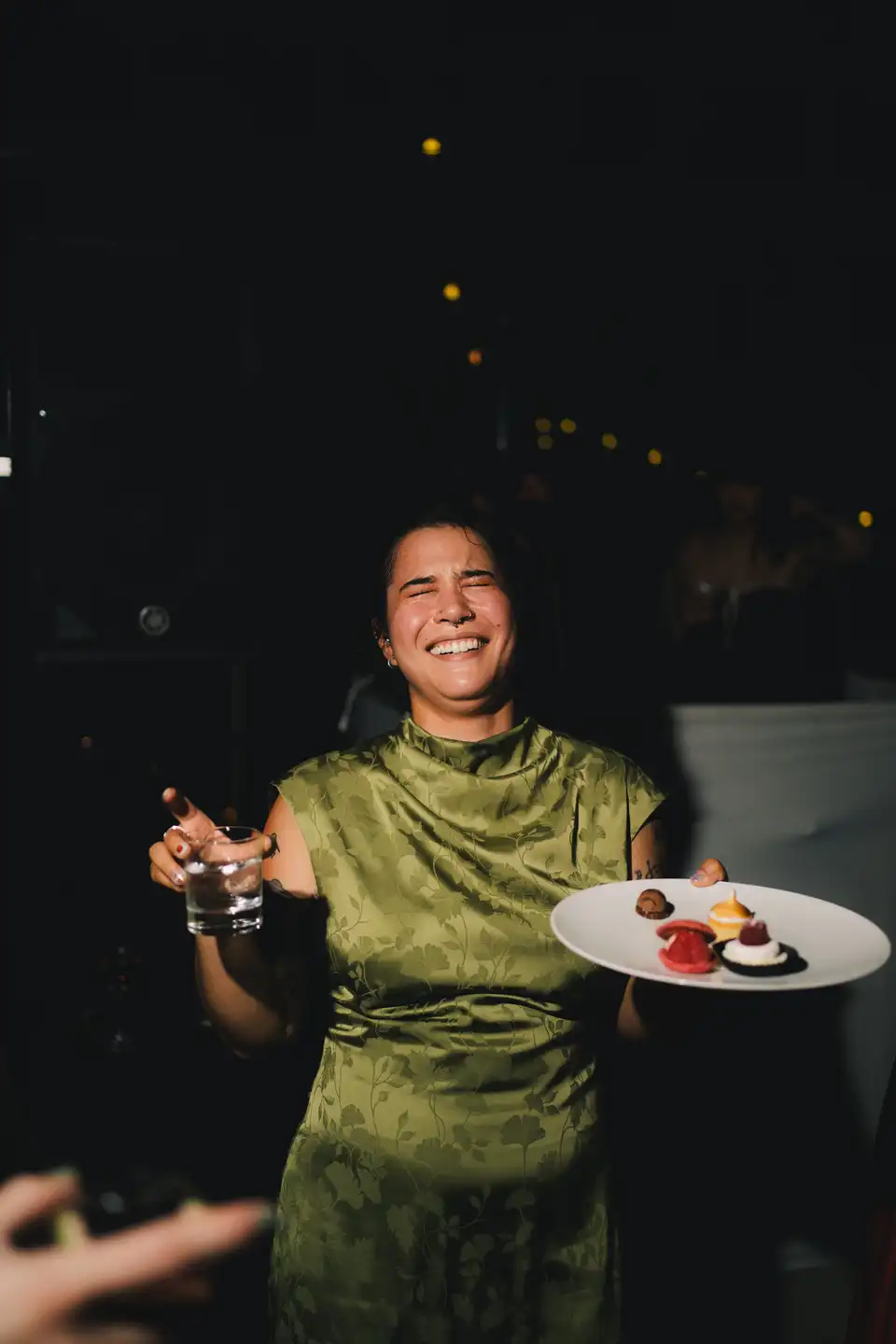
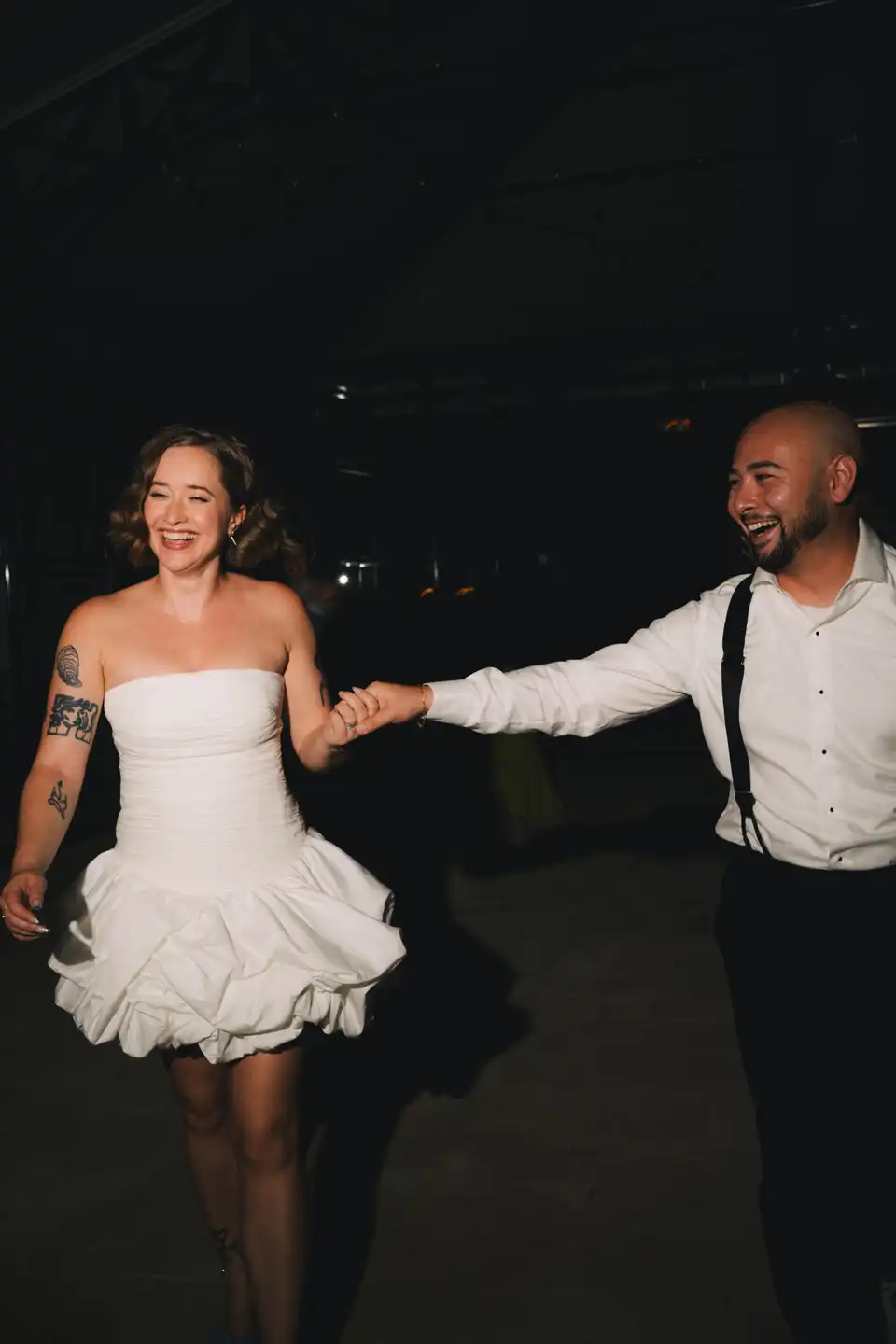
One of the main photographic qualities of Château de la Garde is the variety of settings gathered within one estate. Getting ready can take place in the bedrooms or suite, time with family and friends unfolds in the park, portraits can be made near the bastide, and the reception moves between the terrace, trees and orangery. A documentary approach follows these changes without interrupting the day. The couple remains with their guests, while the photographs retain different atmospheres, perspectives and light, from the quiet of the morning to the energy of the evening.
Planning the photographs before the wedding day
The preparation begins well before arriving at the château. I review the timeline with the couple and wedding planner, then consider the ceremony time, the length of cocktail hour, the getting-ready locations and the time allowed for portraits. Family group photographs are organised from a short list, with one person appointed to help gather relatives. This preparation prevents the wedding from turning into a photo shoot. On the day, I step in only when it adds something: moving a portrait into better light, simplifying a background or guiding the couple without imposing a series of fixed poses.
A natural reportage with gentle direction
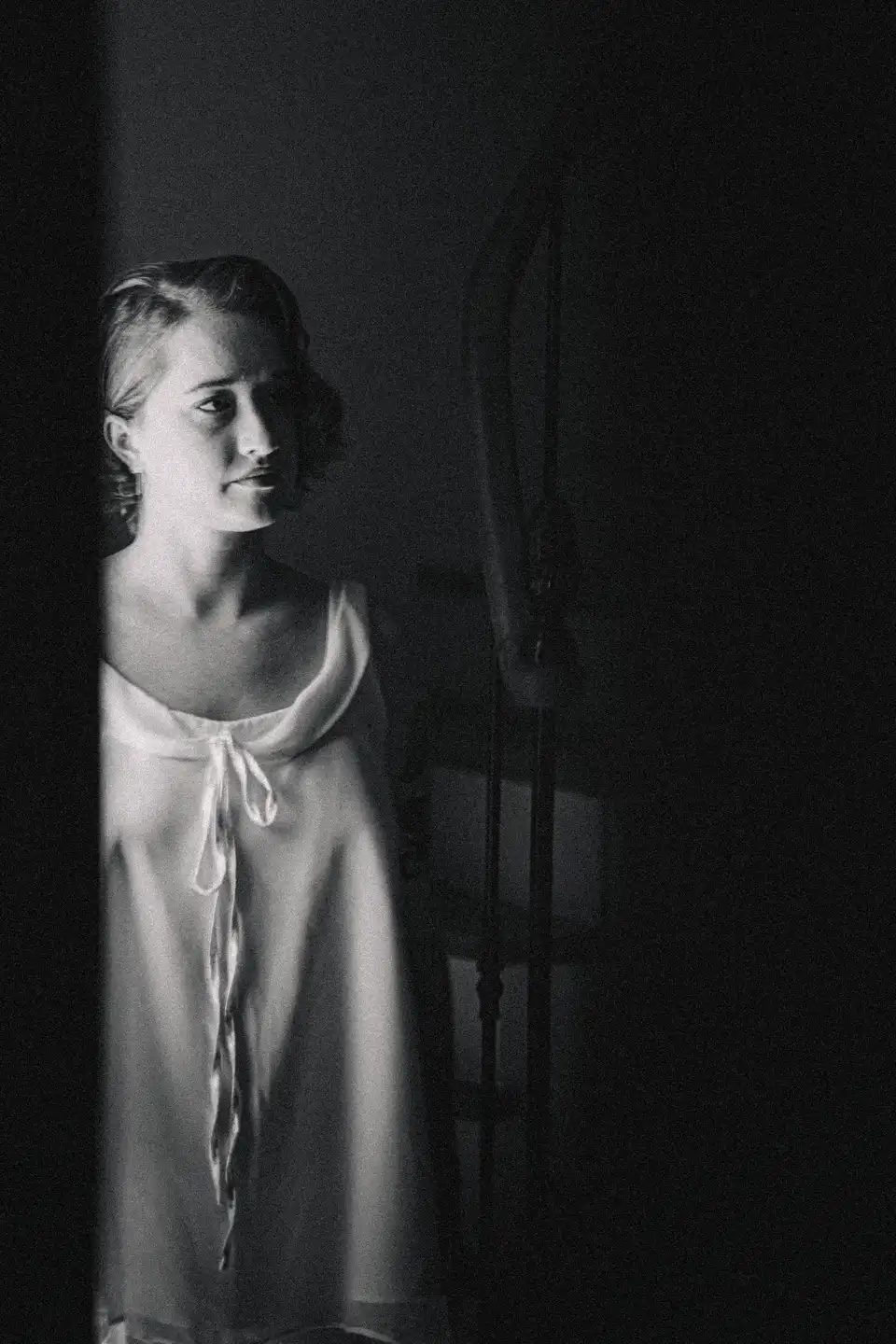
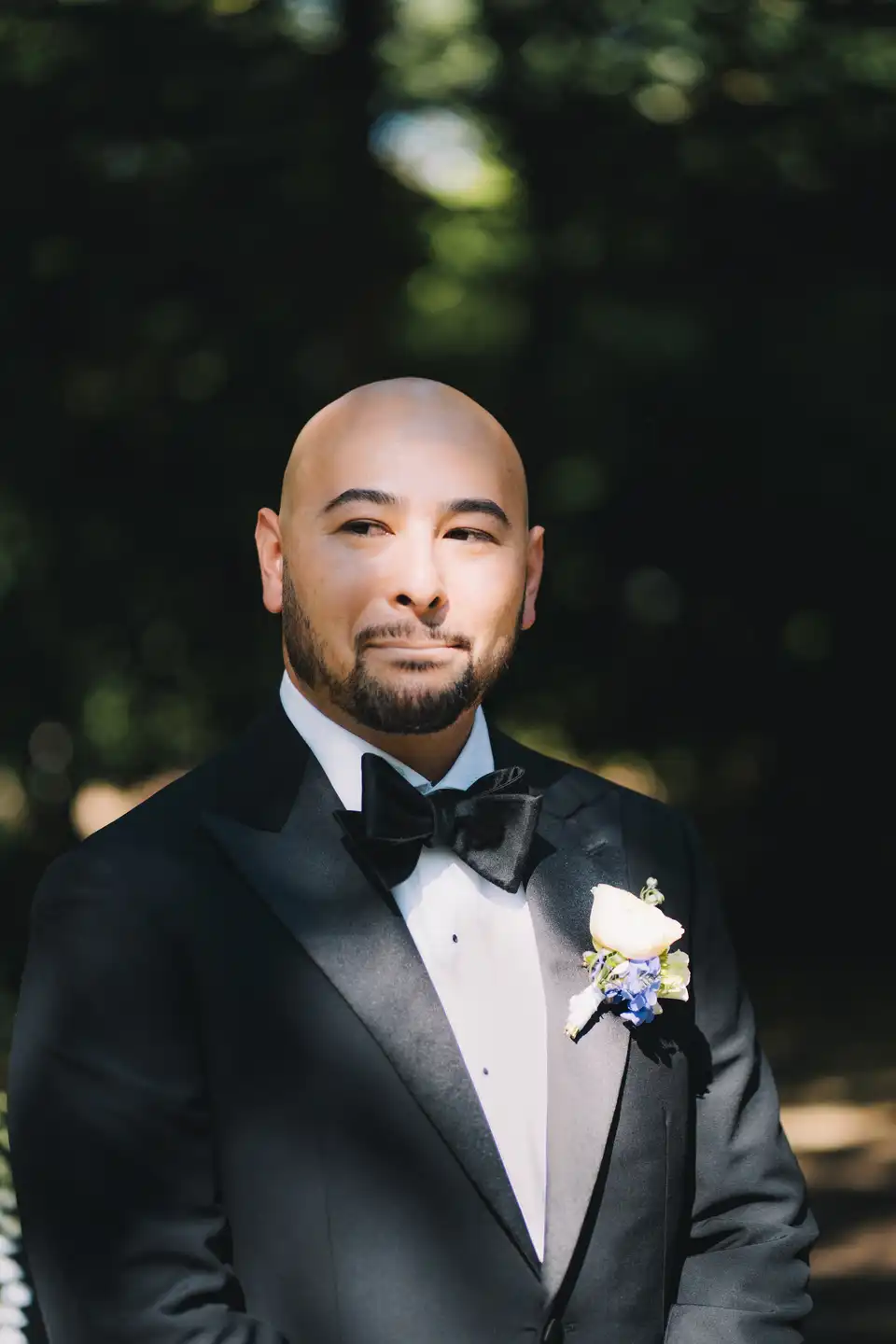
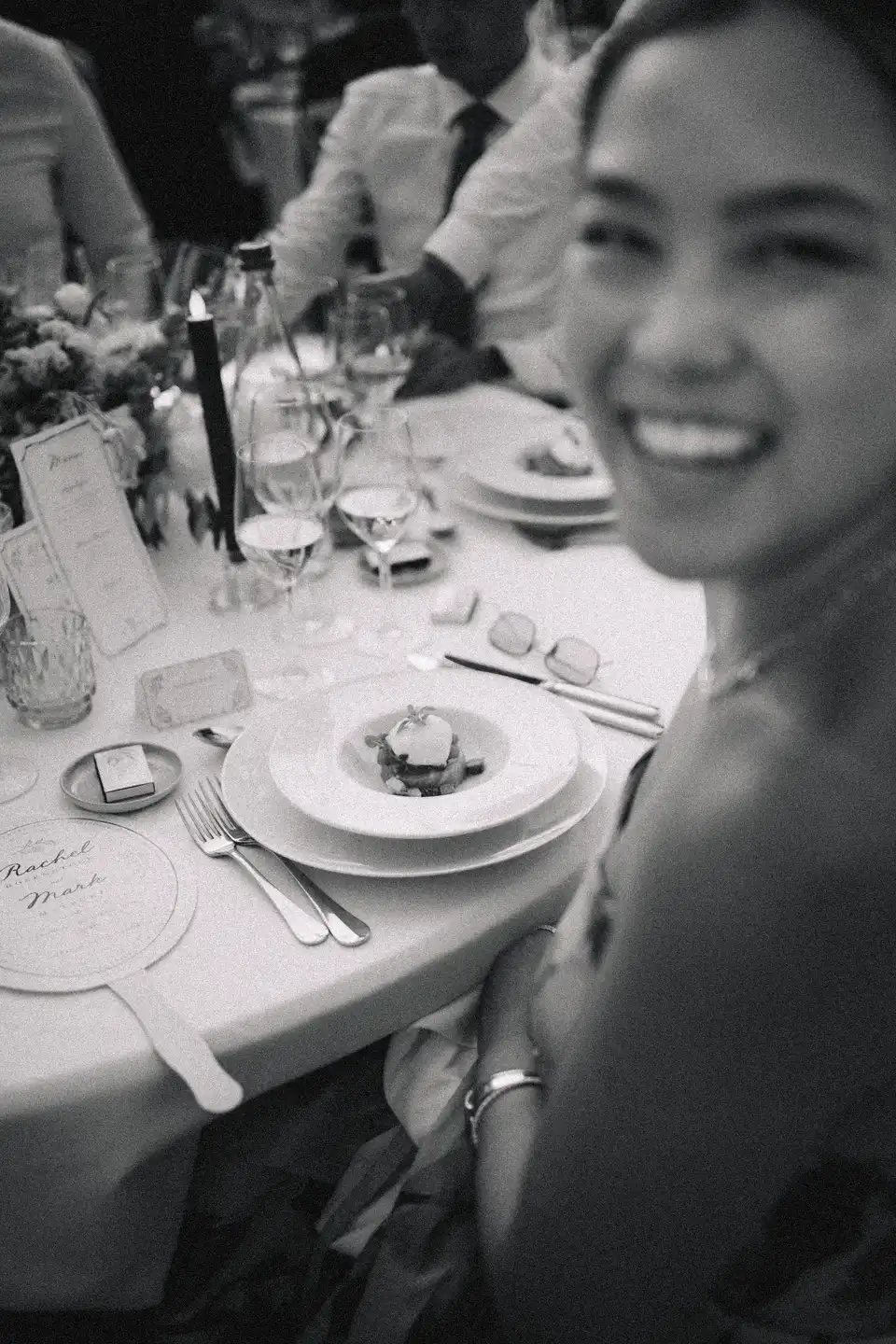
A documentary style does not mean leaving the couple to work everything out in front of the camera. During the ceremony, cocktail hour and evening, I focus on real interactions, fleeting gestures, glances and reactions that will not happen twice. For portraits, I give simple guidance so the couple knows where to walk, where to look or how to stand in the light. The result remains lively, minimally posed and slightly cinematic in its framing and rhythm. This approach works particularly well for people who do not feel photogenic or worry that they will have to perform for the camera.
What to decide before finalising the timeline
In Provence, an outdoor ceremony often benefits from being scheduled in the late afternoon rather than when the sun is at its highest. The ideal time still depends on the date, the orientation chosen within the park and the weather. A backup plan for rain, wind or extreme heat should also be confirmed with the château, along with the indoor layout that will actually be available. I recommend allowing at least ninety minutes for cocktail hour, keeping the family group list focused and setting aside twenty to thirty minutes for portraits, which can be divided into two short sessions.
A local photographer for weddings in Provence
Based in the South of France, I photograph weddings at estates around Aix-en-Provence, the Luberon, the Alpilles and the French Riviera. This proximity makes it easier to work with local teams and to plan practically around light, heat, wind and travel times. I work with French and international couples in both English and French, with the same priority: creating a coherent photographic story without making the day feel heavier or taking the couple away from their guests unnecessarily.
Frequently asked questions
Château de la Garde is located in Le Puy-Sainte-Réparade, in the Bouches-du-Rhône, around fifteen minutes from Aix-en-Provence and at the edge of the Luberon. This location is convenient for a destination wedding, but journey times from the TGV station, airport or off-site accommodation should be checked according to the transport arrangements chosen.
Yes, the estate is well suited to a weekend including a welcome dinner, the wedding day and brunch. The château’s bedrooms, the couple’s suite and the lodges allow some guests to stay on site. Arrival and departure times, as well as access to the different spaces, should nevertheless be confirmed in the agreement with Château de la Garde.
The official website states that the orangery can accommodate up to 200 guests for dinner. The practical capacity depends on the table plan, dance floor, furniture and technical areas. To confirm a layout suited to your reception, ask Château de la Garde for a detailed floor plan based on your guest count and proposed design.
Yes, some guests can stay at the estate. Château de la Garde has bedrooms within the bastide, including a suite for the couple, as well as ten lodges advertised as providing up to forty additional beds. The exact room allocation, facilities and availability of the lodges should be confirmed directly with the château.
A symbolic ceremony can be held in the park, while cocktail hour can take place on the terrace, around the fountain and facing the bastide. The final choice should consider the season, wind, available shade, guest count and furniture. A technical visit helps determine the smoothest route between each part of the celebration.
Yes, the official website presents two possibilities: dinner inside the orangery, which opens onto the park, or an outdoor dinner in front of it beneath the plane trees. An outdoor reception remains dependent on the weather, sound restrictions, catering service and backup plan. These points should be confirmed with the château and wedding planner.
The backup plan should be defined before the wedding with Château de la Garde, the wedding planner and the caterer. The orangery and indoor spaces provide alternatives, but their capacity depends on the setup planned for dinner, the ceremony and cocktail hour. The mistral and extreme heat should also be considered, not only rain.
For photography, a late-afternoon ceremony generally provides softer light and greater comfort than a time in direct midday sun. The ideal hour varies according to the date, the chosen position within the park and the length of cocktail hour. The photographer should study the orientation and coordinate the recommendation with the château and wedding planner.
Spring, early summer and September often provide temperatures that are easier to manage than the height of summer. July and August remain possible, but require more shade, water and a less exposed ceremony location. The weather can never be guaranteed, so a practical plan is needed for rain, wind and extreme heat.
Twenty to thirty minutes is generally enough for a relaxed portrait session at Château de la Garde because several settings are accessible without using a car. To keep the couple with their guests, this time can be divided into two sessions, one after the ceremony and another later in the day. The timeline should retain a little flexibility in case of delays.
Prepare a short list of genuinely important groups, ideally between six and ten combinations. Give the list to someone who knows both families and can gather people while the photographer arranges the next group. With a location chosen in advance and guests informed, the photographs can be completed efficiently without taking over cocktail hour.
You do not need to know how to pose. For most of the day, the photographer works as events unfold and focuses on your interactions with the people around you. During portraits, a few simple directions are enough: walking, moving closer or standing in more flattering light. The aim is to create a comfortable situation, not to make you play a part.
Review a complete wedding gallery, not only a selection of portraits. Look at how the photographer handles the preparations, a ceremony in direct sun, family groups, dinner and the evening. The portfolio should also show spontaneous moments and varied conditions. A video call then helps you understand the photographer’s support and approach to direction.
The photography timeline should be developed with the wedding planner, venue and confirmed timings for the day. It should include the preparations, any first looks, family groups, couple portraits and transitions between spaces without scheduling every minute. At Château de la Garde, the proximity of the spaces reduces travel, but some flexibility remains essential for delays.