

Elopement Wedding Photographer
Intimate wedding photography without borders
A wedding day made for two, or a few
Photographing the whole experience, not a shortened version of a traditional wedding
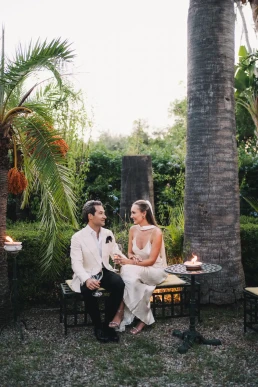
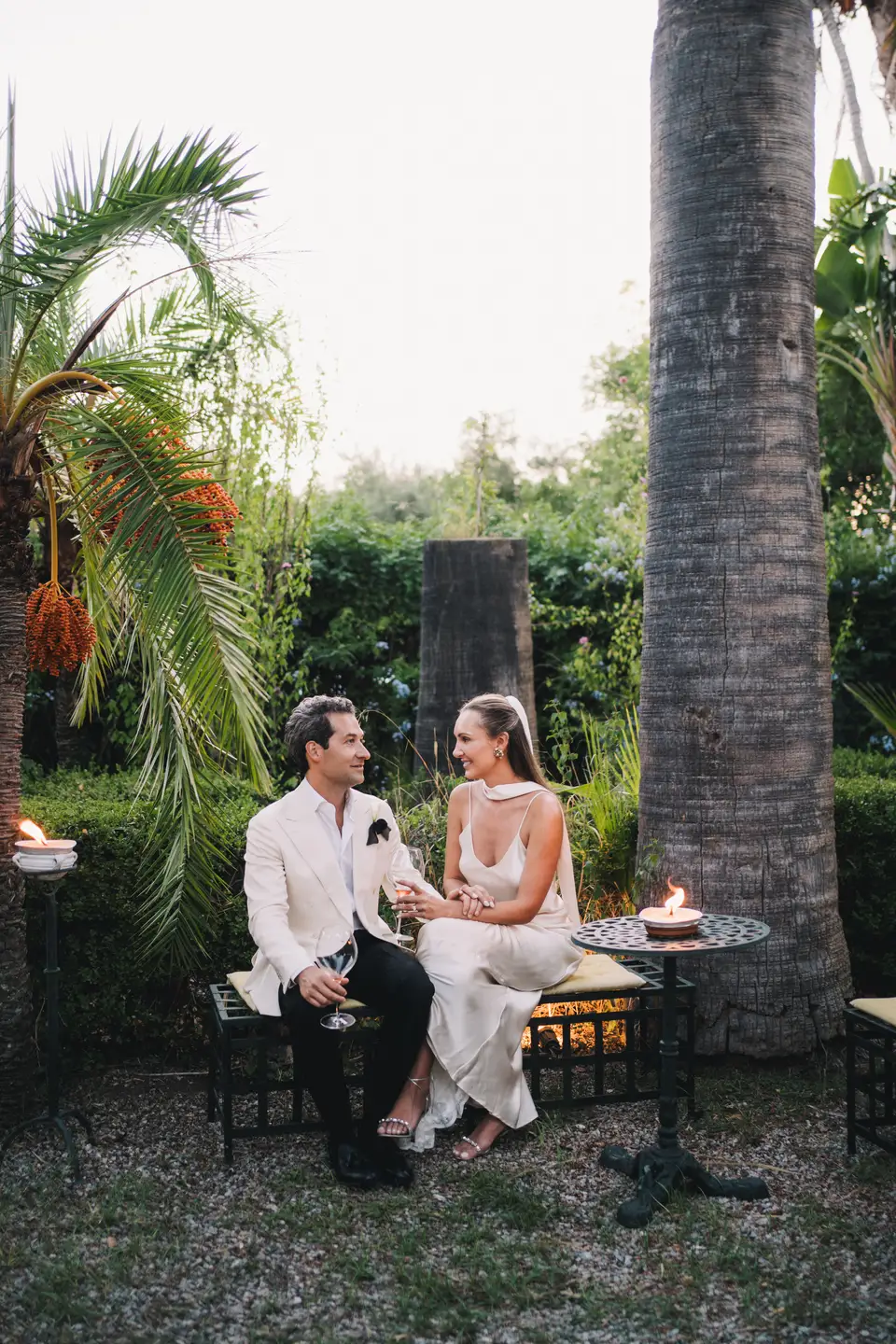
An elopement can be just the two of you, or an intimate wedding shared with parents, children, siblings or a few close friends. It may include getting ready, a civil or symbolic ceremony, private vows, time alone, a long lunch, a walk, a boat trip or dinner at the place where you are staying. There is no fixed format and no need to recreate traditions that do not matter to you.
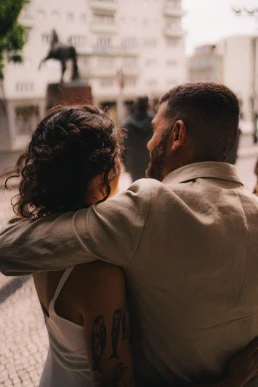
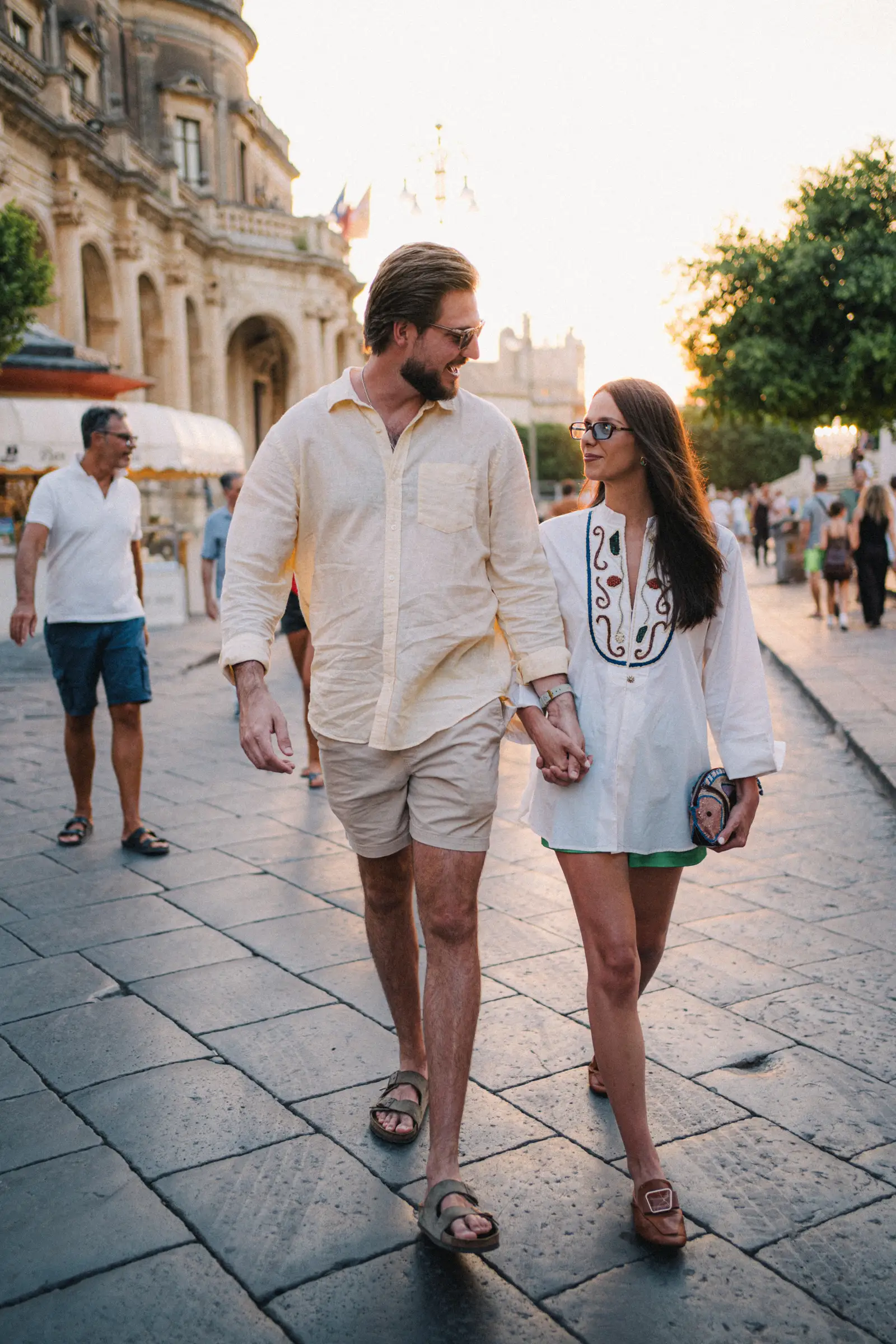
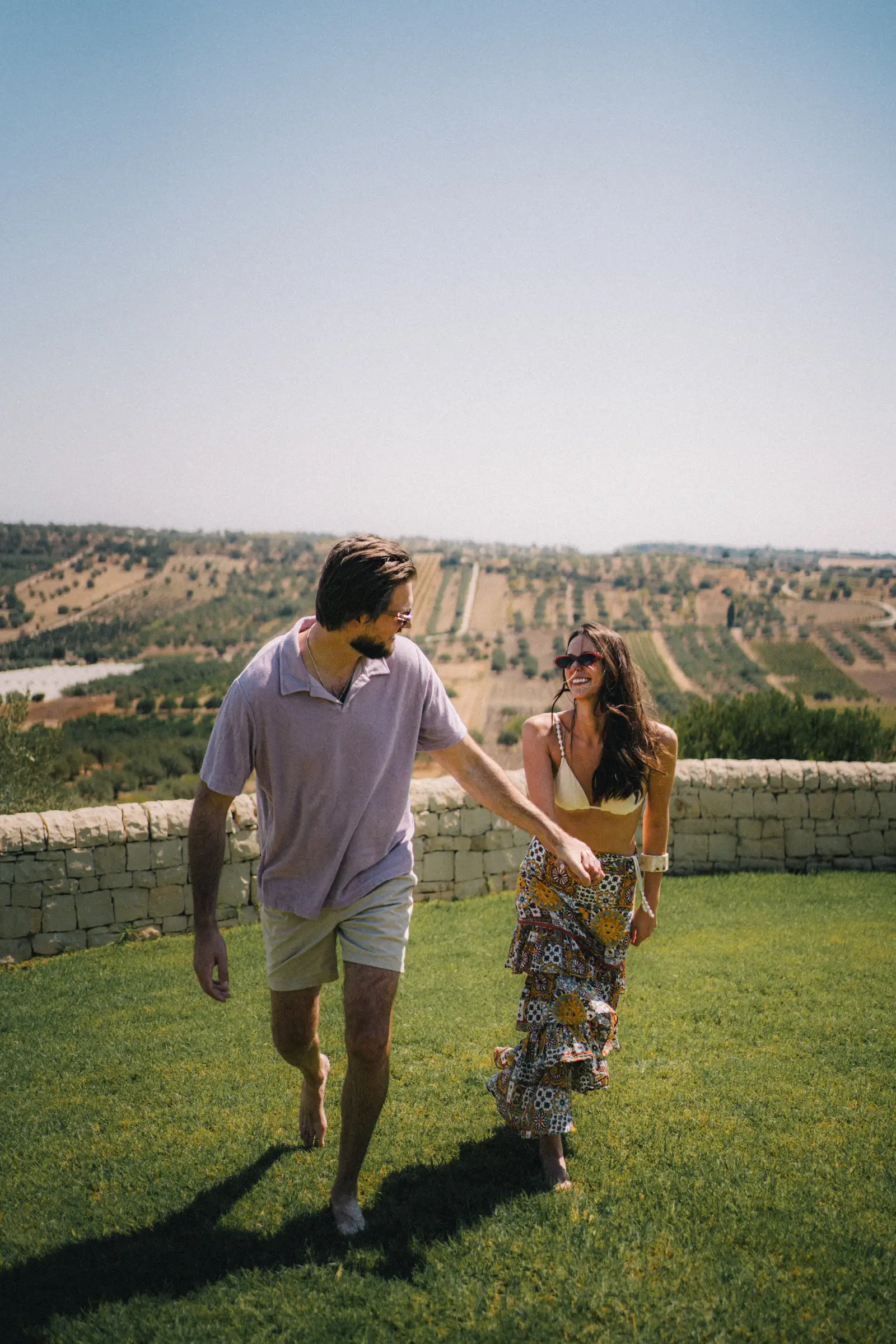
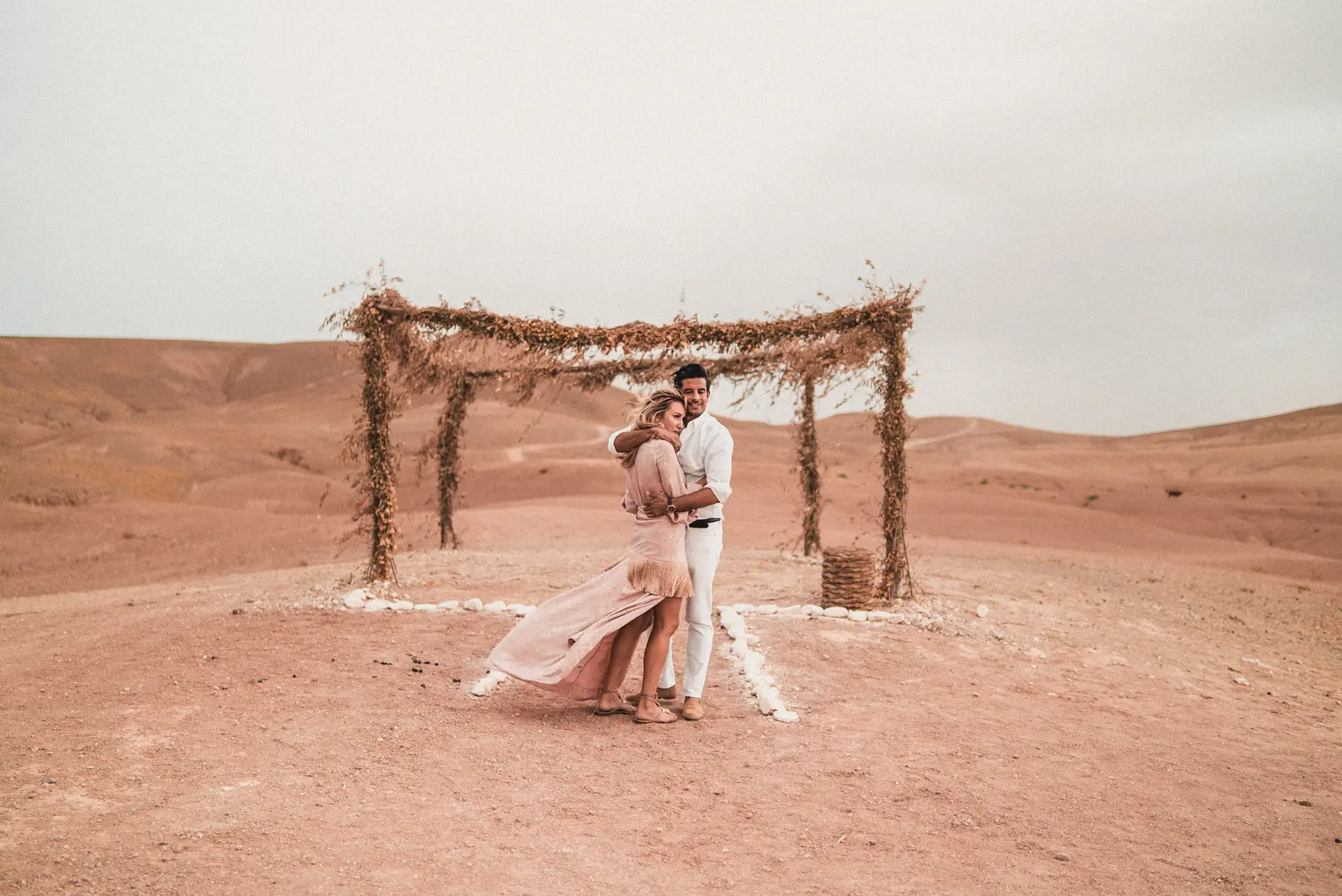
As a destination elopement photographer, I photograph the full experience rather than arriving only for the ceremony and portraits. The quieter moments often become the most personal photographs: reading a letter at the hotel, helping each other dress, waiting for a path to clear, holding a dress in the wind, signing the marriage register or sitting down for dinner after the light has changed. A small guest list still deserves a gallery with a beginning, a rhythm and a real sense of place. I recently photographed a two-day elopement in Sicily for a couple from Texas, joined by just two close friends. After the wedding, we continued with relaxed photo sessions through the city, including walks, breakfast and shopping.
Choose what you genuinely want to remember
Your elopement wedding videographer, here to help you feel every moment.
There is no required elopement programme. You can exchange vows alone at sunrise, invite your family to a symbolic ceremony, complete the legal formalities at a town hall, or meet your closest people for dinner afterwards. Guests do not need to be present for every part of the day. Many couples keep their vows private, then join their family for the ceremony, photographs or meal.
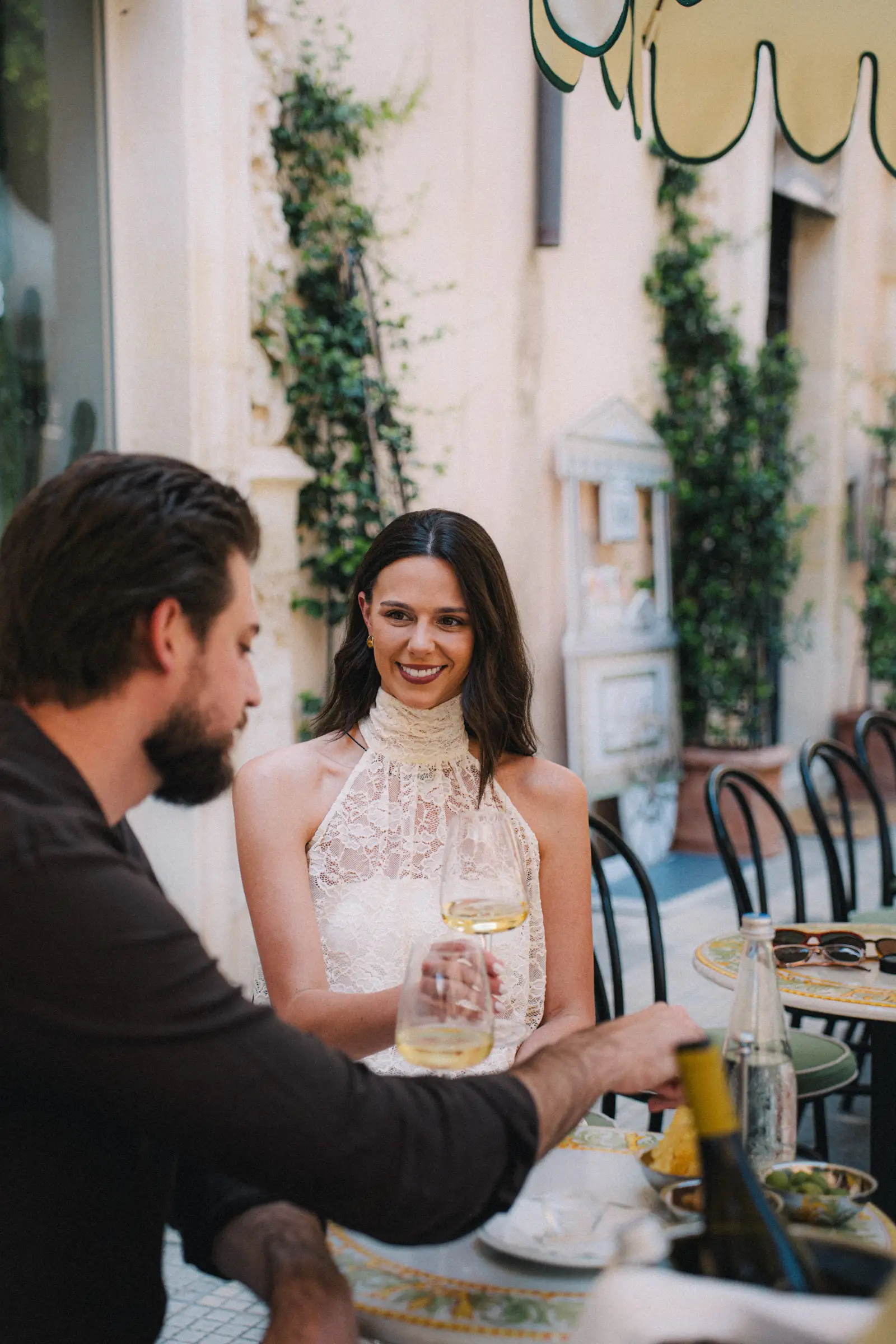
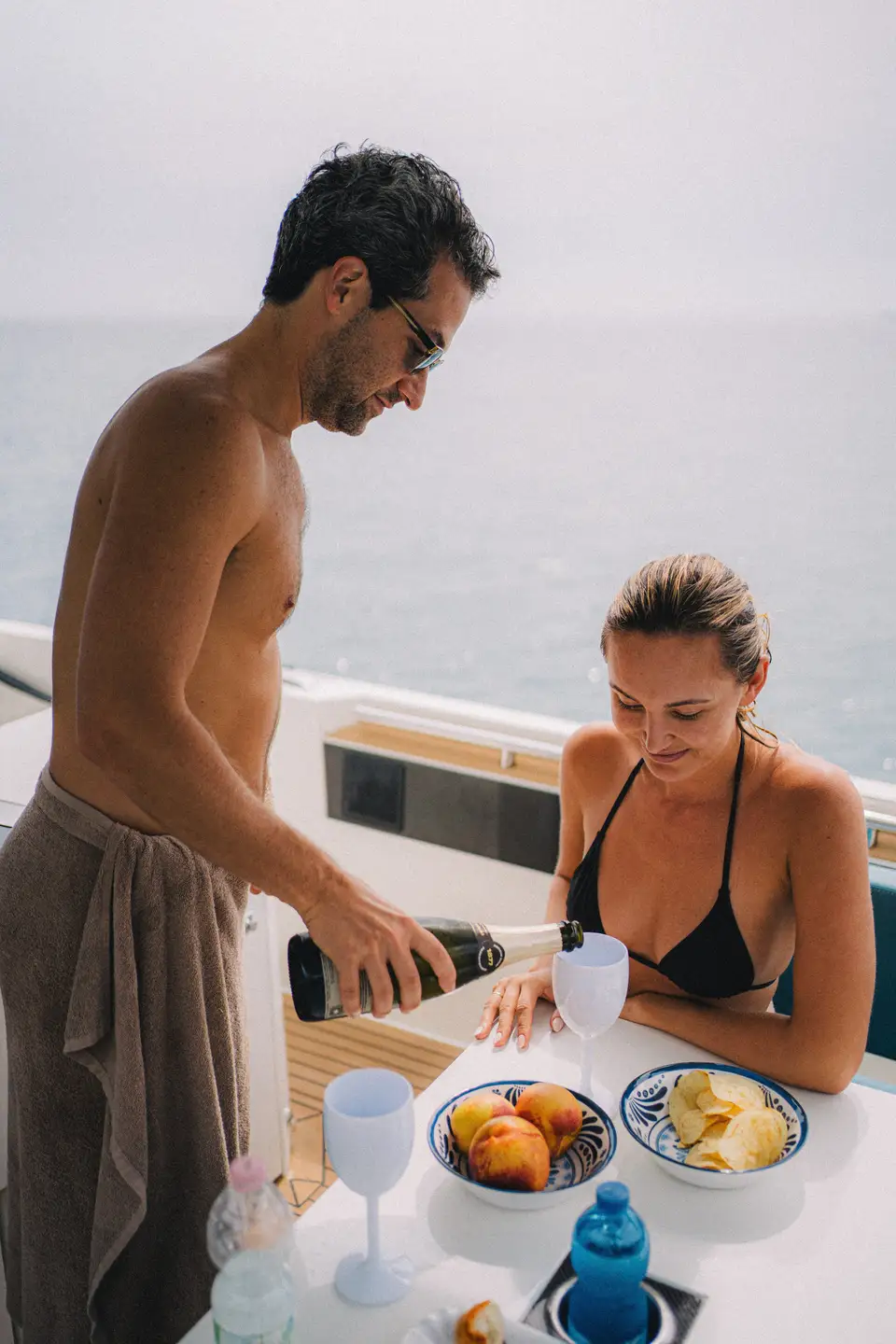
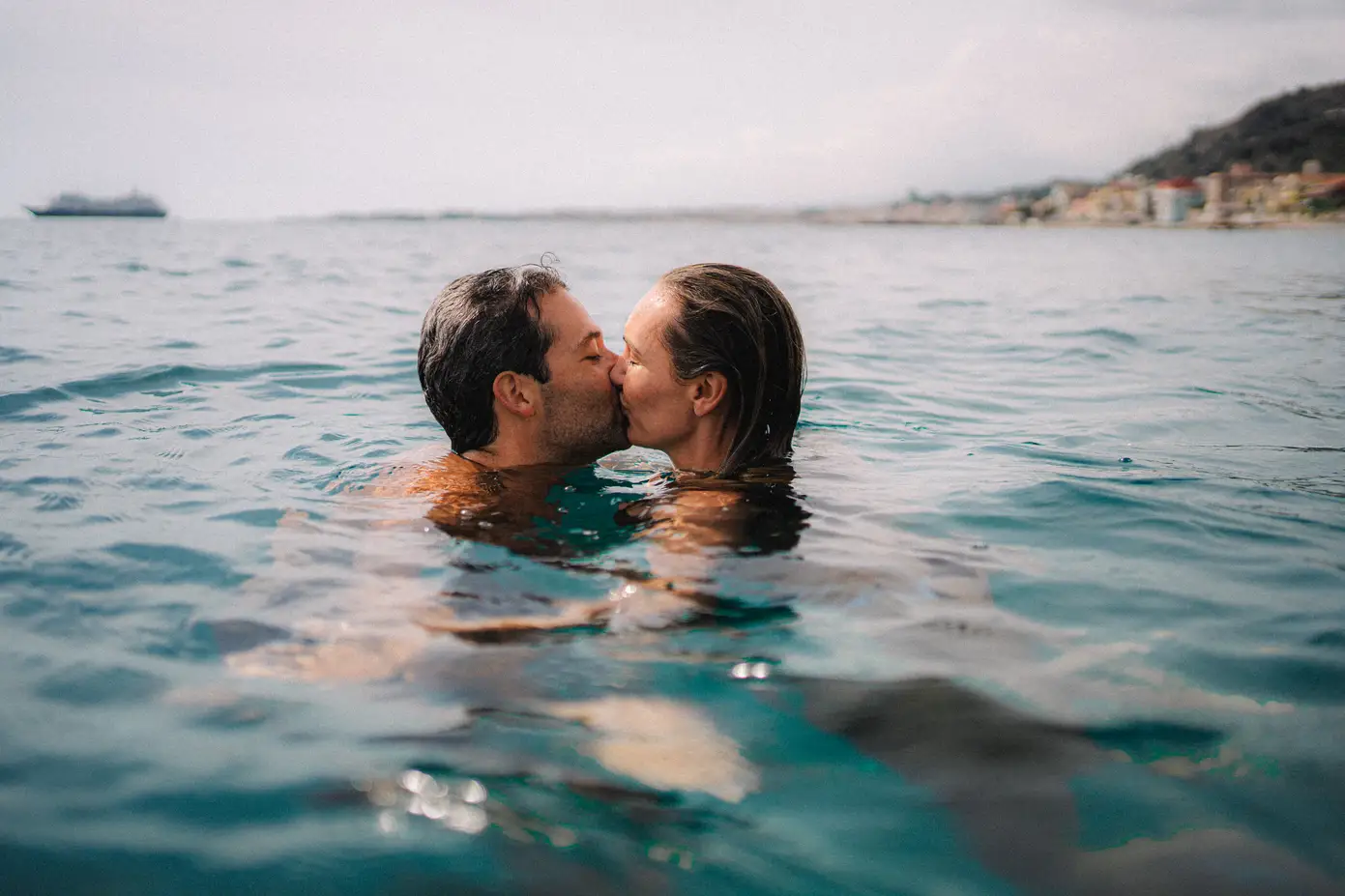
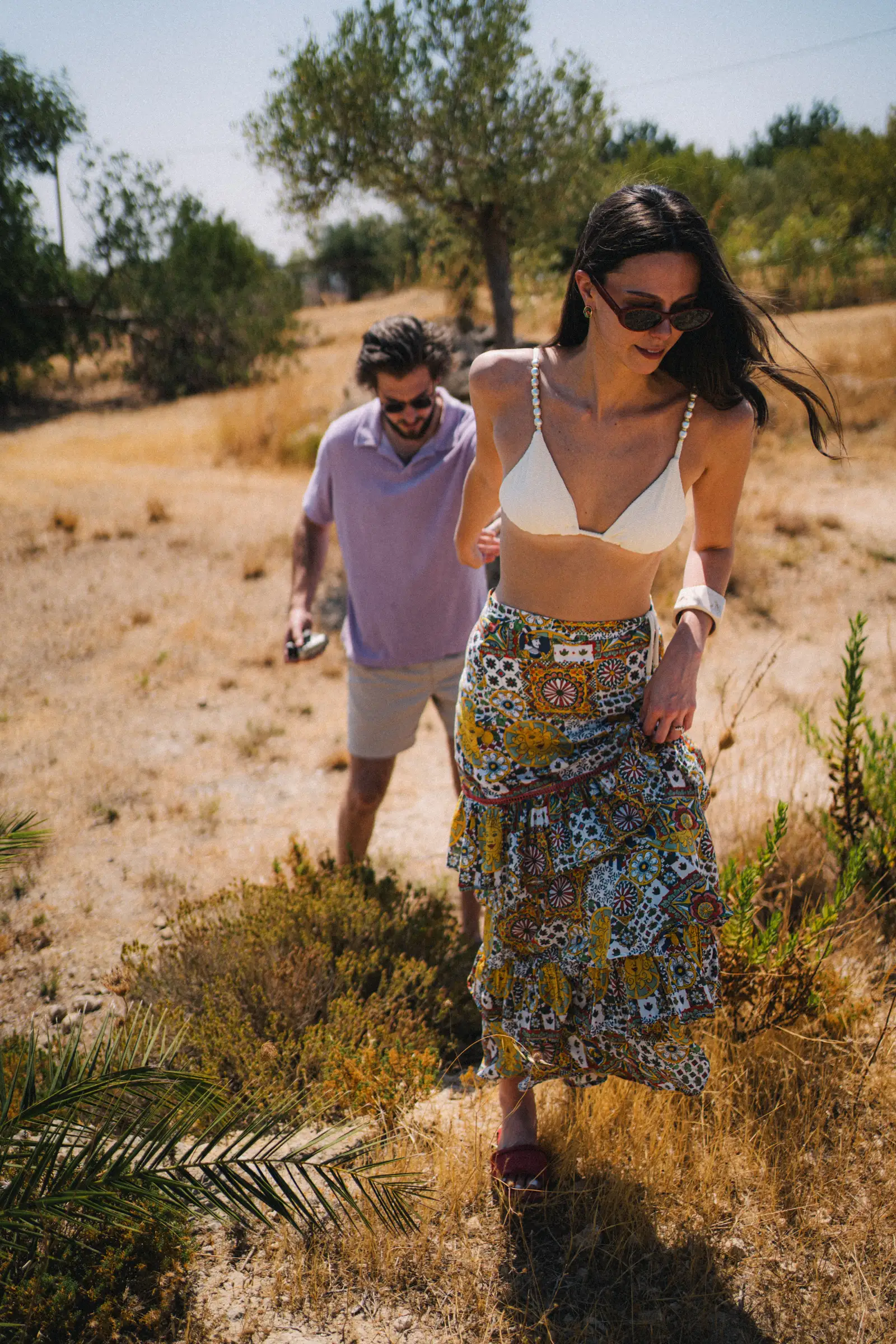
Start with the moments that matter to you and build around them. That might be breakfast at your accommodation, getting ready together, a first look, handwritten vows, a swim, a picnic, a vintage car journey, a market visit, a boat ride or a long dinner. An activity should give you real time together. It should not be added simply because it might produce photographs.
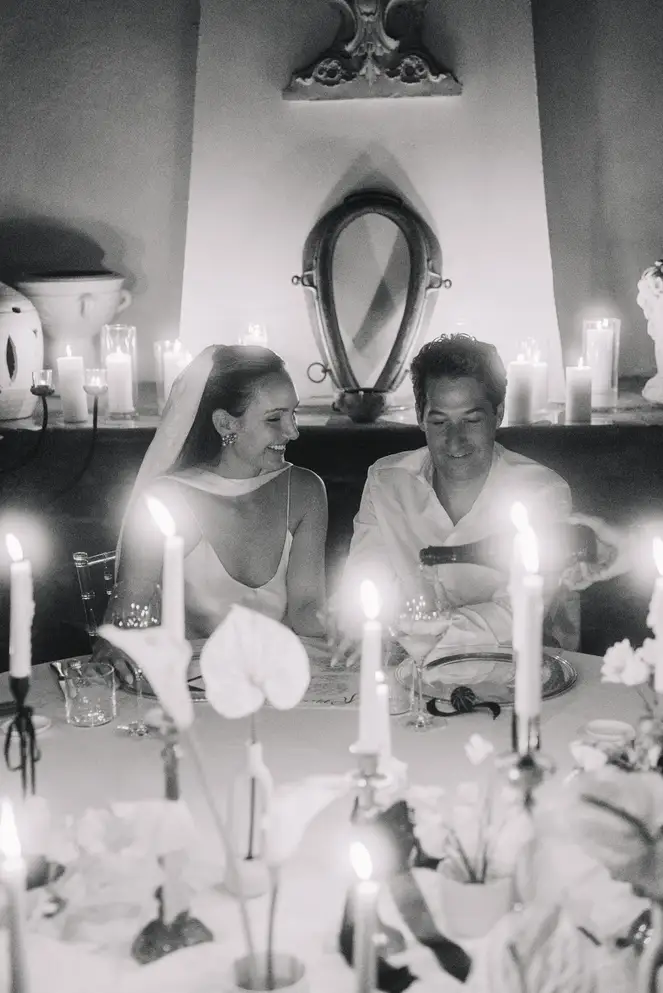
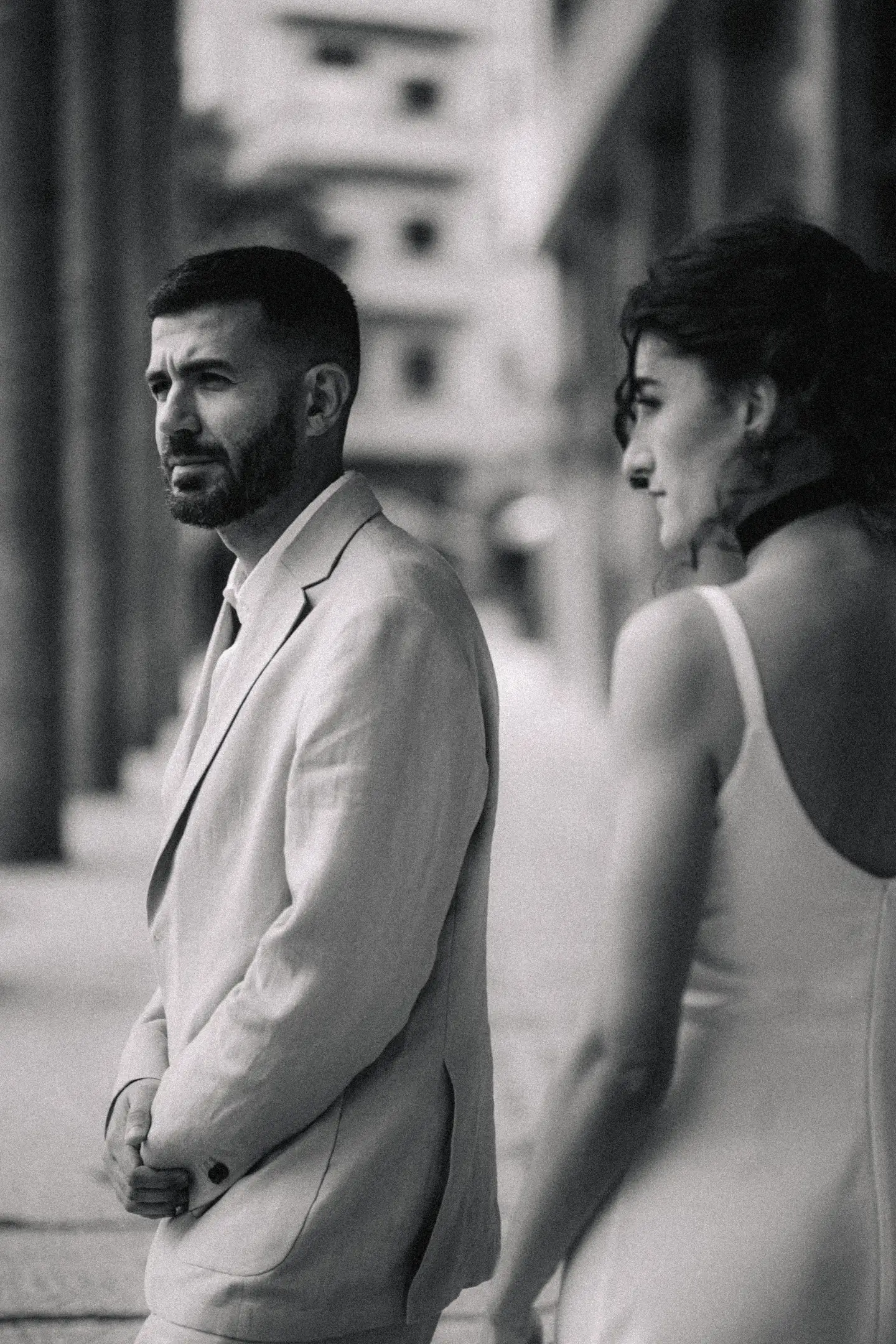
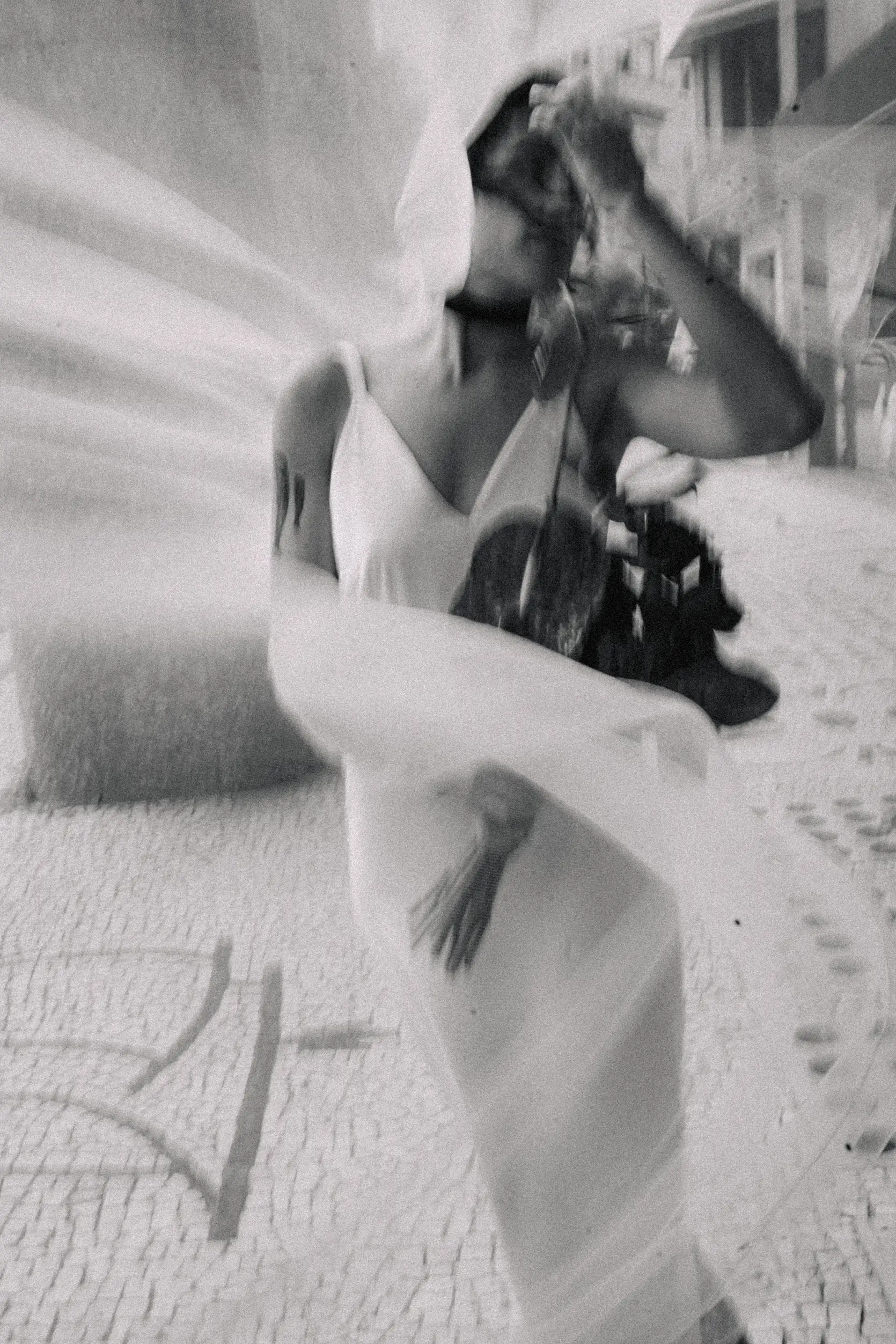
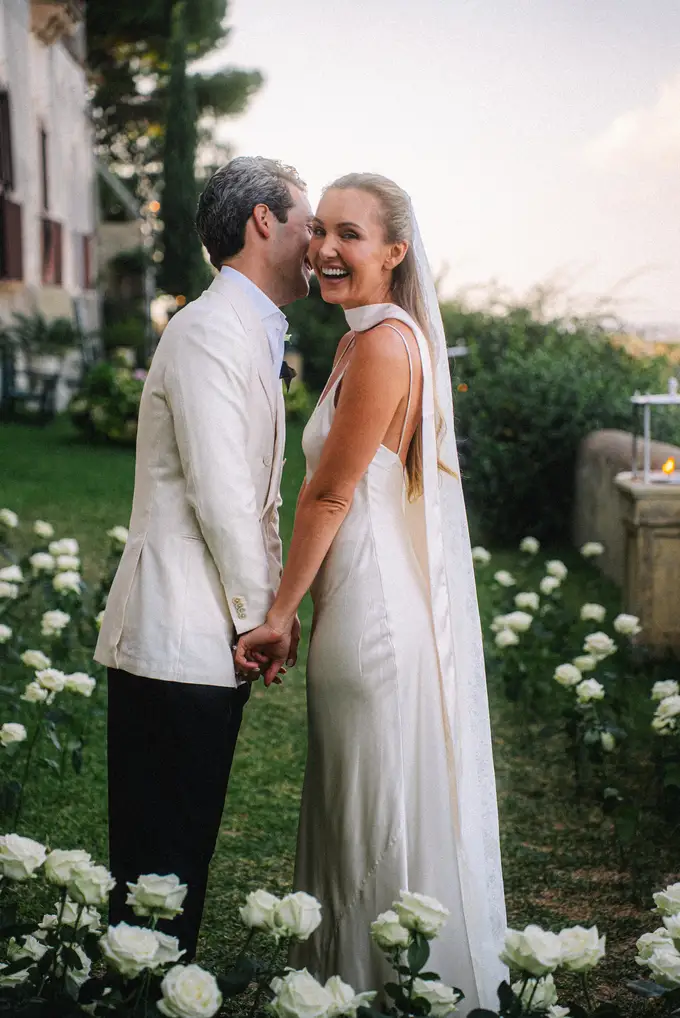
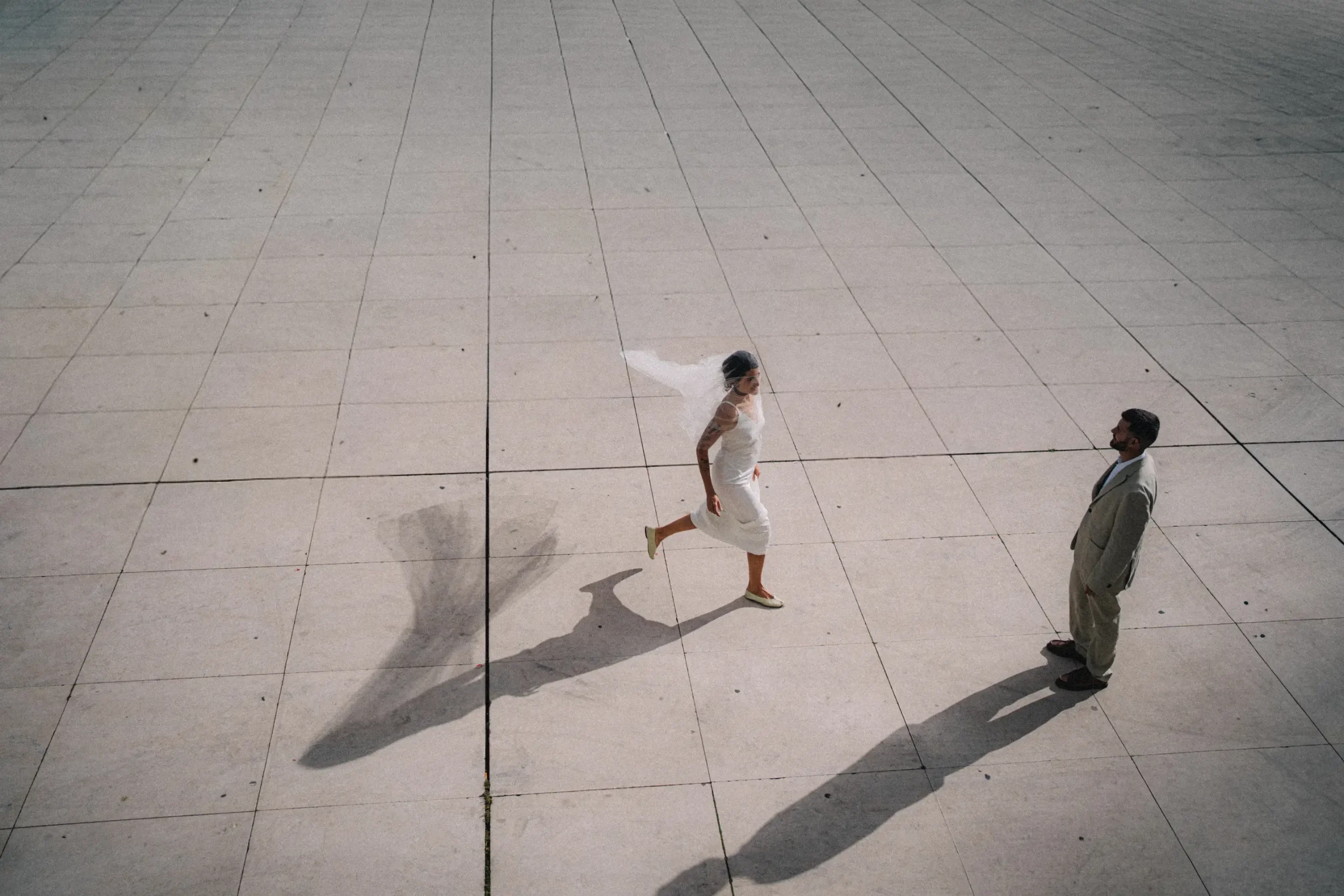
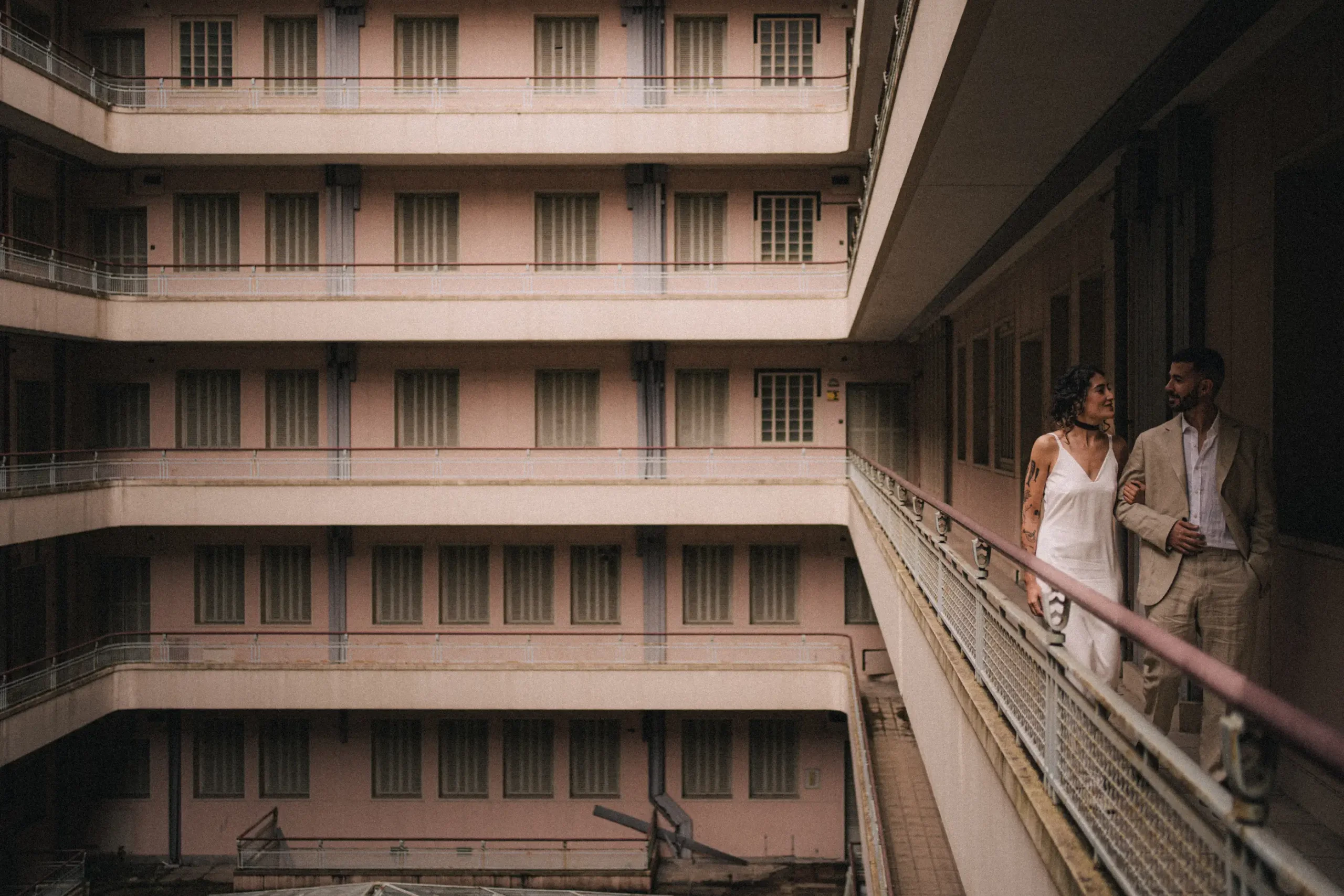
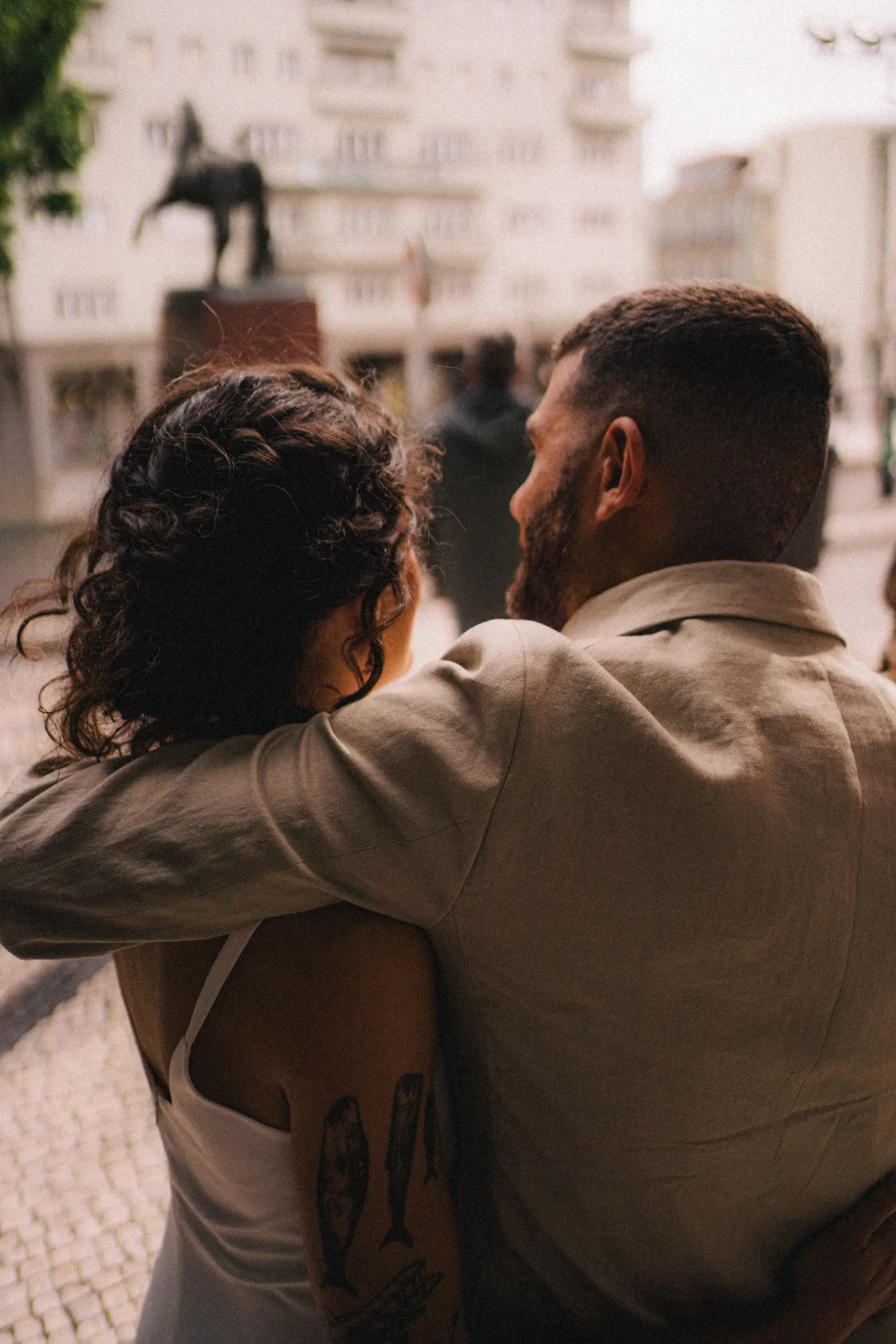
Elopement Photography without turning the day into a shoot
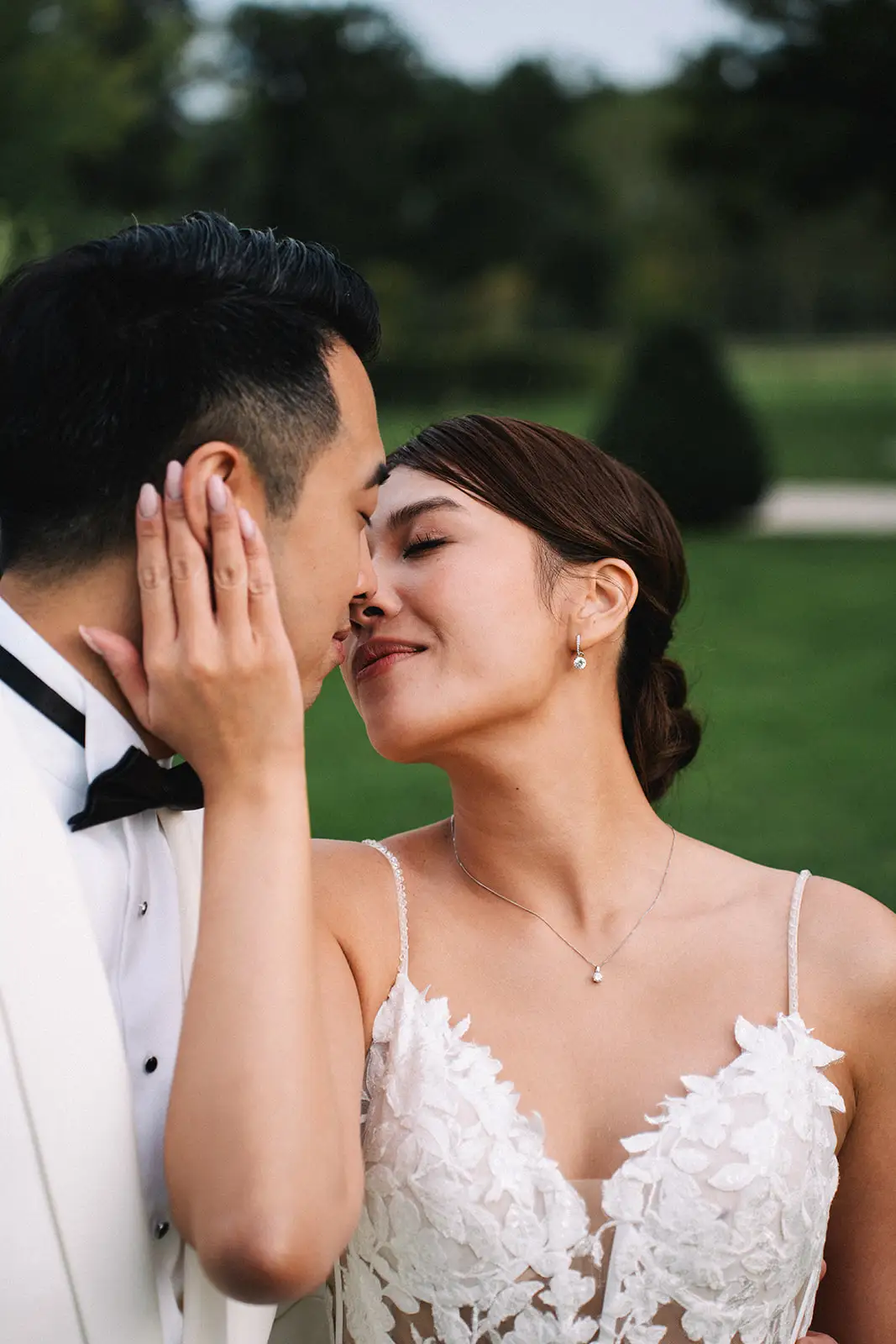
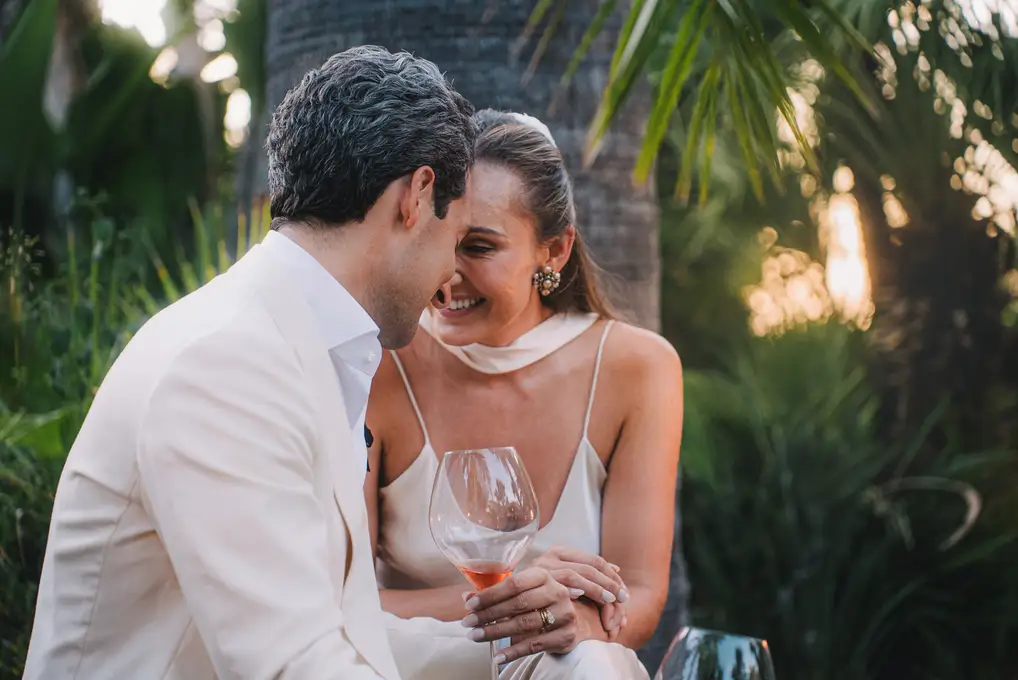
My approach as a destination photographer is documentary for most of the day. I watch what is happening, anticipate the next moment and avoid interrupting conversations or asking you to repeat gestures. During portraits, I give simple direction when it helps with the light, the composition or the way you move together. Then I step back again.
Having a photographer present for several hours should not mean having a camera close to your face all day. There will be moments when I photograph from a distance and moments when I deliberately leave you alone. The final gallery combines the wider setting, the people you invited, close details and the less obvious transitions that hold the day together.
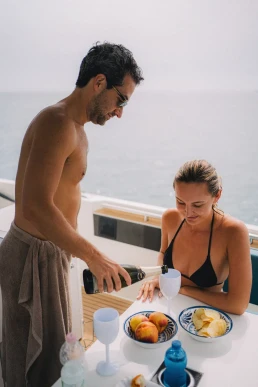
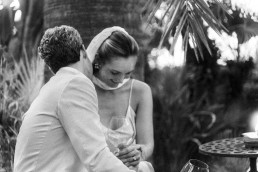
A wedding experience that feels entirely your own
Intimate, meaningful and deeply personal, with space to slow down, reflect and celebrate what truly matters to you.
What I help you work through before the day
Light, privacy, travel times and a plan that leaves room to breathe
Before the elopement, we discuss the destination, the ceremony, the people involved and the parts of the day you care about most. I then review the proposed locations and timeline from a photographic point of view. This includes the direction of the light, privacy, walking distances, travel time, parking, temperature, wind and a realistic alternative if the weather changes.
I can help you compare shortlisted places and decide when portraits will fit naturally. A beautiful viewpoint is not automatically suitable for a ceremony. We need to know whether the land is public or private, whether professional photography is allowed and whether permission is needed. A planner, venue or local authority remains responsible for permits, contracts and the wider logistics.
For couples planning from abroad, our conversations can take place online in English or French. I can also coordinate the photographic timing with your planner and other suppliers. Once the important decisions are clear, the schedule should feel simple enough for you to stop thinking about it. This preparation keeps the elopement wedding photography natural without leaving important details to chance. You can explore my wider approach as a destination wedding photographer before sharing your plans.
Elopements in Asia and Thailand
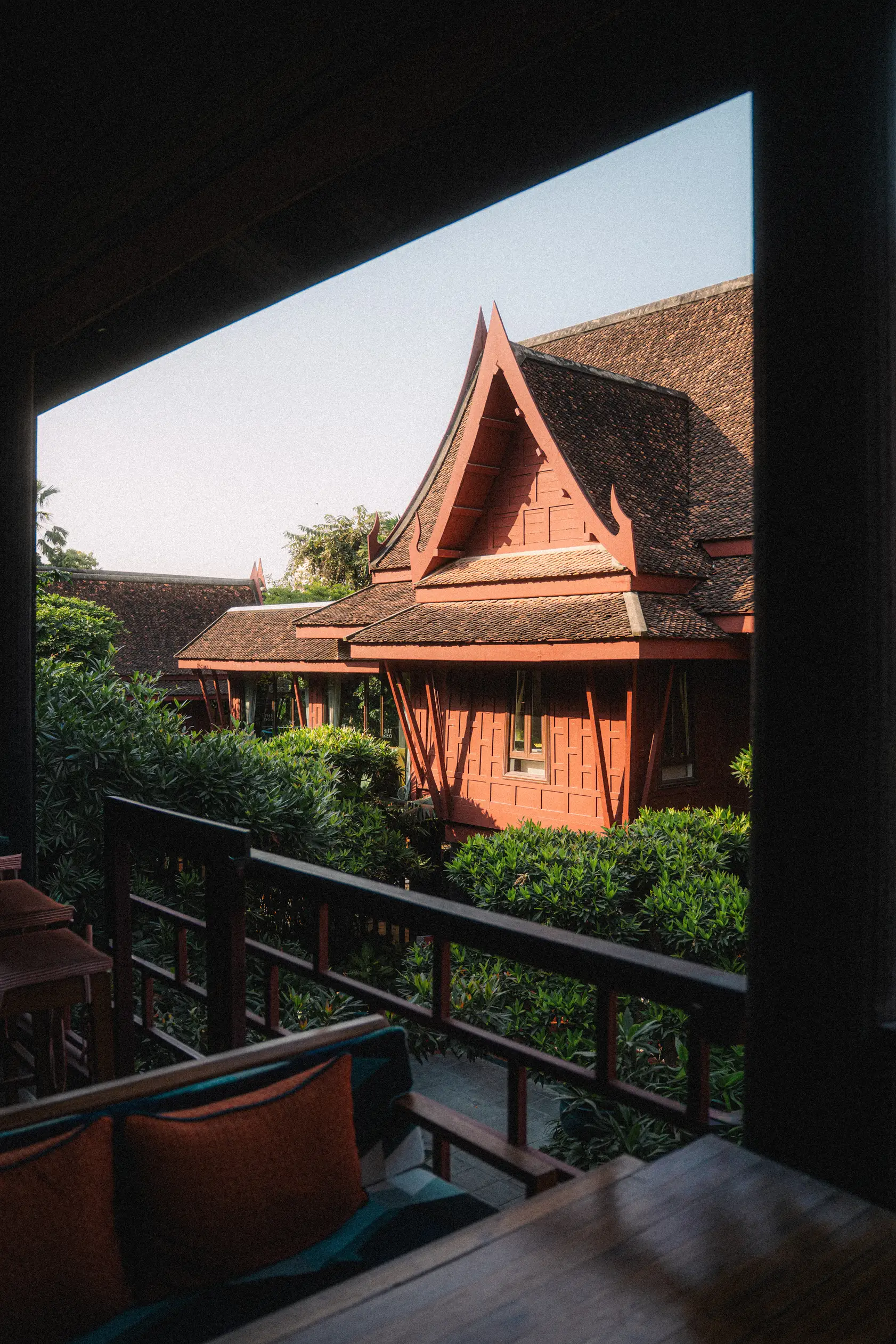
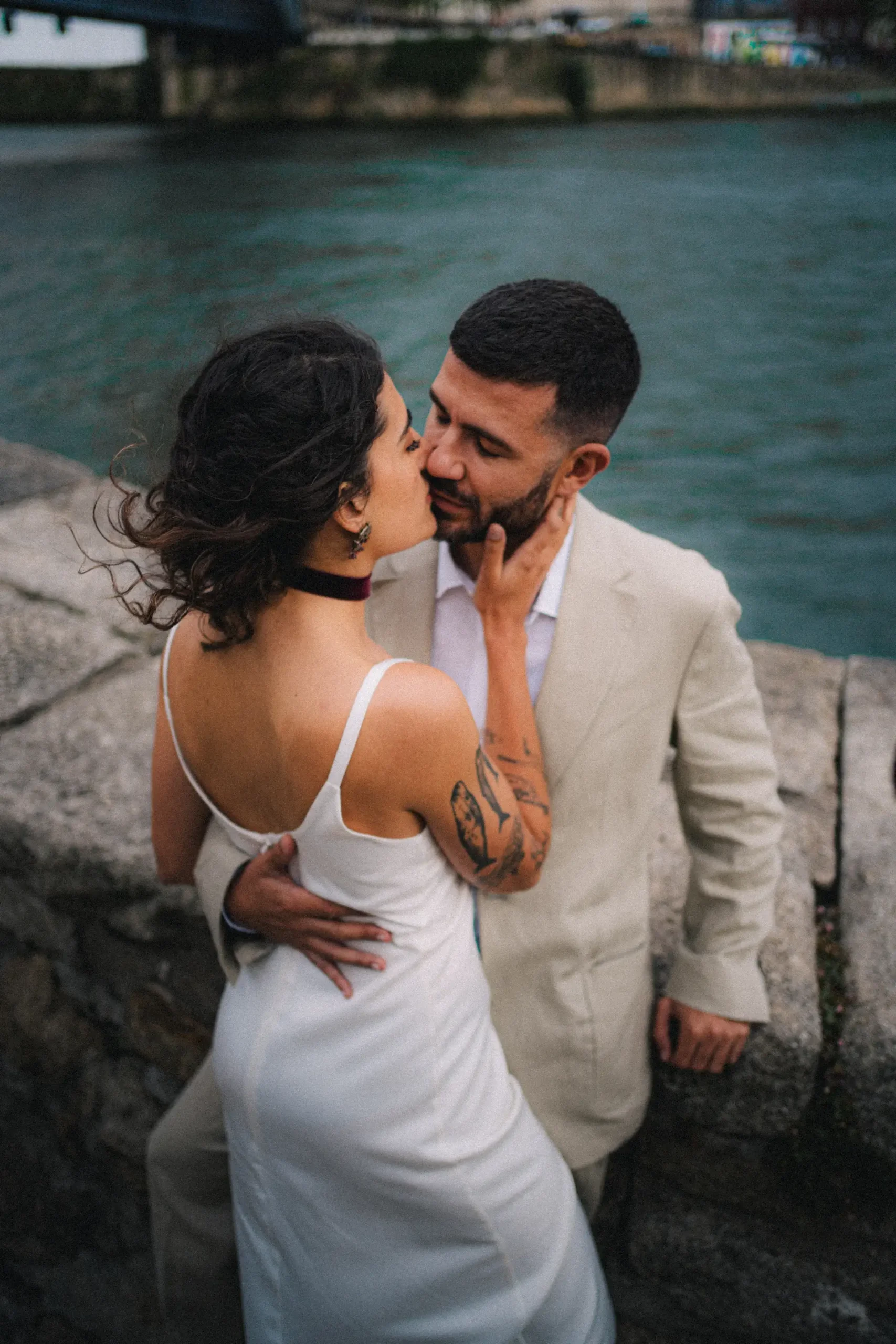
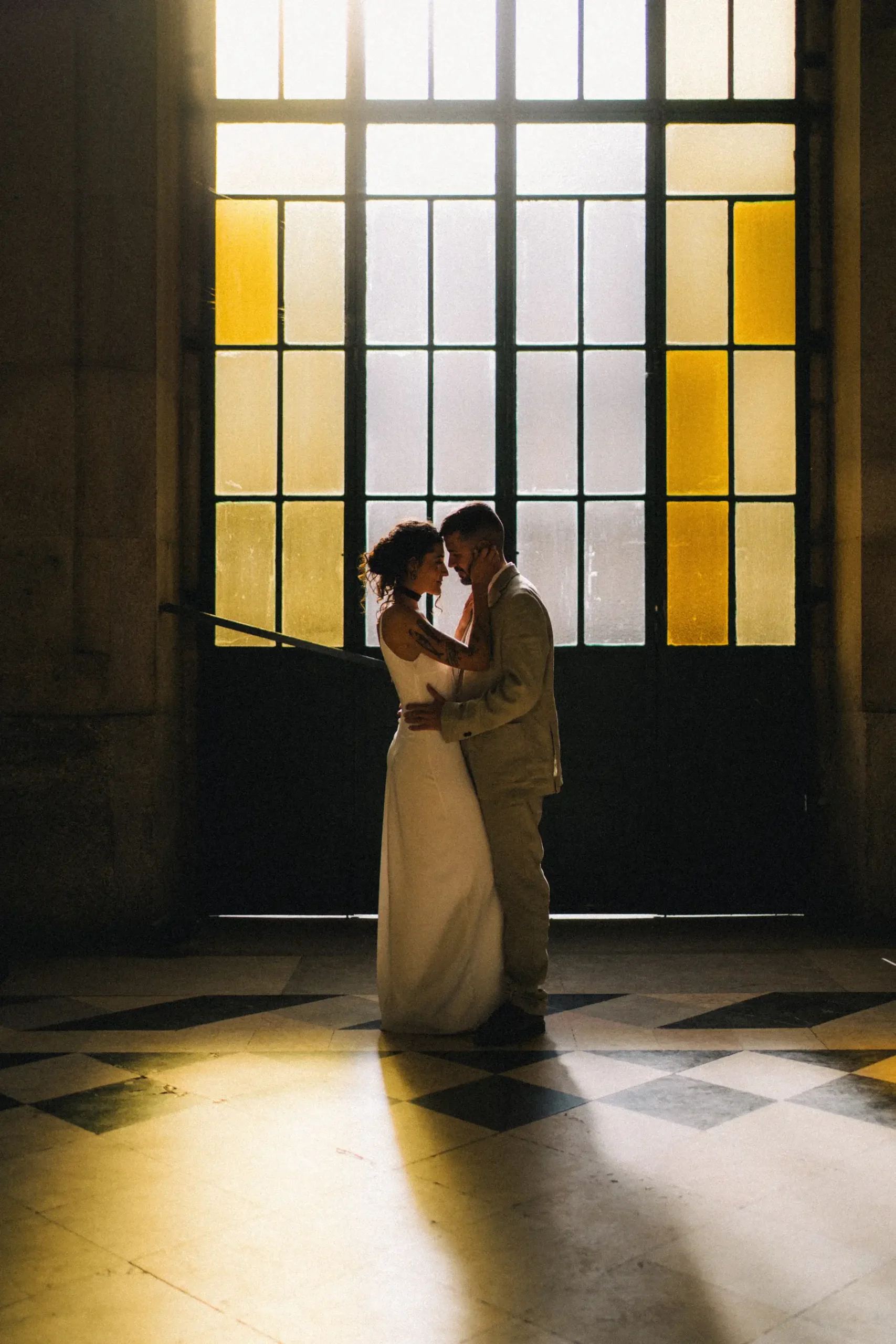
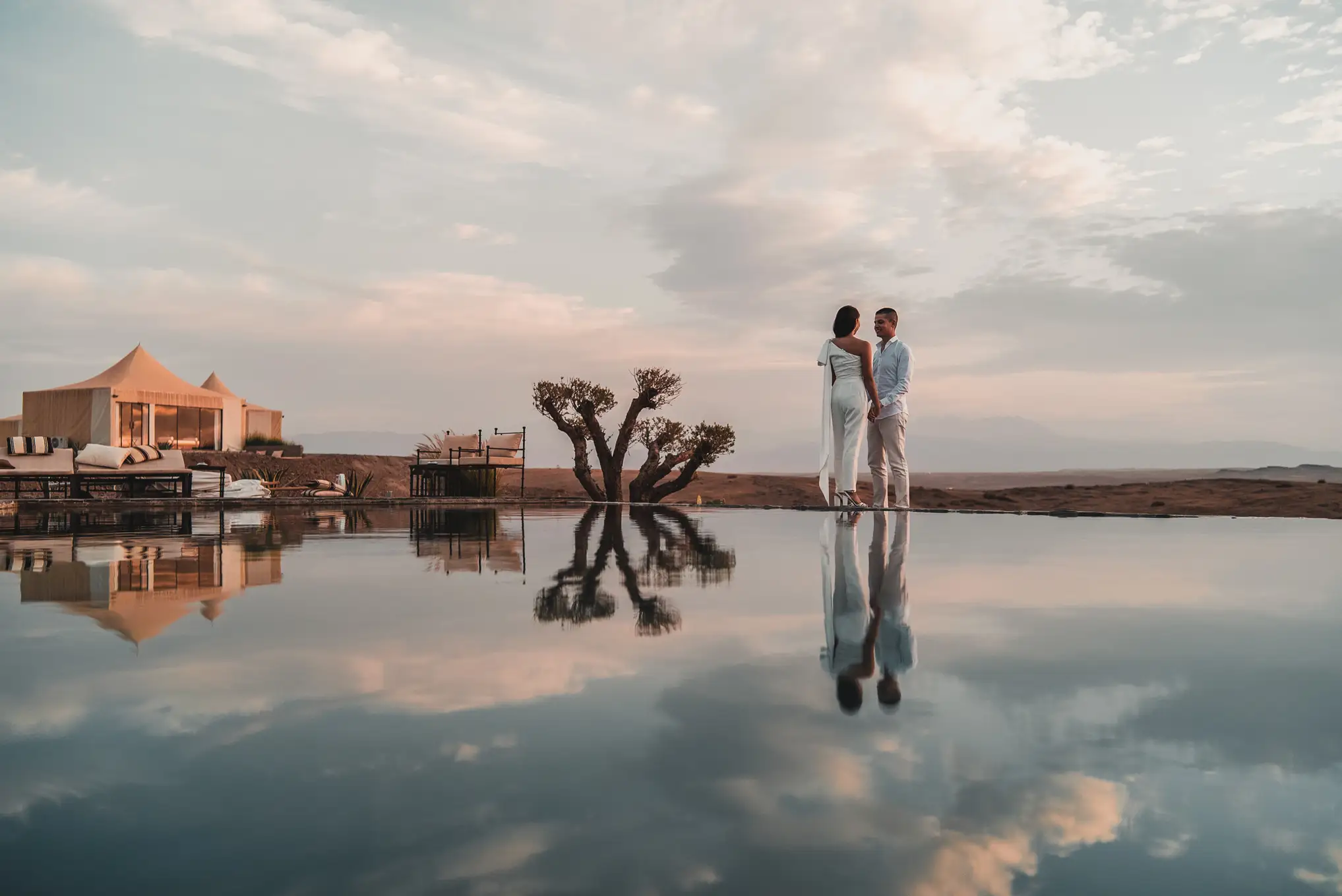
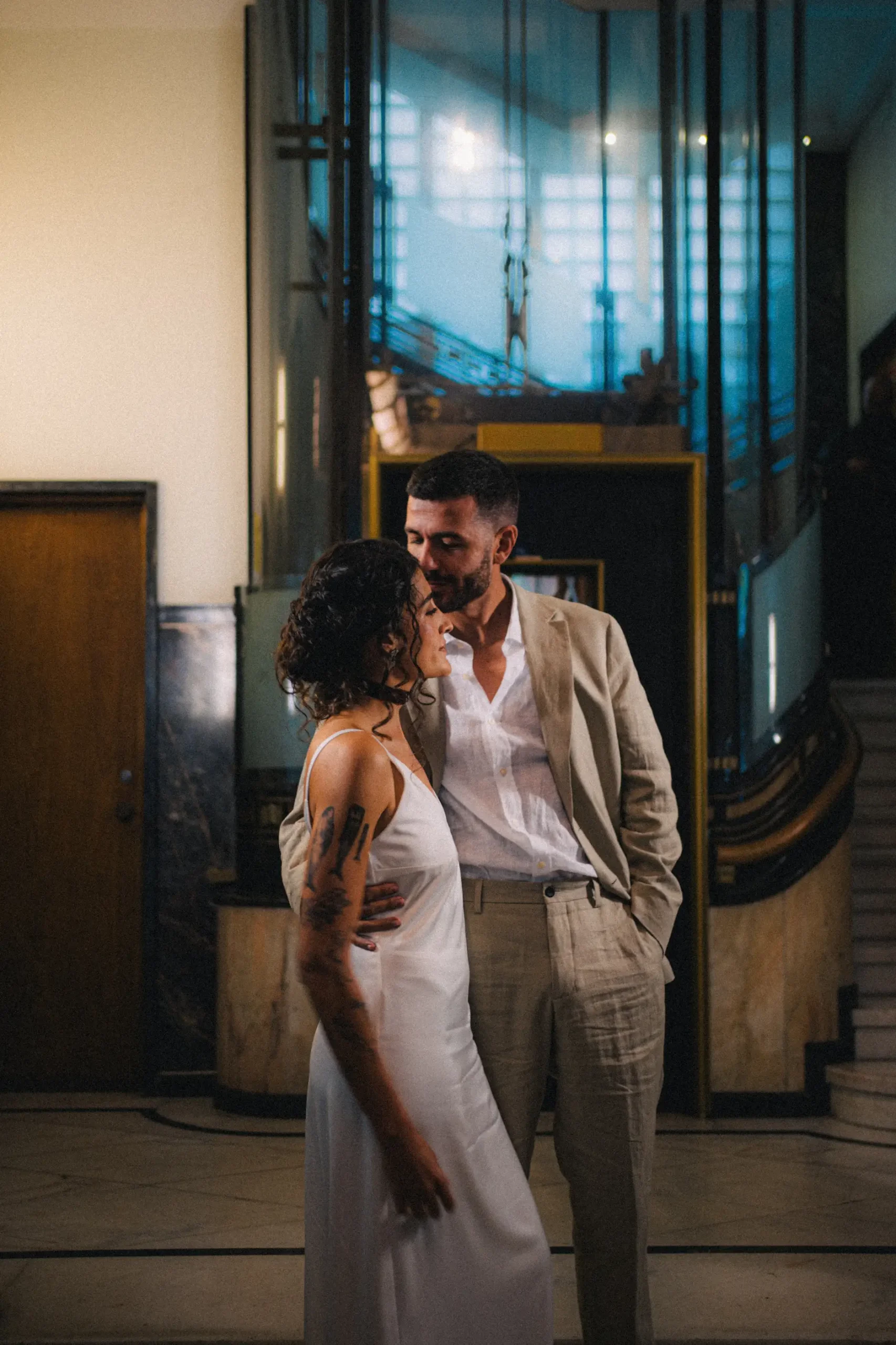
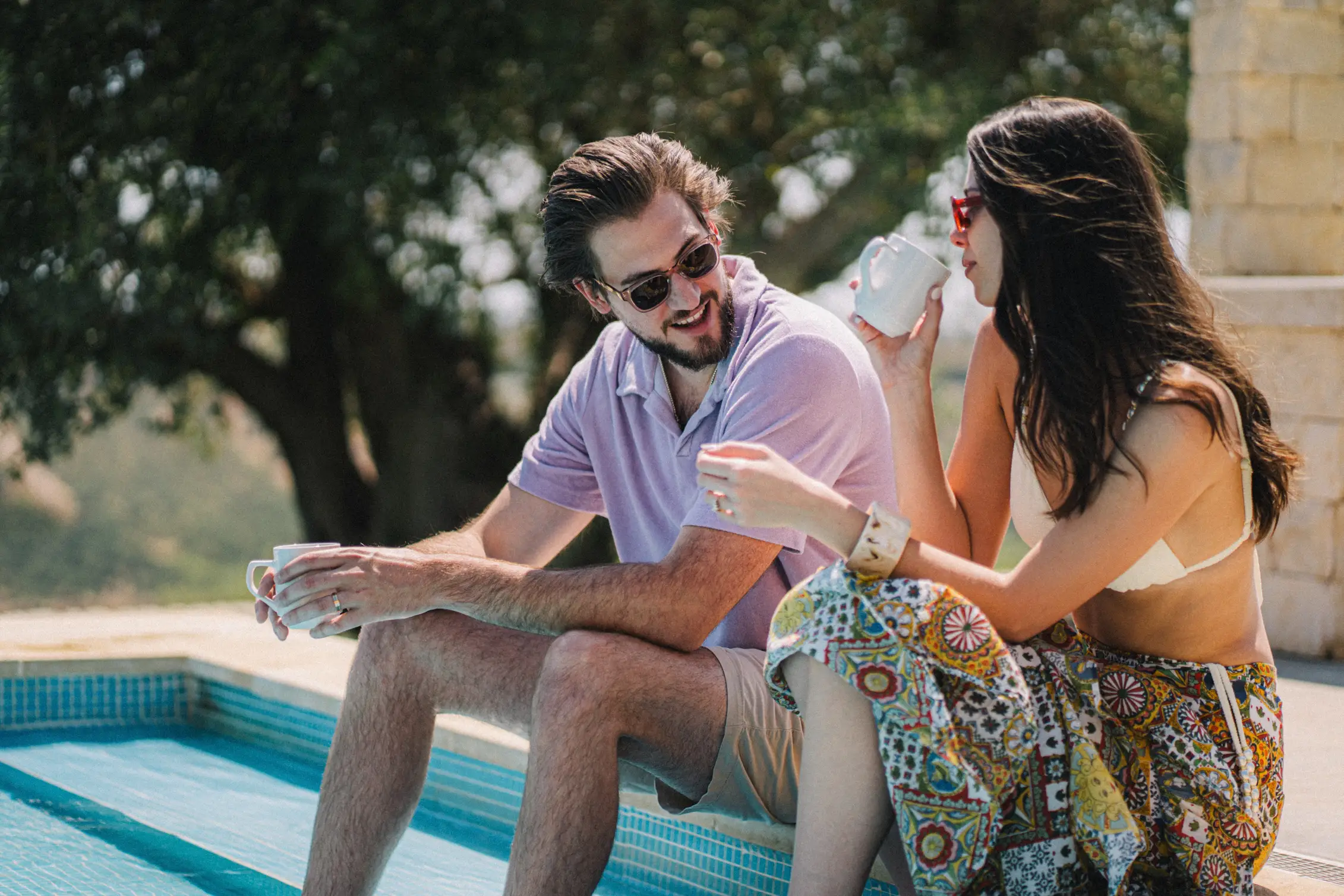
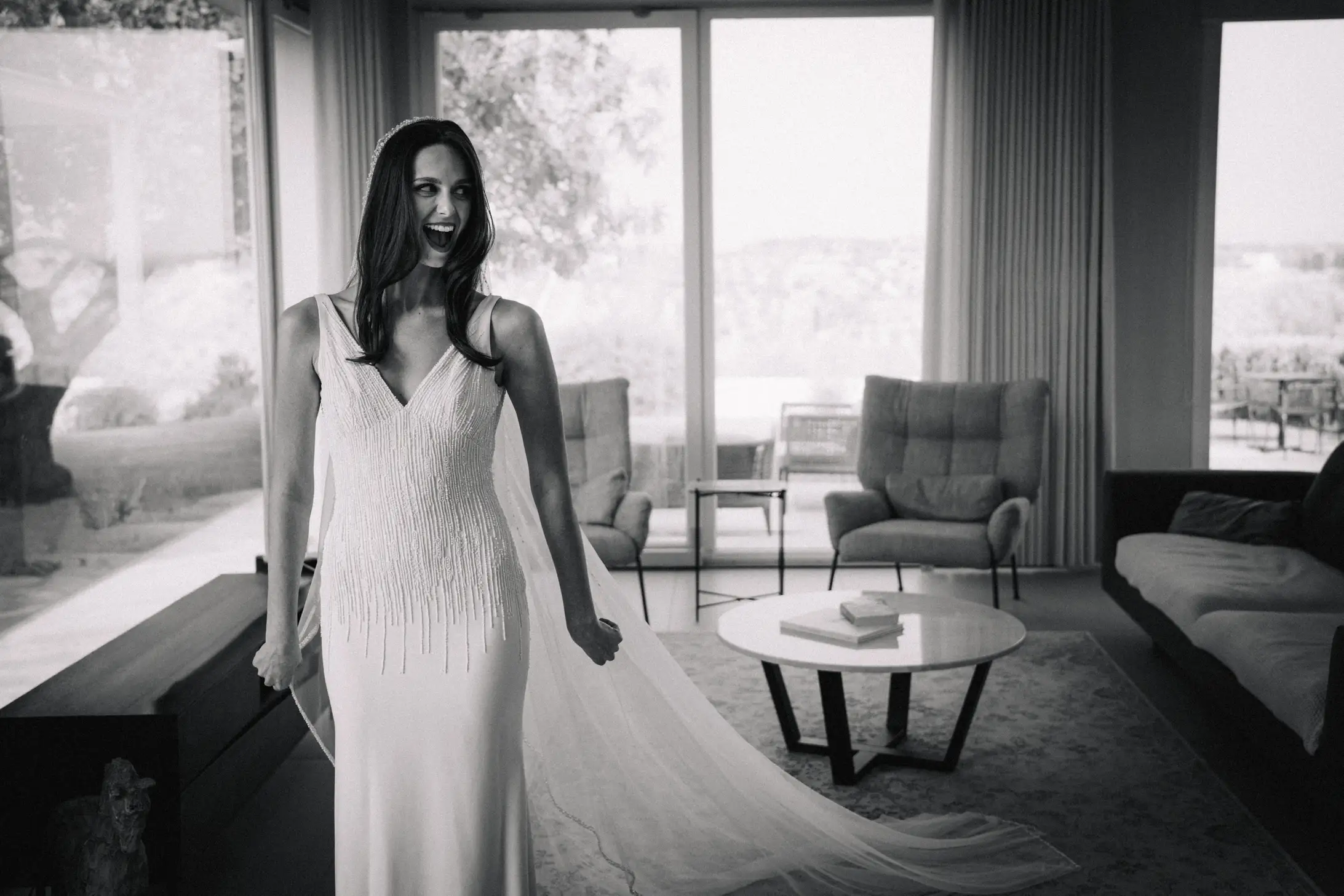
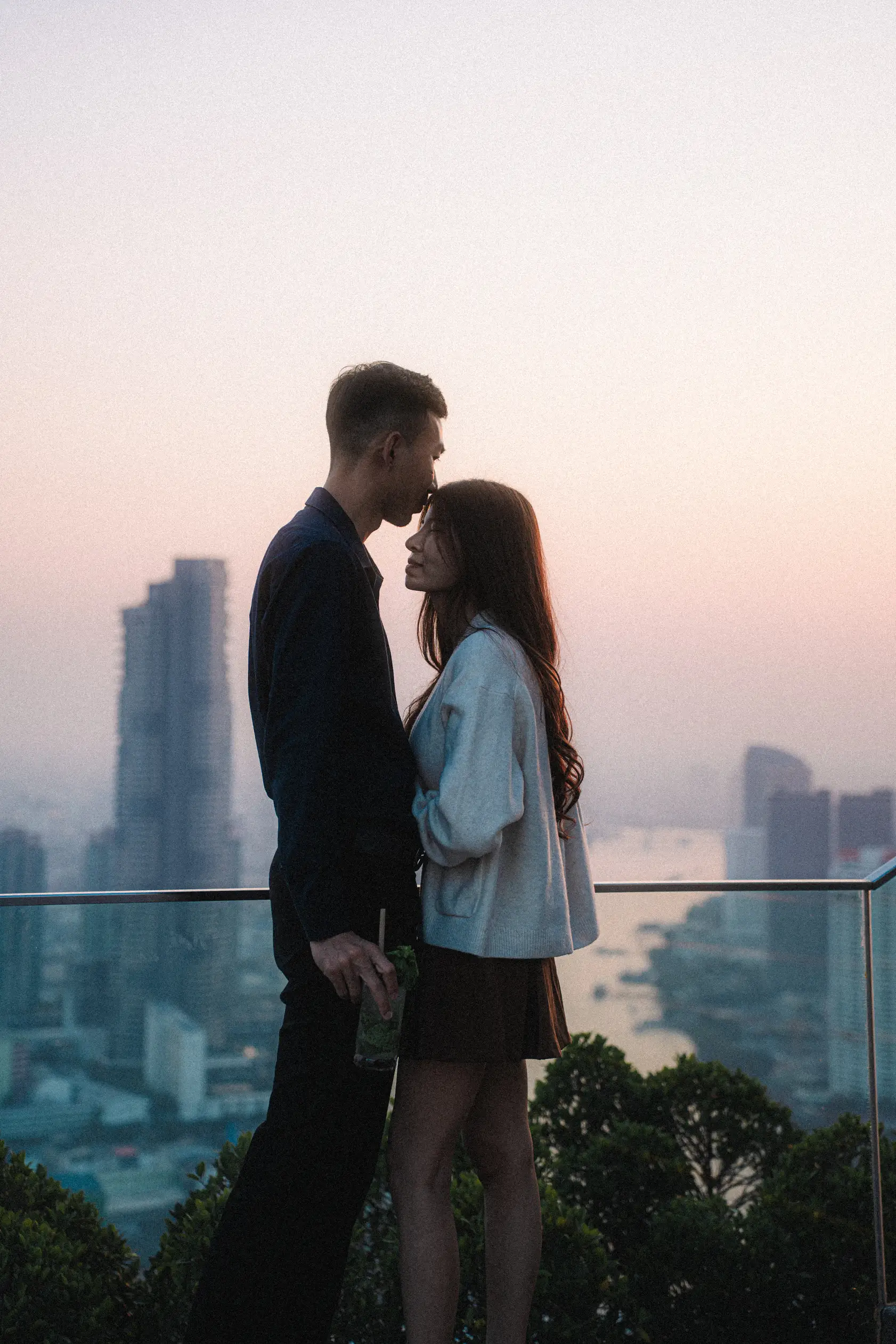
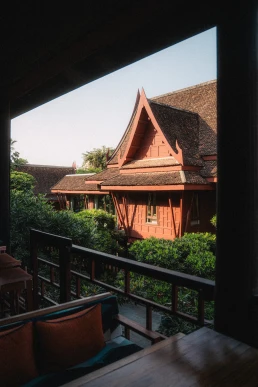
Asia offers a very different setting for an elopement, from tropical islands and private villas to temples, cities and quieter landscapes away from the main tourist routes. I have travelled to Thailand several times and work with a local team based there. This makes it easier to prepare the practical details, understand local conditions and plan the photography around the heat, light, travel times and rhythm of the destination. Whether the elopement takes place in Phuket, Bangkok, Chiang Mai or elsewhere in Asia, the day is approached as a personal experience rather than a simple portrait session abroad.
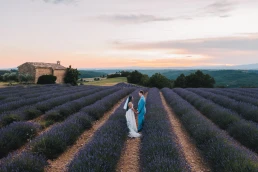
Elopement photographer in Provence
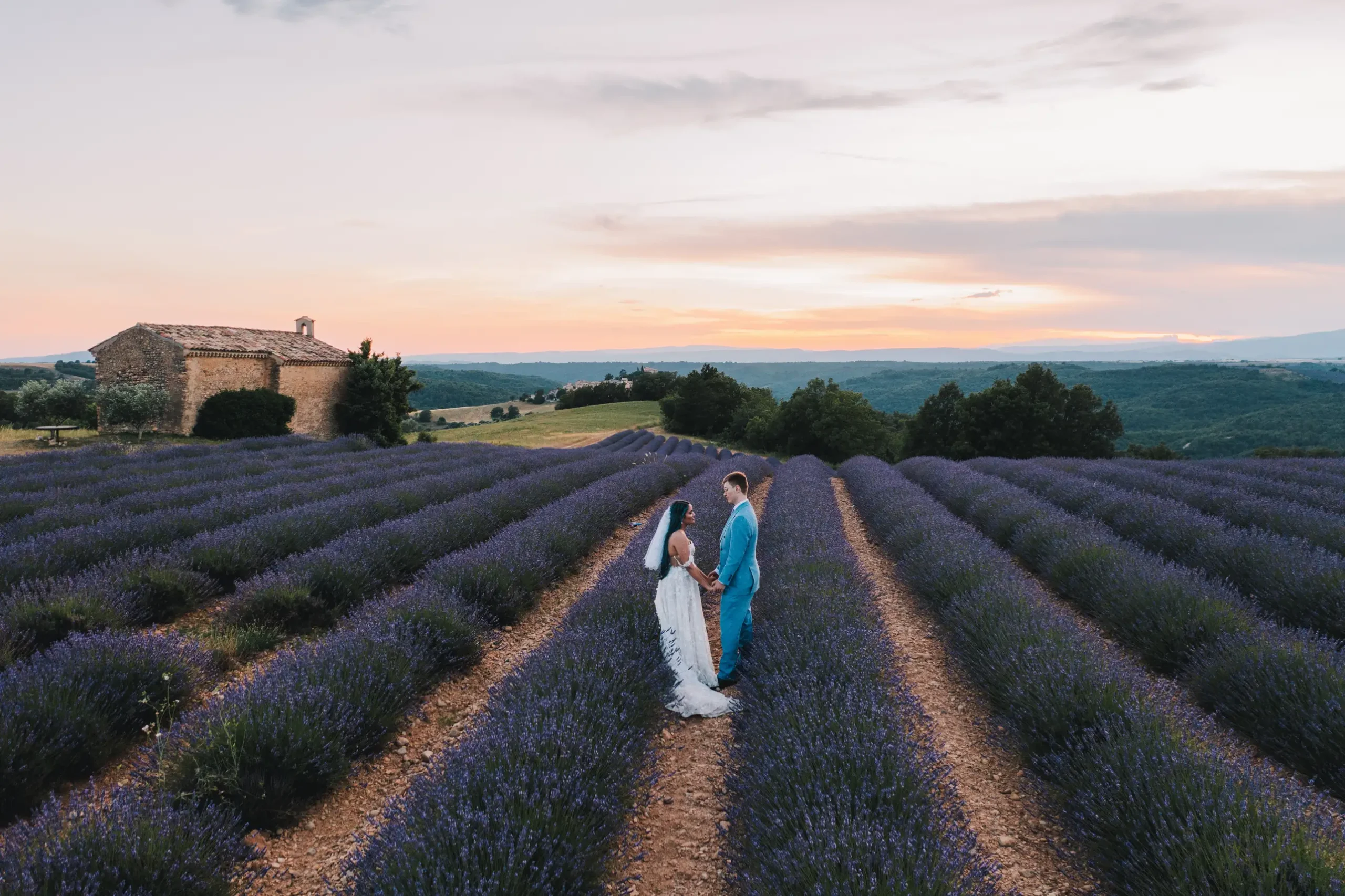
As an intimate wedding photographer in the South of France, I photograph elopements throughout Provence, including the Luberon, the Alpilles, Aix-en-Provence, the Var and the Vaucluse. The setting may be a private estate, a small hotel, a family property, a village town hall, an olive grove or a quiet viewpoint. The right choice depends on privacy, access and how you want the day to feel, not only on how the place looks in a photograph.
Provence also requires practical decisions. The middle of a summer day can be very hot. Lavender fields are working agricultural land and should never be entered without permission. Historic villages often have narrow streets, limited parking and busy market days. An early ceremony, a weekday or a private property can offer more calm. The plan should also respect marked paths, private land and local rules. Decorations, candles, flowers or confetti should only be used where they are authorised and should leave no trace afterwards.
French Riviera elopement photographer
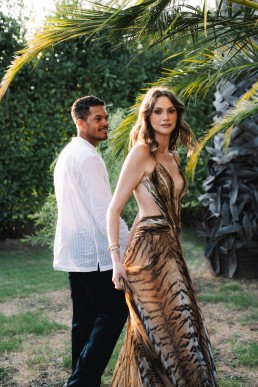
An elopement on the French Riviera can move between very different settings without becoming a long production: a quiet hotel morning, a civil ceremony, a garden, a harbour, a coastal road, a private terrace or dinner by the sea. I work across Saint-Tropez, Cannes, Antibes, Nice, Saint-Jean-Cap-Ferrat, Monaco and the surrounding areas.
As a French Riviera elopement photographer, I pay close attention to wind, traffic, access and the number of visitors around public locations. Beaches and promenades are rarely private, even when photographs make them appear empty. Sunrise often brings cooler air and quieter surroundings. Sunset gives softer light, but the journey back, parking and dinner time still need to work. One or two well-chosen places usually create a better experience than spending the day in a car.
Tell me what you are planning
Share your preferred date or date range, destination, approximate guest count, ceremony plans and the parts of the experience you would like photographed. I will confirm my availability and tell you how much coverage the day realistically needs.
An elopement is an intimate wedding built around the couple rather than a large guest list or a fixed programme. It may involve only two people, or a small group of relatives and friends. It can include a civil ceremony, a symbolic ceremony, private vows, a meal and activities across one or several days.
There is no universal guest limit. A micro wedding usually keeps a recognisable ceremony and reception programme for a small guest list. An elopement is generally more flexible and centred on the couple’s experience. The useful question is not which label fits, but how many people you want beside you and which parts of a wedding you want to keep.
Yes. Parents, children, siblings, witnesses or a few close friends can be part of the day. When guests attend, the schedule should include their arrival, transport, comfort, group photographs and the transition to lunch or dinner. You can still keep other moments completely private.
Yes. You can read personal vows alone before or after the ceremony, then join your guests for the formal exchange, photographs or meal. I can photograph the beginning and end of that moment, or remain farther away, depending on how private you want it to feel.
It should not. I do not direct every part of the day or keep the camera close to you continuously. I photograph quietly, work from a distance when possible and give you time without instructions. Direction is mainly used during portraits or when a small change will improve the light or composition.
Coverage depends on the experience, not the number of guests. A ceremony and short portrait session need less time than preparations, private vows, several locations, a meal and an activity. Once I know the destination, access and schedule, I can tell you how much time is useful without stretching the day unnecessarily.
Yes. Coverage can be divided between a civil and symbolic ceremony, a welcome evening and the elopement day, or the ceremony and an activity the following morning. Splitting the coverage can also make sense when you want both sunrise and sunset photographs without creating one exhausting day.
Yes. I review the ceremony time, travel between locations, the best periods for portraits and the time needed for each transition. I also consider heat, sunset, crowds, parking, walking distances and the return to your accommodation or dinner. When a planner is involved, we can review these points together.
Sunrise often brings more privacy, cooler temperatures and quieter public locations. Sunset usually provides warmer light and can lead naturally into dinner. The better choice depends on the direction of the light, the landscape, access hours, the season and your own rhythm. Portraits can also be split into two shorter sessions.
No. An elopement can take place in a private garden, a hotel, a village, a town hall, a family property, a restaurant or beside the sea. A long hike only makes sense when it is already part of the way you enjoy travelling together. It should never be added only to make the photographs appear more adventurous.
I can compare shortlisted locations from a photographic and practical point of view, including light, privacy, access, walking distance, travel time and backup options. Permission for a ceremony or professional photography must still be confirmed with the owner, municipality, park authority or planner. A place being publicly accessible does not automatically mean every use is authorised.
Use authorised access, stay on marked paths where required and avoid entering private or cultivated land without permission. Do not leave confetti, flowers, candles, food or other decorations behind. Guest numbers, vehicles and ceremony setups should also respect the rules of the property or natural area. The location should look the same when we leave.
Not every elopement requires full planning. A local planner becomes especially useful when the day includes permits, a private venue, an officiant, flowers, transport, a styled dinner, several guests or suppliers working in different places. I help with photographic timing and location choices. The planner handles the broader logistics, contracts and local coordination.
A legal marriage in France is a civil ceremony and must follow French rules concerning residence and the couple’s connection to the municipality. Many international couples complete the legal formalities in their home country and hold a symbolic ceremony in France. Confirm your situation directly with the relevant town hall, consulate or a qualified planner, as I do not provide legal advice.
Yes, when the schedule and chosen coverage allow it. The civil ceremony may take place at the town hall on a different day from the private vows or symbolic ceremony. Photographing both can give the gallery useful context, especially for couples travelling to France from abroad.
The plan should include flexibility from the beginning. This may mean a sheltered ceremony option, a covered terrace, an interior with natural light, umbrellas, a change in the order of events or a short delay. On the coast, wind can affect hair, clothing and comfort even under a clear sky. A practical backup protects the experience without moving the whole day indoors.
No. I give simple direction when it improves the light, composition or way you move together. I do not expect you to perform a list of poses. Much of the gallery comes from walking, talking, travelling and reacting naturally to what is happening.
Yes, provided that the location and schedule are suitable for them. With children, allow extra time, food, rest and a familiar adult who can help when needed. With pets, check access rules, transport, heat and whether someone can take care of them during parts of the day. Their presence should remain comfortable rather than becoming another logistical pressure.
Choose clothing that suits the location and the amount of walking involved. Practical shoes can be worn between locations and changed before the ceremony or portraits. Depending on the season, useful items may include water, a light layer, sun protection, an umbrella, a small towel and a safe way to carry rings, vow books and documents.
Your private online gallery can be shared with the people you choose. Some couples also use one photograph for a personal announcement after the wedding. You remain free to keep the day private, share only a small selection or send the complete gallery to your closest family and friends.
The number depends on the length of coverage, locations, guest count, activities and whether the elopement takes place over one or several days. I focus on a complete edited gallery without filling it with near-identical images. Before booking, you will know what is included in the collection you choose.
The selected and edited photographs are delivered in high resolution through a private online gallery. You can view, download and share them with family and friends. The exact delivery details are set out in the collection and agreement before you book.
We discuss the destination, ceremony, guests and the moments that matter to you. I review the locations and proposed timeline, then suggest adjustments when light, travel time, privacy or weather could affect the experience. Closer to the date, I can coordinate the photographic schedule with your planner and other suppliers when needed.
Contact me once you have a destination and a preferred date or date range. Dates between May and September in Provence and on the French Riviera can be reserved well in advance. Booking earlier also helps when the elopement involves international travel, permits, private property or coverage across several days. Shorter-notice dates may still be possible depending on the location and schedule.
Frequently asked questions about elopement photography